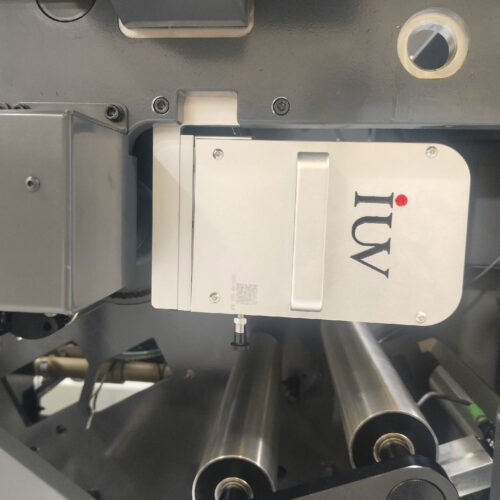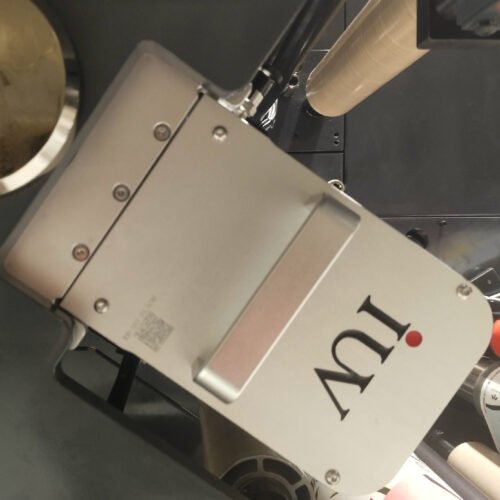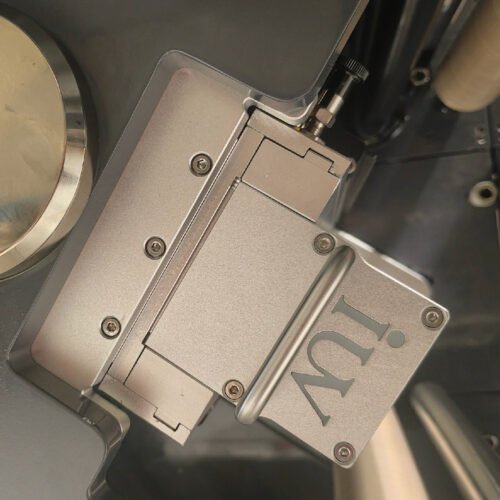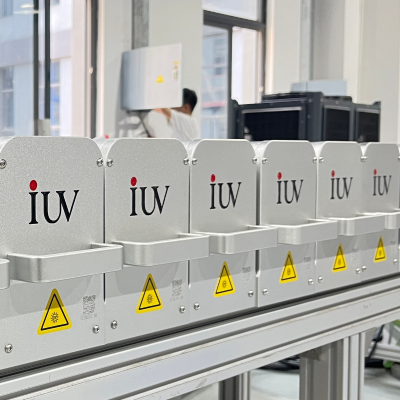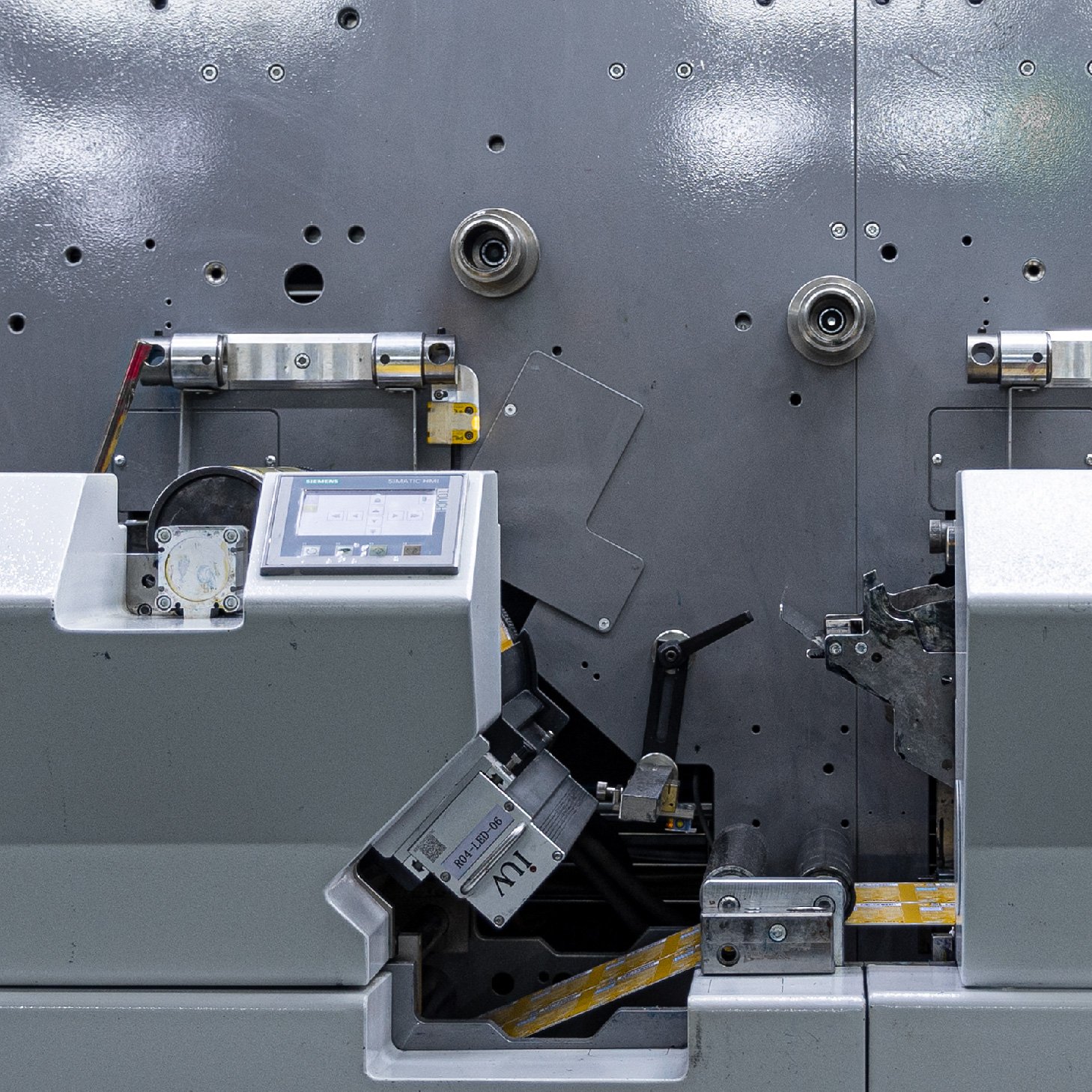
In narrow web label printing production, curing performance directly affects print quality, production speed, energy consumption, and long-term press stability. As flexographic printing and packaging printing lines continue moving toward higher speed and lower operational cost, many converters are evaluating the practical impact of Upgrade to LED Curing for Narrow Web Label Printing: Energy Consumption and Production Efficiency Analysis under real industrial conditions rather than theoretical laboratory data.
Traditional mercury UV drying systems have been widely used in label printing for decades because of their strong curing capability across various UV ink systems. However, these systems also generate substantial infrared heat and broad-spectrum radiation, much of which is not effectively used for photoinitiator activation. In actual production environments, especially in narrow web printing with heat-sensitive substrates such as PET, BOPP, and shrink films, excess thermal energy becomes a major operational limitation.
This is where the engineering significance of Upgrade to LED Curing for Narrow Web Label Printing: Energy Consumption and Production Efficiency Analysis becomes increasingly important. The transition to LED UV curing is not simply a lamp replacement project. It changes the thermal profile, wavelength distribution, UV dose behavior, and overall process dynamics of the entire printing line.
Energy transfer efficiency in UV LED curing systems
In conventional UV systems, mercury lamps emit ultraviolet, visible, and infrared radiation simultaneously. Although these lamps produce high UV intensity, a considerable percentage of electrical energy is converted into heat rather than useful curing energy. In narrow web flexographic printing, this creates additional load on chill rollers, press cooling systems, and exhaust ventilation.
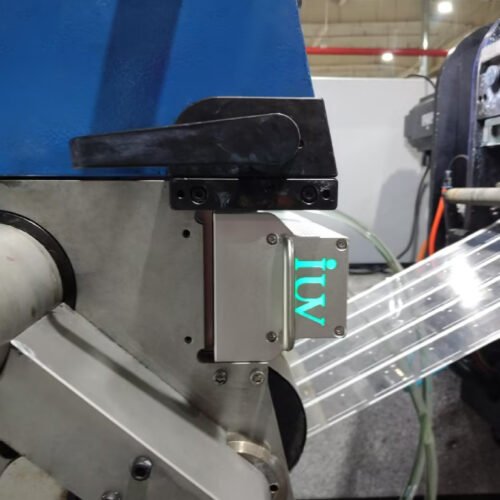
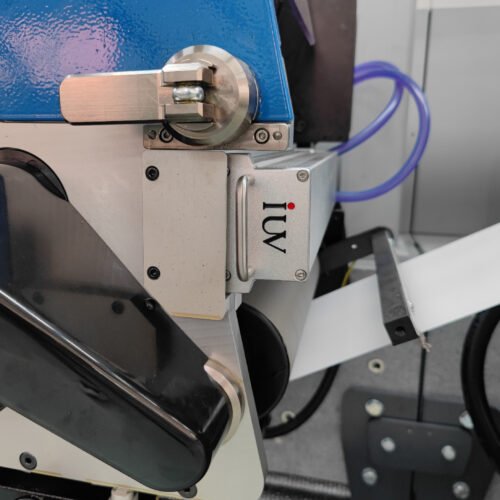
By comparison, LED UV curing systems emit narrow-band wavelengths, commonly around 385 nm or 395 nm, depending on ink chemistry requirements. Because modern LED-compatible photoinitiators are formulated to absorb energy within these wavelength ranges, the optical efficiency is significantly higher. In practical production, Upgrade to LED Curing for Narrow Web Label Printing: Energy Consumption and Production Efficiency Analysis often shows that lower electrical input can achieve equivalent or better curing performance when wavelength matching is optimized correctly.
However, energy reduction is not simply caused by lower power consumption at the lamp level. The largest efficiency improvement often comes from eliminating unnecessary thermal compensation throughout the press. Lower substrate temperatures reduce cooling demand, stabilize web tension, and improve registration consistency during long production runs.
In flexographic label printing, thermal distortion can affect die-cutting accuracy and adhesive performance, especially with thin film materials. Traditional UV systems may raise substrate surface temperature significantly, particularly during high-speed production. LED curing minimizes infrared exposure, which improves dimensional stability and reduces energy waste associated with thermal management systems.
UV ink chemistry and wavelength compatibility
One of the most critical engineering considerations in Upgrade to LED Curing for Narrow Web Label Printing: Energy Consumption and Production Efficiency Analysis is UV ink chemistry compatibility. Mercury lamps emit a broad UV spectrum that activates a wide range of photoinitiators. LED systems operate within a much narrower spectral range, which means curing efficiency depends heavily on photoinitiator absorption characteristics.
In real production environments, converters often encounter incomplete curing after upgrading to LED systems because existing UV inks were originally designed for conventional mercury lamps. This can lead to insufficient surface cure, poor adhesion, or oxygen inhibition effects.
Oxygen inhibition is particularly visible in low-viscosity label inks and varnishes. During polymerization, ambient oxygen interferes with free radical reactions at the ink surface, resulting in tackiness even when internal curing appears complete. Operators frequently respond by increasing UV intensity, but this does not always solve the underlying chemical limitation.
In many cases, the more effective solution is reformulating the UV ink system with LED-compatible photoinitiators rather than increasing electrical power consumption. Under optimized conditions, Upgrade to LED Curing for Narrow Web Label Printing: Energy Consumption and Production Efficiency Analysis demonstrates that lower UV dose levels can still achieve strong crosslinking density and reliable ink adhesion.
Production efficiency improvements in narrow web printing
Production efficiency in narrow web label printing is influenced not only by curing speed but also by startup time, maintenance frequency, and operational consistency. Traditional UV systems require warm-up periods before stable curing conditions are reached. During startup and lamp stabilization, substantial substrate waste is generated.
LED UV curing systems operate differently because they achieve full output almost instantly. This characteristic reduces startup waste and shortens job changeover time, particularly in short-run label production environments where frequent setup adjustments are common.
Another important factor in Upgrade to LED Curing for Narrow Web Label Printing: Energy Consumption and Production Efficiency Analysis is lamp lifecycle stability. Mercury lamps gradually lose UV output while continuing to generate heat, forcing operators to compensate through slower press speeds or higher power settings. This increases energy consumption over time while reducing production consistency.
LED systems provide more stable irradiance output across their operational lifespan when cooling conditions are properly controlled. In industrial flexographic printing lines, this improves curing repeatability and reduces the need for operator adjustments during long production runs.
However, thermal management remains critical. Although LED systems reduce substrate heat, LED chips themselves generate concentrated junction heat. Without efficient cooling, wavelength drift occurs, reducing photoinitiator activation efficiency. This often causes curing inconsistency that operators mistakenly interpret as insufficient lamp power.
Material compatibility and process stability
In packaging printing and pressure-sensitive label applications, substrate compatibility is one of the main advantages observed after LED conversion. Because substrate temperature remains lower, thinner films and heat-sensitive materials can run at higher web speeds without deformation.
This is particularly important in shrink sleeve production, where excessive heat from traditional UV drying systems can cause premature shrinkage or dimensional instability. In these applications, Upgrade to LED Curing for Narrow Web Label Printing: Energy Consumption and Production Efficiency Analysis is closely tied to production reliability rather than electrical savings alone.
Press stability also improves because lower thermal fluctuation reduces web movement variation. Stable web tension improves print registration and curing consistency simultaneously. In offset printing and hybrid flexographic systems, this stability becomes increasingly important as production speeds increase.
In practice, the largest operational benefit of LED curing is often the reduction of compensation behavior. Traditional UV systems frequently rely on excessive UV dose as a safety margin against production instability. LED systems encourage tighter process control, where curing efficiency is achieved through optimized wavelength utilization, stable UV dose distribution, and proper ink chemistry integration.
Long-term operational impact of LED curing upgrades
From an engineering perspective, the long-term value of Upgrade to LED Curing for Narrow Web Label Printing: Energy Consumption and Production Efficiency Analysis is closely related to process optimization rather than simple equipment replacement.
Energy savings come not only from reduced lamp power but also from lower cooling requirements, decreased maintenance downtime, improved startup efficiency, and reduced substrate waste. At the same time, production efficiency improves because curing consistency becomes more predictable under controlled operating conditions.
In well-integrated narrow web printing systems, LED curing technology allows higher operational stability while reducing total energy load across the production line. The overall efficiency improvement is achieved through better spectral utilization, lower thermal stress, and more controlled polymerization behavior in modern UV ink systems.