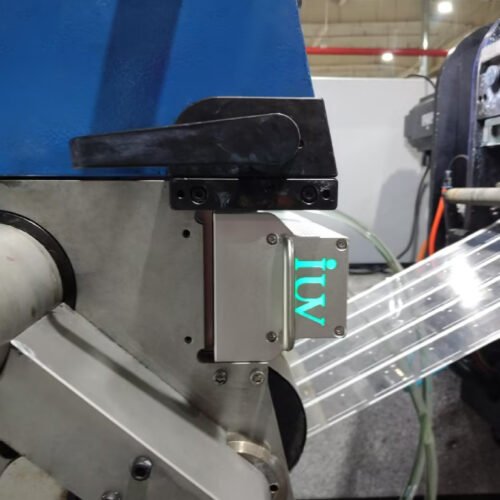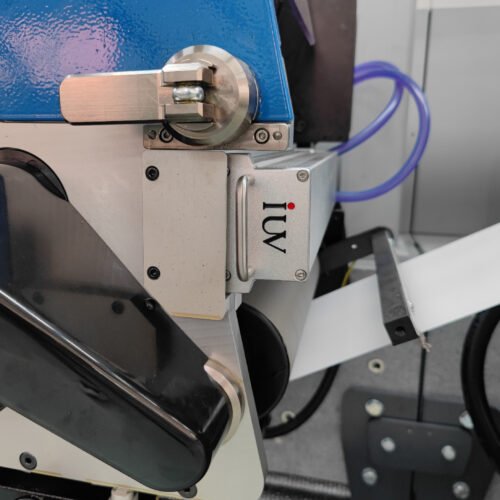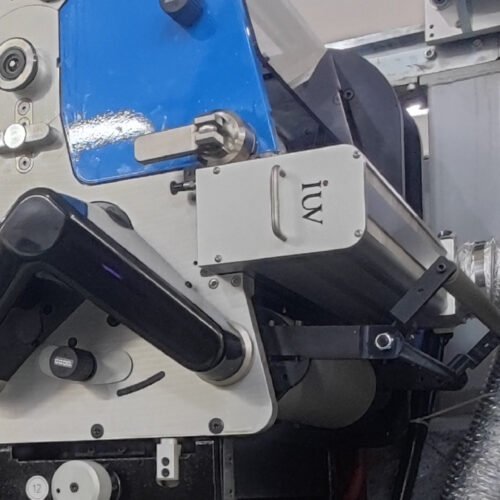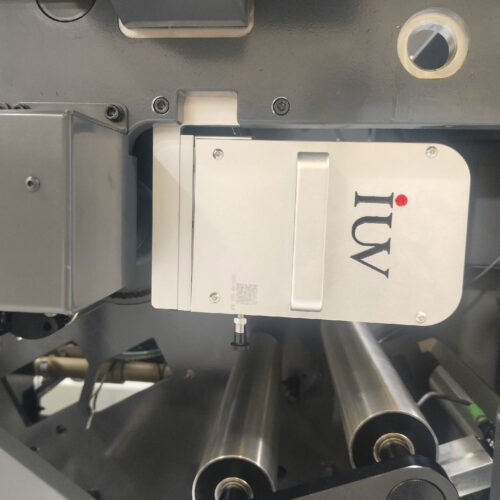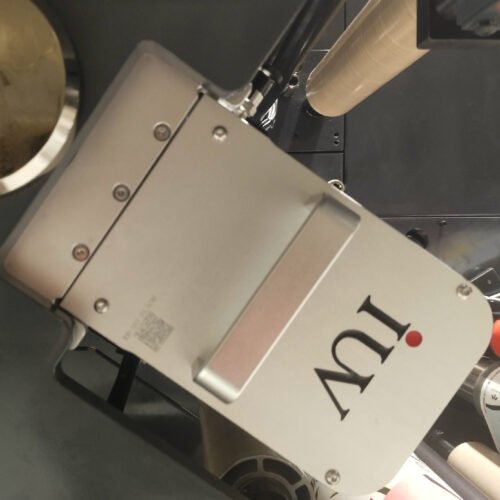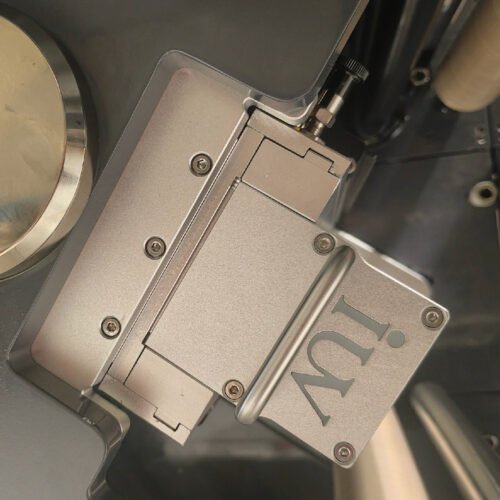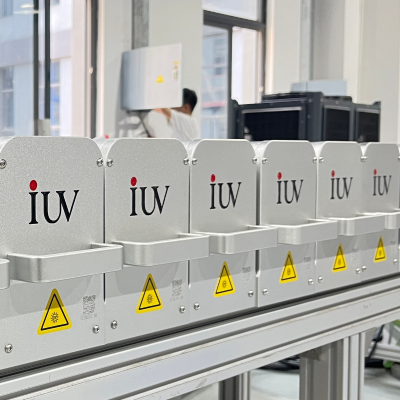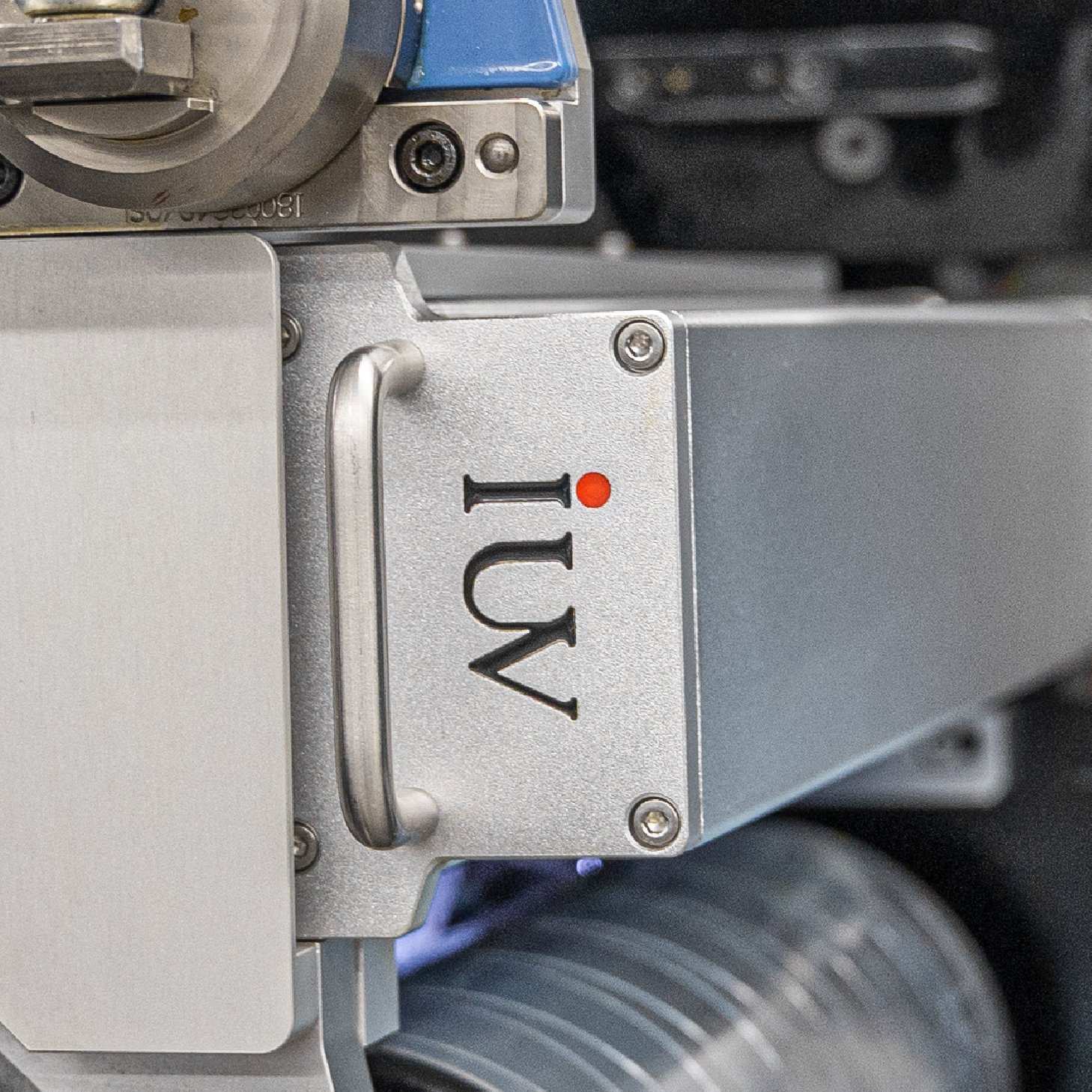
In multi-color sheet-fed offset printing, interdeck curing is never just a drying function. It is a process control tool that directly affects trapping, dot stability, surface tack, pile performance, sheet transport, and downstream finishing. When UV LED curing systems are introduced between printing units, their physical placement becomes one of the most important engineering decisions in the entire press configuration.
Many printers focus on output power, wavelength, or energy savings when evaluating LED UV technology. Those factors matter, but placement is what determines whether the system works as a stable production asset or becomes a recurring source of compromise. In sheet-fed offset, especially on UV-sensitive commercial, packaging, carton, and label-related work, interdeck UV LED modules must be positioned in a way that supports both curing efficiency and print process balance.
This is particularly relevant when handling jobs that involve dense solids, metallics, opaque whites, spot colors, overprint varnishes, non-absorbent stocks, or multi-layer decorative effects. In those environments, the distance between units, the mechanical sheet path, the exposure angle, the ink sequence, and the thermal footprint all influence how well the press performs. Good placement improves print control. Poor placement creates avoidable instability.
Why Interdeck UV LED Placement Matters More Than Many Printers Expect
In a conventional offset process, each printed unit passes a partially set wet ink layer to the next station. That transfer relationship is delicate. If the ink remains too open, it may back-trap, emulsify, or lose definition under the next blanket. If it is cured too aggressively or too early, intercolor adhesion, trapping, or visual continuity may suffer.
Interdeck UV LED curing is therefore not simply about hardening the surface. It is about shaping the behavior of the printed layer before the next color arrives. Placement determines how effectively the module can stabilize the ink without disrupting the sequence logic of offset printing.
If the curing unit is placed too close to a mechanically sensitive transfer point, it may interfere with sheet handling or cooling balance. If it is placed too far downstream, the intended control effect may arrive too late to prevent wet trapping or ink disturbance. This is why placement is not just a mechanical decision. It is a print process decision.
The Real Goal Is Controlled Pinning, Not Full Cure at Every Gap
One of the most common mistakes in interdeck LED UV design is assuming that every placement should maximize cure intensity. In reality, sheet-fed offset often requires selective stabilization rather than aggressive full cure between every color.
The purpose of many interdeck curing stations is to pin the surface enough to preserve dot shape, limit disturbance, and support overprinting. That is very different from the objective of a final curing station, which is expected to complete polymerization for handling and finishing. If an interdeck LED module is placed and tuned as though it were a final cure device, it may create over-hardening, reduced trap efficiency, gloss imbalance, or brittle film behavior.
This is why module placement must always reflect the function of the station. The correct position is the one that gives the press the right amount of control at the right moment in the print sequence.
Placement Must Match the Ink Sequence and Layer Structure
Not every print unit in a multi-color offset press needs the same interdeck strategy. The location and necessity of UV LED modules depend heavily on what each unit is printing. A low-coverage process color does not behave like a dense metallic. A standard CMYK sequence does not behave like a build involving white, primer, varnish, and decorative layers.
In practical production, interdeck placement should follow the logic of film sensitivity and transfer risk. Stations that generate unstable wet layers, high surface tack, or difficult overprint conditions often benefit most from controlled interdeck curing. Other stations may perform better with no intermediate cure at all.
This is especially important in label-style offset applications and narrow web-inspired hybrid workflows where complex ink stacks are common. The press should not be designed around symmetry. It should be designed around the actual demands of the print structure.
Why Mechanical Sheet Path Geometry Affects Curing Efficiency
In sheet-fed offset, the printed sheet does not move through the press as a perfectly flat, thermally neutral carrier. It is transported by grippers, accelerated through cylinders, exposed to contact and non-contact surfaces, and influenced by both ink tack and substrate stiffness. That means the physical geometry around an interdeck curing module has a direct effect on performance.
If the LED module is placed where the sheet is mechanically unstable, vibration, bounce, or sheet flutter may reduce exposure consistency. If the exposure point is too close to a curvature zone or a transfer cylinder where the sheet is not well presented, irradiance may vary across the format. In high-precision work, even small inconsistencies can influence cure behavior and overprint stability.
That is why effective placement begins with understanding where the sheet is most stable and most accessible within the press architecture. The best curing location is not always the easiest mounting location.
Why Distance from the Printed Surface Is a Critical Engineering Variable
Interdeck LED UV systems depend heavily on working distance. Unlike broad thermal drying methods, UV LED modules must deliver optical energy at a controlled distance to produce predictable polymerization. If the unit is placed too far from the sheet path, peak irradiance falls and exposure uniformity may suffer. If it is placed too close without mechanical tolerance, sheet contact risk, contamination risk, or localized heating can increase.
In multi-color offset production, this distance must remain stable not only in theory but also under actual running conditions. Sheet caliper variation, substrate curl, gripper movement, and press vibration all influence the real gap between the curing head and the printed surface.
A well-placed interdeck module is one that maintains consistent optical geometry under live production conditions, not just under installation measurements.
Why Thermal Management Still Matters in LED UV Offset Applications
UV LED systems are often selected because they reduce thermal stress compared with conventional UV lamps. That advantage is real, but it should not lead to careless placement decisions. Even in LED-based systems, thermal accumulation can still affect sheet-fed offset production, especially on thin paper, unsupported films, synthetic labels, metallized stocks, and heat-sensitive coated materials.
If an interdeck module is placed where heat cannot dissipate effectively, or where the substrate receives repeated exposure without cooling recovery, the result may include curl, dimensional drift, pile instability, or register variation. This is particularly important in multi-color sheet-fed jobs where the sheet passes through several active stations in quick succession.
Good placement supports not only optical cure efficiency but also thermal balance. In advanced press engineering, those two goals should never be separated.
Why Interdeck Placement Influences Dot Integrity and Print Sharpness
In offset printing, one of the most valuable uses of interdeck UV LED curing is preserving image integrity between units. This is especially useful when printing fine screens, small reverse text, sharp solids, or difficult overprints on non-absorbent materials.
If the curing module is positioned correctly, it can stabilize the printed image before the next blanket interaction disturbs the film. This helps reduce dot gain drift, slur-like disturbance, and wet image deformation. However, if the module is poorly positioned or poorly timed, it may stabilize the wrong condition or do so after damage has already occurred.
Placement therefore affects not only whether the ink cures, but whether the image retains its intended geometry from one station to the next. In high-end packaging and label-quality offset work, that distinction is critical.
Why Overcuring Between Units Can Damage Print Performance
A common error in interdeck curing strategy is treating all image instability as a sign that more curing is needed. In reality, excessive interdeck exposure can create its own print problems.
When a layer is hardened too much before the next unit, trapping can become less efficient, overprint smoothness may decline, and film flexibility may be reduced. In certain ink systems, overcuring can also alter gloss balance or reduce the visual integration between colors. These effects are especially noticeable in rich builds, dense dark areas, and decorative jobs where surface continuity matters.
This is why placement and output strategy must be developed together. A well-positioned module should allow controlled stabilization with minimal process penalty. That is the difference between using UV LED as a support tool and using it as a blunt force correction.
The Best Placement Strategy Is Usually Selective, Not Universal
Not every deck in a sheet-fed offset press benefits equally from interdeck UV LED curing. In fact, the most efficient production layouts often use LED modules only where they provide a measurable process advantage.
Some units may benefit from surface pinning to support difficult overprinting. Others may be better left fully wet to preserve trap behavior. In hybrid packaging and label-style sheet-fed work, the most stable press configurations are often the ones that apply curing only at process-critical points rather than trying to illuminate every gap between units.
This selective approach also improves energy efficiency, simplifies integration, and reduces unnecessary thermal exposure. More importantly, it allows the curing system to support the print process instead of dictating it.
Why Substrate Type Changes the Placement Logic
Paperboard, coated paper, cast-coated label stock, synthetic sheet, metallized stock, and filmic constructions all respond differently to interdeck curing. A placement strategy that works well on board may not be suitable for thin synthetics. A setup that performs well on absorbent paper may become unstable on non-porous materials.
This is because the sheet’s thermal response, surface energy, stiffness, and ink holdout all influence how the printed layer behaves before and after UV LED exposure. On difficult substrates, the margin for error becomes smaller, and placement must be more deliberate.
In practice, the ideal interdeck layout is not just press-specific. It is substrate-aware. That is especially important for printers running a mix of commercial, packaging, and label-style sheet-fed jobs on the same platform.
Why Sheet-Fed Offset Can Learn from Narrow Web UV Logic
Although sheet-fed offset and narrow web label printing differ mechanically, many of the same curing principles apply. In both environments, curing works best when it is integrated into the logic of layer build, substrate behavior, and process stability rather than treated as an isolated add-on.
That is why sheet-fed offset printers increasingly borrow from narrow web UV discipline when configuring interdeck LED systems. The most effective setups focus on where stabilization is truly needed, how the printed layer behaves before the next unit, and how to protect both image quality and substrate condition across the line.
This crossover is particularly useful in packaging and premium print applications where offset quality expectations increasingly resemble label-level control standards.
Placement Should Be Validated by Press Behavior, Not Only by Lamp Data
It is easy to evaluate UV LED systems by electrical specification, irradiance output, or optical design. Those metrics matter, but they do not replace press validation. The real test of interdeck placement is whether the press runs more cleanly, traps more consistently, maintains sharper image structure, and delivers better finishing reliability.
If the module looks correct on paper but the press still shows set-off risk, unstable trapping, pile heating, or surface inconsistency, then the placement is not yet optimized. In sheet-fed offset, the best configuration is always the one that improves the total print process, not just the cure reading.
That is why advanced interdeck integration should always be judged through print behavior, not only hardware specification.
Conclusion
Optimizing interdeck UV LED curing systems placement in multi-color sheet-fed offset requires more than fitting modules between units. It requires understanding how curing interacts with sheet transport, ink sequence, substrate sensitivity, dot stability, thermal balance, and overprint behavior.
When placement is engineered correctly, UV LED interdeck curing becomes a powerful tool for improving print control, stabilizing difficult layers, and expanding the production window for demanding offset jobs. When placement is handled casually, even high-quality hardware may underperform in real production.
For printers working in high-value packaging, label-style offset, decorative print, and multi-layer sheet-fed applications, the most successful UV LED installations are the ones designed around process logic first and hardware second.