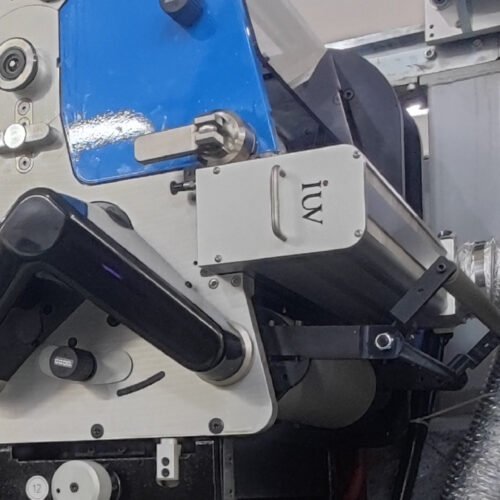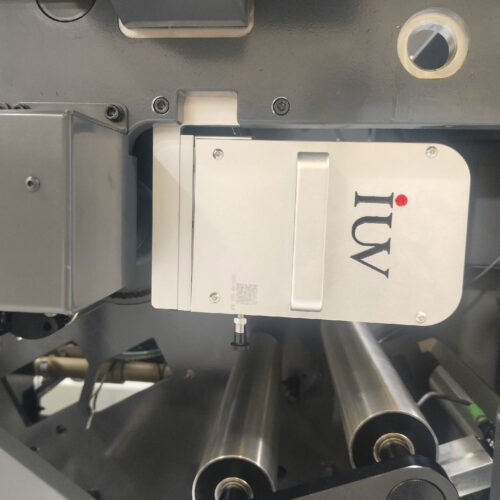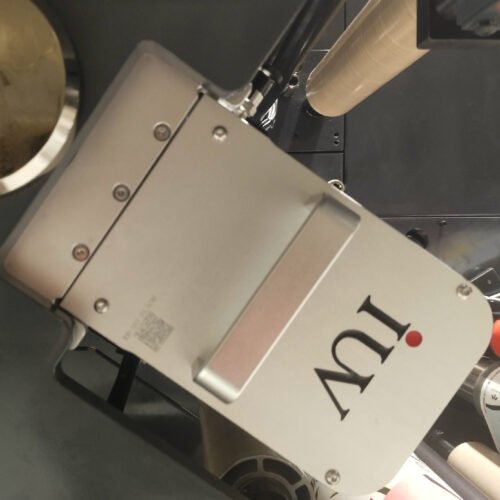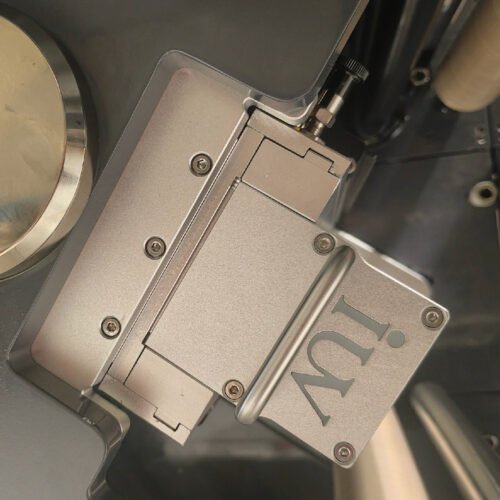
Bringing a new UV-LED curing system online is a significant step for any printing business. The move promises notable gains in energy efficiency, operational flexibility, and print quality. Yet, the bridge between expectation and reality is built during one decisive phase: comprehensive pre-production validation. Overlooking this critical step risks production hiccups, inconsistent output, and unhappy customers. A methodical validation process is your blueprint for success. This guide walks you through a practical, stage-by-stage approach to ensure your UV-LED system performs flawlessly for your specific label, packaging, and commercial print jobs before any paid work begins.
Stage 1: Define Your Success Criteria and Build a Baseline
Start by translating “fully cured” into clear, measurable terms. Success must be objective, not a matter of opinion. For narrow-web label printing, standard tests include cross-hatch adhesion checks and rub resistance evaluations. In flexible packaging, add tests for ink flexibility and resistance to chemicals like alcohol or grease.
First, establish a performance benchmark using your current, reliable curing process. Document the acceptable result range for each test on your primary materials. This baseline gives your new LED system a concrete target to match or surpass. This data-focused foundation turns validation from guesswork into a reliable, repeatable procedure.
Stage 2: Verify Core System Output and Uniformity
Confirm the system’s fundamental performance before connecting it to your press. Use a trusted measuring device to check key output parameters at the planned curing distance. Compare your readings to the expected specifications provided for your application type.
The most crucial check is for curing uniformity. The energy delivered across the entire working width must be consistent. Significant variations can lead to patches of under-cured ink or potential substrate damage. This initial verification confirms the hardware’s intrinsic capability is sound before real-world testing begins.
Stage 3: Conduct Structured On-Press Dry Runs
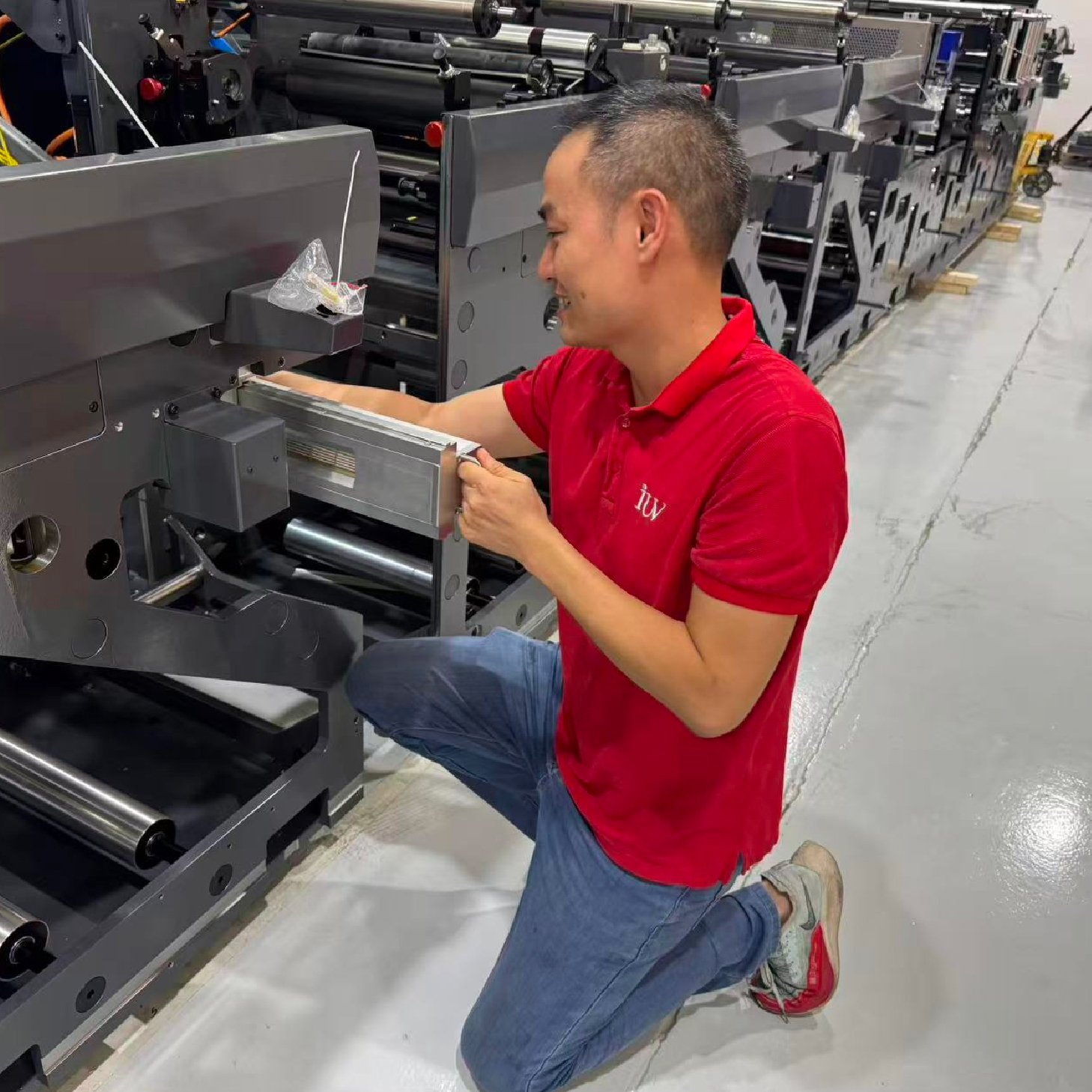
With the system installed, begin organized trials using real production inks and substrates. Start with your most common, forgiving material combination. Then, systematically progress to more challenging ones: thin films, heat-sensitive stocks, or specialty coated papers.
For each material set, run the press at various speeds. Adjust the system’s output at each speed setting. The goal is to map the minimum energy required to achieve a perfect cure according to your Stage 1 criteria. This mapping defines your safe operating window for each job type. Modern systems with intelligent controls can automate much of this adjustment, streamlining the process significantly.
Stage 4: Execute Rigorous Physical and Chemical Testing
Collect samples from every test condition for thorough offline analysis. Avoid relying solely on quick visual or touch tests.
- Adhesion Test: Perform a proper cross-hatch tape test. Aim for near-perfect ink retention after tape removal.
- Abrasion Resistance: Use a standard rub tester. This is essential for labels and packages that will face handling.
- Through-Cure Check: For opaque whites or heavy ink coverage, feel the back of the cured film. Any tackiness signals incomplete curing beneath the surface.
- Flexibility Test: Bend the cured sample. Cracking means the ink film is too brittle for flexible packaging applications.
Record all results in a detailed validation report. This document will link press settings directly to final product quality, forming a reliable reference for future jobs.
Stage 5: Stress Test for Long-Run Stability
A system that passes short tests might still fail during a long production shift. Heat buildup is a common culprit. Conduct a stability test by running a representative job at target speed for an extended period, simulating a real production run.
Monitor temperatures at key points. Effective thermal management is critical for consistent LED performance over time. Collect and test samples at the start, middle, and end of the run. Consistent results prove the system can maintain stable output, ensuring reliability for your longest orders.
Stage 6: Final Integration Check and Team Readiness
Perform a final dress rehearsal. Run a complete, multi-color job that mimics a real customer order in complexity. Use all print units and any finishing effects. Measure the final product against all your quality standards.
Use this run for final operator training and sign-off. Your team must be comfortable with system startup, basic controls, and understanding common status indicators. Confident operators are your best guarantee for a smooth, uninterrupted production launch.
Turning Validation into a Competitive Advantage
A thorough validation process requires an upfront investment of time. However, this cost is minimal compared to the risk of a failed production launch. This diligent work transforms your UV-LED curing system from a capital purchase into a proven, high-performance asset.
Following this structured approach gives you data-backed confidence. It removes uncertainty about material compatibility and curing consistency. This level of preparation ensures your first production job—and every job after—meets the highest standards. In a competitive market, such operational excellence is a powerful differentiator, fully unlocking the potential and return on investment offered by advanced LED curing technology.