In the narrow web label printing industry, production efficiency is no longer evaluated solely by printing speed. Energy consumption, operational stability, maintenance costs, and overall equipment effectiveness have become equally important factors influencing profitability. As electricity prices continue to rise and sustainability requirements become stricter, many label converters are evaluating whether a retrofit from conventional mercury UV curing systems to LED UV technology can provide measurable economic benefits. This is why the topic What Is LED UV Retrofit in Narrow Web Label Printing: Energy Consumption Reduction and ROI Analysis has become increasingly relevant across flexographic printing, label printing, packaging printing, and hybrid offset printing environments.
Understanding LED UV Retrofit in Narrow Web Printing
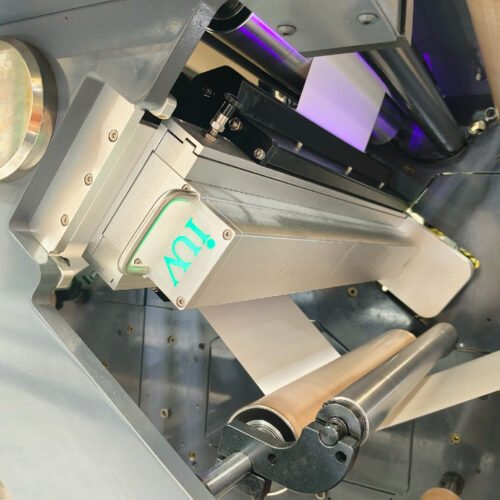
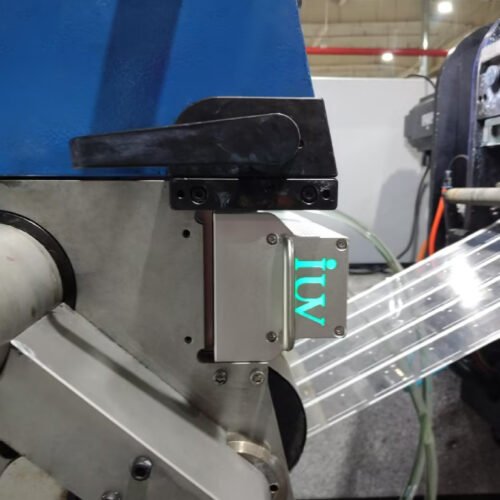
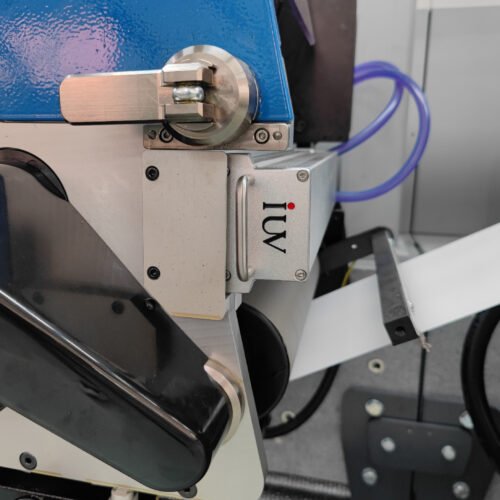
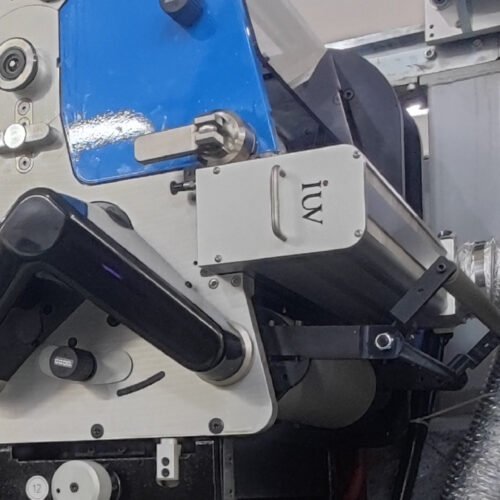
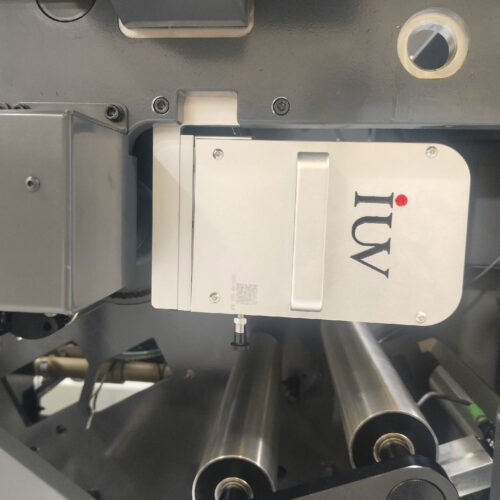
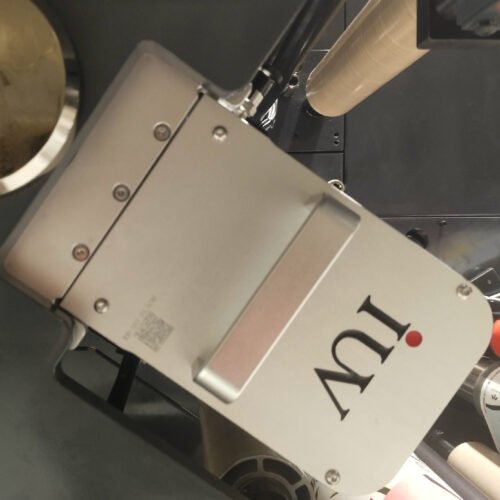
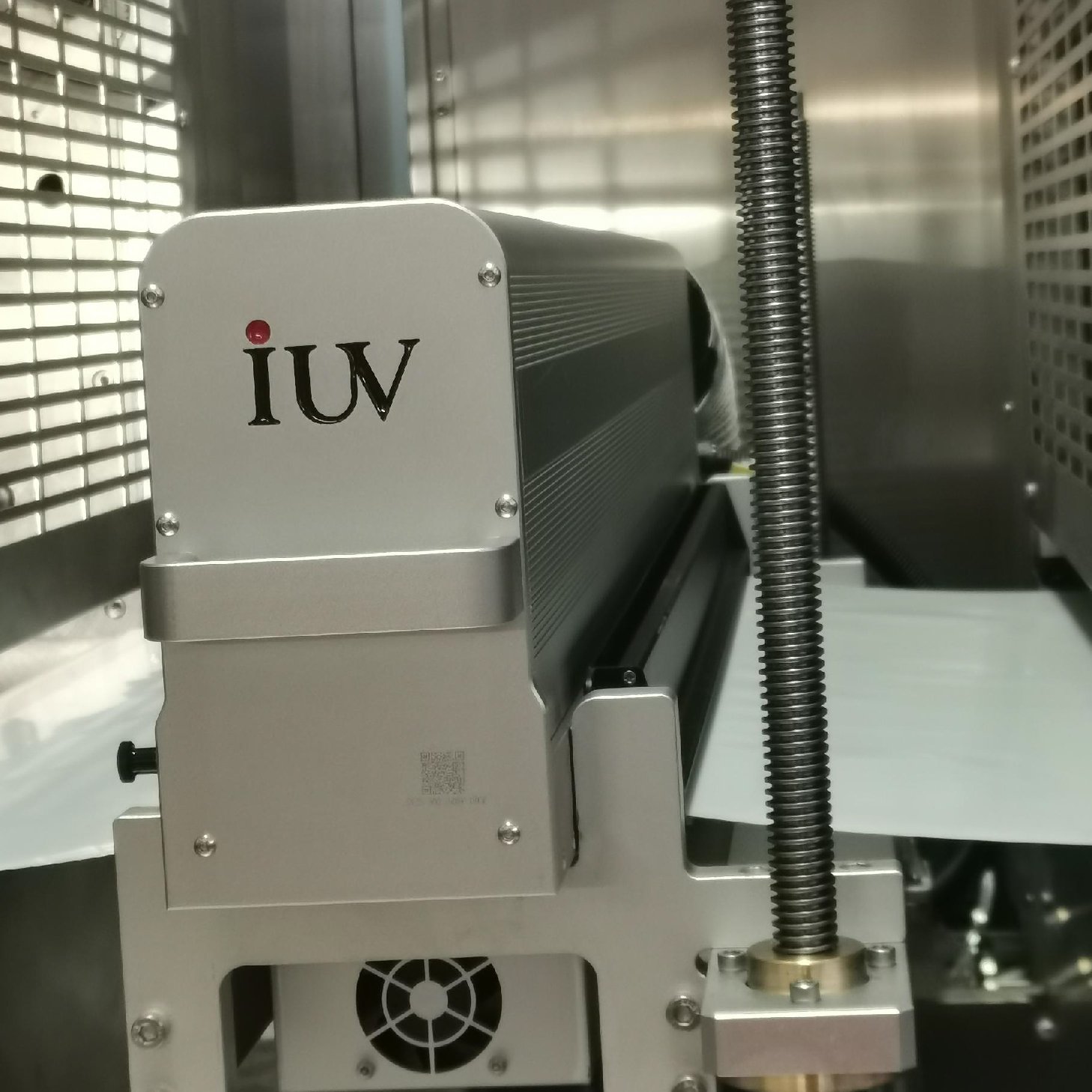
An LED UV retrofit refers to replacing existing mercury arc curing units on a printing press with UV LED curing systems while retaining the majority of the original press structure. In most narrow web label printing operations, the retrofit process focuses on integrating LED curing modules, power supplies, cooling systems, and control interfaces without requiring a complete machine replacement. The primary objective is not simply to install a different light source, but to optimize UV curing technology for lower energy consumption, improved curing consistency, and enhanced production efficiency.
To understand the value of What Is LED UV Retrofit in Narrow Web Label Printing: Energy Consumption Reduction and ROI Analysis, it is necessary to examine how energy is actually consumed during the curing process. Traditional mercury UV lamps generate a broad spectrum of ultraviolet and infrared radiation. While part of the emitted energy initiates polymerization within UV inks, a significant portion is converted into heat. This heat increases substrate temperature, requires additional cooling capacity, and contributes to higher overall power consumption.
In contrast, a UV LED curing system emits a narrow wavelength band, typically around 385 nm or 395 nm. Because the emitted energy is concentrated within the effective absorption range of modern photoinitiators, less energy is wasted. The result is a more efficient conversion of electrical power into usable curing energy. When evaluating What Is LED UV Retrofit in Narrow Web Label Printing: Energy Consumption Reduction and ROI Analysis, this difference in spectral efficiency is often one of the most significant contributors to energy savings.
The chemistry of UV inks also plays a critical role. Modern UV ink chemistry designed for LED curing systems contains photoinitiators optimized for specific wavelengths. When wavelength matching is properly engineered, polymerization occurs more efficiently, requiring lower overall energy input to achieve the same or better curing performance. This allows converters to reduce energy consumption while maintaining production speed and print quality.
How Energy Consumption Is Reduced After UV LED Conversion
In real production environments, energy savings are not limited to lamp power alone. Temperature control is another major factor. Mercury lamps generate substantial heat, which can create challenges when printing on heat-sensitive materials such as polypropylene, polyethylene, shrink sleeve films, and thin packaging substrates. Excessive temperature can lead to web distortion, register variation, and material instability. Additional cooling systems are often required to compensate for these effects.
A properly designed UV LED curing system significantly reduces infrared radiation and lowers substrate temperature. Improved temperature control minimizes cooling requirements and stabilizes web handling throughout the press. When analyzing What Is LED UV Retrofit in Narrow Web Label Printing: Energy Consumption Reduction and ROI Analysis, many converters discover that indirect energy savings from reduced cooling demand are nearly as important as direct lamp energy reduction.
Another critical factor influencing return on investment is machine uptime. Conventional UV lamps require warm-up periods before reaching stable output. Frequent press stops and restarts can create inconsistent UV dose delivery, increasing material waste during production changeovers. LED systems operate with instant on/off capability, eliminating warm-up delays and delivering consistent irradiance immediately after activation.
In narrow web label printing, where short-run production and frequent job changes are increasingly common, these operational advantages contribute directly to productivity. Reduced setup waste, faster job transitions, and improved curing stability can significantly improve overall equipment effectiveness. Therefore, the discussion surrounding What Is LED UV Retrofit in Narrow Web Label Printing: Energy Consumption Reduction and ROI Analysis extends beyond electricity savings and includes measurable gains in productive machine hours.
UV Curing Efficiency and Production Performance
Curing efficiency must also be considered from a technical perspective. Many converters initially assume that increasing irradiance automatically improves curing performance. In practice, curing quality depends on the relationship between wavelength, UV dose, exposure time, ink formulation, and substrate characteristics. If UV dose is insufficient, incomplete polymerization can occur, leading to poor UV ink adhesion, reduced scratch resistance, and lower chemical resistance.
Conversely, excessive surface curing can create a dense polymer layer that restricts deeper energy penetration. This issue becomes particularly relevant when printing high-opacity white inks, heavy coatings, or specialty varnishes. During LED retrofit projects, optimization of UV ink chemistry and curing parameters is often necessary to maximize both curing efficiency and energy efficiency simultaneously.
Oxygen inhibition is another important consideration. Oxygen present at the ink surface can interfere with free-radical polymerization reactions, reducing curing efficiency. Modern LED-compatible ink systems are specifically formulated to minimize oxygen inhibition effects and achieve stable curing under high-speed production conditions. Proper control of UV dose and wavelength selection helps maintain complete polymerization while minimizing unnecessary energy consumption.
Material compatibility must also be evaluated during a retrofit project. Different films, papers, and synthetic substrates respond differently to UV energy and heat. One of the major advantages of LED curing technology is its ability to process temperature-sensitive substrates with greater stability. This makes LED UV particularly attractive for modern label printing applications involving thin films, shrink sleeves, and flexible packaging structures.
ROI Analysis Beyond Electricity Savings
From an ROI perspective, maintenance costs frequently have a greater long-term impact than many converters initially expect. Mercury UV systems require regular lamp replacement, reflector cleaning, shutter maintenance, and ongoing monitoring of output degradation. As lamp age increases, irradiance decreases, resulting in inconsistent curing and reduced process stability.
UV LED curing systems contain no mercury bulbs and maintain stable output over significantly longer operating periods. Reduced maintenance downtime contributes directly to production efficiency and lowers total cost of ownership. In many narrow web label printing facilities, the combination of lower electricity consumption, reduced maintenance costs, improved uptime, and lower waste generation creates a compelling economic justification for retrofit implementation.
Ultimately, the answer to What Is LED UV Retrofit in Narrow Web Label Printing: Energy Consumption Reduction and ROI Analysis lies in understanding that curing technology influences far more than energy consumption alone. The retrofit process affects UV curing efficiency, production stability, substrate compatibility, maintenance requirements, temperature management, and overall manufacturing productivity. For modern label converters seeking greater operational efficiency, LED UV retrofit has evolved from an energy-saving upgrade into a comprehensive production optimization strategy capable of delivering measurable technical and financial benefits throughout the life cycle of the printing press.
For converters evaluating a transition from conventional UV curing to LED UV technology, a detailed understanding of energy consumption, curing efficiency, and long-term operating costs is essential. To learn more about LED UV retrofit projects, visit https://goodiuv.com/upgrade-to-led-curing/. If you would like to estimate the potential savings for your own production line, you can also access the ROI Calculator on our website to calculate expected reductions in energy usage, maintenance costs, and overall operating expenses after a UV LED upgrade.