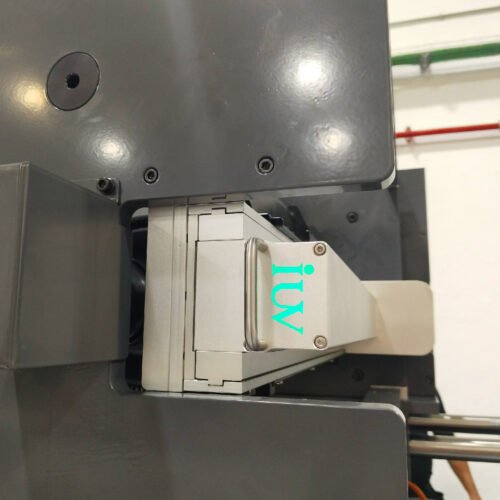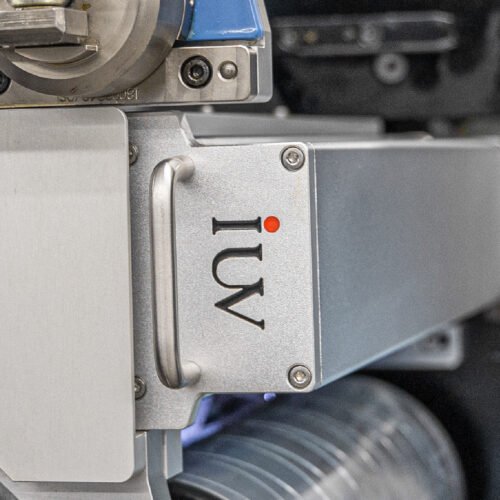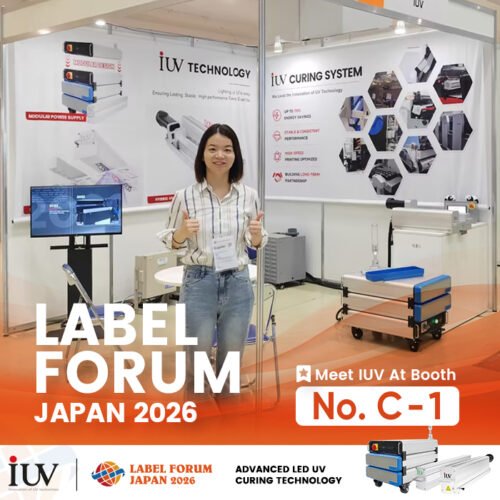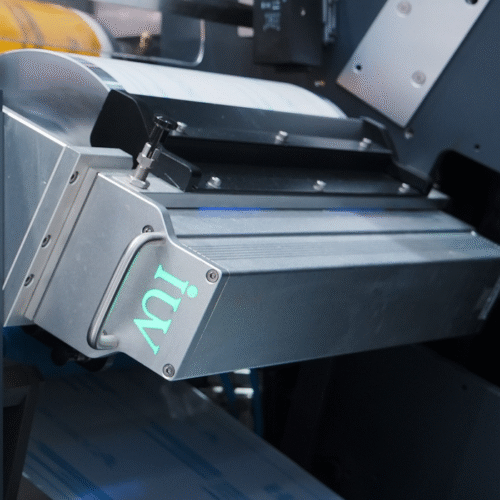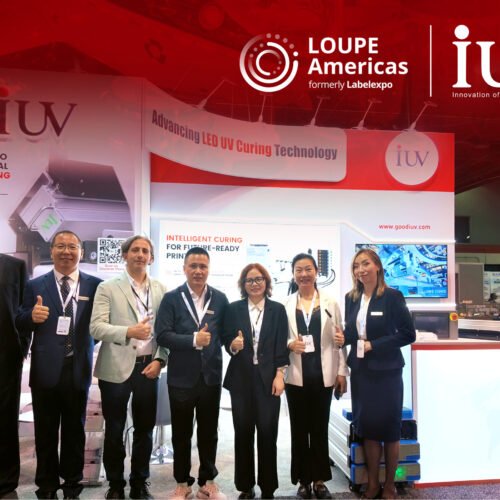
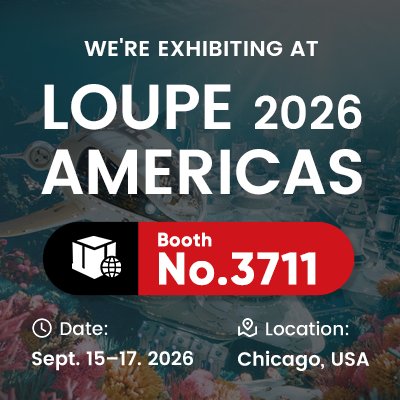
IUV will exhibit at LOUPE Americas 2026 in Chicago, USA, from September 15 to 17, 2026. Visit Booth 3711 to explore IUV LED UV curing solutions for label printing, flexographic printing, offset printing, and narrow web applications.
Modern printers need more than a powerful UV lamp. They need stable curing at production speed, controlled substrate temperatures, consistent output, and reliable integration with the press. IUV develops UV curing systems around these practical production requirements.
At LOUPE Americas 2026, label converters, press manufacturers, and printing specialists can discuss their applications directly with the IUV team. Visitors can also learn how the right curing configuration supports print quality, press efficiency, and repeatable production.

UV Curing Is a Critical Part of the Printing Process
UV curing changes liquid ink, coating, or adhesive into a solid film through photopolymerization. The process begins when photoinitiators absorb ultraviolet energy. These photoinitiators create reactive species that start crosslinking within the ink or coating.
A successful cure requires more than visible surface dryness. The printed layer must receive enough UV energy across the correct wavelength range. The final result depends on irradiance, UV dose, exposure time, ink chemistry, film thickness, and press speed.
Poor curing can cause blocking, odor, weak adhesion, scratching, or low chemical resistance. Excessive heat can distort films and affect dimensional stability. An IUV UV curing system should therefore be selected around the complete printing process.
How LED UV Curing Supports Modern Print Production
LED UV curing uses semiconductor light sources to produce concentrated ultraviolet energy. Common printing wavelengths include 365, 385, 395, and 405 nanometers. The best wavelength depends on the photoinitiator package and the required curing depth.
Unlike traditional mercury lamps, LED UV lamps switch on and off immediately. They do not require a long warm-up cycle. They can also reduce standby energy during press stops and job changes.
LED UV systems produce less infrared heat at the substrate than conventional UV lamps. This advantage matters when printing on PE, PP, BOPP, unsupported film, shrink film, and other heat-sensitive materials.
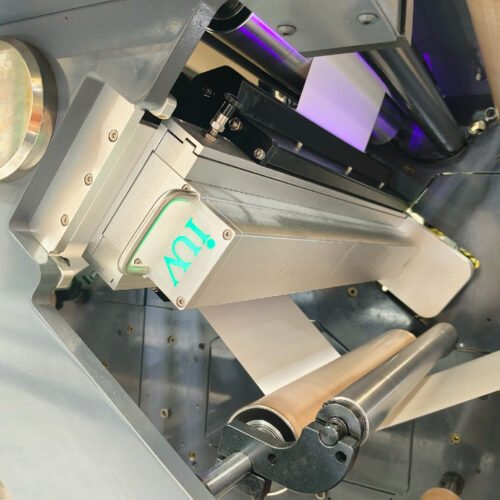
An IUV LED UV curing system can help printers maintain a controlled production environment. Stable optical output, effective cooling, and correct lamp positioning support predictable curing across the web.
IUV LED UV Curing for Label Printing
Label printing often combines demanding graphics with difficult substrates. A single press may process coated paper, synthetic stock, clear film, metallic material, and pressure-sensitive constructions.
Each material reacts differently to heat, web tension, ink coverage, and UV exposure. A curing system must handle these changes without creating unnecessary production limits.
IUV LED UV curing solutions can support immediate ink setting after printing. Fast curing helps protect fine text, barcodes, small dots, and reversed elements. It also reduces the risk of marking during downstream transport.
Immediate curing can simplify finishing operations such as die-cutting, matrix removal, slitting, and rewinding. The printed web can move into the next process without a long drying section.
LED UV technology also supports short production runs and frequent job changes. Operators can start the UV output when needed and stop it during press downtime. This responsive operation fits the working pattern of many label plants.
Better Control for UV Flexographic Printing
UV flexographic printing places specific demands on a curing system. Ink transfer depends on the anilox volume, plate condition, impression setting, viscosity, and ink formulation. The UV system must cure the transferred ink at the selected press speed.
Dense colors and opaque inks can be difficult to cure. Pigments absorb or scatter part of the UV energy before it reaches the lower ink layer. White, black, and highly pigmented colors may require a different UV dose from process colors.
The lamp position also matters. The distance and angle between the LED UV lamp and the printed web affect irradiance at the curing surface. Even small integration changes can influence curing performance.
IUV UV curing systems can be configured around the required web width and press layout. Careful matching helps flexographic printers achieve stable adhesion, controlled dot gain, and dependable surface resistance.
For multi-station flexo presses, interstation pinning can limit unwanted ink movement before the next color is applied. A final curing station then delivers the dose needed for complete film performance.
LED UV Solutions for Narrow Web Printing
Narrow web presses are built for flexibility. They may combine flexo, rotary screen, digital, cold foil, lamination, varnishing, and die-cutting in one production line.
This configuration creates several curing points. Some stations need controlled pinning, while others need a complete final cure. A single lamp arrangement may not suit every application.
IUV narrow web UV curing solutions can support station-specific configurations. The required setup depends on ink type, coating weight, web speed, working distance, and available installation space.
Compact lamp design can be valuable on crowded narrow web presses. However, compact size must not compromise cooling or optical uniformity. Reliable thermal management helps protect LEDs and maintain stable output.
For converters upgrading an existing press, integration should include mechanical mounting, electrical control, cooling, shielding, and press interlocks. IUV can discuss these factors with visitors at LOUPE Americas 2026.
IUV UV Curing for Offset Printing
UV offset printing requires precise control of ink and curing conditions. The ink must remain stable on the rollers and blankets, transfer cleanly, and cure after reaching the substrate.
LED UV offset inks use photoinitiators selected for LED emission wavelengths. Standard UV inks may not respond correctly to an LED source. Ink and lamp compatibility must always be confirmed before production.
A correctly matched LED UV system can support sharp dots, clean trapping, and immediate handling. Sheets can move to cutting, folding, coating, or other finishing stages with less waiting time.
LED UV curing is also useful when printing on nonabsorbent materials. Synthetic sheets, metallized stock, and coated substrates cannot rely on absorption for drying. UV polymerization creates a solid ink film on the surface.
IUV LED UV curing technology gives offset printers another way to manage curing performance and substrate temperature. The correct system depends on press speed, sheet width, ink density, and the final product requirement.
LED UV and Conventional UV Curing
Conventional UV lamps and LED UV lamps can both produce strong curing results. However, they have different spectral output, thermal behavior, and operating requirements.
Mercury lamps generate a broad UV spectrum. They can cure many established UV ink and coating formulations. They also produce more radiant heat and require warm-up and cooling periods.
LED UV lamps produce a narrower wavelength range. They switch instantly and direct less infrared energy toward the substrate. Their performance depends on inks, coatings, and adhesives formulated for the selected wavelength.
A printer should not replace a conventional lamp with an LED unit without process evaluation. The ink chemistry, coating response, working distance, press speed, and required resistance properties must be reviewed.
IUV works with printers to identify the most suitable curing direction. The goal is not simply to install a different light source. The goal is to create a stable production window.
Matching UV Energy with Ink and Coating Chemistry
A high-power lamp cannot correct an incompatible ink formulation. The photoinitiators must absorb energy within the emission range of the LED UV lamp.
Cure depth and surface cure can behave differently. Oxygen at the surface may interfere with polymerization, while pigment concentration can limit light penetration into the ink film.
The correct evaluation should include adhesion, rub resistance, scratch resistance, chemical resistance, gloss, odor, and post-cure behavior. A simple touch test cannot confirm complete cure.
Printing applications involving food, pharmaceuticals, or sensitive packaging need additional controls. Suitable low-migration materials, documented production practices, and application-specific testing may be required.
IUV recommends evaluating the full combination of lamp, ink, coating, substrate, speed, and final use. This process creates a more reliable basis for production approval.
Cooling and Thermal Management Matter
LED UV sources generate less direct substrate heat than mercury lamps, but they still create heat inside the LED module. That heat must be removed effectively.
Poor cooling can reduce output stability and shorten component life. A well-designed cooling circuit helps the LED array operate within its intended temperature range.
Depending on the installation, a system may use water cooling, air cooling, or a combined approach. The selection depends on lamp power, press layout, operating environment, and production duty.
IUV UV curing solutions can include coordinated lamp modules, power controls, and cooling equipment. This system approach helps printers manage both UV output and operating temperature.
For heat-sensitive label materials, thermal control protects more than the printed image. It can also support stable web tension, accurate registration, and consistent die-cutting performance.
Stable UV Output Protects Print Quality
A curing system must deliver uniform energy across the complete print width. Weak areas can produce uneven adhesion or resistance, even when the center of the web appears cured.
Contamination can also reduce performance. Ink mist, dust, and coating deposits may collect on the lamp window. Regular inspection and cleaning should form part of press maintenance.
Operators should also monitor speed, lamp settings, cooling conditions, and working distance. Recorded settings make successful jobs easier to repeat.
UV measurement tools can help compare curing conditions over time. Measurements should use instruments suited to the wavelength and application. Consistent measurement supports better troubleshooting and process control.
IUV LED UV curing systems are designed to become part of this controlled workflow. Stable equipment, correct integration, and disciplined operation work together to protect production quality.
Why Label Converters Are Moving Toward LED UV
Label converters face growing pressure to handle shorter runs, more materials, and faster delivery schedules. They must maintain color quality while controlling operating costs and production waste.
LED UV technology fits this environment because it responds quickly to changing production conditions. Instant switching supports frequent stops, setup adjustments, and job changes.
Lower heat exposure can expand the practical range of printable films. Immediate curing can also support faster movement into finishing and converting operations.
Energy use depends on the system design and production pattern. However, LED UV eliminates lamp warm-up and standby operation between active curing cycles. This can improve energy control on presses with variable workloads.
IUV helps printers evaluate these benefits within their own process. Every press, ink series, substrate, and production target creates a different technical requirement.
Discuss Your UV Curing Application with IUV in Chicago
LOUPE Americas brings together label printers, package printers, converters, press manufacturers, and material specialists. It provides a focused setting for evaluating new production technology.
At IUV Booth 3711, visitors can discuss new press projects and UV system upgrades. The IUV team can review label printing, flexographic printing, offset printing, and narrow web curing requirements.
Bring information about your press width, production speed, ink type, substrate range, and available installation space. These details help define the required wavelength, curing width, optical power, cooling method, and control configuration.
Visitors can also discuss common production problems. These may include incomplete curing, weak adhesion, excessive heat, unstable gloss, low rub resistance, or inconsistent results across the web.
Meet IUV at Booth 3711
Visit IUV at LOUPE Americas 2026 and explore practical LED UV curing solutions for modern printing production.
Event: LOUPE Americas 2026
Dates: September 15–17, 2026
Location: Chicago, USA
IUV Booth: 3711
Whether you operate a label press, flexographic press, offset press, or narrow web production line, IUV can help you evaluate the curing process as a complete system.
Meet the IUV team in Chicago to discuss UV LED lamps, curing performance, cooling, press integration, and application requirements. Discover how the right IUV LED UV curing system can support stable print quality, efficient production, and confident press operation.