Energy consumption has become a central concern in label printing, especially as production volumes increase and sustainability requirements tighten. In flexographic, offset, and narrow web environments, curing systems are among the most energy-intensive components of the press. Transitioning from conventional mercury UV lamps to UV LED curing systems offers a measurable reduction in power usage while improving process stability and print performance.
For label printers operating high-speed lines, energy efficiency is no longer limited to utility cost savings. It directly influences production uptime, thermal management, substrate behavior, and overall equipment reliability. UV LED curing systems provide a different energy profile that aligns better with modern narrow web and hybrid printing demands.
Lower Power Consumption Through Targeted Energy Output
One of the most significant advantages of UV LED curing lies in its ability to deliver energy precisely where it is needed. Traditional mercury UV lamps emit a broad spectrum that includes unused wavelengths and infrared radiation. Much of this energy does not contribute to curing and is instead lost as heat.
UV LED systems emit a narrow wavelength band, typically centered around 365–405 nm, which aligns with the absorption range of LED-formulated photoinitiators. This targeted emission reduces wasted energy and improves curing efficiency.
In label printing applications, this means less power is required to achieve full polymerization. Even in high-coverage jobs or multi-layer coating applications, LED systems can maintain curing performance with significantly lower overall energy input.
Instant On and Off Eliminates Idle Energy Loss
Mercury UV systems require warm-up time and continuous operation during production. Even when the press is idle or running at reduced speed, lamps often remain active, consuming energy without contributing to output.
UV LED curing systems operate with instant on and off capability. Energy is only consumed when curing is required. During press stops, job changes, or short pauses, the system can shut down immediately without affecting restart performance.
In narrow web label production, where frequent job changes are common, this feature alone can lead to substantial energy savings. Over time, eliminating idle power consumption contributes to lower operational costs and improved energy efficiency metrics.
Reduced Heat Generation Improves Overall Efficiency
Heat generation is a hidden contributor to energy inefficiency. Mercury UV lamps produce significant infrared radiation, which increases substrate temperature and raises the ambient temperature around the press.
This additional heat load requires cooling systems to work harder, increasing energy consumption indirectly. Air conditioning, chill rolls, and ventilation systems must compensate for the excess heat produced during curing.
UV LED systems generate minimal infrared heat. This reduces the thermal burden on the press environment and lowers the energy required for cooling. In high-speed flexographic and offset label printing, reduced heat also improves substrate stability and minimizes distortion.
By lowering both direct and indirect energy consumption, LED UV curing enhances overall system efficiency.
Stable Output Reduces Over-Curing and Energy Waste
In many conventional UV systems, operators compensate for lamp aging and output instability by increasing power settings. This leads to over-curing, where more energy is applied than necessary to achieve full polymerization.
UV LED systems provide stable output over their operational life. There is no significant degradation in irradiance levels during normal use. This consistency allows operators to run at optimized power levels without maintaining excessive safety margins.
In label printing processes, this results in more efficient energy use, reduced waste, and improved process control. Energy is applied only to the extent required for curing, eliminating unnecessary consumption.
Dynamic Power Control Matches Production Demand
Modern UV LED curing systems support dynamic power adjustment based on press speed, substrate type, and print coverage. This capability allows energy usage to scale with production conditions.
At lower speeds or during partial coverage printing, the system reduces output automatically. At higher speeds or with dense graphics, it increases irradiance to maintain curing performance.
This adaptive energy delivery ensures that power consumption is always aligned with actual production needs. In narrow web and flexographic printing, where job variability is high, dynamic control significantly improves efficiency.
Longer Lifespan Reduces Maintenance-Related Energy Costs
Lamp replacement and maintenance are often overlooked factors in energy efficiency. Mercury UV lamps degrade over time, requiring frequent replacement and recalibration. During this process, presses may operate inefficiently or experience downtime.
UV LED systems have a much longer operational lifespan. They maintain consistent output without frequent replacement, reducing maintenance frequency and associated energy waste.
In high-utilization label printing environments, longer lifespan translates into fewer disruptions, more stable performance, and lower total energy consumption over time.
Improved Integration with Modern Press Platforms
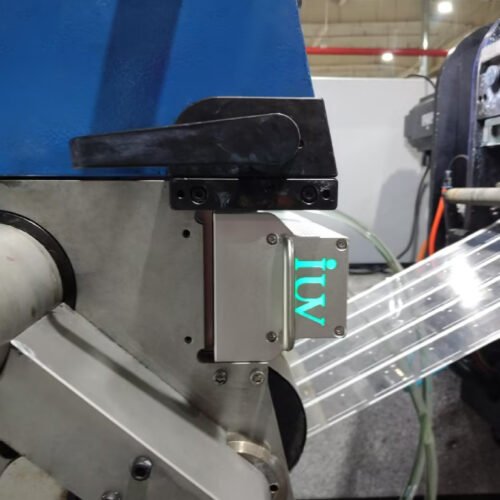
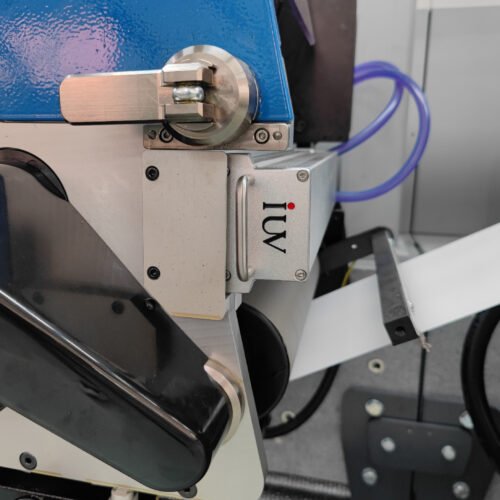
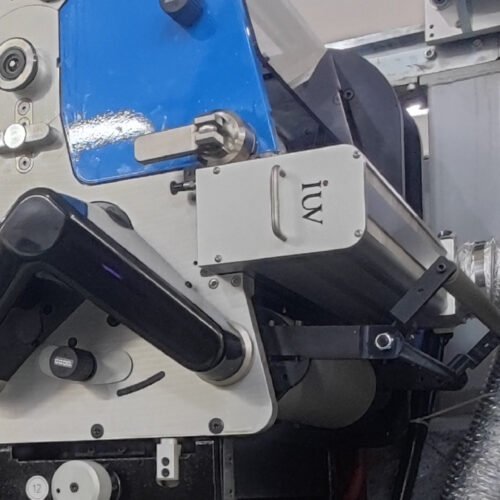
Energy efficiency is also influenced by how well curing systems integrate with press controls. UV LED systems are designed to work with advanced control architectures, allowing precise coordination with press speed and production parameters.
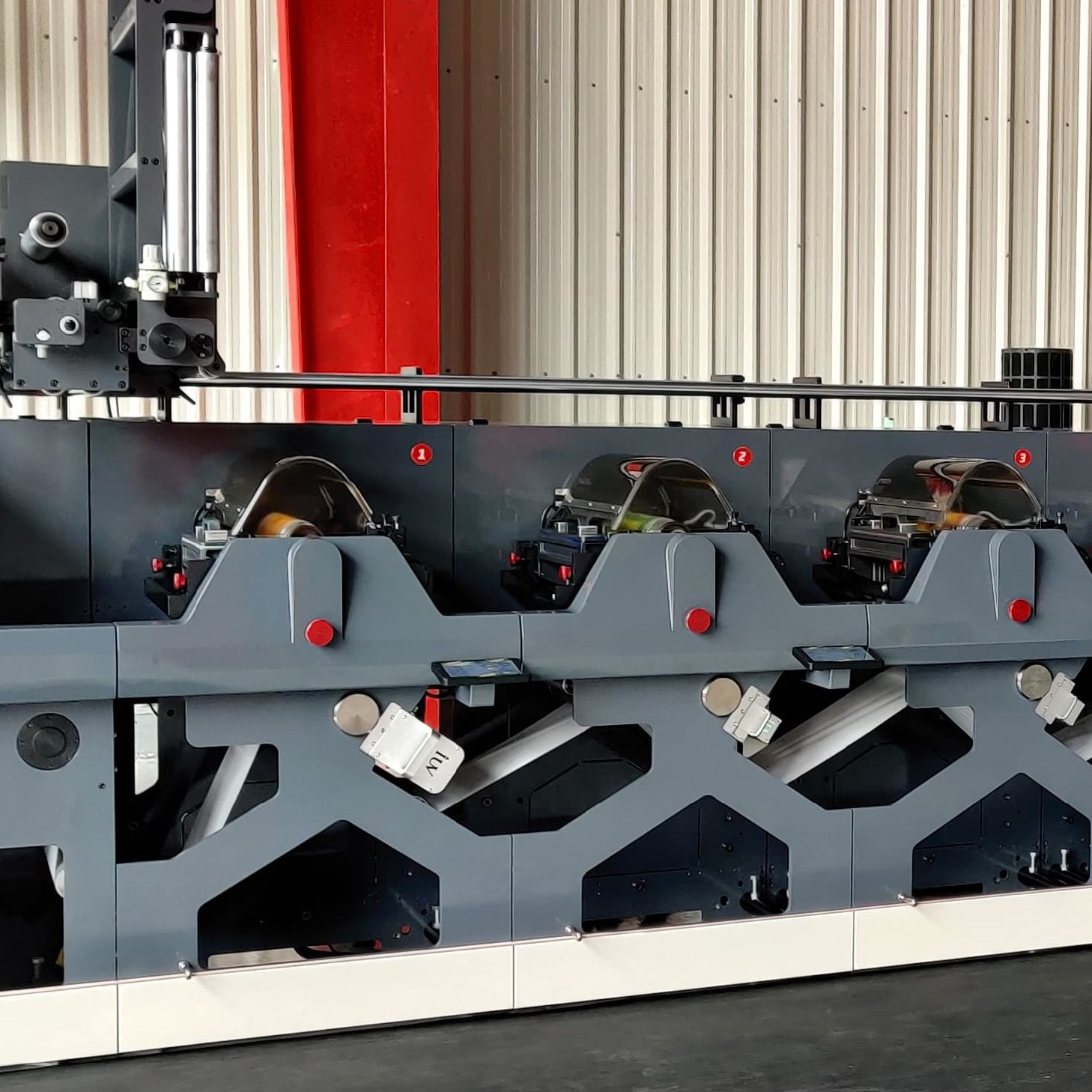
In modern label printing environments, including those operating with Nilpeter press platforms, integration enables synchronized curing control. This ensures that energy delivery is optimized for each stage of the printing process.
By aligning curing performance with press operation, energy is used more effectively, reducing waste and improving overall efficiency.
Enhanced Substrate Compatibility Reduces Waste
Energy efficiency is not only about power consumption. It also includes reducing material waste caused by defects. Excessive heat from mercury UV systems can damage heat-sensitive substrates, leading to rejected prints and wasted material.
UV LED curing systems operate at lower temperatures, improving compatibility with thin films, pressure-sensitive materials, and sensitive coatings. This reduces the likelihood of distortion, shrinkage, or adhesive failure.
In label printing, improved substrate stability leads to higher yield and less waste. Reduced waste contributes indirectly to energy efficiency by minimizing the need for reprints and additional processing.
Lower Cooling Requirements Simplify Press Design
With reduced heat generation, UV LED systems allow for simpler cooling infrastructure. Presses may require fewer chill rolls, smaller ventilation systems, or reduced air handling capacity.
This simplification lowers both installation and operational energy requirements. In compact narrow web systems, it also frees up space and improves accessibility for maintenance.
Lower cooling demand further reinforces the energy efficiency advantage of LED UV curing technology.
Supporting Sustainability and Environmental Goals
Energy efficiency plays a key role in meeting sustainability targets in the printing industry. Reduced power consumption leads to lower carbon emissions and improved environmental performance.
UV LED systems also eliminate ozone generation and reduce hazardous waste associated with mercury lamps. This aligns with regulatory requirements and corporate sustainability initiatives.
For label printers, adopting energy-efficient curing technology enhances both operational performance and environmental responsibility.
Conclusion
UV LED curing systems offer a comprehensive improvement in energy efficiency for label printers operating flexographic, offset, and narrow web production lines. Through targeted energy output, instant operation, reduced heat generation, and dynamic control, these systems minimize both direct and indirect power consumption.
In modern printing environments, including those utilizing advanced platforms such as Nilpeter presses, energy efficiency is closely linked to process stability and print quality. By optimizing curing performance while reducing energy use, UV LED technology supports both productivity and sustainability goals.
As the industry continues to demand higher efficiency and lower environmental impact, UV LED curing systems provide a reliable path forward for label printing operations.