High-speed flexographic printing has become the dominant production method for narrow web label printing, flexible packaging, shrink sleeves, and many industrial printing applications. As press speeds continue to increase beyond 150 m/min and even 250 m/min, curing performance often becomes the limiting factor in overall production efficiency. One of the most common technical challenges encountered by converters is incomplete UV curing, which can result in poor adhesion, reduced scratch resistance, surface tackiness, odor issues, and inconsistent print quality.
Understanding why high-speed flexographic printing UV curing fails requires a detailed examination of UV curing technology, UV ink chemistry, wavelength matching, UV dose delivery, temperature control, oxygen inhibition, and substrate characteristics. In most production environments, curing failures are rarely caused by a single factor. Instead, they are usually the result of multiple process variables interacting simultaneously.
Why High-Speed Flexographic Printing UV Curing Fails at Higher Production Speeds
The primary reason high-speed flexographic printing UV curing fails is that the available UV energy reaching the ink surface becomes insufficient as press speed increases.
UV curing is fundamentally a photochemical reaction. Photoinitiators inside UV inks absorb ultraviolet energy and generate free radicals that initiate polymerization. The speed and completeness of this reaction depend on both UV intensity and exposure time. As web speed increases, exposure time decreases significantly. If UV intensity remains unchanged, the total UV dose delivered to the ink layer may fall below the minimum energy threshold required for complete curing.
In practical label printing production, operators often increase press speed without recalculating UV dose requirements. A UV curing system that performs adequately at 80 m/min may struggle to achieve complete polymerization at 180 m/min. This explains why high-speed flexographic printing UV curing fails even when no obvious mechanical changes have occurred.
The problem becomes more severe when printing dense solids, high-opacity whites, metallic inks, or heavy ink laydowns commonly used in premium label applications.
The Relationship Between UV Wavelength and Ink Chemistry
Another major reason high-speed flexographic printing UV curing fails is improper wavelength compatibility between the UV source and the ink formulation.
Modern UV LED curing systems typically operate at 365 nm, 385 nm, or 395 nm wavelengths. Each photoinitiator package has its own absorption characteristics. If the emitted wavelength does not match the photoinitiator absorption curve, curing efficiency decreases significantly.
In narrow web label printing, 395 nm LED systems have become widely adopted because they offer high electrical efficiency and stable irradiance output. However, not all UV inks are optimized for this wavelength. Some formulations designed for conventional UV systems may require different photoinitiator blends to achieve full polymerization under LED exposure.
When wavelength compatibility is poor, operators often compensate by reducing press speed or increasing lamp power. These adjustments may temporarily improve cure performance but do not solve the underlying chemical mismatch.
This is one of the most overlooked reasons why high-speed flexographic printing UV curing fails despite apparently sufficient UV output.
Oxygen Inhibition and Surface Cure Defects
Oxygen inhibition remains a critical challenge in UV curing technology, particularly at high production speeds.
During polymerization, atmospheric oxygen reacts with free radicals at the ink surface and interrupts the curing reaction. This phenomenon primarily affects the top layer of the ink film and can produce tacky surfaces even when deeper layers appear fully cured.
In flexographic printing, oxygen inhibition becomes increasingly problematic when printing varnishes, process colors, and low-migration formulations at high speed. The shorter exposure window reduces the system’s ability to overcome oxygen interference.
When operators observe poor rub resistance, low scratch resistance, or incomplete surface cure, oxygen inhibition should be considered as a possible root cause.
Many cases where high-speed flexographic printing UV curing fails are incorrectly diagnosed as power-related issues when the actual problem originates from surface oxygen interaction.
Temperature Management and UV LED System Performance
Temperature plays a critical role in curing consistency.
Although UV LED curing systems generate significantly less radiant heat than conventional UV technology, LED junction temperature directly influences output stability. As temperature increases, irradiance output may gradually decline if thermal management is inadequate.
In high-speed label printing environments, curing units operate continuously for extended periods. Without efficient cooling systems, LED arrays may experience output fluctuations that affect UV dose delivery.
At the same time, substrate temperature must remain controlled. Excessive heat can distort thin films, shrink sleeves, and other heat-sensitive materials. Excessively low temperatures may increase ink viscosity and negatively affect wetting and adhesion characteristics.
Maintaining stable operating temperatures throughout production helps ensure consistent curing results and prevents situations where high-speed flexographic printing UV curing fails due to fluctuating energy output.
Material Compatibility and Ink Adhesion Challenges
Substrate characteristics significantly influence curing performance.
Modern label production frequently utilizes polypropylene films, polyethylene films, PET materials, synthetic papers, and multilayer packaging structures. Each substrate interacts differently with UV-cured ink systems.
Even when polymerization appears complete, insufficient adhesion may occur if surface energy levels are too low or if the substrate treatment process is inconsistent.
In many troubleshooting investigations, operators initially assume curing failure when the actual issue involves substrate adhesion performance. The distinction is important because increasing UV power will not necessarily improve adhesion if the root cause originates from material surface properties.
Successful curing requires proper interaction between UV dose, ink chemistry, and substrate compatibility.
Engineering Solutions for Improving Curing Efficiency
Addressing curing failures requires a systematic engineering approach rather than isolated parameter adjustments.
The first step is measuring actual irradiance and UV dose values rather than relying solely on machine settings. Production data should be correlated with press speed, ink coverage, and substrate type.
The second step involves verifying wavelength compatibility between UV LED curing systems and ink photoinitiator packages. Collaboration with ink suppliers often reveals optimization opportunities that significantly improve cure performance without reducing production speed.
The third step focuses on temperature stabilization and preventive maintenance. Cooling efficiency, optical cleanliness, and power supply performance should be monitored regularly to ensure consistent output.
When printing high-opacity white inks or heavy varnish layers, additional curing stations or higher irradiance systems may be necessary to achieve complete polymerization at maximum production speeds.
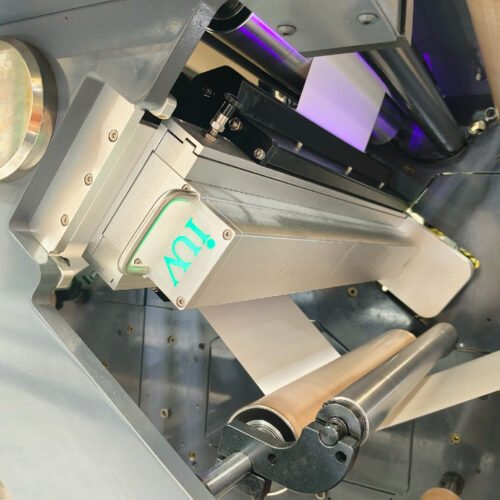
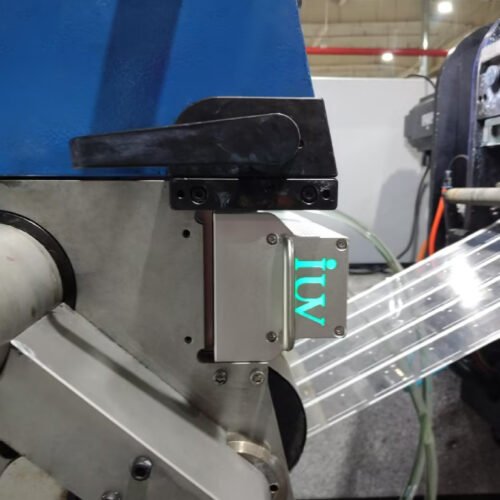
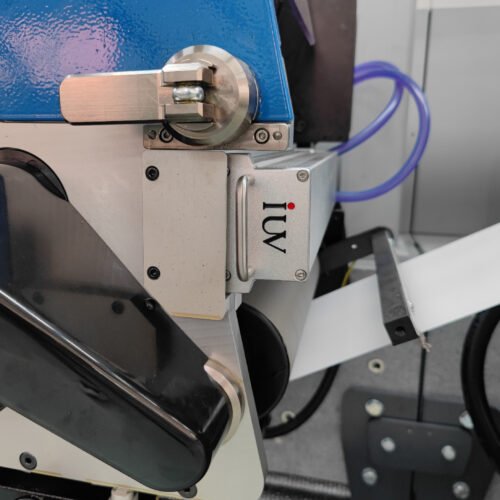
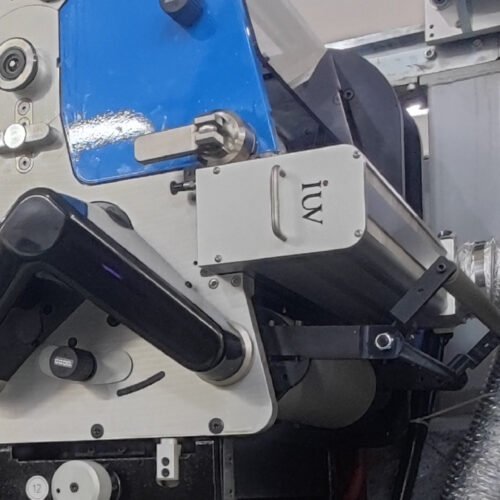
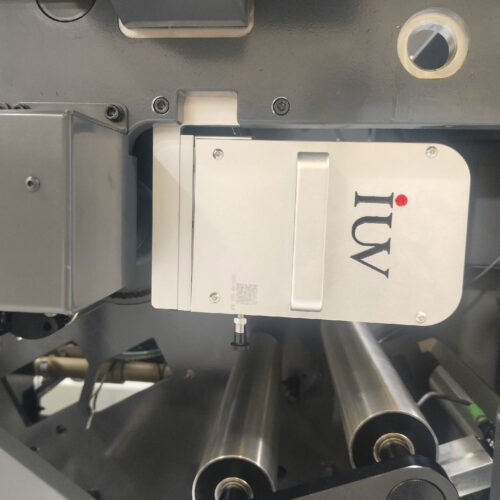
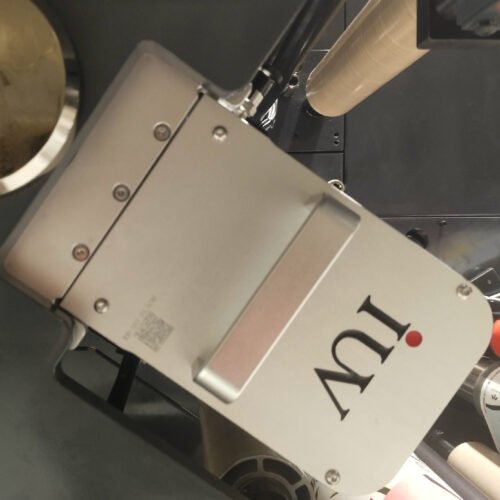
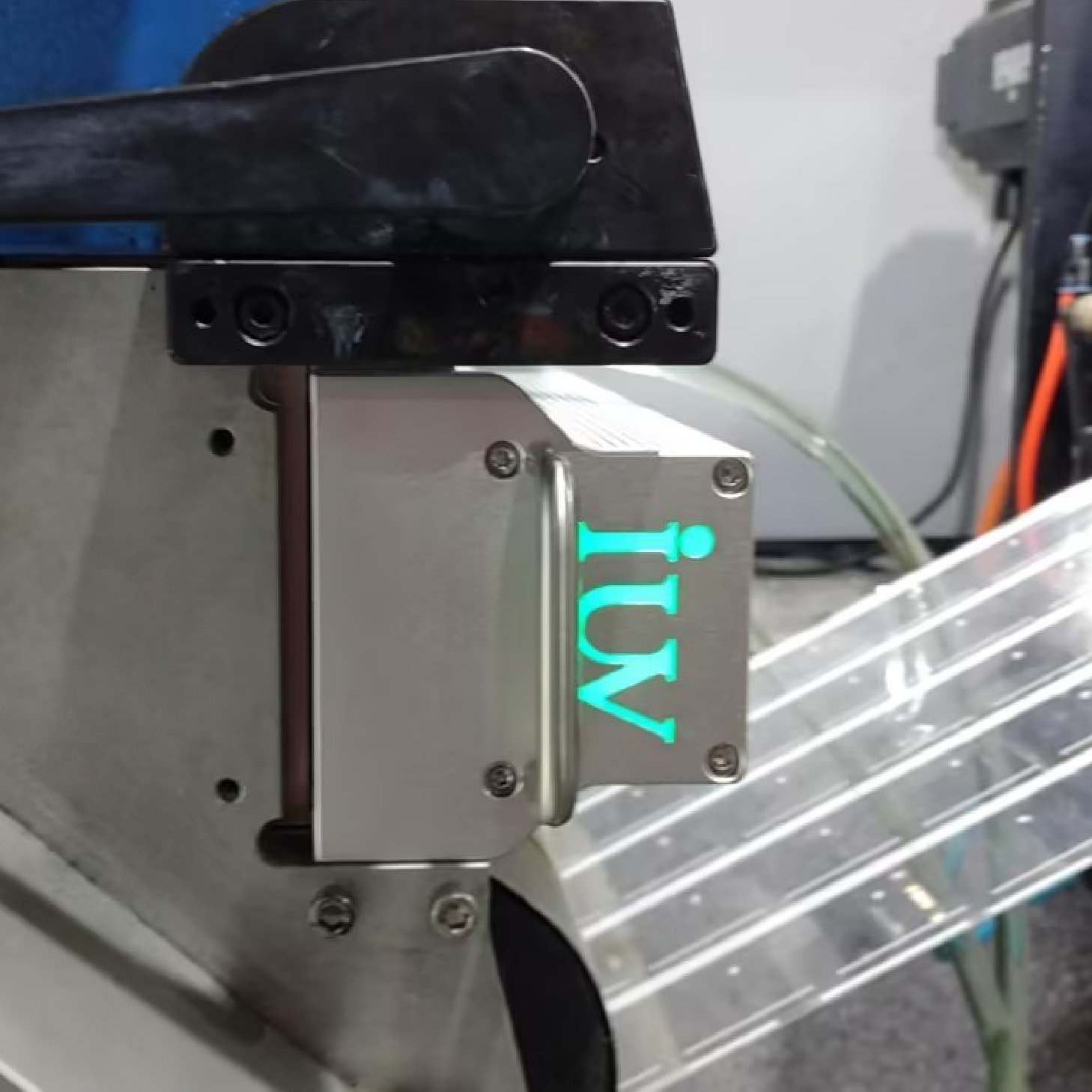
In applications where curing consistency, energy efficiency, and process stability are critical, UV LED systems equipped with intelligent power control, automatic width sensing, and modular architecture can provide additional process advantages. Industrial solutions such as the IUV LED UV curing system are designed to support high-speed label printing, flexographic printing, offset printing, and packaging converting operations while maintaining stable UV dose delivery and reducing overall energy consumption.
Conclusion
Understanding why high-speed flexographic printing UV curing fails requires evaluating the complete curing process rather than focusing on a single parameter. UV dose, wavelength selection, photoinitiator chemistry, oxygen inhibition, temperature control, substrate compatibility, and machine configuration all contribute to curing performance.
In modern narrow web label printing environments, successful UV curing depends on balancing these variables while maintaining high production speeds. When engineering teams approach curing challenges through measurement, process analysis, and system optimization, most curing failures can be eliminated without sacrificing productivity or print quality.
People Also Ask
Why does UV curing fail at high printing speeds?
Because increased press speed reduces exposure time, lowering the UV dose available for complete polymerization.
What causes tacky UV ink after curing?
Common causes include insufficient UV dose, oxygen inhibition, wavelength mismatch, or improper ink formulation.
Which wavelength is best for UV LED flexographic printing?
395 nm is widely used in narrow web label printing, but optimal performance depends on photoinitiator compatibility within the ink system.
How can curing efficiency be improved in flexographic printing?
By optimizing UV dose, selecting compatible inks, maintaining stable temperature control, improving cooling efficiency, and ensuring proper substrate compatibility.