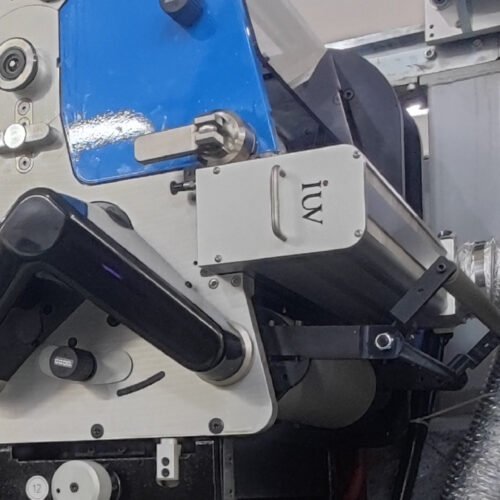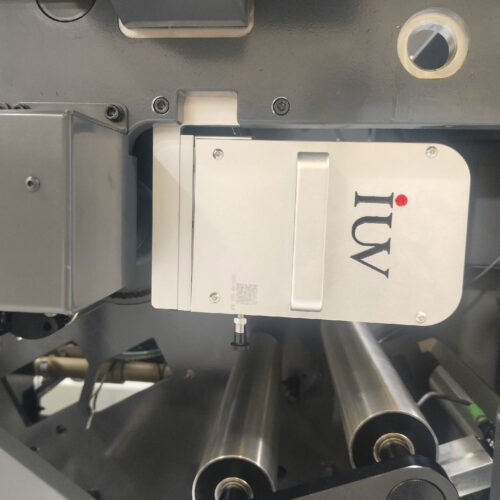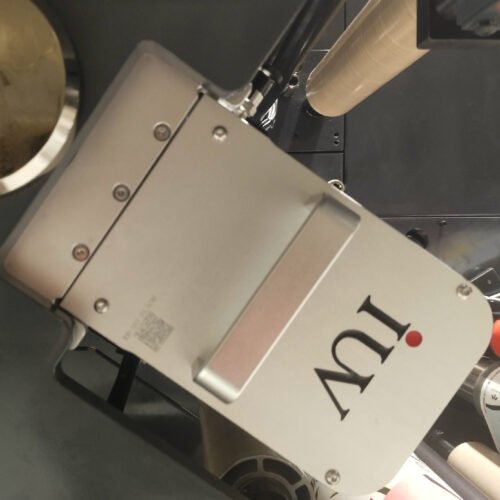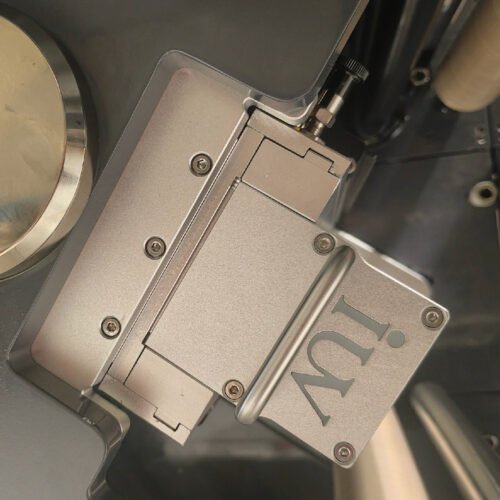
Guaranteeing robust ink adhesion across the myriad of materials used in modern packaging is a cornerstone of print quality and durability. From glossy coated papers and metallic foils to non-porous, low-surface-energy plastics like polyethylene (PE) and polypropylene (PP), each substrate presents a unique chemical landscape. Failures manifest as ink rub-off, cracking, or delamination, leading directly to costly waste, returns, and brand damage. This guide outlines a systematic, engineering-focused methodology to reliably ensure ink compatibility and superior adhesion. We will leverage the precision of modern LED-UV curing technology and intelligent process control to master this material diversity, transforming a common pain point into a repeatable, controlled process .
1. Foundational Principle: Surface Energy Dictates Adhesion
The battle for adhesion is won or lost at the molecular interface. The core concept is surface energy, measured in dynes per centimeter (dynes/cm). For a liquid ink to properly wet and form a strong bond, its surface tension must be lower than the substrate’s surface energy. Many untreated plastics, such as PE and PP, have surface energies below 30 dynes/cm, causing standard inks to bead up rather than spread. The first step in any compatibility check is to measure this property using dyne test pens or a contact angle analyzer. This immediate data point determines if pre-treatment is mandatory before any printing begins.
2. Step One: Implement a Rigorous Substrate Pre-Qualification Protocol
Assumption is the enemy of consistency. Establish a mandatory testing protocol for every new material entering your facility. Beyond surface energy, perform a practical drawdown test. Apply your standard UV ink to the substrate and cure it using your LED-UV system at a documented, controlled energy dose (J/cm²). Then, subject the sample to definitive physical tests:
- Cross-Hatch Adhesion (ASTM D3359): The industry benchmark. Score a grid pattern, apply specialized tape, and rip it off. High retention of the ink squares indicates excellent adhesion.
- Rub Resistance Test: Use a Sutherland Rub Tester or similar device to simulate handling and abrasion.
- Flexibility Test: For films and flexible packaging, bend or crinkle the cured sample. Check for any micro-cracking in the ink film.
Documenting these results creates a living library of material behavior. This library becomes your first line of defense against production failures, providing a clear go/no-go decision before a job hits the press.
3. Step Two: Strategic Selection of Ink Chemistry and Pre-Treatment
Once you understand the substrate, you must match it with the right ink system. For challenging plastics, you have two primary paths:
- Substrate Modification: Corona or plasma treatment is highly effective for flexographic and narrow-web printing. It physically oxidizes the surface, raising its energy and creating microscopic sites for mechanical anchoring.
- Ink Formulation Adjustment: Collaborate with your ink supplier to select formulations engineered for low-surface-energy substrates. These inks contain specific oligomers and monomers with inherently lower surface tension.
A critical technical consideration for LED-UV is the spectral match. Traditional UV inks are formulated for the broad spectrum of mercury lamps. Using them under a single-peak-wavelength LED source (e.g., 385nm, 395nm) risks poor through-cure and weak adhesion . Insist on “LED-UV专用” inks where the photoinitiator package is optimized for your system’s peak output wavelength to ensure complete polymerization from surface to substrate interface.
4. Step Three: Precision Calibration of Curing Parameters
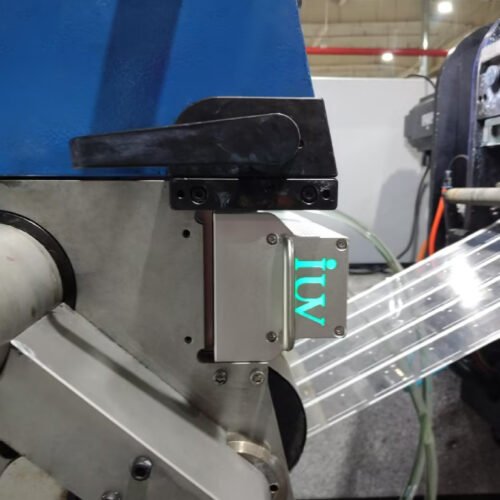
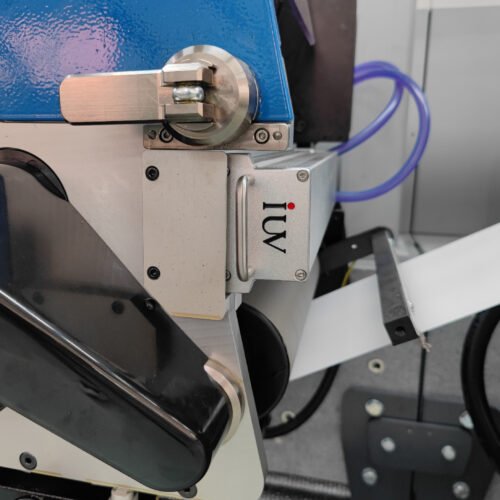
Even a perfectly matched ink and substrate will fail if the curing energy is incorrect. The goal is to deliver the Minimum Effective Dose (MED)—the precise energy required for full polymerization without under-curing or creating brittle over-cure. Modern LED-UV systems offer the control needed for this precision.
- Calibrate with a Radiometer: Map the irradiance (W/cm²) across the entire lamp width. High-end systems achieve uniformity within ±3%, ensuring edge-to-edge consistency .
- Establish the MED: For each ink-substrate pair, determine the lowest dose that passes all adhesion and durability tests. This maximizes energy efficiency and minimizes heat stress on sensitive films.
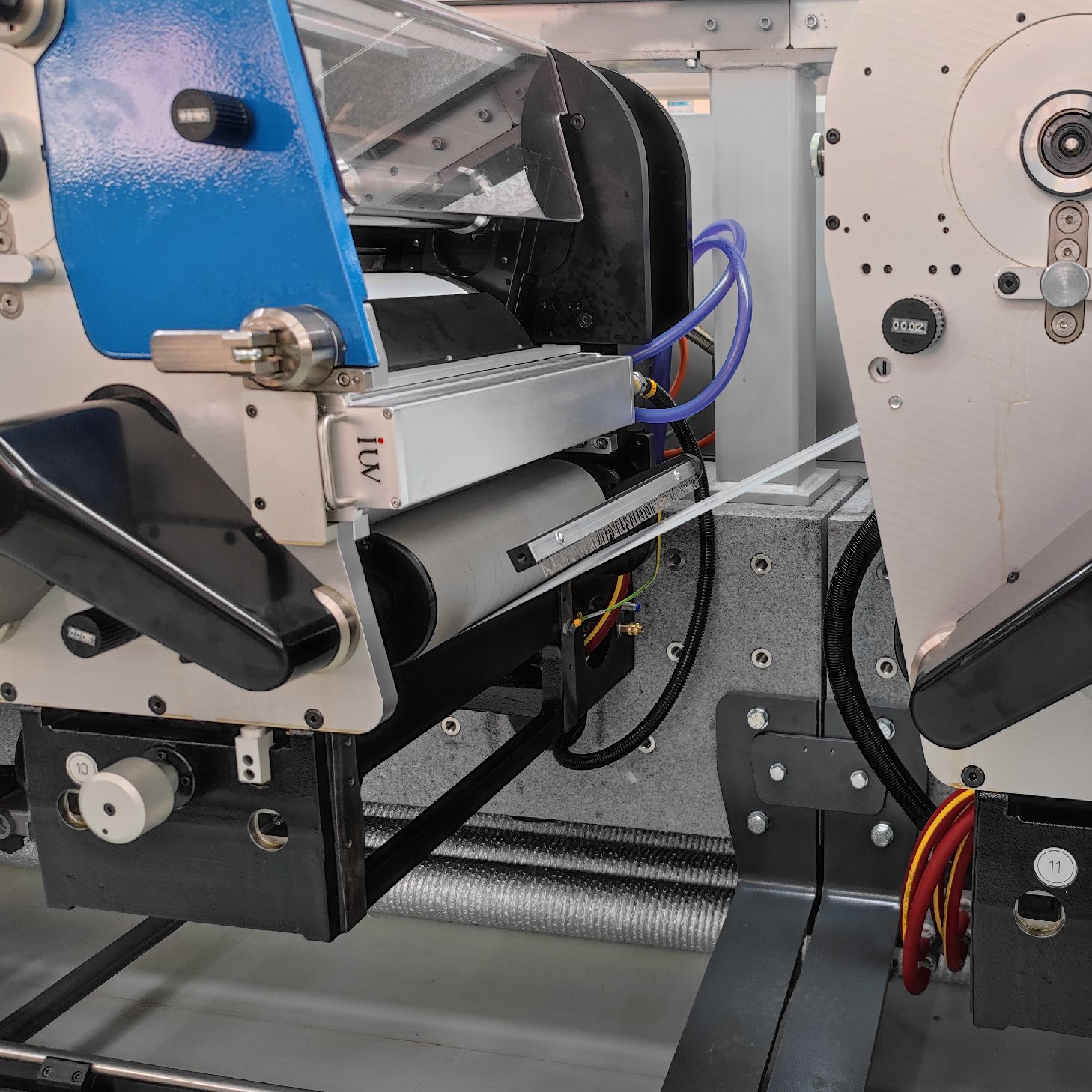
- Implement Intelligent Speed-Power Linking: In production, line speed varies. A system with smart control automatically adjusts UV power output in real-time to maintain the preset MED, locking in adhesion quality regardless of acceleration or deceleration .
5. Step Four: Integrate In-Line Monitoring and Proactive Control
Validation cannot stop at the lab door. Integrate process intelligence to safeguard adhesion during live runs. While direct adhesion sensors are not yet commonplace, you can monitor critical proxy variables.
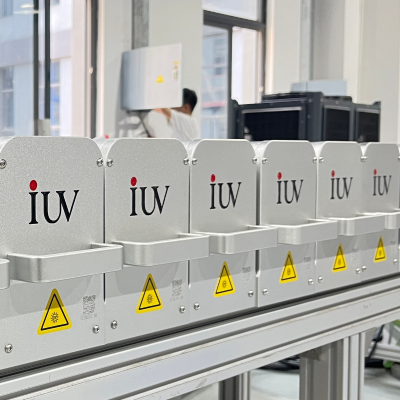
Advanced modular systems offer real-time remote diagnostics for parameters like LED junction temperature and power output . Stable thermal management, often via efficient water-cooling subsystems, is non-negotiable. It prevents output drift and ensures the calibrated curing parameters remain valid throughout long production shifts, protecting your adhesion integrity.
6. The Business Case: Sustainability and Total Cost of Ownership
Mastering adhesion is not merely a technical achievement; it is a powerful business driver. Every rejected roll due to poor adhesion represents pure material and energy waste. A robust, optimized LED-UV process directly advances sustainability goals by drastically reducing this waste stream.
Financially, the transition from traditional mercury lamps to intelligent LED-UV represents a shift from high operational expense to high efficiency. Proven metrics show potential savings exceeding 70% in electricity and up to 80% in maintenance costs over the system’s lifecycle . This drastic reduction in total cost of ownership, combined with the elimination of hazardous mercury waste and lamp disposal, delivers a compelling return on investment while meeting the stringent quality demands of today’s packaging market.
Conclusion: Building a Framework for Unshakeable Quality
Navigating the complex world of packaging substrates demands a disciplined, scientific approach. By instituting a rigorous pre-qualification protocol, respecting the fundamentals of surface science, strategically selecting ink chemistry, and harnessing the precise, intelligent control of modern LED-UV curing, converters can build an unshakeable foundation for quality. This methodology moves adhesion from a recurring, unpredictable problem to a managed, predictable process variable. It empowers you to confidently tackle any material—from standard papers to advanced biodegradable films—securing not just the ink to the substrate, but also your reputation and competitive edge in an unforgiving marketplace.