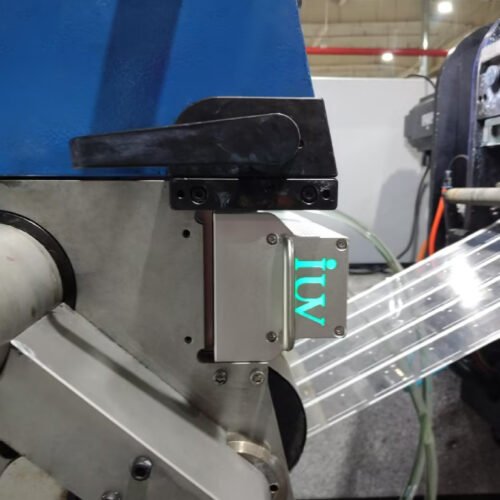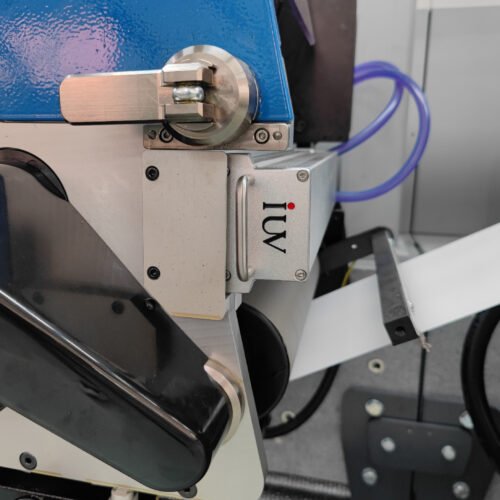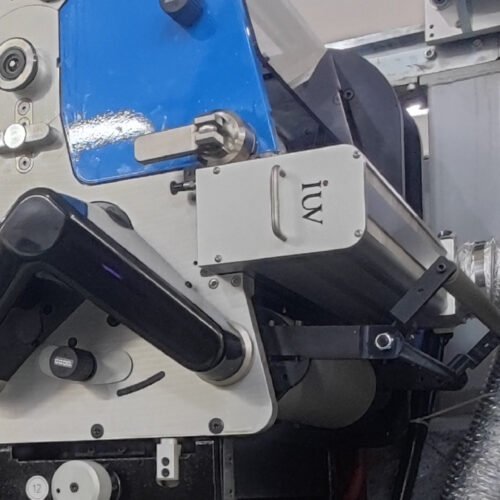
Retrofitting LED-UV curing systems onto existing flexographic presses is one of the most effective ways to improve productivity, reduce energy consumption, and enhance print stability in modern label production. However, success depends heavily on the quality of the pre-upgrade assessment. Without a structured evaluation, integration risks include curing mismatch, thermal imbalance, mechanical interference, and inconsistent ink performance across narrow web applications.
In label printing, flexible packaging, and narrow web flexography, press conditions vary widely. Substrate types, ink systems, and production speeds all influence how LED-UV behaves once installed. A proper assessment ensures the retrofit aligns with press capabilities, production goals, and curing requirements, especially when working with high-performance systems commonly found in advanced flexographic environments such as Nilpeter-based production lines.
Understanding the Purpose of a Pre-Upgrade Assessment
A pre-upgrade assessment is not simply a technical inspection. It is a full system evaluation that determines whether an existing press can support LED-UV integration without compromising print quality or mechanical stability. The goal is to ensure compatibility between curing technology and press architecture.
In flexographic and label printing systems, LED-UV curing introduces new thermal and electrical dynamics. Unlike traditional mercury UV systems, LED units require stable power delivery, controlled cooling conditions, and precise positioning relative to the substrate. These requirements must be validated before installation.
The assessment also defines whether modifications are needed in electrical systems, web paths, mounting structures, or ventilation layouts. A structured evaluation reduces downtime and ensures a smoother transition during retrofit execution.
Step 1: Evaluating Press Mechanical Compatibility
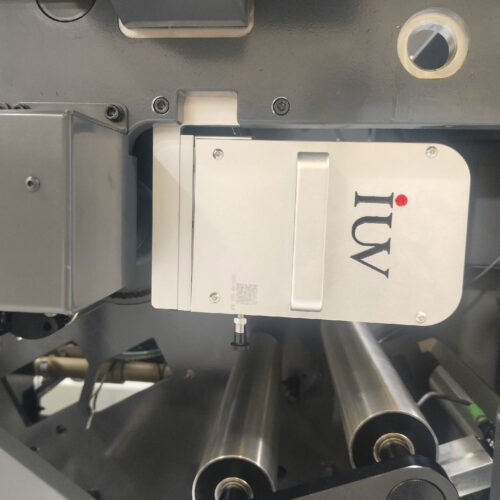
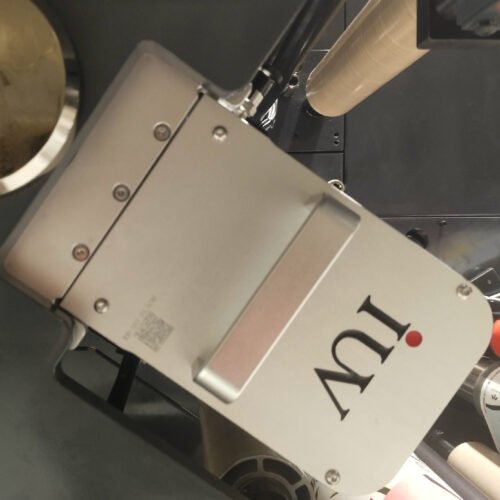
The first stage of assessment focuses on mechanical integration. Existing flexographic presses must have sufficient structural space and stability to support LED-UV curing units.
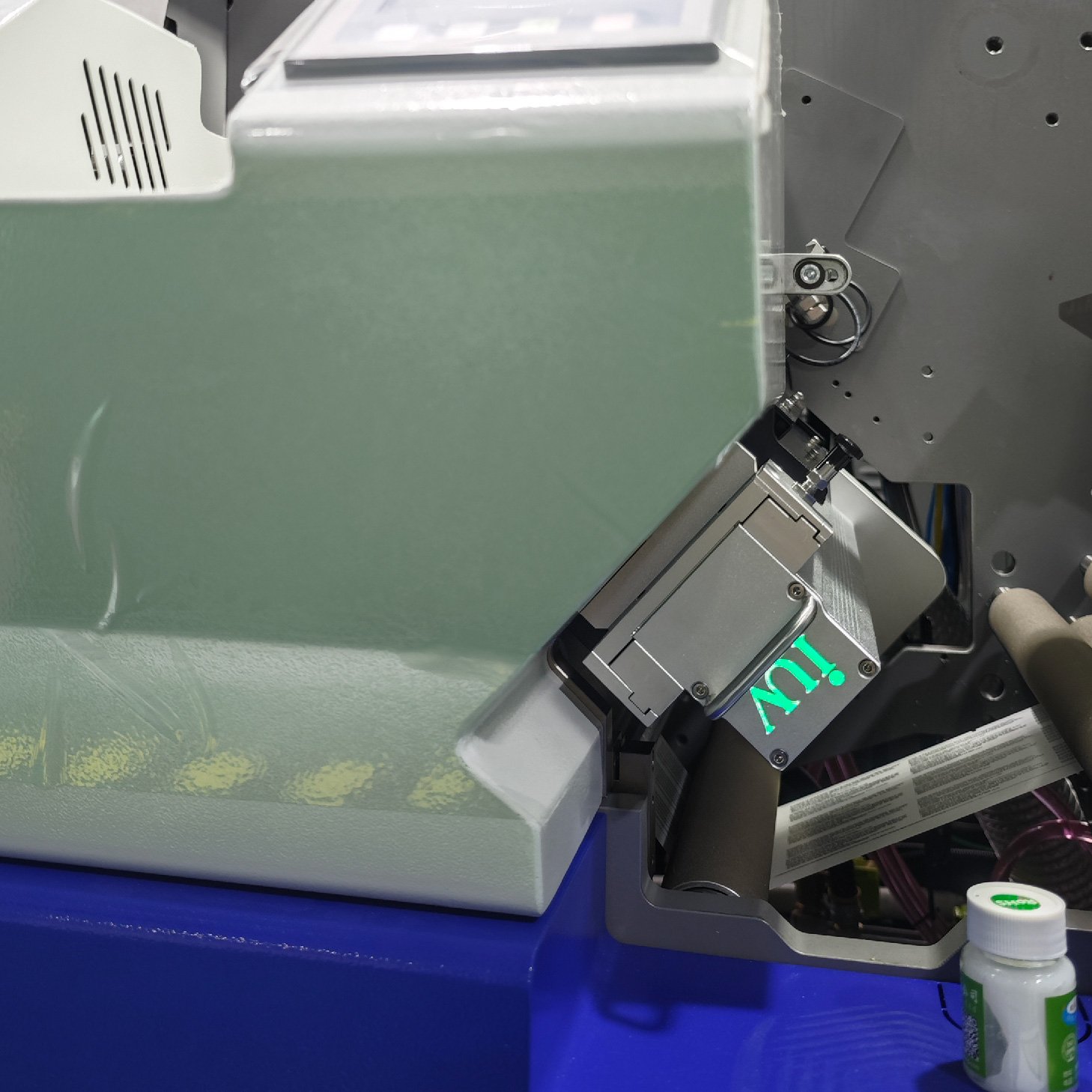
In narrow web printing environments, space constraints are common. The distance between print stations, drying sections, and rewind systems can limit installation options. LED-UV systems require precise positioning to ensure uniform irradiance across the web.
It is essential to evaluate mounting points, available clearance, and vibration stability. Any mechanical instability can affect curing uniformity, especially at high production speeds typical in label printing applications.
Press frame rigidity also plays a role. Older flexographic machines may require reinforcement to support the additional weight or altered load distribution introduced by LED modules.
Step 2: Assessing Electrical System Capacity
LED-UV systems operate differently from traditional UV lamps. They require stable, high-frequency electrical input and precise power regulation. A pre-upgrade assessment must include a full review of the press electrical infrastructure.
Key considerations include available power capacity, voltage stability, and compatibility with LED driver systems. In many retrofit cases, existing electrical panels may need upgrades to support additional load or to isolate curing system circuits from other press functions.
Electrical noise and grounding conditions should also be evaluated. In flexographic environments, unstable grounding can lead to inconsistent LED output or communication issues between control systems.
Ensuring electrical readiness is essential for maintaining consistent curing performance once the system is installed.
Step 3: Reviewing Thermal Management and Cooling Conditions
Thermal control is one of the most critical factors in LED-UV integration. Unlike mercury UV systems, LED units generate concentrated heat in a smaller footprint, requiring efficient cooling systems.
A pre-upgrade assessment must examine existing airflow paths, ventilation capacity, and ambient temperature conditions around the press. In narrow web label production, heat accumulation can occur quickly, especially in enclosed press configurations.
If air cooling is used, airflow volume and direction must be sufficient to prevent overheating. If liquid cooling is required, space for chillers, pumps, and coolant routing must be verified.
In high-speed flexographic systems, such as those used in partnership environments with Nilpeter presses, thermal stability directly affects curing consistency and substrate behavior.
Step 4: Analyzing Web Path and Substrate Behavior
LED-UV curing interacts directly with substrate movement and web tension. A pre-upgrade assessment must analyze the entire web path, including entry and exit points around the curing station.
Substrate types used in label printing vary significantly. Pressure-sensitive materials, unsupported films, and coated papers all respond differently to UV energy and heat exposure.
Web tension stability is critical. Any variation in tension can affect curing distance, leading to inconsistent polymerization or surface defects. The assessment should verify whether existing tension control systems are sufficient for LED-UV integration.
For multi-color flexographic printing, especially wet-on-wet applications, curing timing between stations must also be evaluated to ensure proper ink trapping and adhesion.
Step 5: Evaluating Ink and Coating Compatibility
LED-UV curing requires inks formulated for specific spectral output, typically centered around 365–405 nm wavelengths. A pre-upgrade assessment must confirm whether existing ink systems are compatible.
In flexographic label printing, ink viscosity, reactivity, and photoinitiator response all influence curing efficiency. If ink systems are not optimized for LED-UV, curing may be incomplete, leading to adhesion failure or surface defects.
Coatings used for gloss, protection, or functional layers must also be evaluated. Some coatings require higher energy input or different spectral distribution to achieve full polymerization.
A thorough compatibility check ensures that material performance aligns with LED-UV system capabilities.
Step 6: Assessing Optical Positioning and Irradiance Requirements
Proper positioning of LED-UV units is essential for achieving uniform irradiance across the web. During the assessment phase, the available installation geometry must be analyzed in detail.
Distance between the LED head and substrate affects curing intensity. Too far reduces energy density, while too close may create uneven exposure or thermal stress.
Reflective surfaces, shielding elements, and press enclosure geometry can also influence irradiance distribution. These factors must be considered before installation to avoid post-retrofit adjustments.
In narrow web systems, even small variations in irradiance can significantly impact print consistency, especially in fine screen flexographic work.
Step 7: Reviewing Control System Integration
Modern LED-UV systems are typically integrated into press control architectures. A pre-upgrade assessment must evaluate whether existing control systems can support communication with LED drivers and monitoring modules.
This includes compatibility with PLC systems, HMI interfaces, and production data monitoring tools. Integration allows operators to adjust curing intensity, monitor temperature, and track system performance in real time.
Without proper integration, LED-UV systems may operate independently, reducing efficiency and limiting process optimization capabilities.
Step 8: Production Workflow and Downtime Planning
A retrofit project must be aligned with production schedules. A pre-upgrade assessment should evaluate how installation will impact ongoing operations and identify optimal downtime windows.
In high-output label production environments, minimizing disruption is critical. Planning includes installation sequencing, testing phases, and operator training schedules.
Presses operating in continuous production, including those in collaboration with systems like Nilpeter-based installations, require carefully coordinated transitions to avoid production bottlenecks.
Step 9: Risk Analysis and Performance Forecasting
A structured assessment also includes risk evaluation. This involves identifying potential failure points such as overheating, curing inconsistency, electrical instability, or substrate mismatch.
Performance forecasting helps estimate energy savings, speed improvements, and quality enhancements after retrofit. This provides a clear justification for investment and helps align expectations between engineering and production teams.
Step 10: Final Readiness Evaluation
Before installation begins, a final readiness review consolidates all findings. This includes mechanical, electrical, thermal, and process compatibility checks.
Only when all systems meet defined thresholds should LED-UV retrofit proceed. This ensures stable integration and reduces the likelihood of post-installation adjustments.
A well-executed pre-upgrade assessment significantly increases the success rate of LED-UV retrofits in flexographic and label printing environments.
Conclusion
Conducting a structured pre-upgrade assessment is essential for successful LED-UV retrofitting on existing flexographic presses. It ensures mechanical compatibility, electrical readiness, thermal stability, and material alignment across all production variables.
In narrow web and label printing applications, where precision and consistency are critical, this evaluation step defines the long-term success of the upgrade. When properly executed, it enables smoother integration, improved print quality, and higher production efficiency across modern flexographic systems, including advanced platforms such as Nilpeter-based press configurations.