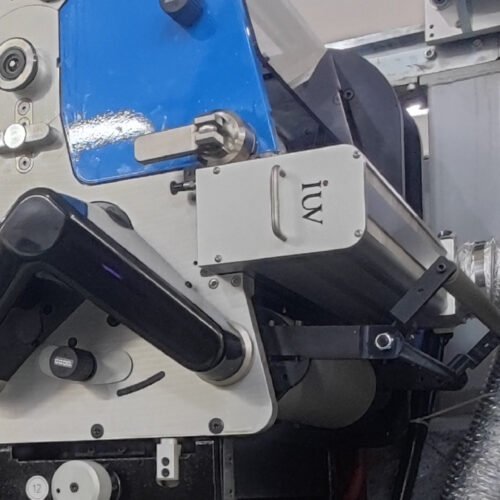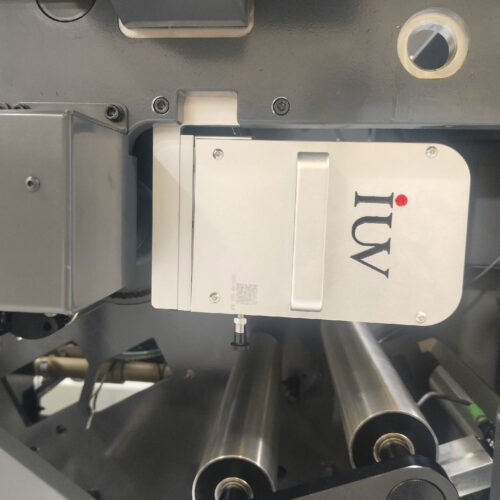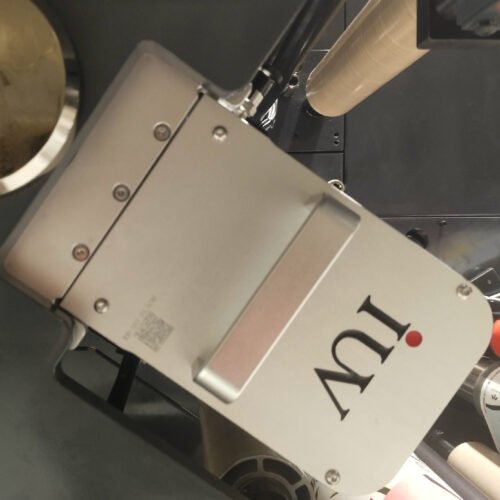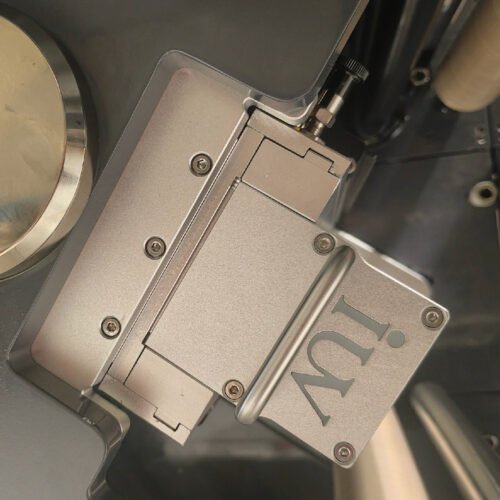
In offset printing system upgrades, UV LED curing has become a frequent retrofit topic, especially for plants running sheetfed offset, packaging printing, and hybrid offset-flexo lines. The question “What Is UV LED Curing and How Does It Work in Offset Printing System Upgrades?” is not only about replacing a light source—it is about rebalancing the entire printing process: ink chemistry, press temperature behavior, energy transfer, and curing window stability.
From an engineering standpoint, offset presses were originally designed around oxidation drying or conventional UV systems using mercury vapor lamps. These systems introduce broad-spectrum radiation and significant infrared heat load. When converting to UV LED curing systems, the curing physics changes fundamentally because the energy becomes narrow-band, wavelength-controlled, and thermally efficient.
UV LED Curing Principle in Offset Printing Environments
To understand “What Is UV LED Curing and How Does It Work in Offset Printing System Upgrades?”, it is necessary to start from UV curing technology itself. UV inks used in offset printing contain oligom ers, reactive monomers, pigments, and photoinitiators. When exposed to UV energy, photoinitiators absorb photons and generate reactive species that trigger polymerization.
In traditional mercury UV systems, the emission spectrum is wide, including UV, visible light, and infrared radiation. A large portion of this energy is wasted as heat. In UV LED curing systems, the emission is concentrated in specific wavelengths, typically 365 nm, 385 nm, 395 nm, or 405 nm. This allows direct interaction with selected photoinitiator absorption peaks, improving energy efficiency and reducing thermal load on the offset press.
In offset printing system upgrades, this difference is critical because sheetfed presses are highly sensitive to temperature stability, especially when running thin paper stocks or heat-sensitive packaging substrates.
Wavelength Matching and Ink Chemistry Compatibility
A key engineering factor in answering “What Is UV LED Curing and How Does It Work in Offset Printing System Upgrades?” is wavelength compatibility with UV ink chemistry.
Offset UV inks are formulated with photoinitiator systems that respond to specific UV LED wavelengths. If the wavelength does not match the absorption profile, curing efficiency drops even if irradiance appears sufficient. This is one of the most common failure points in retrofit UV LED systems.
For example, 395 nm systems are widely used in offset printing because they offer a balance between penetration depth and photoinitiator activation. However, high-opacity white inks, metallic inks, or heavily pigmented packaging inks often require adjusted formulations to ensure complete UV dose absorption.
This relationship between wavelength, UV ink chemistry, and UV dose defines whether an offset press upgrade will achieve stable production or experience curing inconsistency.
UV Dose Control in High-Speed Offset Printing
Another core element in “What Is UV LED Curing and How Does It Work in Offset Printing System Upgrades?” is UV dose management.
UV dose is the total energy delivered per unit area, determined by irradiance and exposure time. In sheetfed offset printing, press speeds vary depending on format size, substrate thickness, and production mode. If UV dose is insufficient, the ink may appear surface-dry but remain under-cured internally.
This condition leads to downstream issues such as blocking, poor scratch resistance, and reduced UV ink adhesion during folding, cutting, or lamination processes.
UV LED curing systems provide stable irradiance output, which is particularly important in offset environments where repeatability is essential. Unlike mercury lamps, which degrade over time and require frequent recalibration, LED systems maintain consistent output across long production cycles, improving process control.
Temperature Control and Mechanical Stability in Offset Presses
Offset printing is highly sensitive to thermal variations. Excess heat can cause paper expansion, register drift, and ink rheology changes. Traditional UV mercury lamps generate significant infrared radiation, which increases blanket cylinder temperature and impacts color stability.
A major advantage of UV LED curing systems in offset printing system upgrades is reduced thermal load. Because LED emitters produce minimal infrared radiation, press temperature remains significantly more stable.
From a mechanical engineering perspective, this improves register accuracy, reduces paper deformation, and allows printing on thinner or more temperature-sensitive substrates such as lightweight packaging boards and synthetic materials.
This thermal stability is one of the key reasons printers ask “What Is UV LED Curing and How Does It Work in Offset Printing System Upgrades?” when evaluating retrofit feasibility.
Oxygen Inhibition and Surface Polymerization Behavior
In UV curing technology, oxygen inhibition plays an important role in surface curing performance. Oxygen in the ambient air reacts with free radicals generated during polymerization, slowing down or partially inhibiting the curing reaction at the ink surface.
In offset printing, this is particularly noticeable in low-viscosity coatings and varnishes used for packaging applications. If oxygen inhibition is not properly managed, the surface may appear dry but remain tacky, leading to blocking issues during stacking.
UV LED curing systems help stabilize curing behavior by providing consistent spectral energy delivery. However, successful curing still depends on correct UV dose, ink formulation, and press airflow conditions. In retrofit projects, engineers often adjust reflector geometry, LED head positioning, and airflow management to reduce oxygen exposure at the curing interface.
UV Ink Adhesion and Substrate Compatibility
Another practical engineering aspect of “What Is UV LED Curing and How Does It Work in Offset Printing System Upgrades?” is UV ink adhesion performance across different substrates.
Offset printing covers a wide range of materials, including coated paper, uncoated paper, folding carton board, and synthetic films. Each substrate interacts differently with UV ink systems.
Poor adhesion often results from incomplete polymerization, incorrect surface energy matching, or insufficient UV dose penetration. In retrofit UV LED systems, maintaining consistent wavelength and energy density ensures proper cross-linking of the polymer network, improving adhesion strength and mechanical durability.
This is especially important in packaging printing, where post-processing operations such as die cutting, folding, and lamination impose mechanical stress on the printed layer.
Retrofit Integration Challenges in Offset Printing Systems
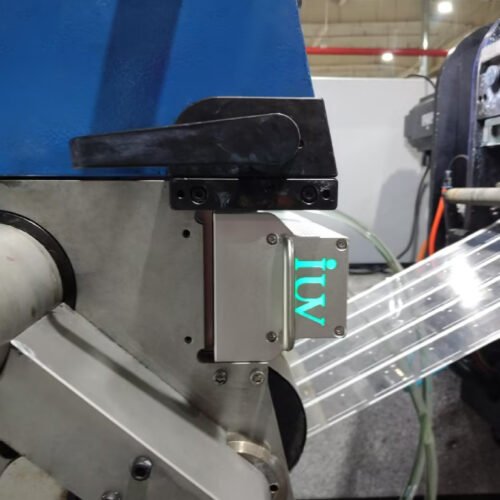
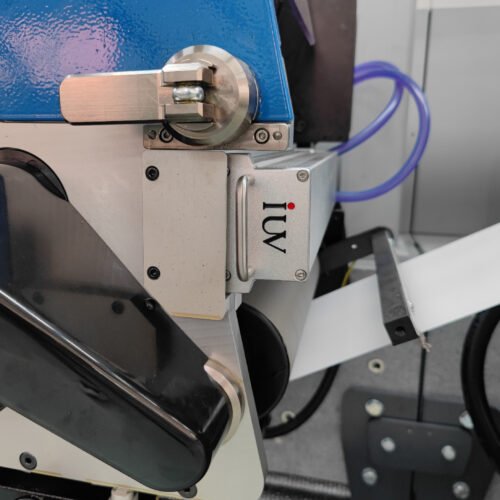
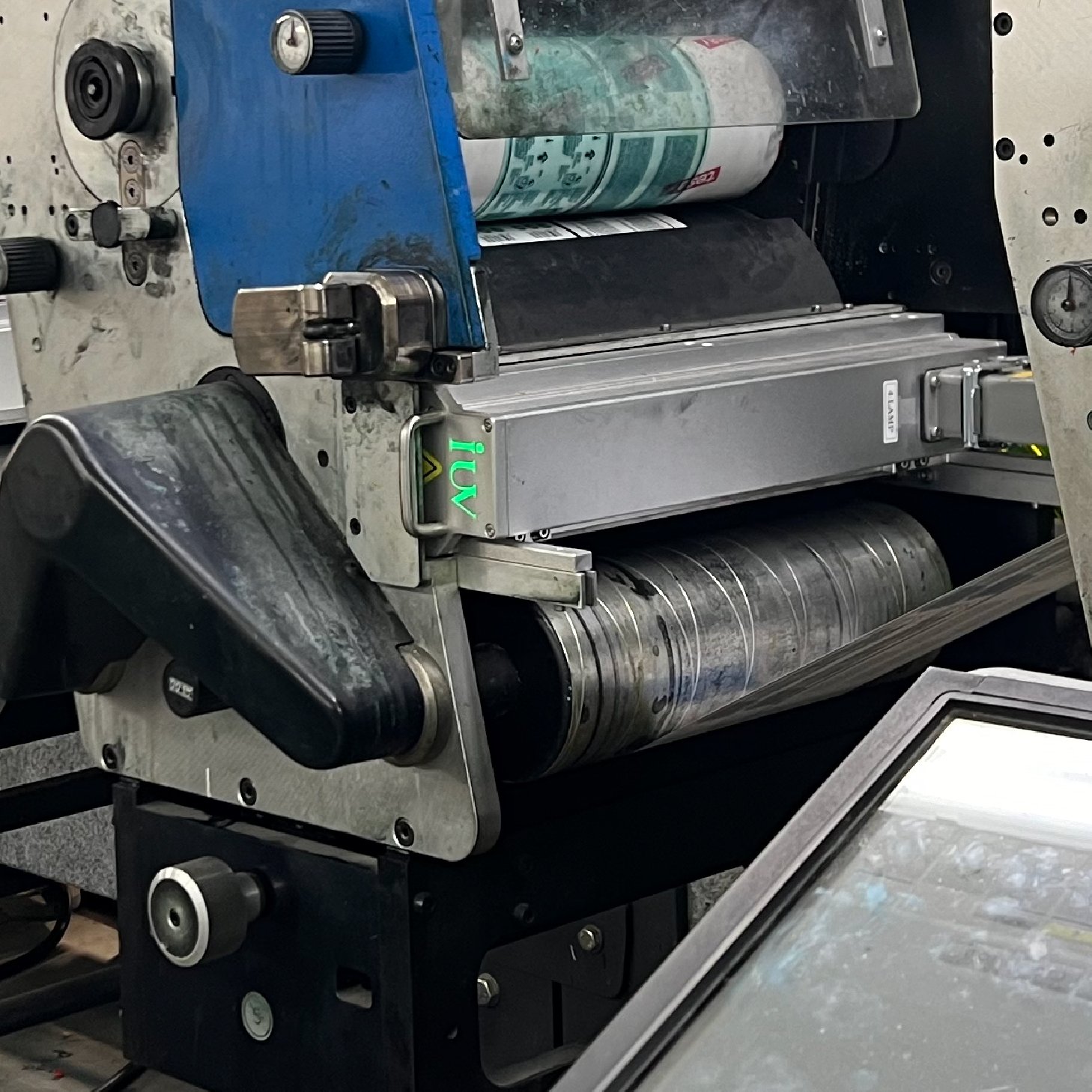
When upgrading an offset press with UV LED curing systems, engineers must evaluate electrical integration, cooling architecture, and mechanical mounting constraints. Unlike conventional mercury systems, LED modules require precise power control, stable thermal management, and optimized positioning relative to the ink transfer zone.
One common challenge is ensuring uniform curing across wide sheet formats. Uneven irradiance distribution can lead to inconsistent UV dose across the sheet width, affecting color uniformity and gloss consistency.
Another challenge is ink reformulation. Existing UV inks designed for mercury systems may not fully match LED wavelength output, requiring adjustments in photoinitiator packages.
These factors are central to understanding “What Is UV LED Curing and How Does It Work in Offset Printing System Upgrades?” in real production environments.
Process Stability and Long-Term Operational Performance
From a production engineering perspective, UV LED curing systems offer a more stable curing environment compared to traditional UV systems. Instant on/off capability eliminates warm-up time, reduces standby energy consumption, and improves press availability.
More importantly, the consistency of wavelength output ensures repeatable UV curing conditions across long production runs. This stability directly impacts color consistency, UV ink adhesion quality, and overall print reliability in offset printing system upgrades.
As offset printing continues to evolve toward hybrid and high-efficiency production models, UV LED curing is becoming a key enabling technology rather than a simple equipment replacement.