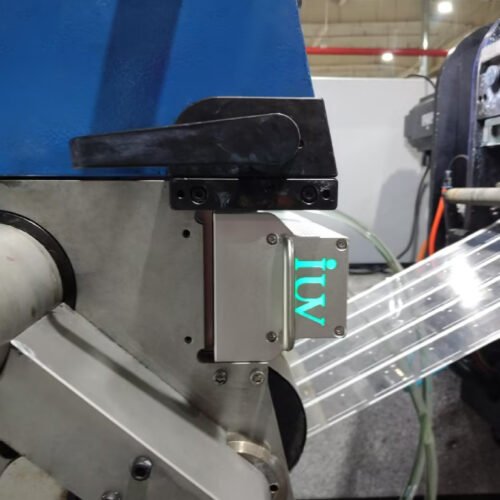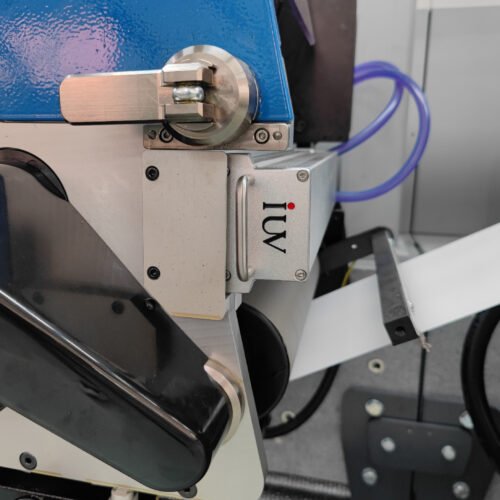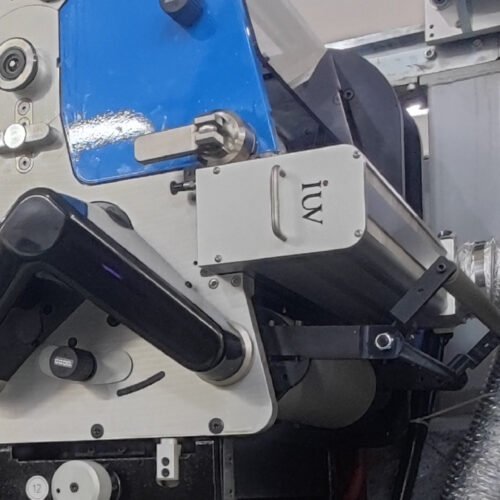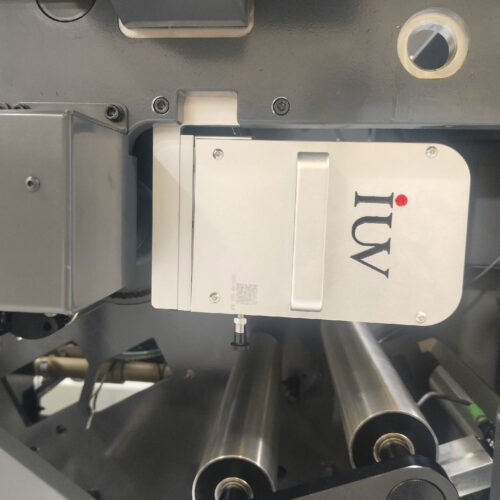
The landscape of industrial printing is defined by complexity. Today’s converters face a relentless demand for shorter runs, faster turnarounds, and diverse applications—from prime labels on clear film to intricate folding cartons with specialty effects. This environment places immense pressure on curing systems, the critical component that determines final print quality, adhesion, and production speed. For years, printers faced a binary choice: commit to the high-energy, broad-spectrum output of traditional mercury arc lamps or transition to the efficient, instant-on capabilities of LED-UV. However, a third path has emerged as a game-changer for operations handling complex print jobs: LED/Mercury Interchange Technology. This innovative approach is not merely an equipment feature; it represents a strategic operational asset that unlocks unparalleled flexibility, mitigates risk, and future-proofs the printing enterprise.
Beyond Either/Or: The Core Principle of Interchangeability
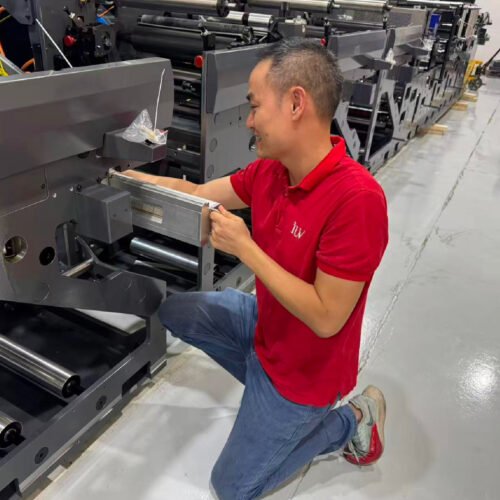
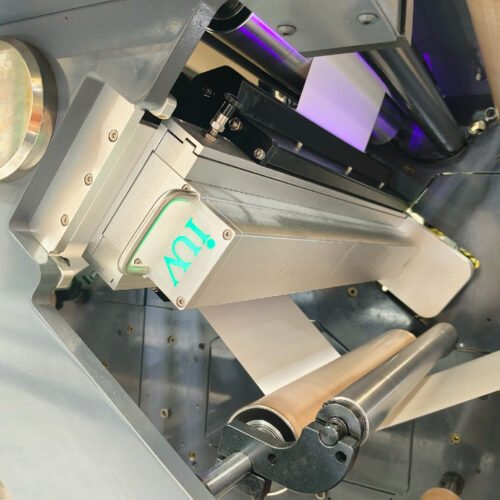
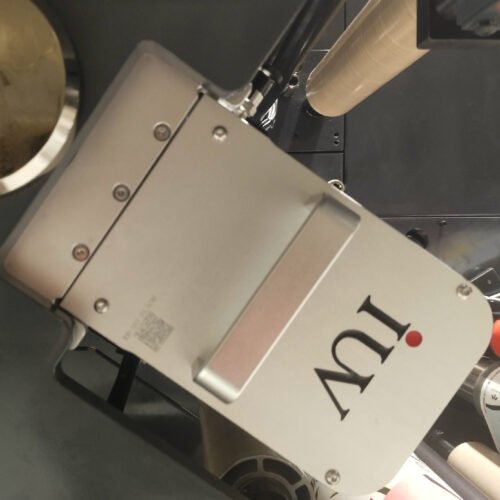
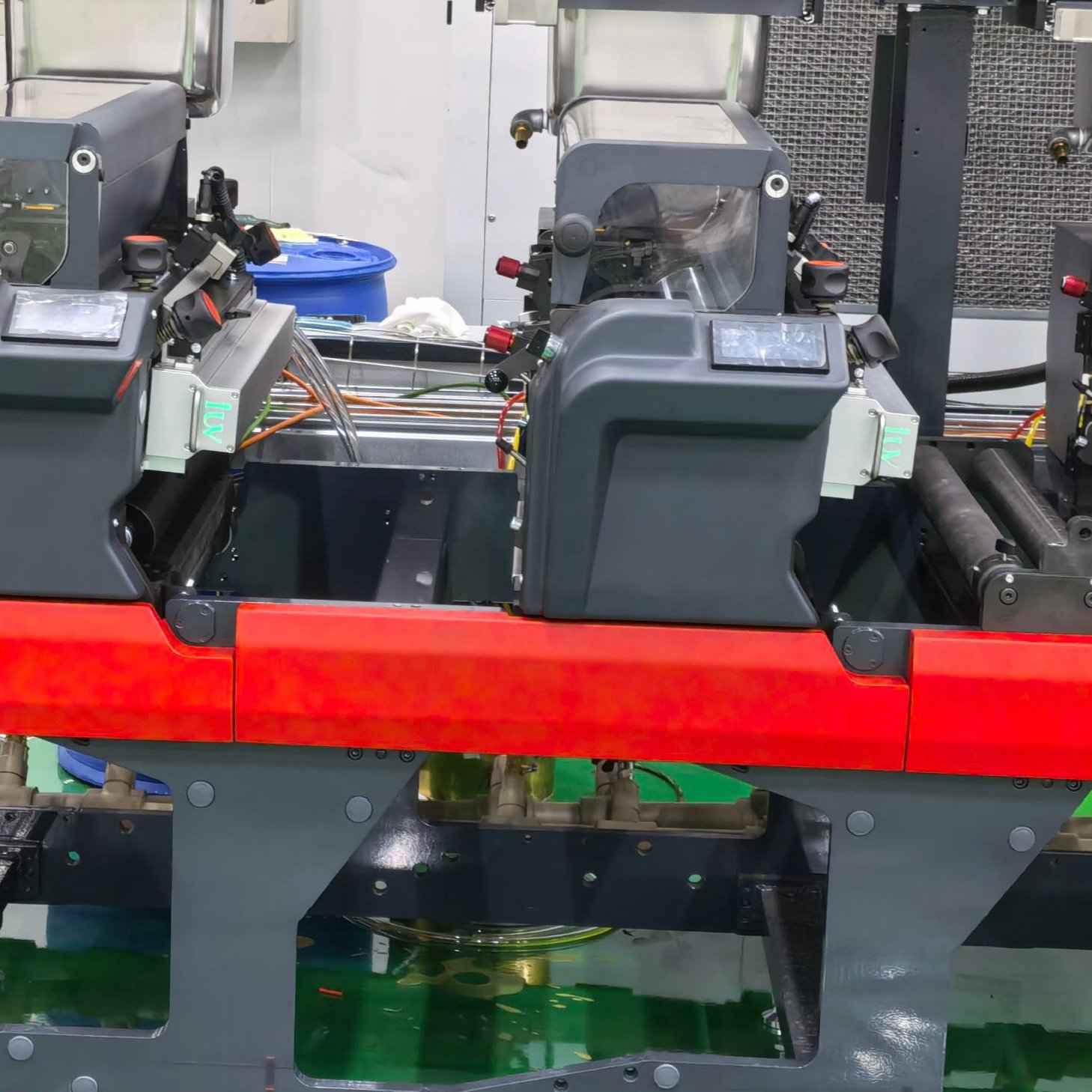
At its heart, interchange technology is a hardware and control system architecture that allows a single printing station to accept either a traditional mercury UV lamp module or an LED-UV lamp module. This is achieved through standardized mechanical interfaces, unified cooling connections, and intelligent power supply units that can automatically recognize and optimally drive either light source. The operator can physically swap modules, often in a matter of minutes, without requiring extensive re-wiring or re-calibration of the entire press. This capability transforms a fixed production asset into an adaptable tool, empowering printers to select the optimal curing method for each specific job requirement rather than being constrained by a single technology’s limitations.
Taming Complexity in Flexographic and Narrow-Web Printing
Nowhere is this strategic advantage more evident than in the bustling realm of label and flexible packaging production. A typical narrow-web or mid-web flexo press might run a simple paper label in the morning, a durable polypropylene pouch in the afternoon, and a metallic-effect wine label with screen-printed varnish by evening. Each substrate and ink system has unique curing demands.
- Legacy Ink & Deep Cure Challenges: Certain opaque white inks, deeply pigmented colors, or legacy UV coatings formulated for mercury lamps may cure most reliably under the penetrating, full-spectrum energy of a traditional lamp. With interchangeability, printers can use the mercury module for these stubborn jobs without sacrificing the ability to run others.
- Heat-Sensitive Films & High Speed: For thin PE or stretchable films, the cool, instantaneous cure of LED-UV is irreplaceable to prevent distortion and enable blistering speeds. The ability to switch to LED for these jobs eliminates a major bottleneck.
- Multi-Process Job Integration: Modern presses often combine flexo with screen printing, cold foil, or lamination in-line. Interchange technology allows a printer to use a mercury lamp for a demanding screen varnish on one station while using efficient LEDs for color inks on others, all within the same job stream. This optimizes both quality and energy consumption simultaneously.
Strategic Value in Sheet-fed Offset for Commercial and Packaging
In sheet-fed offset, particularly in the wide-format segment serving the packaging and premium print markets, job complexity revolves around diverse stocks and special effects. A printer might need to handle cardboard, synthetic papers, and metalized boards in the same week. The mercury lamp’s proven track record with a vast library of conventional UV inks and its effectiveness on porous, thick, or highly reflective substrates makes it a trusted workhorse. However, the economic and environmental pressure to adopt LED is strong. Interchange technology provides a seamless bridge. Printers can begin adopting LED-UV inks for appropriate jobs, using the LED module for its superior energy efficiency and lack of ozone generation. For jobs where ink adhesion tests favor mercury or where existing ink inventories must be used, they simply switch back. This drastically de-risks the transition to LED, allowing a gradual, capital-efficient migration based on actual production needs rather than a disruptive, all-at-once overhaul.
Mitigating Risk and Ensuring Production Continuity
The strategic advantage extends deeply into operational risk management. Two critical pain points are addressed:
- Eliminating Vendor Lock-in and Obsolescence: By investing in an interchangeable platform, a printer is not locked into a single technology roadmap. As LED ink chemistries evolve and new wavelengths become standard, the printer can upgrade light engines independently. This protects the substantial investment in the press infrastructure itself.
- Unmatched Backup and Troubleshooting Capability: If an LED module requires service, the printer can temporarily install a mercury module to keep the press running, avoiding costly downtime. This dual-source capability is a powerful insurance policy for maintaining promised delivery schedules to clients, a factor whose value far exceeds the incremental cost of the interchangeable system.
The Financial Logic: Calculating Total Cost of Ownership (TCO)
Evaluating this technology requires looking beyond the initial purchase price. A true TCO analysis reveals its compelling logic. While the upfront cost is higher than a single-technology system, the long-term savings are multifaceted: drastic reduction in energy costs when using LED modules (with documented savings exceeding 50% in many cases); elimination of mercury lamp replacement costs and associated disposal fees; avoidance of revenue loss from downtime; and preservation of ink inventory flexibility. For a converter managing a diverse job portfolio, the interchange system often pays for itself by unlocking profitable jobs that would otherwise be declined or run sub-optimally.
The Path Forward: Intelligence and Integration
The future of this technology lies in deeper integration with press intelligence. Imagine a workflow where the prepress software, recognizing the ink sets and substrates defined in a job ticket, automatically suggests or even commands the press to configure the correct curing modules at each station. Companies like IUV are already advancing this frontier with systems that use real-time printing data to automatically adjust UV power, creating a truly responsive and intelligent curing environment. In this context, interchangeability becomes the physical enabler of a software-driven, agile manufacturing process.
Conclusion: A Strategic Imperative for the Modern Converter
In conclusion, LED/Mercury Interchange Technology is far more than a convenient option. For printers navigating the turbulent waters of short runs, complex specifications, and rapid technological change, it is a strategic imperative. It provides the ultimate toolkit for curing, granting the freedom to match the light source to the material, the ink, and the business requirement. It de-risks the inevitable transition to LED, ensures production continuity, and protects capital investments. In an industry where flexibility is synonymous with competitiveness, mastering the strategic advantage of interchangeable curing is not just smart—it’s essential for sustainable growth and resilience in the face of whatever complex print job comes next.