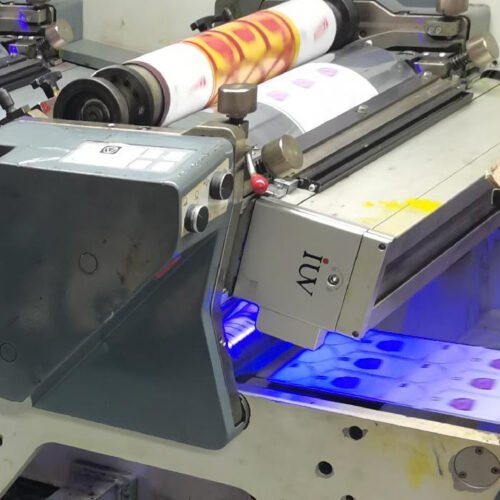
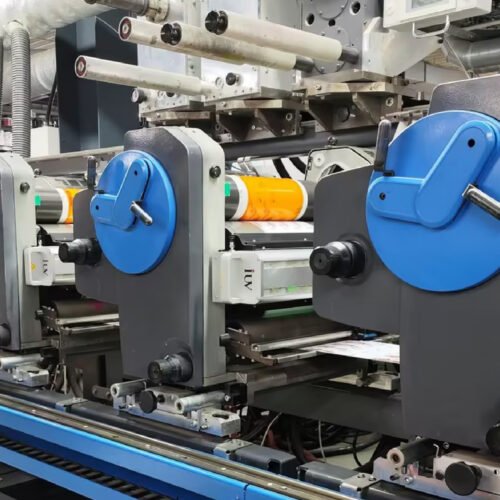
The printing industry is constantly evolving, and staying ahead means embracing new technologies. For label printers, particularly those working with flexographic presses, the transition to LED UV curing represents a significant leap forward. This guide delves into the benefits, process, and considerations involved in retrofitting existing flexo presses with LED UV technology, ensuring you can optimize your operations for efficiency, sustainability, and superior print quality.
The Rise of LED UV Curing in Flexography
Traditional UV curing systems, often employing mercury vapor lamps, have long been a staple in flexographic printing. However, LED UV technology has emerged as a powerful and compelling alternative. Unlike mercury lamps, LEDs offer a more targeted and efficient light spectrum, directly curing the UV-sensitive inks and coatings. This precise delivery of energy translates into a host of advantages for narrow web flexo printers.
Why Retrofit? Unpacking the Benefits of LED UV
The decision to retrofit an existing flexo press with LED UV technology isn’t taken lightly. It’s an investment driven by tangible benefits:
- Energy Efficiency: LED UV systems consume significantly less power compared to traditional mercury lamps. This translates directly into reduced electricity bills, a welcome relief for any printing operation.
- Extended Lamp Life: LEDs boast a much longer operational lifespan than mercury bulbs, which often require replacement after hundreds or a few thousand hours. LEDs can last for tens of thousands of hours, minimizing downtime and replacement costs.
- Reduced Heat Output: A major advantage of LED UV is their substantially lower heat emission. This is crucial for printing on heat-sensitive substrates, such as thin films and certain paper stocks, preventing material distortion and preserving print integrity.
- Instant On/Off Capability: LEDs achieve full cure intensity instantly upon activation and turn off immediately. This eliminates the warm-up and cool-down periods associated with mercury lamps, leading to faster job changeovers and reduced waste.
- Consistent Output: LED UV systems provide a stable and consistent energy output throughout their lifespan, ensuring predictable curing performance and reliable print quality across all production runs.
- Environmentally Friendly: The absence of mercury in LED technology makes them a more environmentally responsible choice, aligning with growing sustainability initiatives in the print industry.
- Improved Print Quality: The specific wavelengths emitted by LEDs can be tailored to optimize the curing of various UV inks and coatings. This leads to sharper dot definition, better ink adhesion, and a wider color gamut, especially beneficial in demanding label applications.
- Compact Design: LED UV curing units are generally more compact than their mercury lamp counterparts, offering greater flexibility in press integration, especially on narrow web flexo presses where space is at a premium.
The Retrofitting Process: A Step-by-Step Approach
Retrofitting a flexo press with LED UV technology involves careful planning and execution. While the specifics can vary depending on the press manufacturer and the chosen LED system, a general outline includes these key stages:
- Assessment and Planning:
- Press Compatibility: Evaluate your current flexo press to ensure it can accommodate the physical dimensions and power requirements of an LED UV system. Consult with press manufacturers or the LED system provider.
- Application Needs: Determine the specific curing requirements for your typical jobs. Consider substrate types, ink systems, desired print speeds, and special effects (like spot UV coatings).
- Choosing the Right LED System: Research different LED UV curing system manufacturers. Key considerations include wavelength output, power density, cooling methods (air or water), integration capabilities, and manufacturer support.
- System Selection and Procurement:
- Wavelength Matching: Select an LED system with wavelengths that precisely match the photoinitiators in your UV inks and coatings for optimal curing. Common wavelengths include 365 nm, 385 nm, 395 nm, and 405 nm.
- Power Density: Ensure the power density (irradiance) of the LED system is sufficient for your maximum press speeds and ink curing needs.
- Cooling System: Understand the cooling requirements of the chosen LED system. Air-cooled systems are common for narrow web, while water-cooled systems might be necessary for higher power or longer curing arrays.
- Installation and Integration:
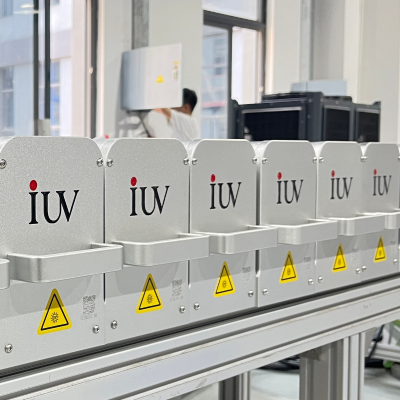
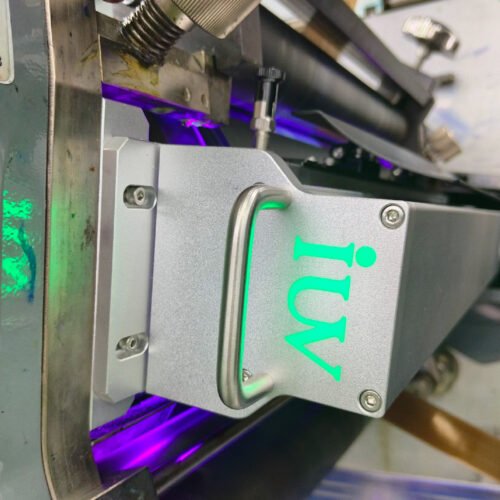
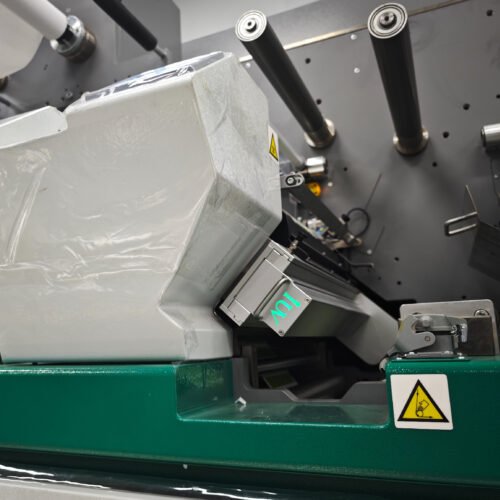
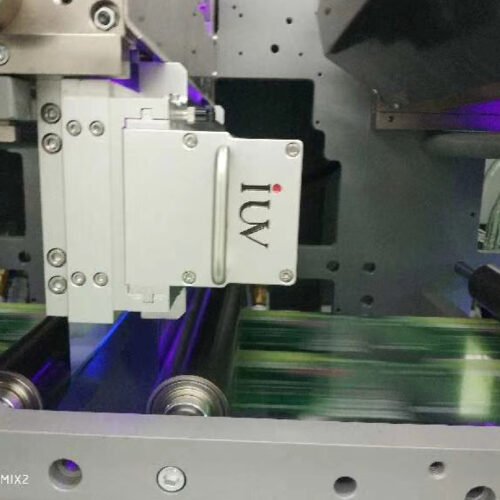
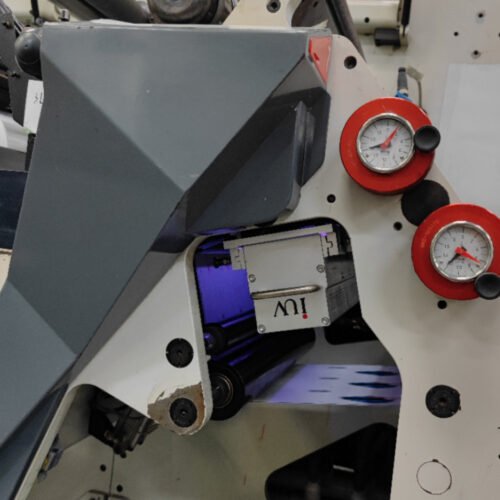
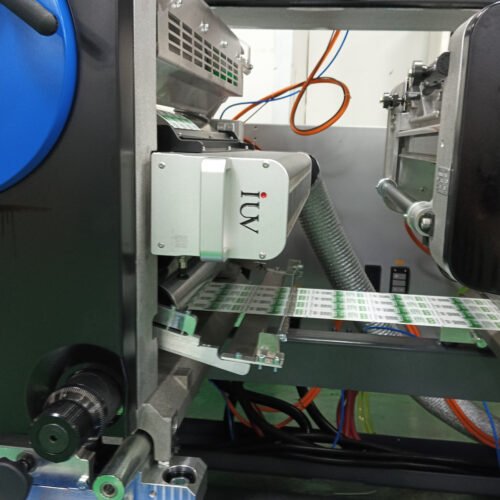
- Physical Mounting: The LED UV curing unit will be physically installed onto the flexo press, typically between print stations or at the end of the press. Careful positioning is vital for effective curing.
- Electrical Connections: Integrating the LED system with the press’s electrical controls is a critical step, ensuring proper power supply and interlocks.
- Cooling System Setup: If water-cooled, the necessary plumbing and circulation system will be installed. For air-cooled systems, ensure adequate ventilation.
- Interfacing with Press Controls: Seamless integration with the press’s control panel allows for easy operation, monitoring, and synchronization of the LED curing system with the printing process.
- Testing and Calibration:
- Initial Runs: Conduct test runs with various substrates and inks to verify curing performance.
- Cure Measurement: Utilize radiometers to measure the UV dose delivered to the substrate and ensure it meets ink manufacturer specifications.
- Print Quality Assessment: Evaluate print quality, checking for ink adhesion, scratch resistance, and color consistency.
- Speed Optimization: Fine-tune press speeds and LED power settings to achieve optimal curing without compromising print quality.
- Operator Training:
- System Operation: Ensure press operators are thoroughly trained on the new LED UV system’s operation, maintenance, and troubleshooting.
- Safety Procedures: Emphasize safety protocols, especially concerning UV light exposure and proper handling of equipment.
Key Considerations for Narrow Web Flexo Presses
Retrofitting narrow web flexo presses presents unique challenges and opportunities:
- Space Constraints: Narrow web presses often have limited space between print stations. The compact nature of LED UV units is a significant advantage here.
- Substrate Versatility: Narrow web printers often handle a diverse range of substrates, from paper to films and foils. The low-heat output of LEDs makes them ideal for these varied applications.
- High-Speed Demands: The label industry is characterized by high-speed production. LED UV curing’s instant on/off and consistent output are crucial for maintaining quality at these speeds.
- Cost-Effectiveness: While the initial investment in LED UV can seem substantial, the long-term savings in energy, consumables (lamp replacements), and reduced waste often make it a highly cost-effective upgrade for narrow web operations.
Understanding UV Curing: The Science Behind the Shine
UV curing is a photochemical process where ultraviolet light initiates a rapid polymerization reaction in UV-curable inks, coatings, and adhesives. This reaction transforms the liquid ink into a solid, durable film.
- Photoinitiators: These are key chemical compounds within UV-curable formulations. When exposed to UV light of specific wavelengths, they absorb energy and generate reactive species (free radicals or cations).
- Monomers and Oligomers: These are the building blocks of the ink film. The reactive species generated by photoinitiators initiate a chain reaction, linking these monomers and oligomers together into a solid polymer matrix.
- Wavelength Specificity: Different photoinitiators respond best to specific UV wavelengths. This is why selecting an LED system with the correct wavelength output is paramount for effective curing.
- Energy (Dose) and Intensity (Irradiance): Effective curing depends on both the total amount of UV energy delivered (dose, typically measured in mJ/cm²) and the rate at which it’s delivered (irradiance, measured in mW/cm²). LED systems provide controlled irradiance, allowing for precise dose delivery.
Choosing the Right LED UV System for Your Needs
When evaluating LED UV curing systems for retrofitting, consider these technical aspects:
- UV Wavelength: As mentioned, match the LED wavelength to your ink and coating systems for optimal cure. Consult with your ink supplier for recommendations.
- Power and Uniformity: Ensure the system provides sufficient power density (irradiance) to cure your inks at your desired press speeds. Uniformity across the illuminated width is also critical for consistent print quality.
- Cooling Method: Understand whether an air-cooled or water-cooled system is best suited for your press configuration and environmental conditions.
- Control and Integration: The system should integrate seamlessly with your flexo press controls, allowing for easy adjustment of power and operational modes.
- Manufacturer Support and Warranty: Opt for reputable manufacturers who offer good technical support, training, and robust warranties.
The Future of Flexo Printing is Cured: Embracing LED UV
Retrofitting existing flexo presses with LED UV technology is more than just an upgrade; it’s a strategic move towards a more efficient, sustainable, and high-performing printing operation. By understanding the benefits, carefully planning the installation, and selecting the right technology, label printers can unlock new levels of productivity and print quality, positioning themselves for continued success in a dynamic market. The investment in LED UV is an investment in the future of your flexographic printing capabilities.