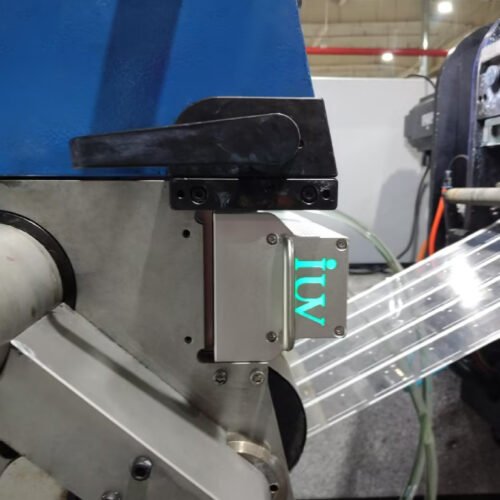
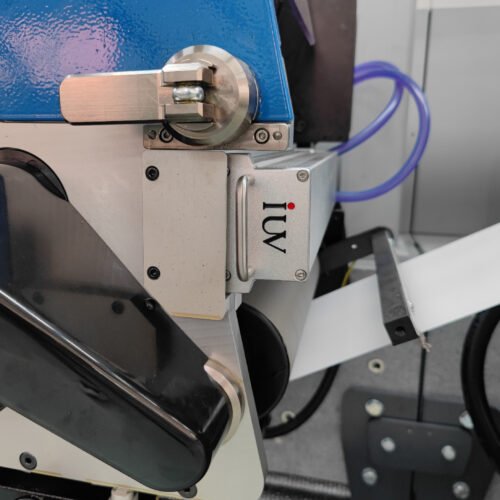
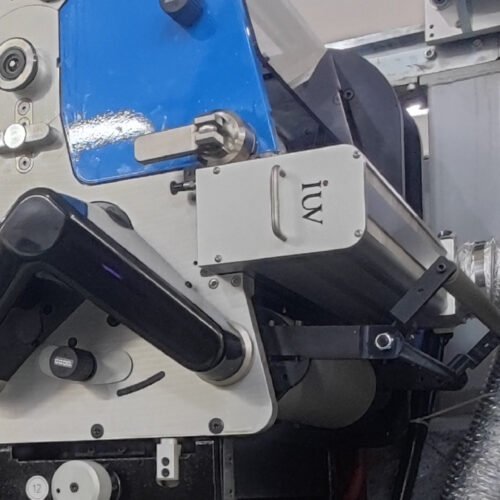
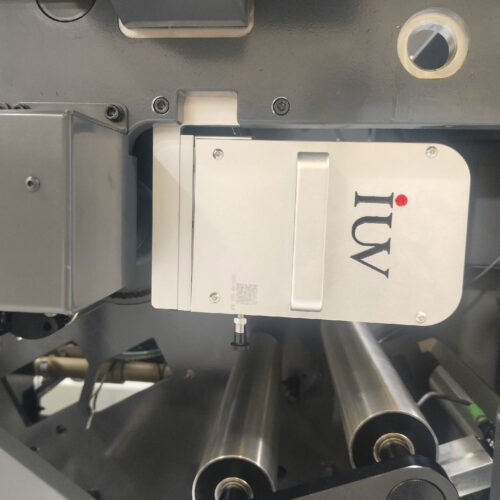
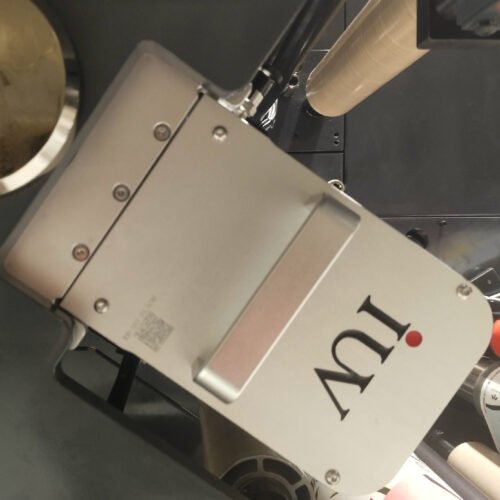
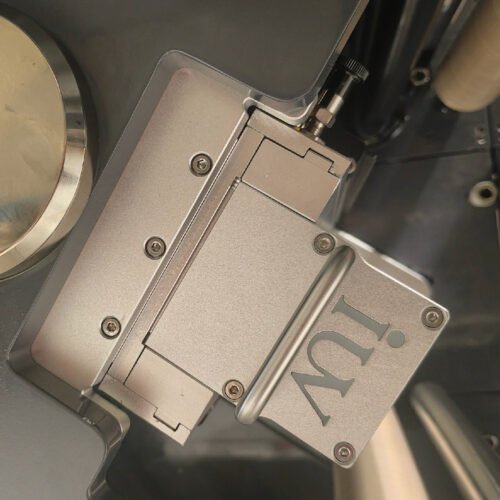
In the fast-paced world of high-volume label printing, efficiency is paramount. Every second saved, every waste reduced, and every process optimized directly impacts the bottom line. One area where significant gains can be made is in the UV curing process, particularly with the adoption of LED UV technology. This article delves into how label printers can maximize their LED UV curing efficiency, leveraging the unique advantages of this technology for flexographic, offset, and narrow web printing applications.
Understanding LED UV Curing for Labels
Traditional UV curing systems, often employing mercury vapor lamps, have long been a staple in label printing. However, LED UV technology offers a compelling alternative, presenting a host of benefits that translate to enhanced efficiency. Unlike mercury lamps that emit a broad spectrum of light, LEDs emit a narrow band of specific wavelengths. For UV curing, this typically means outputs centered around 365nm, 385nm, 395nm, or 405nm – wavelengths that are highly effective at initiating the photoinitiator molecules within UV-curable inks, coatings, and adhesives.
This targeted energy delivery means less wasted energy and faster, more consistent curing. For high-volume operations, this translates to higher press speeds, reduced downtime, and a smaller environmental footprint.
Key Advantages of LED UV in High-Volume Label Printing
- Energy Efficiency: LEDs consume significantly less power than traditional mercury lamps. This direct reduction in electricity usage contributes to lower operating costs, a critical factor in high-volume production environments.
- Instant On/Off: LEDs reach full power instantaneously, eliminating warm-up times associated with mercury lamps. This allows for immediate starting and stopping of the curing process, which is invaluable for print jobs with frequent start-ups and shutdowns, common in label printing.
- Longer Lifespan: LED lamps boast a much longer operational lifespan compared to mercury lamps, which degrade over time. This reduces the frequency of costly lamp replacements and associated downtime.
- Lower Heat Emission: LEDs generate considerably less heat than mercury lamps. This is crucial for printing on heat-sensitive substrates, commonly used in label production, and also helps to maintain a more stable printing environment, leading to better print quality.
- Consistent Output: LEDs provide a stable and consistent UV output over their lifetime, ensuring reliable curing performance job after job. This consistency is vital for achieving predictable results in high-volume runs.
- Targeted Wavelengths: The ability to select specific LED wavelengths allows for optimized curing of particular ink formulations, leading to faster cure speeds and improved ink adhesion and performance.
Maximizing Efficiency in Flexographic Label Printing
Flexographic printing is a dominant force in the narrow web label industry. Integrating LED UV curing into flexo presses can yield substantial efficiency improvements.
Substrate Considerations
The choice of substrate significantly influences UV curing. For high-volume flexo label printing, common substrates include paper, various films (BOPP, PE, PET), and some metallic foils.
- Paper: Generally absorbs UV energy well. LED UV curing is highly effective.
- Films: Translucent or transparent films can be more challenging as UV light can pass through without sufficient absorption. In these cases, it’s crucial to ensure the ink or coating has sufficient photoinitiator content and that the LED output is optimized for the specific formulation. Barrier coatings on films can also affect UV penetration.
- Metallic Foils: These highly reflective substrates can bounce UV light back. Proper ink formulation and precise LED positioning are key to ensuring adequate cure.
Ink and Coating Formulations
The success of LED UV curing hinges on the compatibility of the ink and coating formulations.
- Low-Migration Inks: In high-volume label printing, especially for food and pharmaceutical applications, low-migration UV inks are essential. These inks are designed to cure rapidly and minimize the potential for migration of uncured components. LED-curable low-migration inks are readily available and formulated to react efficiently with specific LED wavelengths.
- Photoinitiator Choice: Formulators select photoinitiators that are highly sensitive to the specific wavelengths emitted by the LEDs. This ensures rapid polymerization and a complete cure. Printers should work with ink suppliers to select formulations optimized for their chosen LED UV systems.
- Pigment Load: High pigment loads, common in vibrant label colors, can absorb UV light. This can lead to under-curing, especially in thicker ink films. Specialized LED-curable inks with higher photoinitiator concentrations or dual-cure systems might be necessary.
Press Optimization for LED UV
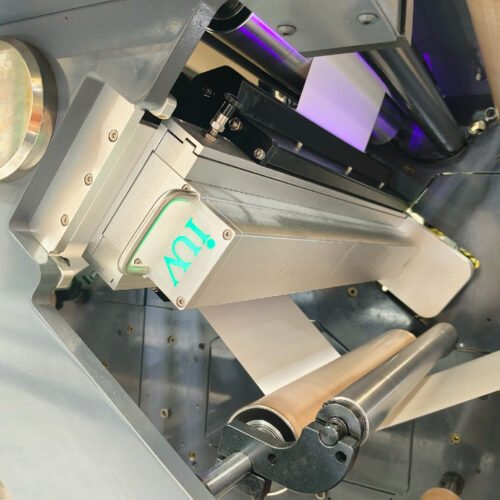
- Lamp Placement and Power: Strategic placement of LED UV lamps after each print station is critical. The intensity of the UV output (irradiance) and the total energy delivered (dose) are key parameters. Higher irradiance leads to faster surface cure, while a sufficient dose ensures through-cure. For high-volume, high-speed presses, it’s often necessary to have multiple LED units or higher-powered units to deliver the required UV energy.
- Cooling Systems: While LEDs generate less heat than mercury lamps, effective cooling is still vital to maintain optimal LED performance and extend their lifespan. Most LED UV systems come with integrated cooling solutions.
- Web Handling: Consistent web tension and speed are crucial for ensuring uniform exposure to UV light. Any variations can lead to inconsistent curing.
Maximizing Efficiency in Offset (Sheet-fed and Web) Label Printing
While flexography dominates narrow web, offset printing also plays a role in label production, particularly for higher quality graphics or specific applications.
Ink and Substrate Synergy
- Offset Inks: Specially formulated UV offset inks are required. Similar to flexo, these inks contain photoinitiators sensitive to LED wavelengths. The color intensity and opacity of offset inks can also impact curing. White inks, for instance, can be particularly challenging due to their high opacity.
- Substrate Diversity: Offset printing can handle a wider range of substrates, including coated and uncoated papers, plastics, and even some metals. The UV curing process must be adaptable to these variations.
Optimizing the Offset Press
- IR and UV Combinations: In some offset workflows, a combination of infrared (IR) drying and UV curing is used. LED UV units are often placed after the final color unit for a final cure.
- Cooling: For offset presses running at high speeds, managing heat build-up on the substrate is essential, even with LEDs. Efficient cooling systems are important.
- Ink Transfer: Ensuring optimal ink transfer in offset is fundamental. Inconsistent ink laydown can lead to uneven curing.
Maximizing Efficiency in Narrow Web Printing
Narrow web printing, largely synonymous with flexography for labels, presents unique opportunities and challenges for LED UV curing.
- Compactness: LED UV systems are often more compact than traditional UV systems, making them easier to integrate into the confined spaces of narrow web presses. This allows for more effective placement of curing units between print stations.
- High Speeds: Narrow web presses are designed for high-speed production. LED UV’s instant on/off capability and rapid cure speeds are perfectly suited to keep pace with these demands, avoiding bottlenecks.
- Minimal Heat for Sensitive Films: Many narrow web label applications use sensitive plastic films (PE, PP, PET). LED UV’s lower heat output is a significant advantage, preventing substrate distortion and allowing for faster production speeds without compromising material integrity.
Critical Parameters for LED UV Curing Success
To truly maximize efficiency, printers must pay close attention to several critical parameters:
- Irradiance (W/cm²): This measures the intensity of the UV light output. Higher irradiance leads to faster surface cure. It’s crucial to ensure the irradiance is sufficient for the ink/coating system at the press’s operating speed.
- Dose (J/cm²): This is the total amount of UV energy delivered to the substrate over time (Irradiance x Exposure Time). A sufficient dose is required for complete through-cure.
- Wavelength Compatibility: Ensuring the LED UV system’s peak output wavelength matches the absorption spectrum of the photoinitiators in the ink and coating is fundamental.
- Distance from Lamp to Substrate: UV intensity decreases with distance. Maintaining the optimal distance, as specified by the manufacturer, is vital for consistent curing.
- Cooling Effectiveness: Overheating LEDs can reduce their output and lifespan. Adequate cooling ensures consistent performance.
- Operator Training: Ensuring operators understand the principles of UV curing, the capabilities of the LED system, and how to monitor key parameters is crucial for consistent results and troubleshooting.
Troubleshooting Common Issues for Maximum Uptime
In a high-volume environment, minimizing downtime is key. Here are some common issues and how to address them to maintain peak LED UV curing efficiency:
- Poor Adhesion/Scratch Resistance:
- Cause: Insufficient UV dose, incorrect wavelength, or incompatible ink.
- Solution: Increase UV dose (speed down or lamp power up), verify wavelength compatibility with ink supplier, or switch to a more appropriate ink formulation.
- Tacky Surface:
- Cause: Insufficient surface cure, often due to oxygen inhibition (especially with acrylate-based inks).
- Solution: Increase irradiance, use an inerting system (e.g., nitrogen) if necessary, or use inks formulated to overcome oxygen inhibition.
- Substrate Distortion/Damage:
- Cause: Excessive heat from the UV lamps.
- Solution: Ensure adequate cooling, check lamp-to-substrate distance, or consider lower-power lamps if possible.
- Inconsistent Curing:
- Cause: Uneven web tension, variation in lamp output, or improper lamp placement.
- Solution: Ensure consistent web handling, regularly check and maintain LED lamp performance, and verify uniform lamp coverage across the web width.
The Future of LED UV in Label Printing
As technology advances, LED UV curing systems continue to evolve, offering higher power outputs, improved spectral control, and greater integration capabilities. For label printers focused on high-volume production, embracing LED UV technology is not just an upgrade; it’s a strategic imperative. By understanding the nuances of substrate, ink, and press integration, and by meticulously managing key curing parameters, label printers can unlock unprecedented levels of efficiency, quality, and profitability. The investment in LED UV technology, coupled with expert implementation, will undoubtedly pave the way for a more sustainable and productive future in label printing.