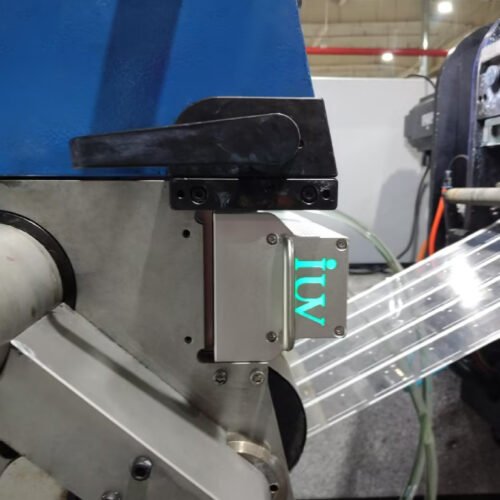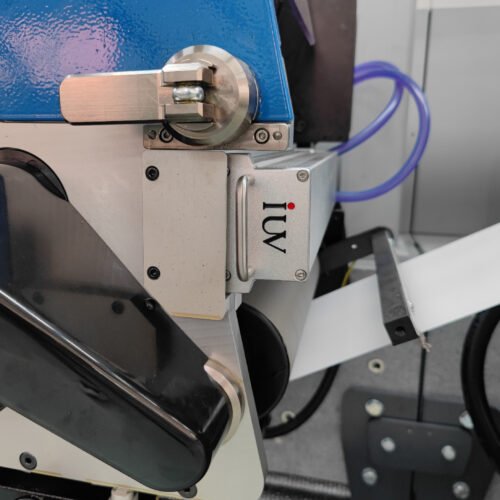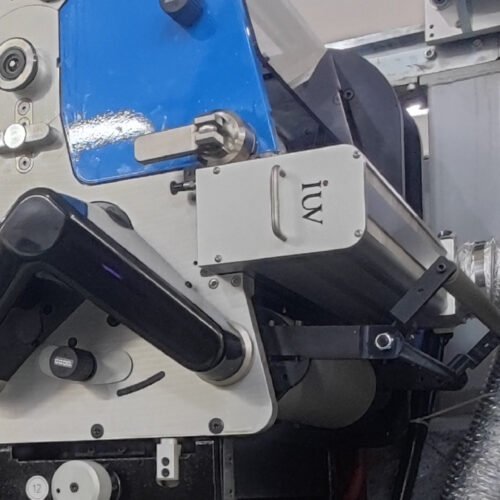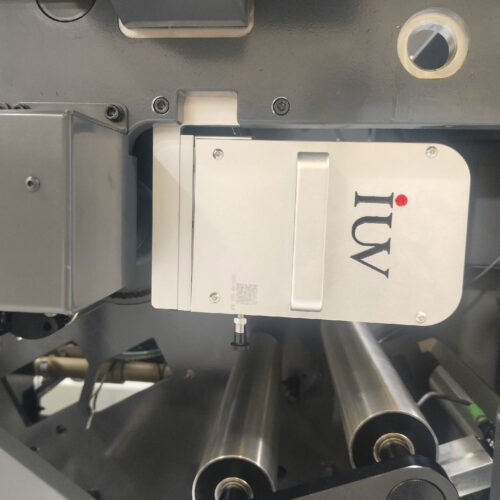
The narrow-web printing sector is continually seeking advancements to boost operational efficiency and reduce costs. Within this competitive landscape, the transition to LED UV curing technology presents a compelling opportunity for flexographic printers. This shift offers significant advantages, particularly in energy savings and overall process efficiency, fundamentally reshaping how narrow-web labels and packaging are produced.
The Evolution of UV Curing in Flexography
Traditional UV curing systems, often employing mercury lamps, have long been a staple in the printing industry. These lamps emit a broad spectrum of light, with a significant portion falling outside the wavelengths necessary for effective photoinitiator activation. This inefficiency translates directly into wasted energy and increased heat generation. Mercury lamps also have a finite lifespan and require frequent replacement and disposal, posing environmental and cost challenges.
Understanding LED UV Technology
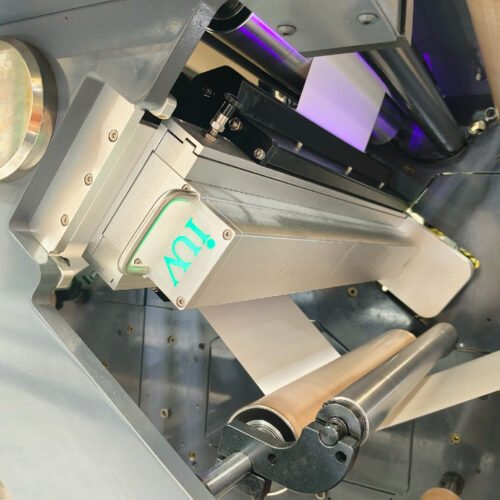
Light Emitting Diode (LED) UV curing utilizes solid-state semiconductor devices to emit light at specific, narrow wavelengths. This targeted emission precisely matches the absorption spectra of the photoinitiators used in UV-curable inks, coatings, and adhesives. The result is a much more efficient transfer of energy to the curing process. Unlike mercury lamps, LEDs offer a long operational life, robust durability, and instant on/off capabilities, contributing to a more streamlined workflow.
Quantifying Energy Savings
One of the most significant benefits of adopting LED UV technology in narrow-web flexo applications is the dramatic reduction in energy consumption. Traditional mercury lamp systems can consume substantial amounts of power, not only for the lamps themselves but also for the associated cooling systems required to manage the heat generated.
LED UV systems, by contrast, operate at considerably lower power levels. Their inherent efficiency means less energy is converted into unwanted heat. This direct reduction in electricity usage translates into lower operational costs month after month. Furthermore, the reduced heat output from LED systems can alleviate the burden on existing ventilation and air conditioning, leading to further energy savings within the print facility. For a narrow-web printer running multiple shifts, these cumulative energy savings can become a substantial line item improvement on the balance sheet.
Boosting Production Efficiency and Throughput
Beyond energy savings, LED UV technology significantly enhances production efficiency. The instant on/off nature of LEDs means that printers can start and stop their UV units immediately without warm-up or cool-down periods. This eliminates delays between print jobs and allows for quicker changeovers. In a fast-paced narrow-web environment where quick turnaround times are critical, this immediacy can be a game-changer.
Moreover, LED UV lamps deliver a consistent and stable output of UV energy throughout their lifespan. This reliability ensures consistent curing results from the first label printed to the last. This consistency reduces waste due to curing defects, such as under-curing or over-curing, which can lead to print failures and costly reprints. The ability to achieve immediate, full cure on a wide range of substrates, including heat-sensitive films and plastics common in narrow-web packaging, is another critical efficiency gain. This allows for faster handling and processing of printed materials downstream.
Substrate Compatibility and Print Quality
The targeted spectral output of LED UV lamps is highly effective in curing a variety of UV-curable inks and coatings. This is particularly beneficial in narrow-web printing, where a diverse range of substrates, from paper and film to foils and laminates, are utilized. The lower heat emission of LED systems is a considerable advantage when printing on heat-sensitive materials that might deform or degrade under the intense heat of mercury lamps. This expands the range of applications and substrates that can be efficiently printed using UV flexo.
Print quality is also maintained, and in many cases, enhanced. The precise wavelength control allows for optimal curing of the ink film, leading to sharp dot definition, vibrant colors, and excellent adhesion. The reduced heat input minimizes ink migration and substrate distortion, contributing to higher fidelity in the final printed product. For applications requiring specific tactile effects or high-gloss finishes, LED UV systems can deliver consistent and superior results.
Environmental and Workplace Benefits
The advantages of LED UV extend to environmental and workplace improvements. The reduced energy consumption directly lowers a printer’s carbon footprint. The elimination of mercury from the curing process removes a hazardous substance, simplifying disposal and improving workplace safety. LEDs also produce less ozone compared to mercury lamps, contributing to better air quality within the print room.
Furthermore, the significantly lower heat output from LED UV systems creates a more comfortable working environment for operators. This can lead to increased operator satisfaction and potentially reduced fatigue, indirectly contributing to fewer errors and improved overall operational performance.
Considerations for Implementation
While the benefits of LED UV technology are substantial, a successful transition requires careful planning. Key considerations include:
- Ink and Coating Formulation: Ensuring that the photoinitiators in current ink and coating systems are compatible with the specific wavelengths emitted by the chosen LED UV system. Many modern formulations are already designed for LED curing, but verification is important.
- Wavelength Selection: LED UV systems are available in various wavelength outputs (e.g., 365 nm, 385 nm, 395 nm, 405 nm). The selection should align with the photoinitiators in the consumables being used.
- Power Requirements and Integration: Understanding the power requirements of the LED UV system and how it will integrate with existing narrow-web flexo press infrastructure.
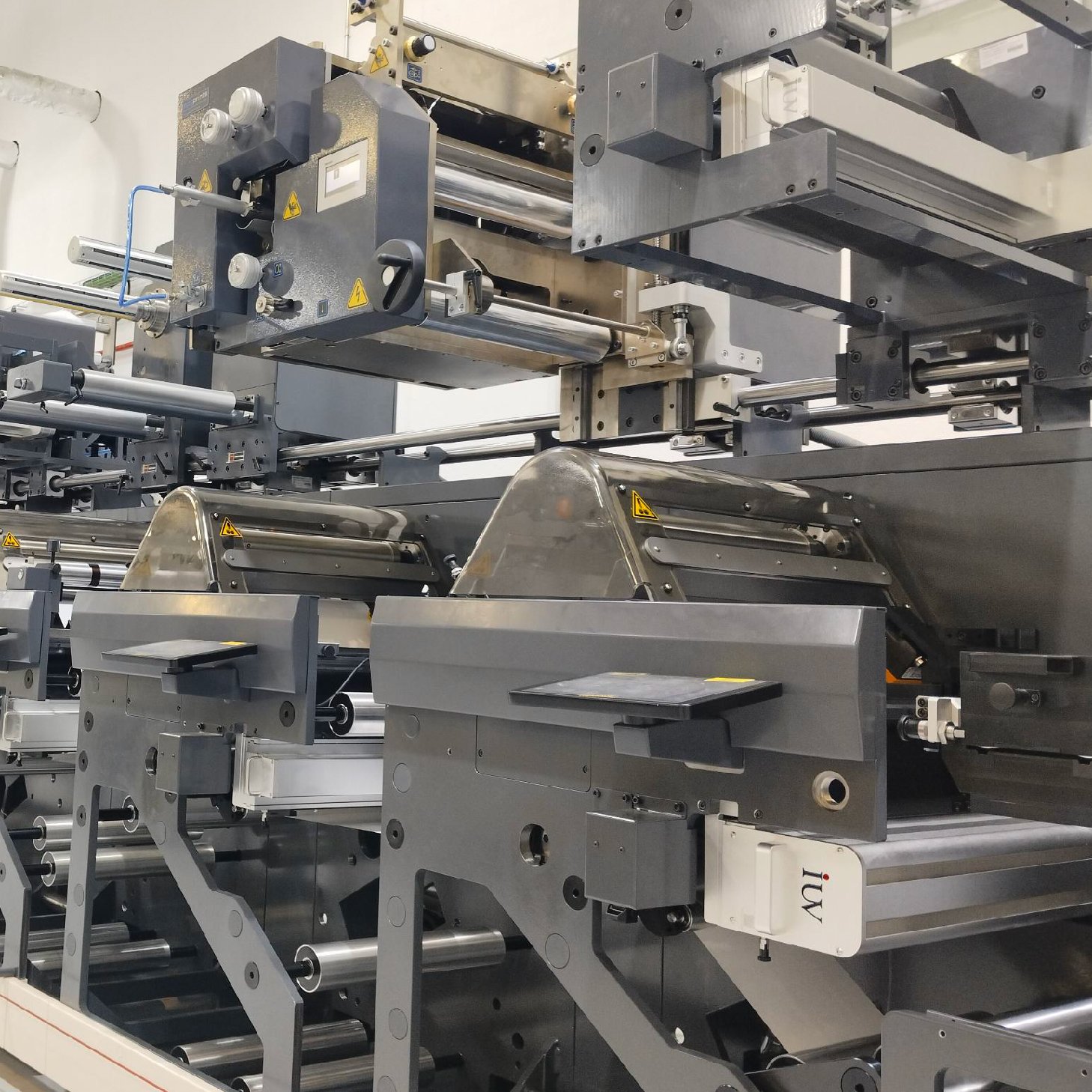
- Retrofitting vs. New Equipment: Evaluating whether to retrofit existing presses with LED UV units or invest in new equipment that comes with integrated LED UV curing.
The Future of Narrow-Web Flexo with LED UV
The adoption of LED UV curing technology in narrow-web flexographic printing is not merely a trend; it represents a fundamental shift towards more sustainable, efficient, and cost-effective production methods. The compelling combination of significant energy savings, enhanced throughput, improved print quality, and environmental benefits makes it an indispensable technology for printers looking to remain competitive and thrive in the evolving print market. By embracing LED UV, narrow-web printers can unlock new levels of operational excellence and secure a more profitable future.