The landscape of label printing is in constant flux, with technological advancements rapidly reshaping how businesses approach production. Narrow-web digital label presses, in particular, have become a focal point of innovation. These machines are not just getting faster; they are becoming smarter, more versatile, and significantly more sustainable. Understanding the driving forces behind this evolution is key for any printer aiming to stay competitive.
One of the most impactful areas of development is in digital printing technologies themselves. While inkjet and toner-based systems have been around for some time, their capabilities have been dramatically enhanced. We’re seeing higher resolutions, wider color gamuts, and improved printhead reliability. This translates directly into sharper graphics, more accurate brand color reproduction, and the ability to print intricate designs with ease. For label converters, this means fewer compromises and greater creative freedom. The shift towards digital also allows for on-demand printing, reducing waste and lead times, which is a critical advantage in today’s fast-paced market.
The Rise of LED UV Curing
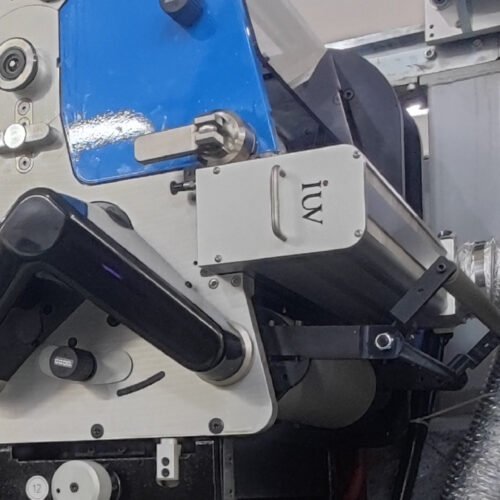
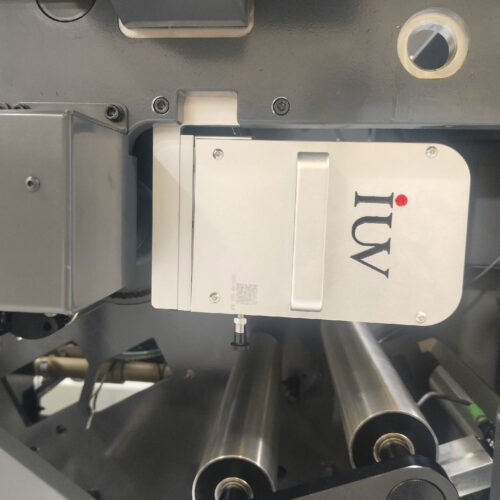
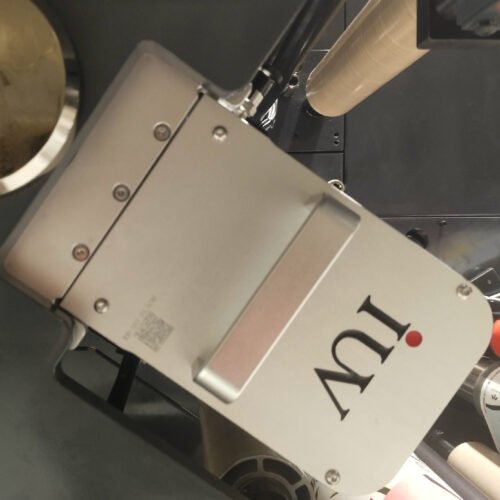
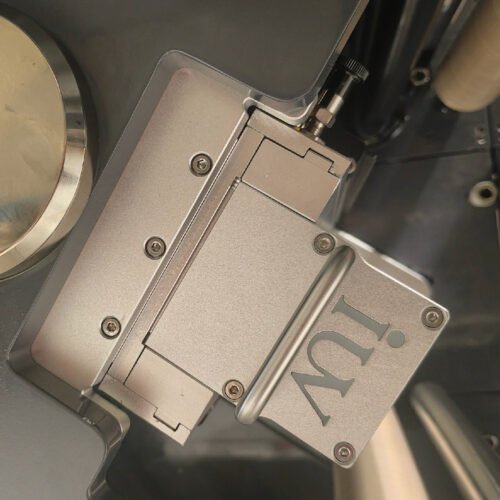
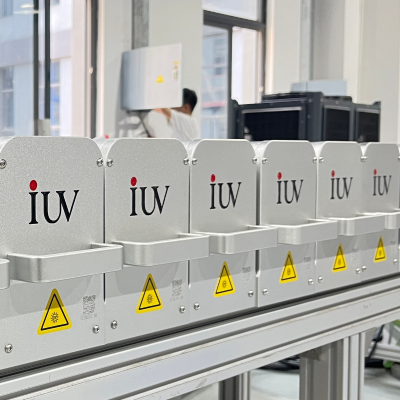
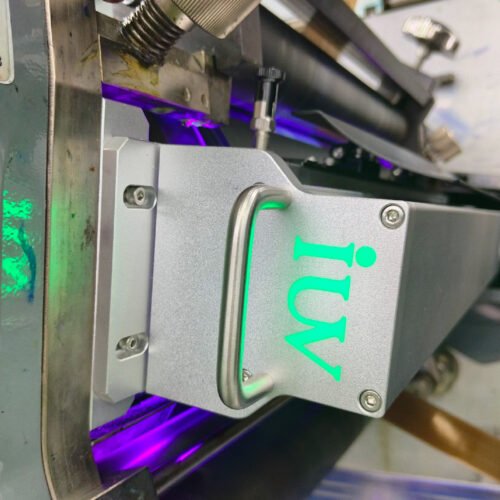
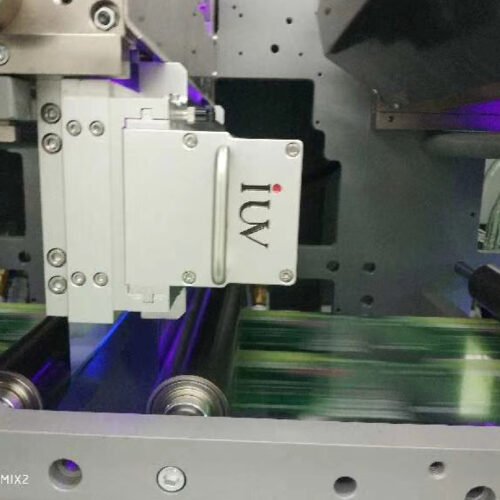
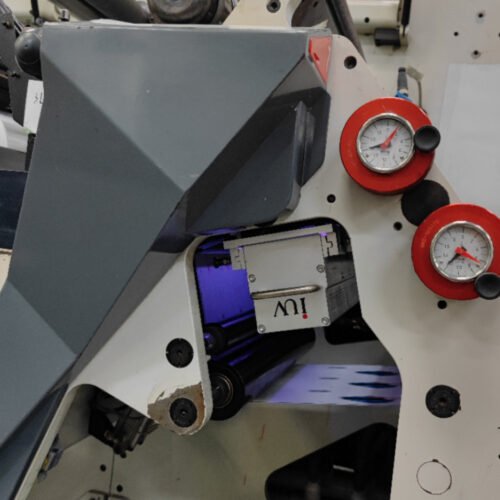
A cornerstone of modern narrow-web digital press innovation is LED UV curing technology. This is not merely an incremental improvement; it represents a paradigm shift in how inks and coatings are dried and set. Traditional UV curing often relied on mercury vapor lamps, which generated significant heat and consumed a considerable amount of energy. They also had a finite lifespan, requiring frequent replacement.
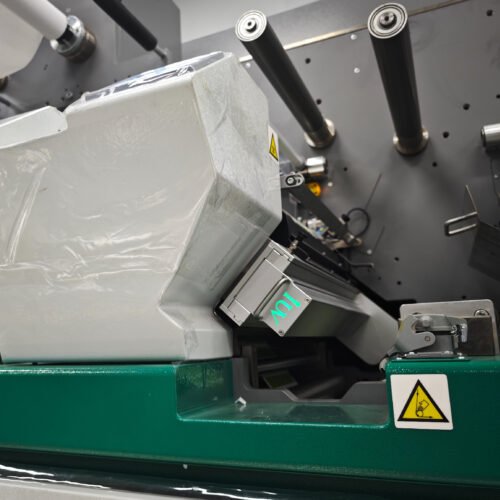
LED UV curing, on the other hand, offers a host of advantages. Firstly, it is far more energy-efficient. LEDs emit light in a very narrow spectrum, specifically tuned to the photoinitiators in UV-curable inks and coatings. This targeted approach means less wasted energy and, consequently, lower operating costs for printing facilities. Secondly, LED lamps produce very little heat. This is crucial for printing on heat-sensitive substrates like thin films or certain types of paper, which can easily warp or degrade under the heat of older curing methods. This opens up a wider range of material options for label designers and printers.
Furthermore, LED UV systems have an exceptionally long operational life, often lasting tens of thousands of hours. This dramatically reduces maintenance downtime and the recurring cost of lamp replacement. The instant on/off capability of LEDs also means there’s no warm-up or cool-down period, contributing to greater efficiency, especially in short-run or job-switching environments. The precise control over light intensity and wavelength also leads to more consistent curing, resulting in higher quality prints with excellent adhesion and scratch resistance.
Integrating Workflow and Automation
Beyond the core printing technology, innovations in workflow and automation are profoundly influencing narrow-web digital label presses. Manufacturers are integrating sophisticated software solutions that streamline job submission, pre-press preparation, and even in-line quality control. This includes features like automated color management, job scheduling, and integration with enterprise resource planning (ERP) systems.
The goal is to minimize manual intervention and reduce the potential for human error. Automated registration systems, for example, ensure perfect alignment between different printing stations or between digital and conventional processes, if used in a hybrid setup. Automatic defect detection systems, often using cameras and advanced algorithms, can identify and flag imperfections in real-time, allowing for immediate correction and preventing the production of substandard labels. This level of automation is essential for achieving high throughput and consistent quality, particularly when dealing with the variable data printing capabilities of digital presses.
Enhanced Substrate Versatility
The ability to print on a diverse range of substrates is another area where narrow-web digital presses are evolving. As mentioned, LED UV curing plays a significant role here by allowing for the use of heat-sensitive materials. However, advancements in ink formulations are also contributing. New ink chemistries offer better adhesion to challenging surfaces like plastics, flexible packaging films, and even textured papers, without the need for extensive pre-treatment.
This expanded substrate versatility is vital for label converters serving a wide array of industries. Whether it’s for food and beverage packaging, personal care products, pharmaceuticals, or industrial applications, the demand for labels on specialized materials is growing. Digital presses that can reliably handle these diverse substrates, from clear films to metallic foils and dark, opaque materials, provide a distinct competitive edge.
Hybrid Printing Approaches
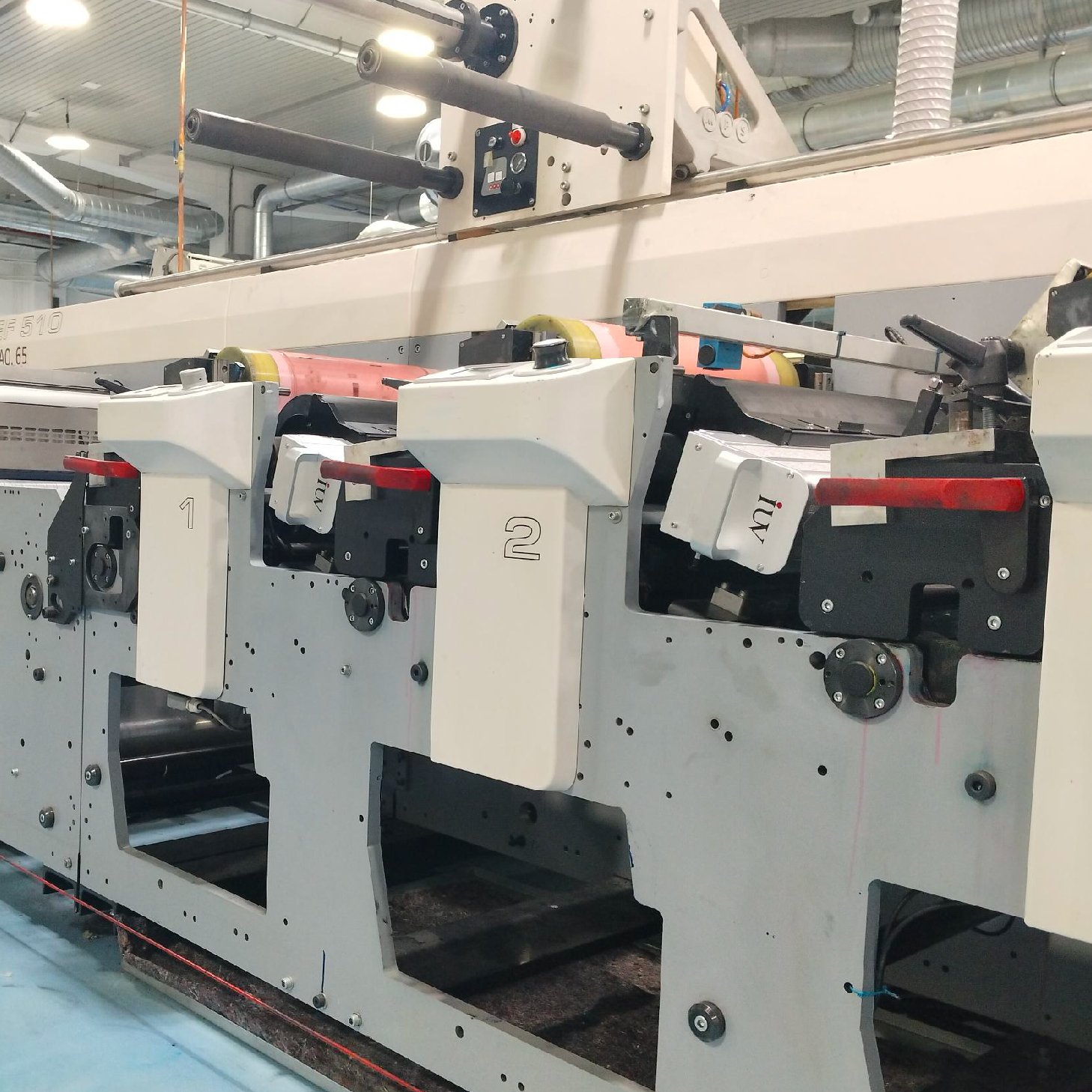
While digital is clearly a dominant force, the evolution of narrow-web presses also involves sophisticated hybrid printing solutions. These machines combine the strengths of digital printing with the capabilities of conventional printing methods, such as flexography or screen printing. For instance, a job might be primarily printed digitally for personalization and short runs, but use a flexo station for a high-opacity white ink or a special spot color effect that digital printing might struggle to achieve efficiently or cost-effectively.
This hybrid approach offers a best-of-both-worlds scenario. It allows printers to leverage the speed and flexibility of digital for variable data and quick turnarounds, while still incorporating high-impact conventional effects or foundational print layers. The integration of these different technologies on a single press is a testament to the sophisticated engineering now commonplace in the narrow-web sector.
Sustainability and Efficiency Gains
Across all these innovations, a consistent theme is the drive towards greater sustainability and efficiency. LED UV curing’s energy savings are a prime example. Reduced waste from on-demand digital printing, the ability to print on recycled or compostable substrates thanks to improved ink adhesion, and the overall reduction in setup times all contribute to a more environmentally friendly printing process.
Furthermore, the consolidation of multiple printing and finishing steps into a single pass on advanced digital presses reduces material handling and further minimizes waste and energy consumption. The precision of digital printing also means that less ink is wasted compared to more traditional methods that often require extensive ink wash-ups during setup.
The Future Outlook
The trajectory of narrow-web digital label presses points towards even greater integration, intelligence, and sustainability. We can anticipate further advancements in printhead technology for even higher speeds and resolutions, alongside more sophisticated AI-driven automation for press operation and quality assurance. The development of new ink types, including functional inks for smart labels, will also continue to expand the possibilities.
For label converters, embracing these innovations is not just about acquiring new equipment; it’s about fundamentally rethinking production workflows, material sourcing, and service offerings. The presses of today are remarkably different from those of even a few years ago, and the pace of change shows no signs of slowing. Staying informed and strategically adopting these evolving technologies will be paramount for success in the competitive label printing market.