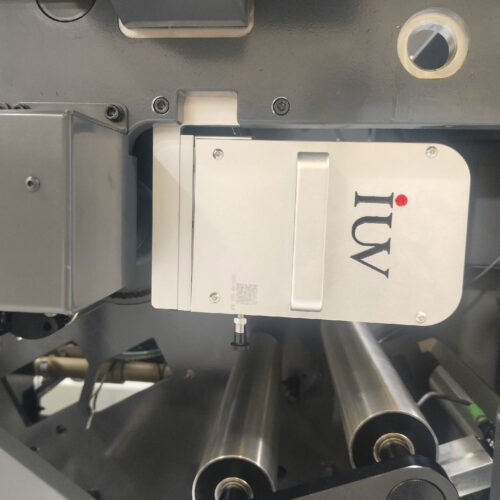
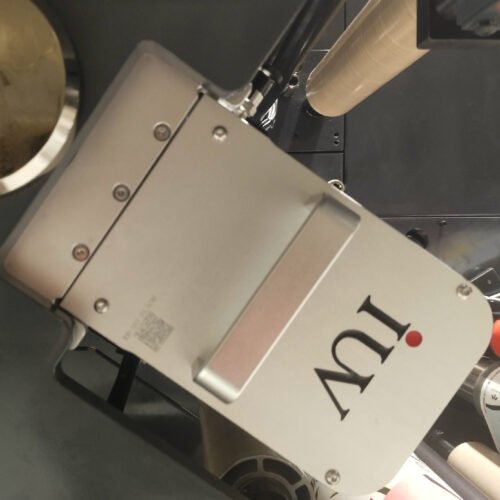
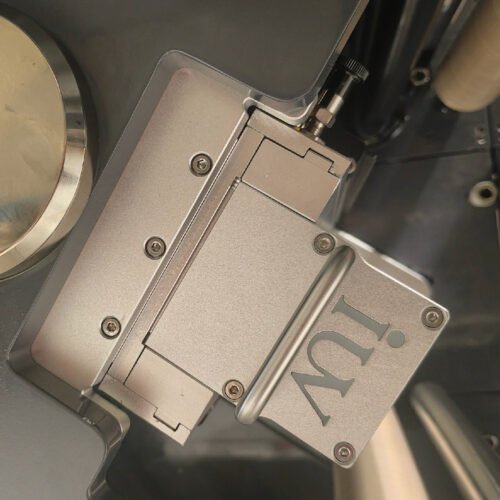
The packaging industry is under immense pressure to become more sustainable. Consumers demand it, regulations push for it, and businesses recognize the long-term benefits. Within this shift, printing technology plays a surprisingly significant role. High-speed UV flexographic printing, in particular, is emerging as a powerful tool to support these sustainability initiatives. It’s not just about faster printing; it’s about printing smarter and more responsibly.
The Flexographic Advantage for Packaging
Flexography, often shortened to flexo, is a highly versatile printing method. It uses flexible relief plates to transfer ink onto a substrate. This makes it ideal for a wide range of packaging materials, from thin films and foils to thicker paper and cardboard. Unlike some other printing processes, flexo is inherently suited for printing on non-porous surfaces, which are common in flexible packaging.
For narrow-web applications, such as labels and flexible packaging, flexo printing has long been the dominant technology. Its ability to handle high speeds and a variety of ink types makes it incredibly efficient. When you combine this with the benefits of UV curing, the capabilities expand even further, especially in the realm of sustainability.
The Role of UV Curing in Sustainability
Traditional printing methods often rely on inks that dry through evaporation. This process releases Volatile Organic Compounds (VOCs) into the atmosphere. VOCs are air pollutants that can have detrimental effects on environmental and human health. This is where UV curing technology makes a significant impact.
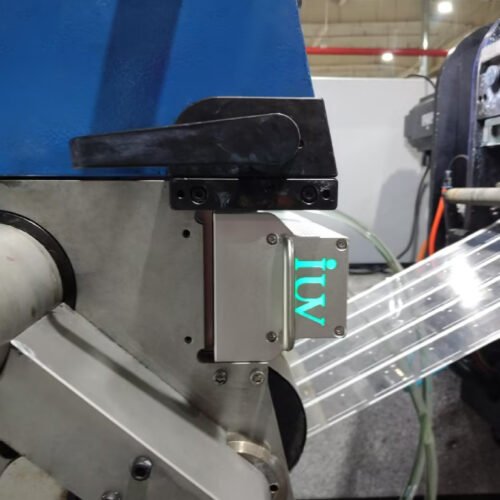
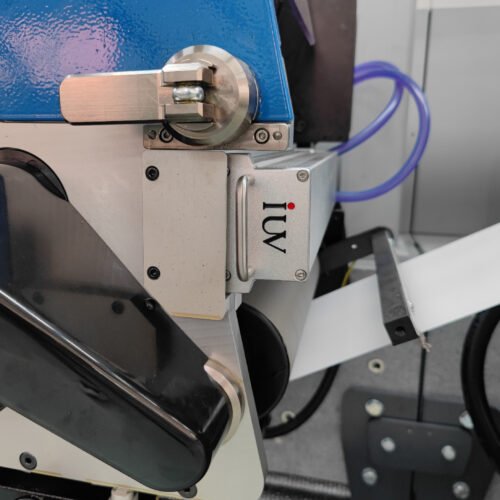
UV curing uses ultraviolet light to instantly solidify or “cure” ink. Instead of evaporating, the liquid ink undergoes a photochemical reaction triggered by UV light. This reaction transforms the ink into a solid, durable layer.
Key Benefits of UV Curing for Sustainable Printing
- Reduced VOC Emissions: This is perhaps the most critical environmental advantage. UV-curable inks contain very little to no VOCs. This drastically reduces air pollution during the printing process, contributing to cleaner manufacturing environments and improved air quality.
- Energy Efficiency: While UV lamps do consume energy, modern LED UV systems are remarkably energy-efficient. Compared to traditional methods or older mercury vapor UV lamps, LED UV units consume significantly less power. This lower energy consumption translates to a smaller carbon footprint for the printing operation.
- Faster Drying and Curing: UV inks cure almost instantaneously. This means that printed materials are dry and ready for the next process or finishing step immediately after passing under the UV lamps. This speed eliminates the need for lengthy drying times and associated energy-intensive drying equipment, further enhancing overall energy efficiency.
- Ink Durability and Performance: UV-cured inks create a highly durable print. They are resistant to scratching, scuffing, and fading. This means that packaging printed with UV inks often has a longer shelf life and maintains its aesthetic appeal better, potentially reducing waste due to damaged or faded packaging.
- Printing on Diverse Substrates: UV curing is compatible with a wide array of substrates, including plastics, foils, and coated papers. Crucially, it allows for printing on thinner, lighter-weight materials. Using less material in packaging is a direct route to reducing resource consumption and waste.
High-Speed Flexo Meets LED UV: A Powerful Synergy
The combination of high-speed flexographic printing and LED UV curing technology creates a formidable partnership for sustainable packaging. Here’s why this synergy is so impactful:
1. Enhanced Speed and Throughput
Flexo presses are designed for speed. When equipped with LED UV curing, they can maintain these high printing speeds without compromising ink adhesion or finish. The instant curing of UV inks means there’s no waiting for ink to dry. This eliminates bottlenecks in the production line, allowing for higher output and greater efficiency. Higher throughput often means better utilization of machinery and resources, contributing to overall operational sustainability.
2. Expanded Substrate Options for Lighter Packaging
The ability of UV inks to cure on a wide range of materials, combined with flexo’s versatility, opens doors to using thinner and lighter packaging substrates. For instance, flexo can print effectively on various polymer films. With UV curing, these inks bond reliably even on these less porous, often thinner films. This directly supports initiatives to reduce the amount of material used in packaging, which in turn decreases transportation costs and waste.
3. Improved Print Quality and Functionality
High-speed UV flexo printing can deliver exceptional print quality. The sharp dot reproduction typical of flexo, coupled with the vibrant and durable finish of UV inks, results in visually appealing packaging. Beyond aesthetics, the robust nature of UV-cured inks can enhance the functionality of packaging, protecting the contents better and extending shelf life. This reduction in product spoilage is an often-overlooked aspect of packaging sustainability.
4. Reduced Waste in Production
The instant cure nature of UV inks minimizes the risk of smudging or smearing during handling and further processing. This leads to fewer production errors and less wasted material. In a high-speed environment, even small improvements in reducing waste can have a significant cumulative impact on the overall sustainability of the operation. Moreover, the precision offered by modern flexo presses, enhanced by the immediate ink setting of UV, leads to more accurate registration and less ink usage for corrections.
5. Compatibility with Water-Based UV Technologies
While traditional UV inks are well-established, there’s ongoing innovation in UV-curable inks, including advancements in water-based UV systems. These systems aim to offer the benefits of UV curing with an even lower environmental impact, further aligning with the goals of sustainable packaging. Flexo’s adaptability allows it to readily integrate these newer, greener ink technologies as they mature.
6. Offset vs. Flexo in the Sustainability Context
It’s worth contrasting flexo with offset printing, another common packaging method. While offset printing has made strides in sustainability, particularly with water-based inks and reduced VOCs, flexo often holds an advantage for flexible packaging and labels. Flexo’s ability to print on a wider array of substrates, including very thin films, and its inherent speed for narrow-web applications make it a more natural fit for many sustainable packaging designs that aim to reduce material usage. Offset, while excellent for paperboard, might face limitations with thin plastics compared to flexo.
The Future is Fast and Green
High-speed UV flexo printing is not just a technological advancement; it’s an enabler of critical sustainability goals within the packaging sector. By offering a path to reduced VOC emissions, lower energy consumption, less material usage, and minimized waste, it provides a compelling solution for brands and converters alike. As the demand for eco-friendly packaging continues to grow, technologies like LED UV flexo printing will be at the forefront, demonstrating that high performance and environmental responsibility can indeed go hand-in-hand. This is a pivotal moment where innovation in printing directly contributes to a more sustainable future for packaging.