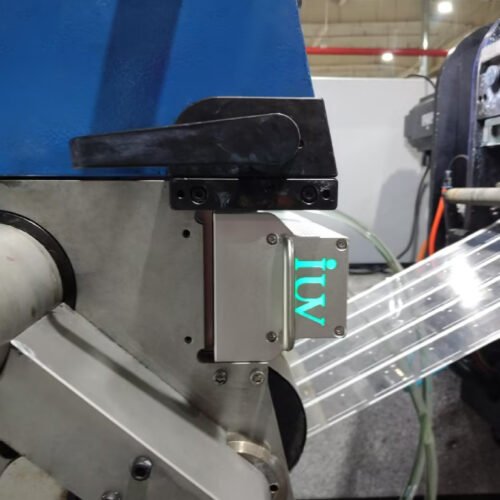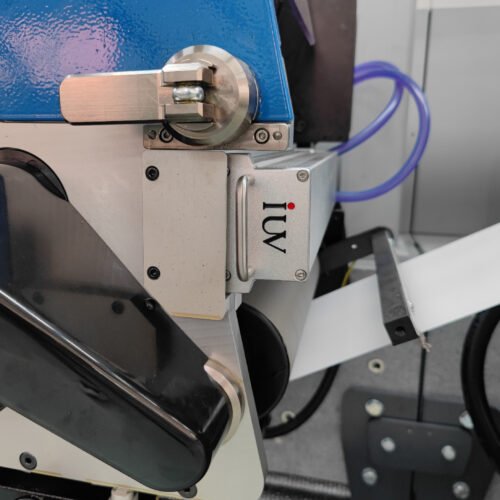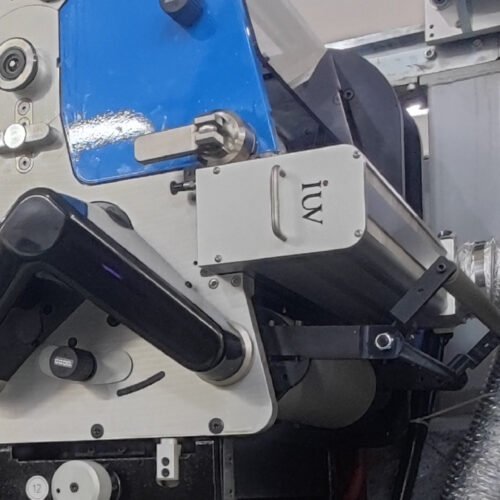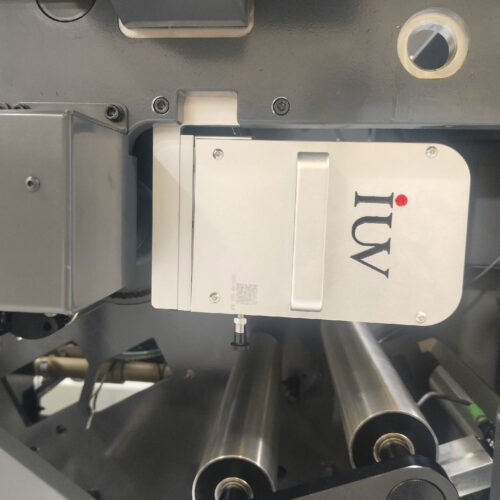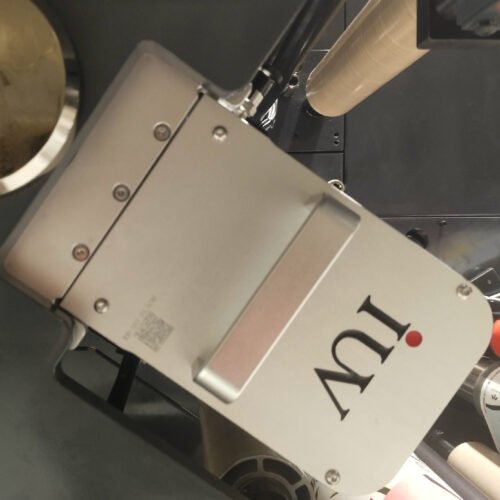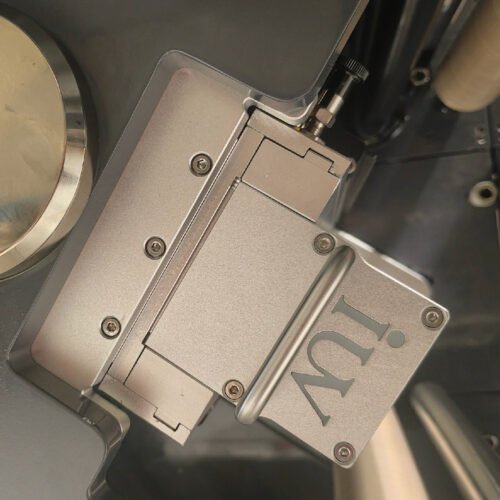
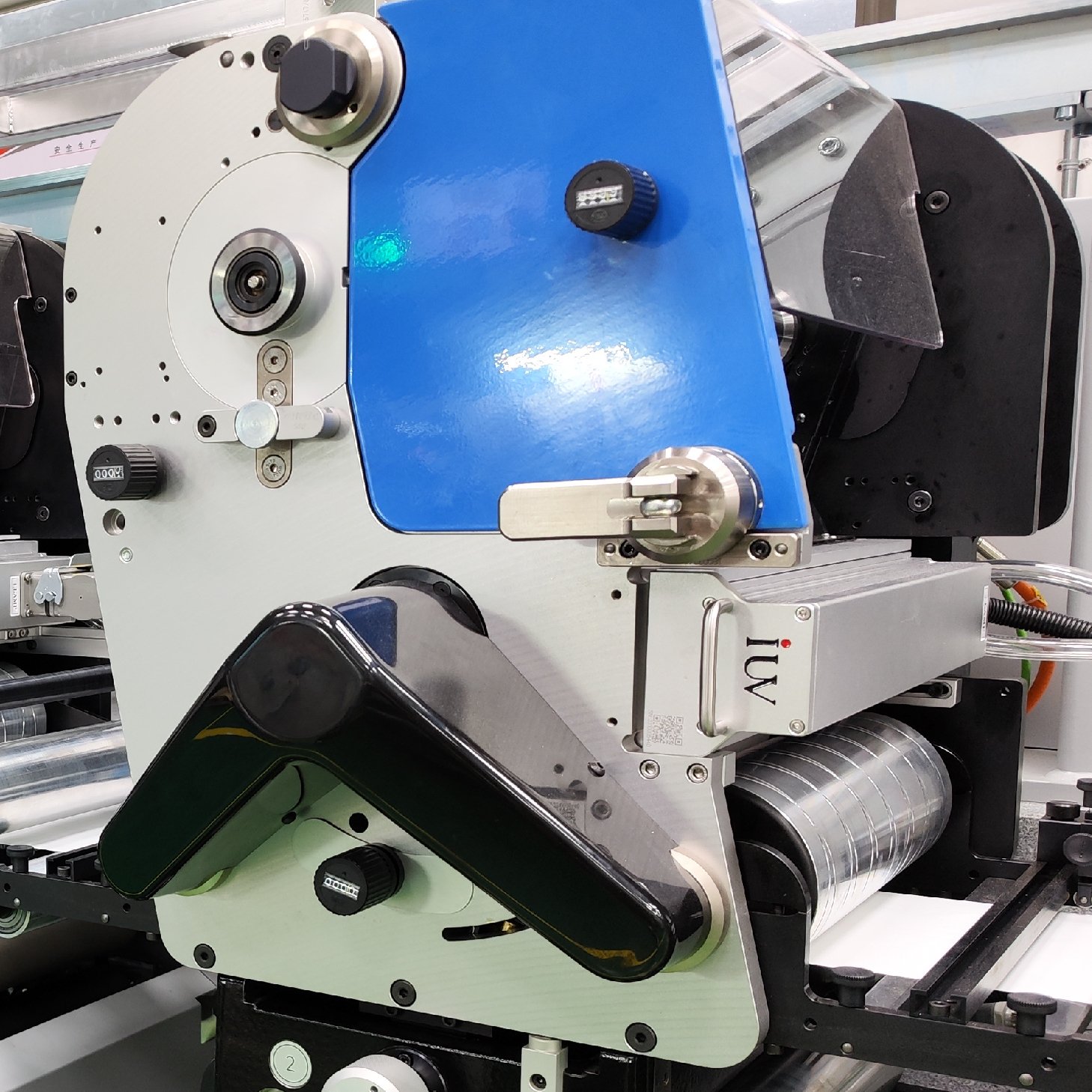
The flexographic printing industry continually seeks advancements to boost efficiency, improve print quality, and expand application possibilities. One significant leap forward has been the integration of LED UV curing technology. This innovative approach to ink drying offers distinct advantages over traditional methods, particularly when working with UV-curable inks in narrow-web flexographic printing. Understanding how LED curing enhances UV ink performance is key for printers aiming to optimize their operations and deliver superior results.
The Fundamentals of UV Ink Curing
UV curable inks are formulated with photoinitiators. When exposed to ultraviolet light of specific wavelengths, these photoinitiators absorb the energy and initiate a rapid polymerization process. This process transforms the liquid ink into a solid, durable film on the substrate. Traditional UV curing systems typically employ mercury vapor lamps. These lamps emit a broad spectrum of UV light, along with significant heat and infrared radiation. While effective, they come with certain drawbacks.
Traditional Mercury Lamp Limitations
Mercury lamps operate at high temperatures, which can pose challenges for heat-sensitive substrates commonly used in flexographic printing, such as thin films and certain papers. The heat generated can cause substrate distortion or affect adhesion. Furthermore, mercury lamps have a finite lifespan and require frequent replacement. Their energy consumption is also substantial, contributing to higher operating costs. Managing the heat and ozone byproducts also necessitates additional ventilation and exhaust systems, adding to the complexity and expense of the printing setup.
Introducing LED UV Curing Technology
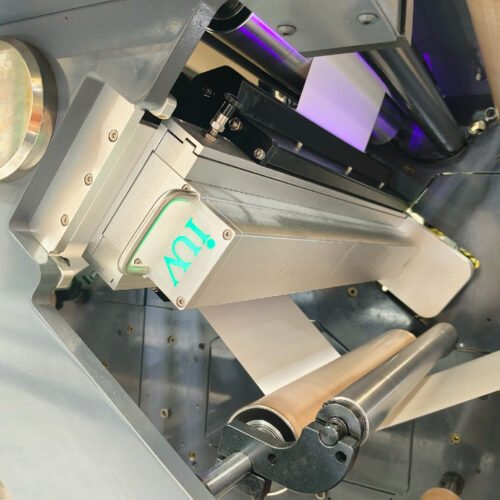
LED (Light Emitting Diode) UV curing systems represent a paradigm shift. Instead of a broad spectrum from a hot filament, LEDs emit UV light at very specific, narrow wavelengths. This targeted emission is highly efficient for activating the photoinitiators in UV inks. The technology offers several compelling benefits that directly impact flexographic printing applications.
Superior Energy Efficiency and Reduced Heat
One of the most celebrated advantages of LED curing is its remarkable energy efficiency. LEDs convert a much higher percentage of electrical energy into UV light compared to mercury lamps. This translates to lower power consumption and reduced operational costs. Crucially, LEDs generate very little heat. This is a game-changer for flexographic printing, especially in narrow-web applications where precise control over substrate temperature is vital. Printers can now handle delicate films, plastics, and other sensitive materials without the risk of heat-induced damage or deformation.
Wavelength Specificity and Ink Formulation
The precise wavelength output of LED lamps allows for optimized ink formulation. UV inks can be designed to be maximally sensitive to the specific wavelengths emitted by the LED system. This targeted activation leads to more efficient and complete curing. It can also mean that inks formulated for LED curing require fewer photoinitiators, potentially reducing ink costs and improving the overall ink properties, such as odor and migration. This specificity also means that the curing process is less susceptible to variations in lamp intensity over time.
Instantaneous On/Off and Precise Control
LEDs can be switched on and off instantaneously. This is a significant operational advantage in flexographic printing. Unlike mercury lamps that require a warm-up period and have a residual afterglow, LEDs provide immediate full power upon activation and cease emission instantly when turned off. This capability allows for on-demand curing, reducing energy waste during machine setup or when the press is idle. It also provides greater control over the curing process, enabling printers to tailor the UV exposure precisely to the printing speed and ink coverage.
Extended Lamp Lifespan and Reduced Maintenance
LED UV systems boast a significantly longer operational lifespan compared to traditional mercury lamps. While mercury lamps typically last between 1,000 to 3,000 hours, LEDs can operate for 20,000 hours or more. This dramatically reduces downtime associated with lamp replacement and lowers maintenance costs. The consistent output of LEDs over their lifespan also ensures more stable and predictable curing performance, leading to greater consistency in print quality across production runs.
Enhanced Ink Performance in Flexographic Applications
The benefits of LED curing translate directly into enhanced UV ink performance in flexographic applications, impacting various aspects of print quality and functionality.
Improved Adhesion and Durability
The efficient and complete polymerization facilitated by LED curing often results in inks with superior adhesion to a wide range of substrates. This is particularly important in flexographic printing, which handles diverse materials from paper and cardboard to various plastic films. The durable, cross-linked ink film produced by LED curing offers enhanced scratch resistance, rub resistance, and chemical resistance, making the printed product more robust and suitable for demanding applications.
Vibrant Color and Print Sharpness
Because LED curing generates less heat, it minimizes the risk of ink spread or “dot gain” caused by heat-induced substrate expansion or ink flow. This leads to sharper print definition, finer details, and more vibrant, consistent color reproduction. The precise control over the curing process ensures that inks cure fully and evenly, preventing issues like under-cured ink that can lead to color shifts or reduced print fidelity.
Reduced Ink Migration and Odor
For food packaging and other sensitive applications, minimizing ink migration and odor is paramount. The efficient curing provided by LED technology helps ensure that photoinitiators and other ink components are fully incorporated into the cured ink film, reducing the potential for migration. Furthermore, inks specifically formulated for LED curing often contain fewer volatile organic compounds (VOCs) and odor-causing components, contributing to safer and more appealing printed products.
Expanded Substrate Capabilities
The low-heat nature of LED curing opens up new possibilities for printing on heat-sensitive substrates. This includes a wider array of flexible packaging materials, thin films, and specialized papers that might not withstand the heat from mercury lamps. This expanded substrate capability allows flexographic printers to diversify their offerings and cater to a broader market.
Environmental and Safety Advantages
Beyond operational benefits, LED curing also offers environmental and safety advantages. The reduced energy consumption contributes to a smaller carbon footprint. The absence of ozone generation, a byproduct of mercury lamps, eliminates the need for extensive ventilation systems. The longer lifespan of LEDs also means fewer lamps are disposed of, reducing waste.
Considerations for Implementing LED Curing
While the advantages are clear, implementing LED UV curing requires careful consideration.
Ink Compatibility:
It is crucial to use UV inks specifically formulated for LED curing. These inks are optimized for the narrow wavelength bands emitted by LEDs. While some traditional UV inks may cure under LED light, their performance might be suboptimal. Working with ink manufacturers to select or develop appropriate formulations is essential for achieving the best results.
Wavelength Selection:
Different LED systems emit UV light at various wavelengths (e.g., 365 nm, 385 nm, 395 nm, 405 nm). The chosen wavelength must align with the absorption spectrum of the photoinitiators in the chosen ink. This is a critical factor in achieving efficient and complete curing.
Irradiance and Exposure Dose:
The intensity of the UV light (irradiance) and the duration of exposure (dose) are key parameters. These need to be carefully matched to the ink system and the printing speed to ensure proper curing without overexposure or underexposure. Modern LED systems offer precise control over these variables.
Integration with Printing Press:
Integrating LED curing units into existing flexographic presses requires careful planning regarding space, power requirements, and ventilation (though significantly less than mercury). Retrofitting is common, but proper consultation with equipment suppliers is advisable.
The Future of Flexographic Printing with LED Curing
The adoption of LED UV curing technology is rapidly transforming the flexographic printing landscape. Its ability to enhance UV ink performance through improved adhesion, sharper prints, reduced migration, and expanded substrate capabilities makes it an indispensable tool for modern printers. The associated benefits of energy efficiency, reduced heat, extended lamp life, and improved environmental impact further solidify its position as the future standard for UV curing in narrow-web flexographic applications. Printers embracing this technology are not just upgrading their equipment; they are investing in greater efficiency, superior print quality, and a more sustainable operational future.