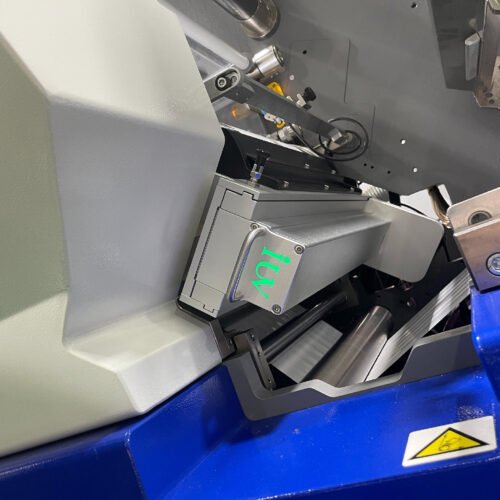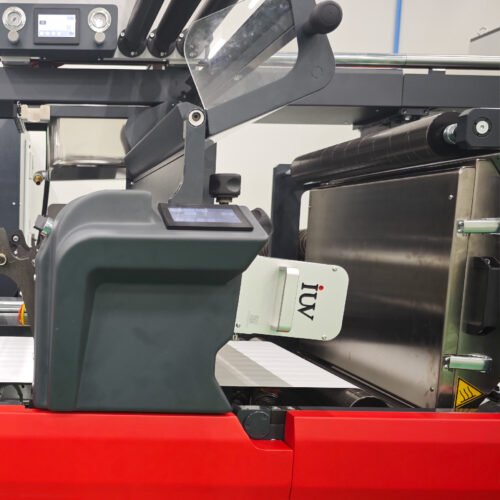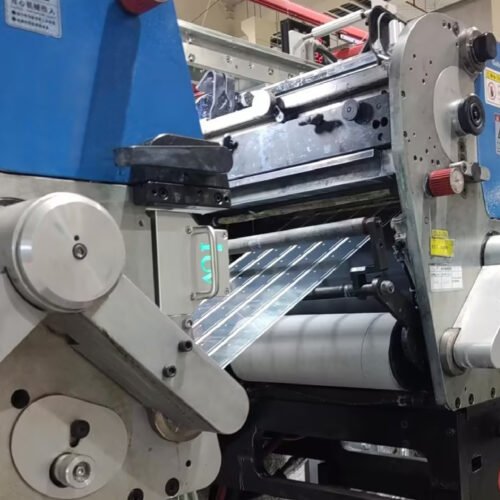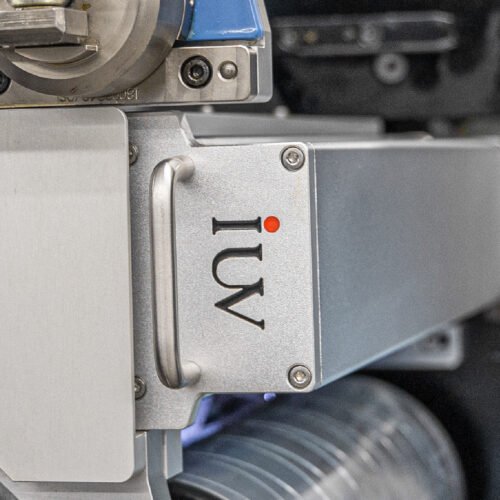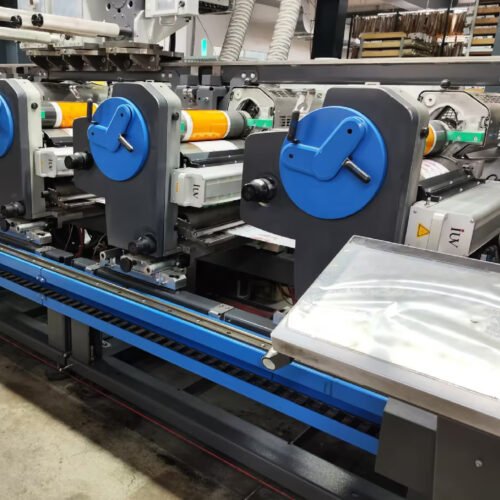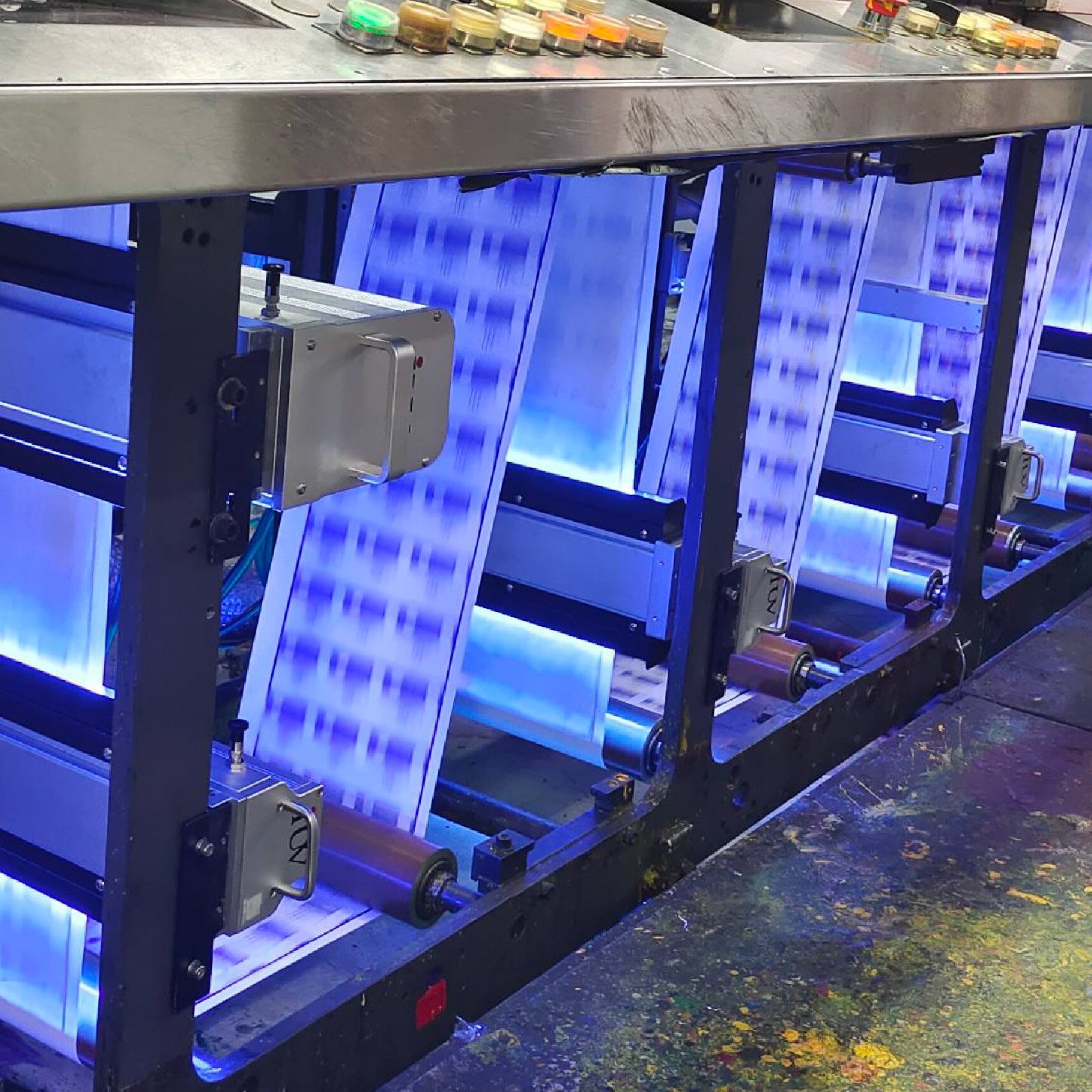
In modern narrow web label printing, LED UV curing systems operate at high power density and extended duty cycles. To maintain stable optical output and protect electronic components, liquid cooling is widely used. The coolant circulating through LED UV manifolds is not only a thermal medium. Its electrical properties directly affect long-term system reliability.
Electrolytic corrosion inside cooling manifolds can develop silently. When coolant conductivity rises beyond acceptable limits, electrical potential differences between metals accelerate material degradation. In flexographic and letterpress label presses, this risk increases as production speeds and operating hours continue to rise. Routine testing of coolant conductivity is therefore a critical maintenance task rather than a secondary check.
Understanding Electrolytic Corrosion in LED UV Manifolds
Electrolytic corrosion occurs when an electrically conductive liquid allows current to flow between dissimilar metals. In LED UV manifolds, this can involve aluminum housings, stainless fittings, copper heat exchangers, and grounding points. Over time, material loss leads to leaks, flow restriction, and reduced cooling efficiency.
In UV curing systems used for label printing, corrosion damage often appears after long production cycles. Because curing performance may remain stable initially, the underlying cause can go unnoticed. Conductivity testing provides early warning before mechanical failure affects print quality or press uptime.
Why Conductivity Matters in High-Duty Cycle Production
Coolant conductivity measures the ability of the fluid to conduct electrical current. Pure deionized water has very low conductivity. As contaminants accumulate, conductivity increases. In LED UV systems, contaminants may include dissolved metals, additives, or residues from improper coolant handling.
In high-duty cycle narrow web presses, elevated temperatures accelerate chemical reactions inside the cooling loop. This makes conductivity control more challenging and more important. Maintaining low conductivity reduces stray currents and protects manifold components from premature wear.
Coolant Types Used in LED UV Systems
Most LED UV curing systems use deionized water or water-based coolant mixtures with corrosion inhibitors. These fluids provide efficient heat transfer while minimizing electrical conductivity. However, even specialized coolants degrade over time.
In label printing environments, exposure to airborne contaminants and frequent thermal cycling can alter coolant composition. Regular testing ensures that the coolant still meets system requirements and supports reliable curing performance.
Acceptable Conductivity Ranges for LED UV Cooling
Each LED UV manufacturer specifies a maximum allowable coolant conductivity. While values vary, low microsiemens per centimeter levels are typical. Exceeding these limits increases the risk of galvanic activity within the manifold.
In practice, maintaining a safety margin below the specified limit is advisable. This approach accounts for measurement variation and operating temperature effects. Stable conductivity supports consistent cooling and protects LED modules during long press runs.
Tools Required for Conductivity Testing
Conductivity testing requires a calibrated conductivity meter designed for low-range measurements. Handheld meters with temperature compensation are commonly used in printing plants. Accuracy is essential, as small changes in conductivity can signal early contamination.
Clean sampling containers and proper handling procedures prevent false readings. Using the correct tools ensures that maintenance decisions are based on reliable data rather than assumptions.
Step-by-Step Testing Procedure
Testing begins by ensuring the LED UV system is in a safe state. Coolant circulation should be active, but UV emission disabled. A sample is drawn from a designated test port or reservoir, avoiding contact with external surfaces.
The conductivity meter probe is rinsed with deionized water before immersion. After stabilization, the reading is recorded along with coolant temperature. Comparing results with baseline values reveals trends that indicate degradation or contamination.
Interpreting Test Results in a Printing Context
A gradual increase in conductivity over time is normal. Rapid increases suggest contamination or breakdown of inhibitors. In label printing operations with continuous shifts, trending data is more valuable than single measurements.
When conductivity approaches the upper limit, corrective action should be planned. This prevents unexpected failures during critical production schedules and protects curing consistency across long runs.
Corrective Actions for Elevated Conductivity
If conductivity exceeds recommended levels, partial or full coolant replacement may be required. Flushing the system removes dissolved metals and residues that contribute to electrical conductivity.
In some cases, replacing filters or inspecting grounding connections is also necessary. Proper grounding reduces stray currents and complements coolant management in preventing corrosion.
Maintenance Frequency and Best Practices
In high-volume label production, conductivity testing should be performed at regular intervals based on operating hours. Monthly checks are common, with increased frequency during peak production periods.
Recording results in a maintenance log supports trend analysis. Consistent documentation allows maintenance teams to predict service needs and avoid reactive repairs that disrupt press schedules.
Impact on UV Curing Performance and Print Quality
Effective cooling maintains stable LED junction temperature. This stability preserves optical output and curing consistency. When corrosion restricts coolant flow, localized overheating can occur, reducing irradiance and curing margins.
In flexographic and letterpress label printing, inconsistent curing affects ink adhesion, gloss, and resistance. Preventing corrosion through conductivity control indirectly protects print quality and customer satisfaction.
Integration with Preventive Maintenance Programs
Conductivity testing fits naturally into broader LED UV preventive maintenance programs. Alongside optical power checks and airflow inspection, coolant monitoring ensures balanced system performance.
For narrow web converters operating multiple presses, standardized testing procedures simplify training and improve consistency. This systematic approach supports reliable curing across diverse substrates and ink systems.
Long-Term Reliability Benefits
Maintaining low coolant conductivity extends the service life of LED UV manifolds and related components. Reduced corrosion risk lowers the likelihood of leaks and unscheduled downtime.
In demanding label production environments, predictable equipment behavior is essential. Conductivity testing provides a simple but powerful tool to safeguard curing systems and support continuous operation.
Operational Value for Label Converters
For label converters focused on efficiency and quality, coolant conductivity testing is a low-cost practice with high return. It protects capital investment in LED UV technology and stabilizes curing performance under high-duty cycle conditions.
By integrating this maintenance step into routine operations, printers ensure that LED UV systems continue to deliver consistent results throughout their intended lifecycle.