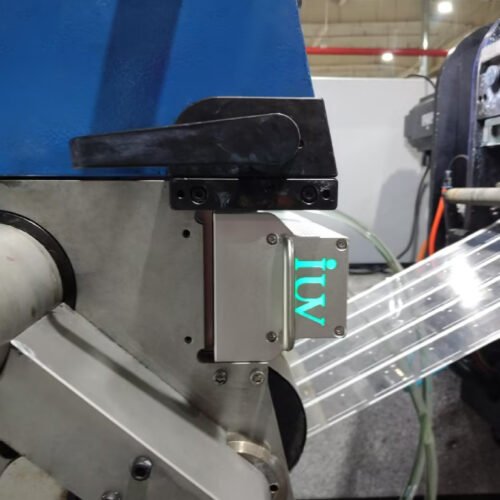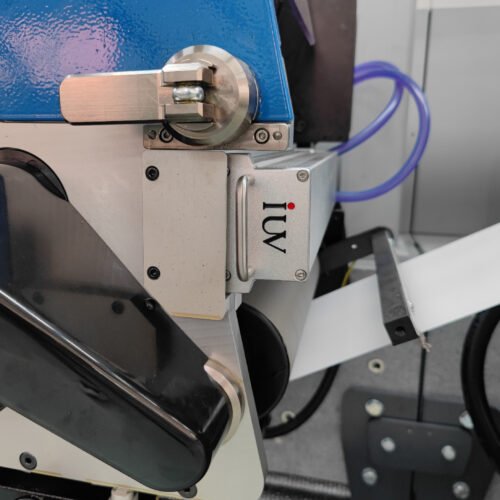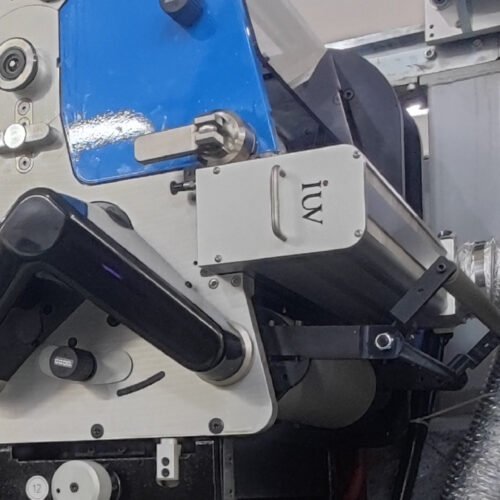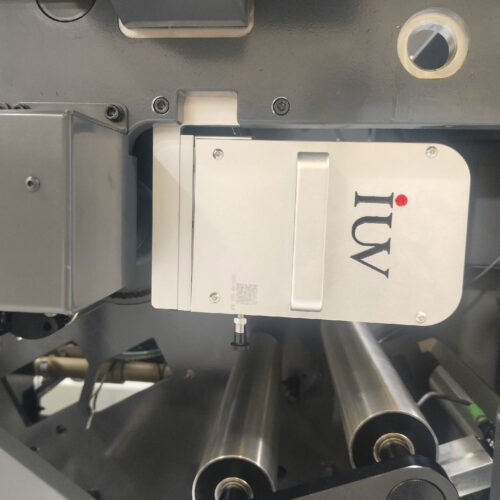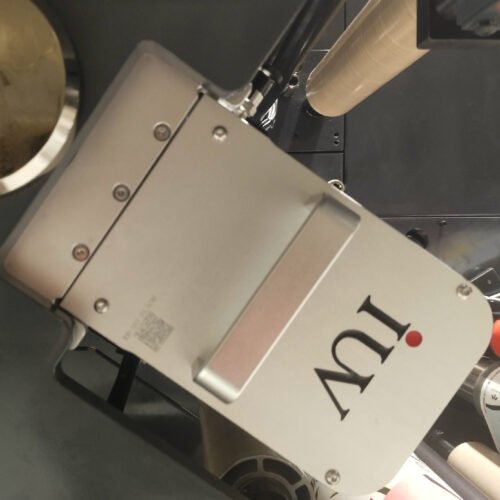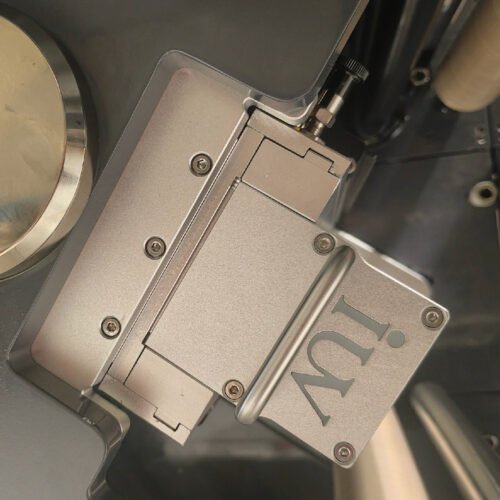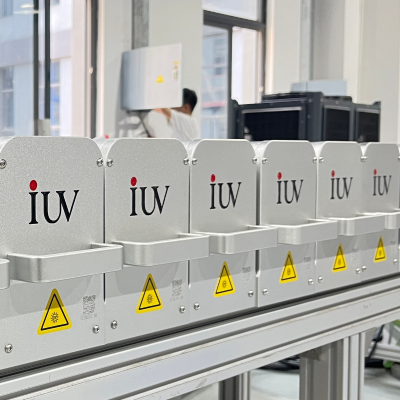
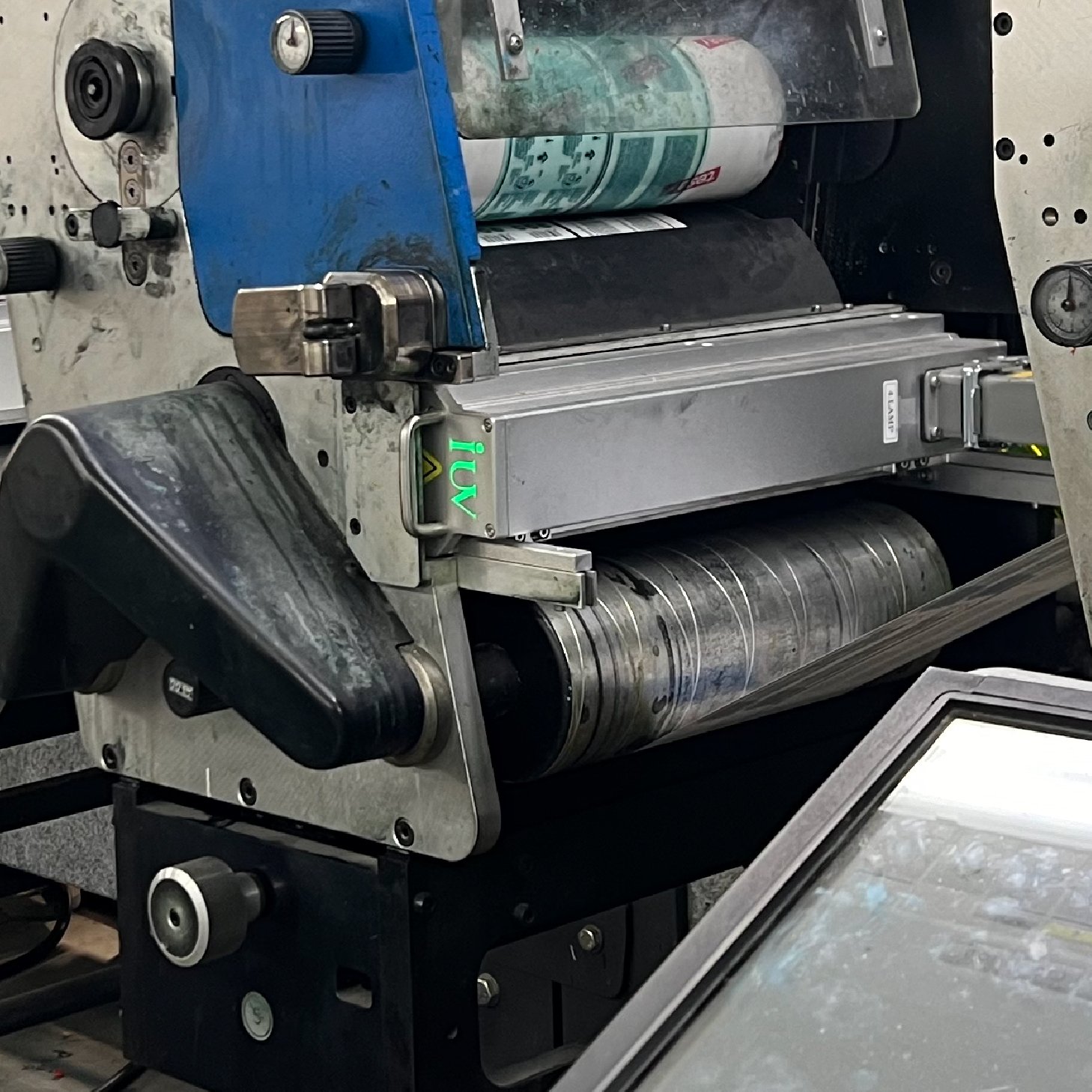
Reducing energy consumption in narrow web presses through efficient flexographic printing UV curing technology requires optimizing UV dose, curing efficiency, wavelength matching, and thermal management. Modern UV LED curing systems significantly lower electricity usage compared with conventional mercury UV lamps by converting more electrical energy into usable UV output while reducing heat generation, cooling demand, maintenance requirements, and machine downtime.
Why Energy Consumption Has Become a Critical Issue in Narrow Web Printing
Energy costs have become a major operational concern for narrow web label converters. In modern flexographic printing facilities, curing systems are often among the largest consumers of electricity, especially when presses operate continuously over multiple shifts. As production speeds increase and print quality requirements become more demanding, printers frequently discover that curing-related energy consumption grows faster than overall production output.
This challenge has accelerated interest in reducing energy consumption in narrow web presses through efficient flexographic printing UV curing technology. From an engineering perspective, the objective is not simply to reduce electrical consumption. The goal is to maximize curing efficiency while maintaining consistent print quality, reliable adhesion, high production speeds, and stable operation across a wide range of substrates.
In label printing and packaging printing applications, curing performance directly affects production efficiency. Insufficient curing leads to ink transfer, poor scratch resistance, reduced chemical resistance, and rewinding defects. Excessive curing energy, however, increases operating costs while generating unnecessary heat. Finding the balance between curing quality and energy efficiency is therefore one of the most important process optimization tasks in modern narrow web production.
Understanding UV Curing Energy Efficiency
To understand the concept of reducing energy consumption in narrow web presses through efficient flexographic printing UV curing technology, it is important to examine how UV curing systems actually consume energy.
The curing process relies on photoinitiators contained within UV inks. When exposed to specific UV wavelengths, these photoinitiators generate reactive species that initiate polymerization. The resulting crosslinking reaction transforms the liquid ink film into a durable solid layer.
The effectiveness of this process depends on the relationship between wavelength, irradiance, exposure time, and total UV dose. A curing system that delivers the correct wavelength and sufficient UV dose can achieve complete polymerization with less electrical input than a system operating inefficiently.
Traditional mercury UV lamps generate UV radiation through electrical excitation of mercury vapor. While effective, a large percentage of the electrical energy consumed is converted into heat rather than useful UV output. Significant energy is also required for lamp warm-up, cooling systems, exhaust systems, and standby operation.
Modern UV LED curing systems operate differently. LEDs emit energy within a narrow wavelength range, typically 365 nm, 385 nm, 395 nm, or 405 nm. Because energy is concentrated within useful curing wavelengths, electrical efficiency is significantly improved. This characteristic is one of the primary reasons why reducing energy consumption in narrow web presses through efficient flexographic printing UV curing technology has become a major focus for converters upgrading existing equipment.
The Relationship Between UV Dose and Production Speed
A common misconception in flexographic printing is that higher curing power automatically produces better results. In practice, curing efficiency is determined by delivering the correct UV dose rather than simply increasing electrical power.
In narrow web label printing, production speeds frequently exceed 100 meters per minute and may reach considerably higher levels depending on press configuration. As speed increases, exposure time decreases. To maintain curing performance, the curing system must provide sufficient irradiance to compensate for reduced exposure duration.
An optimized UV LED curing system allows engineers to match UV output precisely to production requirements. Unlike conventional mercury systems that often operate continuously at full power, LED systems can be adjusted dynamically according to press speed, ink coverage, and substrate characteristics. This approach reduces unnecessary energy consumption while maintaining complete cure.
The result is improved energy efficiency without sacrificing production throughput. For converters operating multiple narrow web presses, these savings can accumulate significantly over the course of a year.
Temperature Control and Heat Management
One of the largest hidden contributors to energy consumption is thermal management. Conventional UV curing equipment produces substantial infrared radiation alongside UV energy. This heat must often be removed using cooling systems, chillers, ventilation equipment, and additional air handling infrastructure.
Heat generation also influences substrate stability. Thin films, shrink sleeve materials, polypropylene labels, and other heat-sensitive substrates can deform when exposed to excessive temperatures. Operators frequently compensate by reducing production speed, increasing cooling capacity, or modifying curing settings, all of which negatively affect overall efficiency.
Reducing energy consumption in narrow web presses through efficient flexographic printing UV curing technology becomes easier when thermal output is minimized. UV LED curing systems generate significantly less radiant heat than mercury lamps. Lower substrate temperatures improve dimensional stability while reducing cooling requirements throughout the production line.
This advantage is particularly important for flexible packaging applications where material distortion can compromise print registration and converting performance.
Ink Chemistry, Wavelength Matching and Material Compatibility
Energy efficiency cannot be evaluated independently of ink chemistry. Successful UV curing depends on matching the emission wavelength of the curing system with the absorption characteristics of the photoinitiators contained within the ink.
When wavelength compatibility is optimized, polymerization occurs more efficiently and requires less energy to achieve complete cure. If a mismatch exists, operators may attempt to compensate by increasing power levels, slowing production speeds, or adding additional curing units. These corrective actions increase energy consumption without addressing the underlying issue.
Material compatibility also plays a critical role. Synthetic labels, PET films, BOPP materials, shrink sleeves, and flexible packaging structures each interact differently with UV radiation. White inks and highly pigmented coatings present additional challenges because pigments scatter and absorb UV energy before it penetrates the full ink layer.
Effective engineering practice involves selecting ink systems specifically designed for the chosen UV wavelength while verifying adhesion, cure depth, and mechanical performance through production testing. This approach improves curing efficiency while supporting long-term energy reduction objectives.
Operational Benefits Beyond Electrical Savings
Although electricity reduction is often the primary objective, reducing energy consumption in narrow web presses through efficient flexographic printing UV curing technology delivers additional operational benefits.
Instant on-off functionality eliminates the energy waste associated with lamp warm-up periods. Production interruptions no longer require curing units to remain at full operating power. Maintenance requirements are reduced because there are no lamp replacements, reflector cleaning schedules, or mercury-related handling procedures.
Production consistency also improves because UV output remains stable over time. Consistent curing performance helps reduce waste, startup scrap, rework, and quality-related downtime. From an engineering perspective, these indirect savings frequently contribute as much value as the direct reduction in electricity consumption.
Achieving Sustainable Energy Reduction in Narrow Web Printing
The most successful energy reduction projects focus on optimizing the entire curing process rather than simply replacing equipment. Engineers must evaluate UV dose requirements, wavelength selection, ink formulation compatibility, substrate characteristics, temperature management, and production speed simultaneously.
When these variables are aligned correctly, reducing energy consumption in narrow web presses through efficient flexographic printing UV curing technology becomes a measurable and sustainable achievement. Printers gain improved curing consistency, enhanced adhesion performance, lower operating temperatures, reduced maintenance requirements, and greater production efficiency across label printing, packaging printing, flexographic printing, and narrow web converting applications.
As energy prices continue to rise and production demands become increasingly complex, efficient UV curing technology will remain one of the most effective engineering solutions for improving both operational efficiency and long-term manufacturing sustainability.