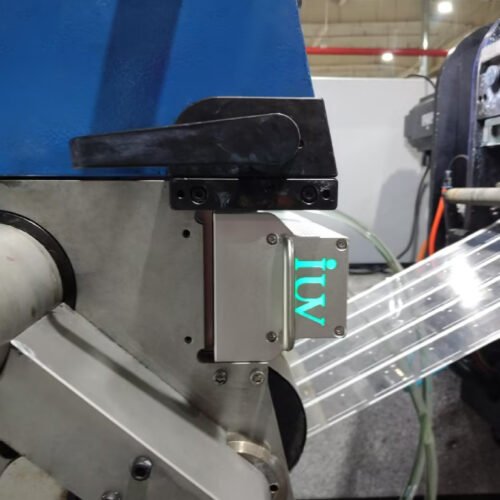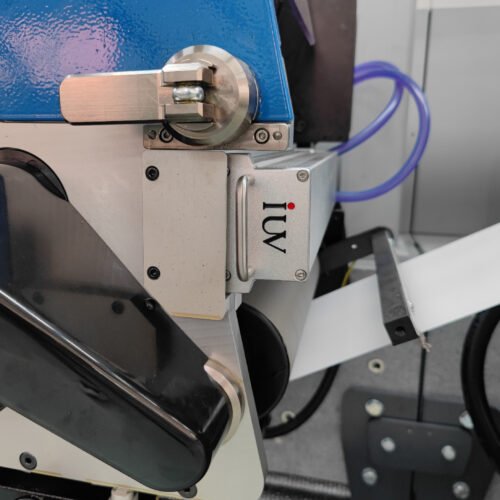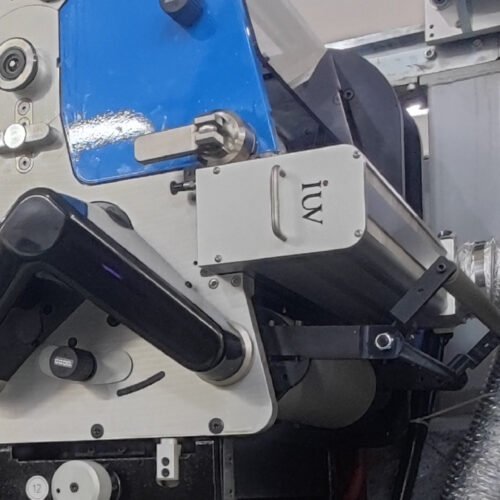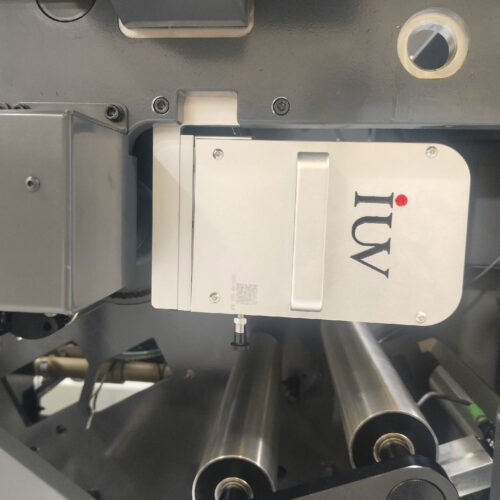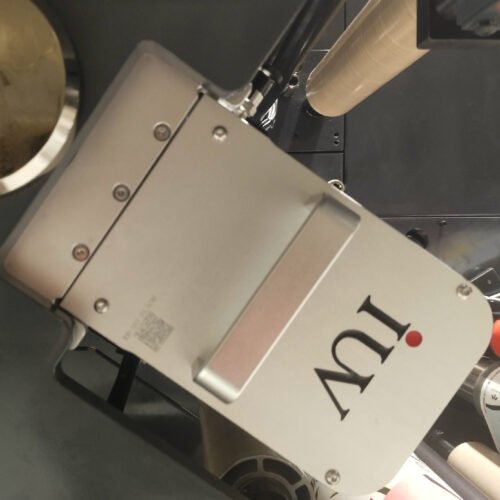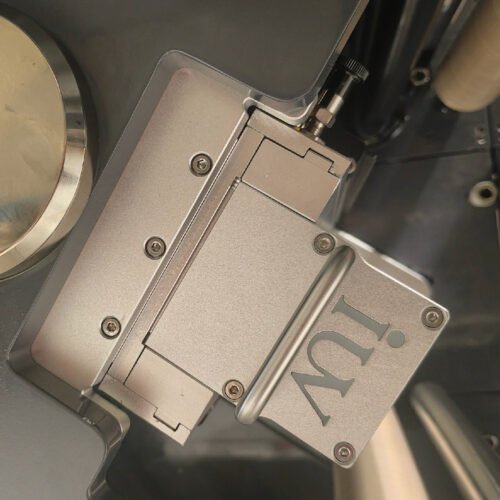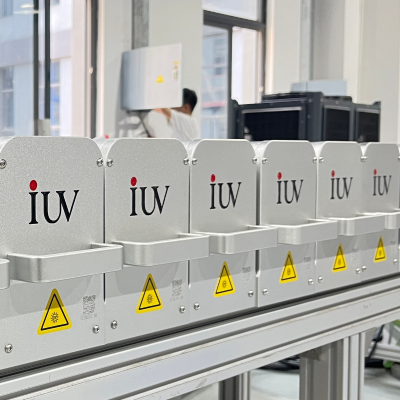
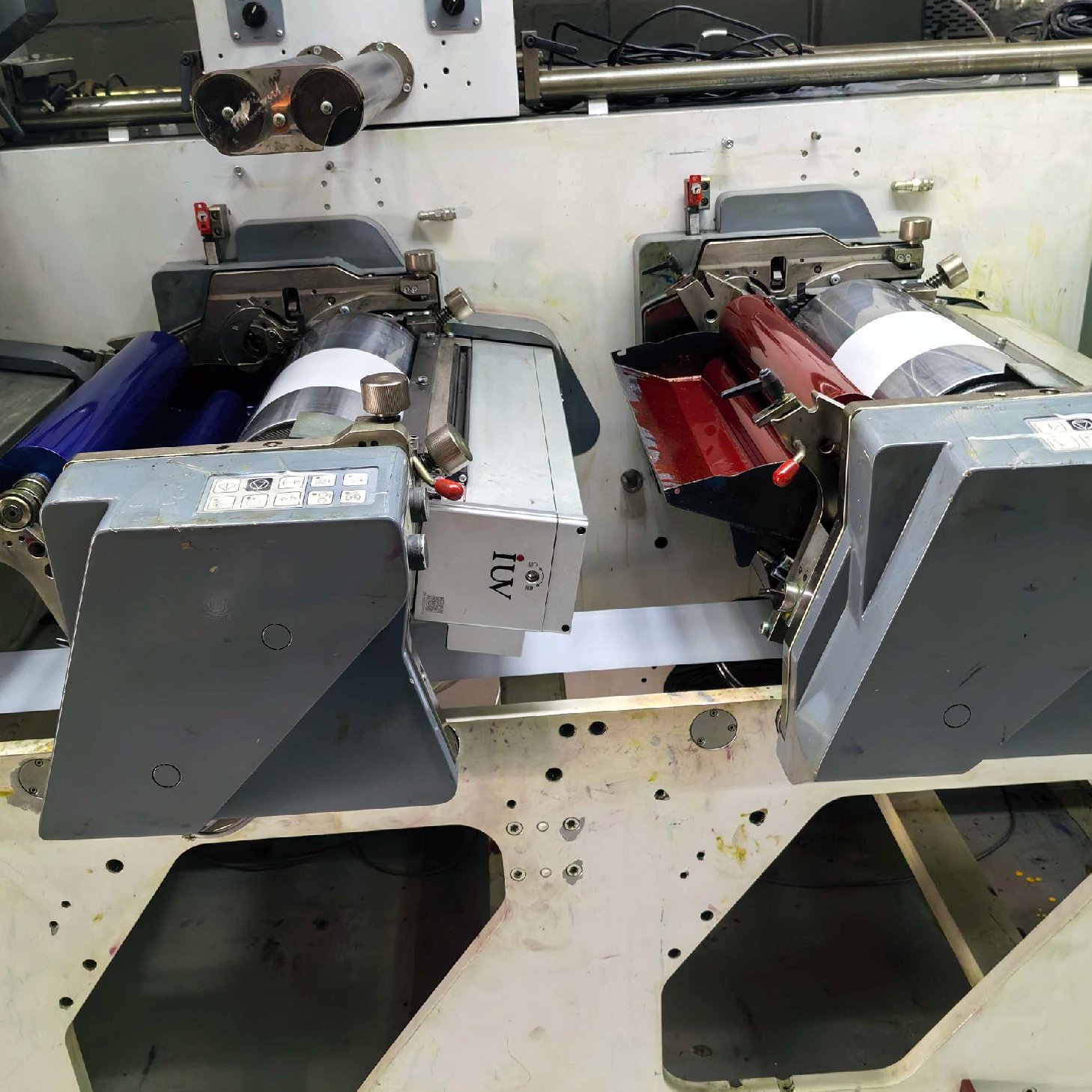
Incomplete curing in UV printing systems occurs when the UV dose delivered to the ink film is insufficient to complete polymerization. The root causes are typically related to UV energy output, wavelength mismatch, excessive press speed, oxygen inhibition, temperature instability, ink formulation compatibility, or equipment degradation. Accurate diagnosis requires evaluating irradiance, UV dose, lamp condition, curing distance, substrate characteristics, and ink chemistry together rather than focusing on a single parameter.
Understanding Why Incomplete Curing Occurs in Industrial Printing
One of the most common production problems encountered in UV printing environments is incomplete curing. Whether the application involves flexographic printing, label printing, narrow web printing, packaging printing, or offset printing, insufficient curing can result in poor adhesion, low scratch resistance, ink transfer issues, odor retention, blocking during rewinding, and reduced product durability.
When investigating why incomplete curing occurs, many operators initially assume the UV lamp is not generating enough power. In reality, UV curing performance is determined by a combination of irradiance, UV dose, wavelength distribution, ink chemistry, substrate characteristics, machine speed, and environmental conditions. A UV curing machine may appear to operate normally while still delivering an insufficient curing response.
The first step in diagnosing UV curing machine performance issues is understanding the relationship between UV energy and polymerization. UV inks contain photoinitiators that absorb specific wavelengths and trigger crosslinking reactions. If the emitted wavelength does not match the absorption spectrum of the photoinitiator package, curing efficiency decreases significantly even when lamp power appears adequate.
The Relationship Between UV Dose, Wavelength and Cure Quality
In modern UV curing systems, curing quality is primarily influenced by UV dose, which is the product of irradiance and exposure time. High irradiance alone does not guarantee complete curing. If press speed increases while UV output remains constant, exposure time decreases and the total UV dose delivered to the ink film may become insufficient.
This situation is frequently observed in high-speed narrow web label printing applications. Operators increase production speed to improve throughput, but the curing system is unable to deliver the required UV dose for the specific ink film thickness. As a result, surface cure may appear acceptable while the deeper layers remain under-cured.
Wavelength selection is equally important. Traditional mercury UV lamps produce a broad spectral output, while UV LED curing systems typically operate at wavelengths such as 365 nm, 385 nm, 395 nm, or 405 nm. If the ink formulation was originally designed for broadband mercury lamps and is later exposed to a narrow-spectrum LED source without reformulation, incomplete curing may occur despite adequate energy levels.
When evaluating why incomplete curing occurs, engineers must therefore verify both UV dose and wavelength compatibility rather than relying solely on power measurements.
Temperature Control and Oxygen Inhibition Effects
Another frequently overlooked factor during diagnostic analysis is temperature control. Polymerization reactions are influenced by thermal conditions within the curing zone. Excessive heat can cause substrate distortion, while insufficient process temperature may reduce curing efficiency for some ink systems.
In UV LED curing systems, lower infrared emissions generally improve temperature stability compared with conventional mercury lamps. However, this does not eliminate the need for thermal monitoring. Heat-sensitive films, shrink sleeves, polypropylene materials, and thin packaging substrates can still influence curing behavior due to their thermal response characteristics.
Oxygen inhibition is another critical consideration. Free radical polymerization reactions occurring at the ink surface can be disrupted by atmospheric oxygen. The result is a tacky surface despite apparently adequate UV exposure. White inks, high-opacity coatings, and heavily pigmented formulations are especially vulnerable because oxygen competes with photoinitiated radicals during crosslinking.
When diagnostic testing reveals acceptable UV dose values but poor surface cure, oxygen inhibition should be investigated as a potential root cause. In some cases, modifying photoinitiator concentration, optimizing wavelength selection, or introducing inert gas curing can significantly improve results.
Ink Chemistry and Material Compatibility Problems
Many UV curing machine performance issues originate from incompatibility between ink chemistry and curing technology.
UV inks are engineered with specific photoinitiator packages designed to absorb targeted wavelength ranges. When new UV LED curing systems are installed, legacy inks developed for mercury lamps may not respond efficiently to LED emission spectra. The consequence is incomplete polymerization, poor adhesion, and reduced chemical resistance.
Material compatibility must also be considered. Flexible packaging films, synthetic label materials, PET, BOPP, PE, and shrink sleeve substrates all interact differently with UV-curable formulations. Some substrates absorb or reflect portions of the UV spectrum, affecting energy penetration through the ink layer.
In flexographic printing applications, thick white inks present additional challenges because titanium dioxide pigments scatter UV light. Surface cure may appear complete while deeper layers remain partially uncured. This phenomenon is especially common when production speeds increase without corresponding adjustments to UV dose levels.
Understanding these interactions is essential when investigating why incomplete curing occurs in industrial printing environments.
Diagnostic Methods for UV Curing Machine Performance Issues
Effective troubleshooting begins with objective measurement rather than visual inspection alone. A UV radiometer should be used to verify irradiance and accumulated UV dose across the production width. Uneven readings often indicate reflector contamination, lamp aging, optical degradation, or cooling system problems.
Lamp condition should also be evaluated carefully. In conventional mercury systems, lamp aging gradually reduces UV output even though visible light emission remains strong. Quartz contamination, reflector degradation, and improper power settings can further reduce effective curing energy.
For UV LED curing systems, diagnostic evaluation should include diode output verification, thermal management assessment, cooling performance monitoring, and wavelength confirmation. Excessive junction temperatures may reduce optical efficiency and shorten LED lifespan, leading to gradual curing inconsistencies.
Engineers should also analyze press speed, ink film thickness, anilox volume, curing distance, and substrate characteristics simultaneously. Many curing failures result from multiple small deviations occurring together rather than a single catastrophic equipment fault.
A common example occurs in narrow web label production when operators increase press speed, switch to a higher-opacity white ink, and reduce lamp-to-substrate distance tolerances. Individually these changes may appear insignificant, but collectively they can reduce curing performance below acceptable levels.
Improving Long-Term Cure Stability
Preventing incomplete curing requires a systematic process approach rather than reactive troubleshooting. Stable UV curing performance depends on maintaining consistent UV dose, selecting appropriate wavelengths, matching ink chemistry to curing technology, controlling thermal conditions, and verifying equipment performance regularly.
Modern UV LED curing systems offer advantages in output consistency, instant on-off operation, reduced thermal load, and improved energy efficiency. However, successful implementation still requires correct engineering design, proper ink selection, and continuous process monitoring.
When these variables are controlled correctly, printers can achieve higher curing reliability, improved adhesion, greater scratch resistance, enhanced chemical durability, and consistent print quality across flexographic printing, label printing, packaging printing, and offset printing applications.
Incomplete curing is rarely caused by a single factor. The most successful diagnostic strategies focus on understanding the interaction between UV energy, wavelength, oxygen inhibition, ink chemistry, substrate properties, and machine operating conditions. By evaluating the entire curing process rather than isolated components, manufacturers can identify root causes more quickly and maintain stable production performance over the long term.