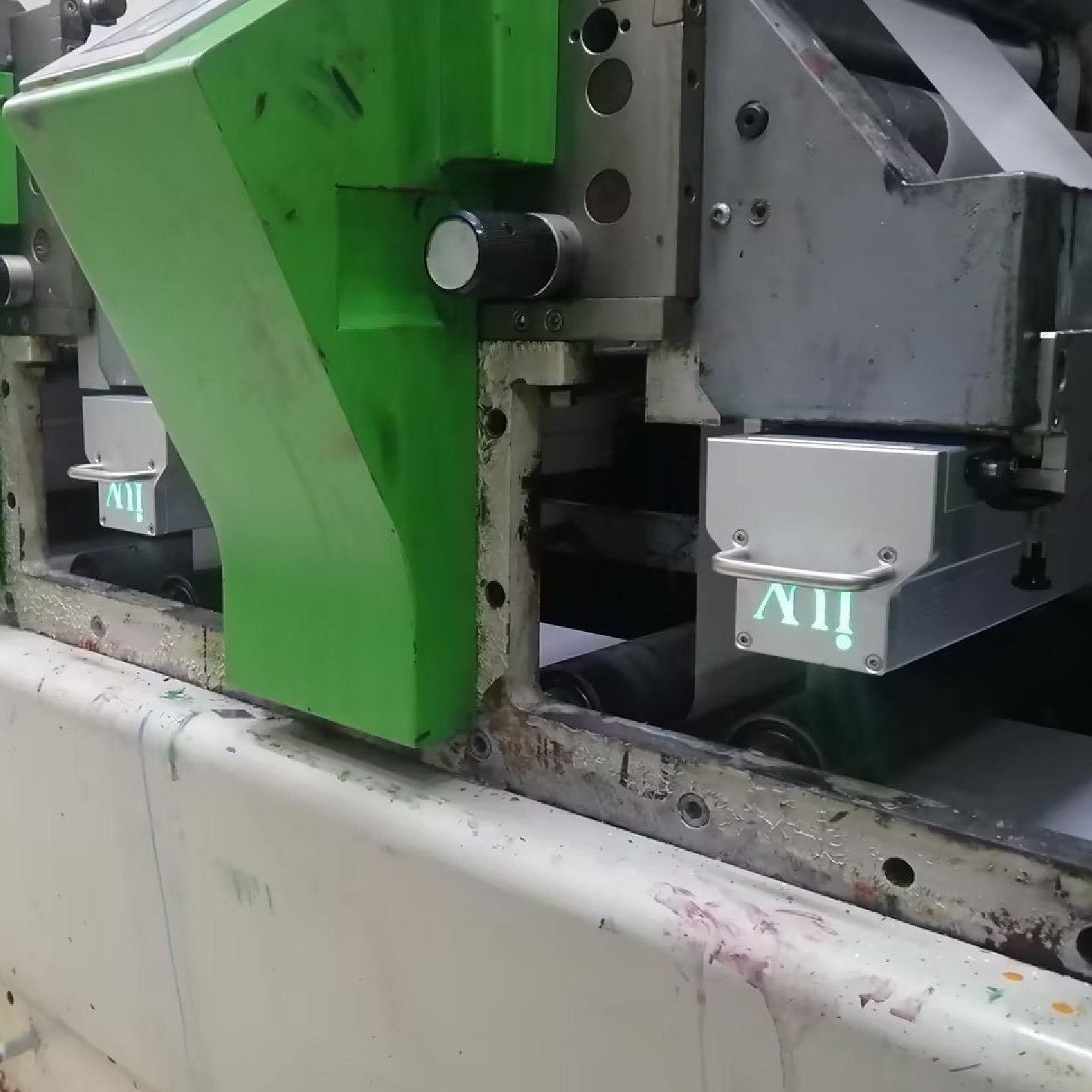
Upgrading offset presses from mercury UV systems to LED-UV curing is one of the most impactful modernization steps in today’s printing industry. In label production, packaging, and commercial offset work, LED-UV delivers lower energy consumption, faster start-up, reduced heat load, and improved process stability. However, a successful transition requires a structured upgrade checklist. Without proper planning, issues such as curing mismatch, electrical incompatibility, ink reaction failure, or thermal imbalance can appear during production.
In offset printing environments, especially those supporting label work and hybrid workflows with flexographic or narrow web elements, the upgrade process must be evaluated as a full system change rather than a simple lamp replacement. This tutorial outlines a practical checklist approach to ensure a stable and predictable transition from mercury UV to LED-UV curing.
Understanding the Core Difference Between Mercury UV and LED-UV Systems
The first step in any upgrade checklist is understanding the fundamental technological shift. Mercury UV lamps emit a broad spectrum of ultraviolet energy, combined with significant infrared heat. LED-UV systems, on the other hand, emit narrow-band wavelength output, typically in the 365–405 nm range, with minimal heat radiation.
This difference affects ink chemistry, curing behavior, substrate response, and press thermal balance. In offset label printing, where precise dot reproduction and coating consistency are required, this shift must be carefully managed.
Mercury systems rely on high energy spikes and warm-up cycles, while LED systems operate instantly with stable output. This change influences production workflow, maintenance schedules, and energy distribution across the press.
Step 1: Evaluate Press Mechanical Compatibility
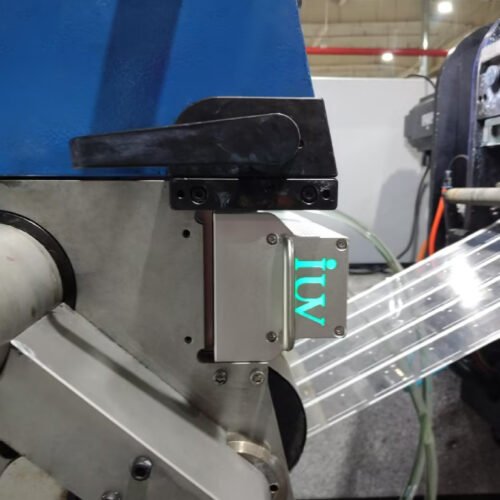
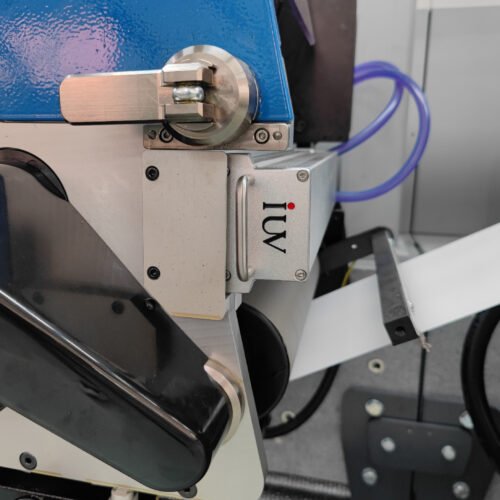
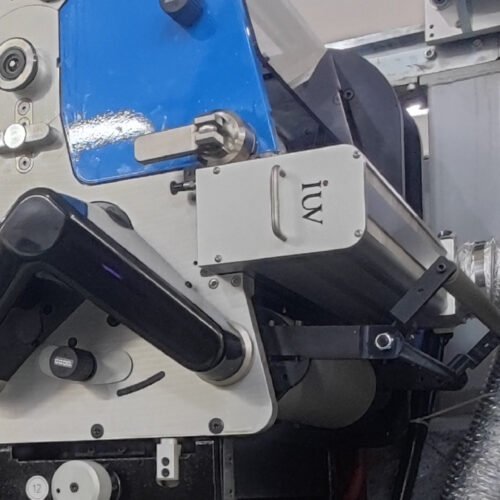
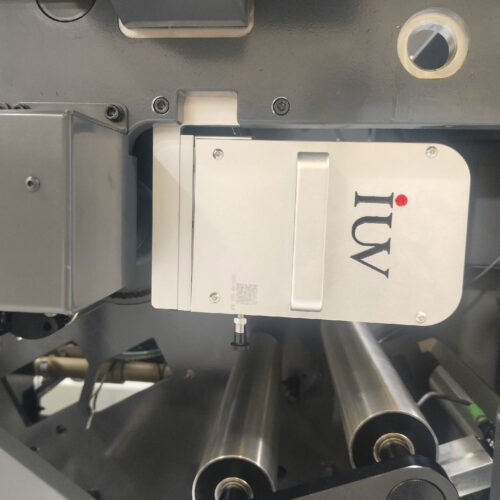
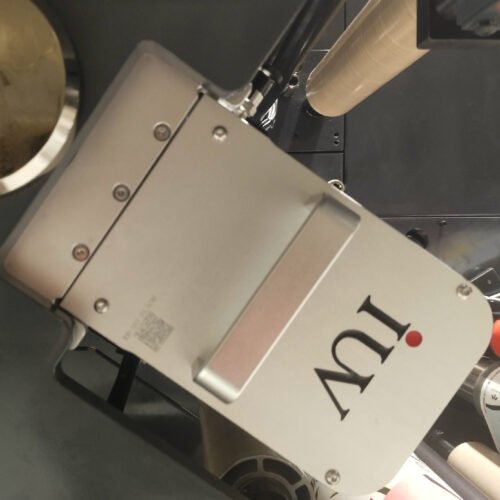
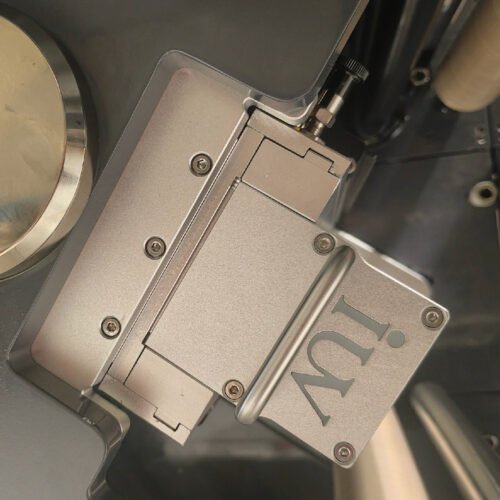
The first checklist item focuses on physical integration. LED-UV units differ in size, weight distribution, and mounting geometry compared to mercury systems.
Offset presses used in label and narrow web applications often have limited space between printing units. It is essential to evaluate whether LED modules can be installed without interfering with sheet transfer, blanket cylinders, or coating stations.
Key considerations include mounting clearance, airflow access, and structural support points. Press rigidity must also be assessed to ensure vibration does not affect curing uniformity.
In hybrid environments where offset presses operate alongside flexographic or narrow web systems, spatial alignment becomes even more critical.
Step 2: Review Electrical System Requirements
LED-UV systems require stable and controlled electrical input. Unlike mercury lamps, which operate with high-voltage ignition systems, LED systems depend on constant current drivers and precision control modules.
The upgrade checklist must include evaluation of:
Available power capacity
Circuit separation between press functions
Grounding quality and electrical noise levels
Compatibility with LED driver units
In offset production environments, unstable electrical supply can result in inconsistent curing output or system communication errors. Proper electrical design ensures long-term stability and prevents curing variation during high-speed production.
Step 3: Analyze Ink and Coating Compatibility
Ink chemistry is one of the most critical elements in a mercury-to-LED transition. LED-UV curing requires photoinitiators optimized for narrow-band UV output. Traditional mercury UV inks may not fully react under LED exposure.
In offset printing, ink transfer, dot gain, and film formation depend heavily on curing efficiency. If ink systems are not compatible, issues such as poor adhesion, surface tackiness, or incomplete polymerization may occur.
Coatings used for gloss, protection, or functional finishing must also be evaluated. Some coatings require higher energy density or different spectral distribution than LED systems provide.
A full ink and coating compatibility test should be included in the upgrade checklist before production rollout.
Step 4: Assess Thermal Management and Substrate Behavior
One of the main advantages of LED-UV is reduced heat output. However, thermal management remains an important part of offset press operation.
Mercury lamps generate significant infrared radiation, which affects substrate expansion, coating behavior, and drying dynamics. LED systems reduce this thermal load, which may change how inks and coatings behave during curing.
In label and packaging offset printing, this can improve dimensional stability, especially on heat-sensitive substrates. However, it may also require adjustments in drying balance and downstream handling.
The checklist should include evaluation of cooling systems, airflow paths, and press ventilation capacity to ensure optimal thermal conditions.
Step 5: Evaluate Optical Positioning and Irradiance Distribution
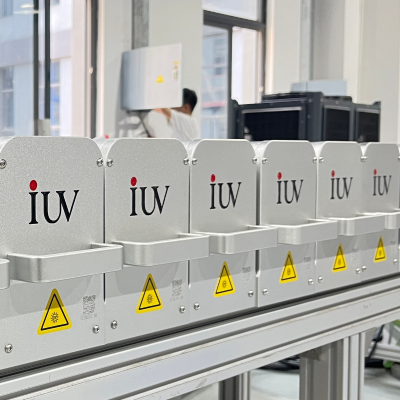
Proper LED-UV positioning is essential for achieving uniform curing across the print surface. Unlike mercury lamps, which emit broad and diffused energy, LED systems require precise alignment to ensure consistent irradiance.
Distance from substrate, reflector geometry, and installation angle all influence curing performance. In offset printing, uneven irradiance can lead to gloss variation, inconsistent coating hardness, or incomplete ink cure.
The upgrade checklist should include optical mapping of the press layout to determine optimal LED placement for each printing unit.
Step 6: Confirm Control System Integration
Modern LED-UV systems are often integrated into press control systems. This allows real-time adjustment of curing intensity, monitoring of system temperature, and synchronization with press speed.
Older offset presses using mercury UV systems may not support direct integration without modification. The upgrade checklist must verify compatibility with PLC systems, HMI interfaces, and production monitoring tools.
Integration improves process control and reduces operator intervention during job changes.
Step 7: Evaluate Production Workflow Impact
Switching from mercury to LED-UV affects production workflow in several ways. LED systems start instantly, eliminating warm-up delays. This improves job change efficiency and reduces downtime.
However, production parameters such as ink formulation, curing energy, and press speed may need adjustment. The checklist should include workflow simulation to identify optimal operating conditions after retrofit.
In label and packaging environments, especially those involving mixed offset and flexo production, workflow alignment is essential for maintaining consistency.
Step 8: Perform Risk Assessment and Failure Analysis
A structured upgrade checklist must include risk identification. Potential risks include under-curing, over-curing, substrate distortion, electrical mismatch, and cooling imbalance.
Each risk should be evaluated based on probability and impact. Mitigation strategies may include ink testing, trial runs, or phased installation.
In high-volume offset production, early identification of risks reduces downtime and prevents quality loss during transition.
Step 9: Conduct Pre-Installation Testing
Before full installation, controlled testing is essential. This includes substrate trials, ink performance validation, and curing consistency checks under different press speeds.
Testing should simulate real production conditions, including multi-color jobs, coating applications, and high-speed runs.
This step ensures that LED-UV performance aligns with production requirements before final system deployment.
Step 10: Final Validation and Production Readiness
The final checklist stage involves validating system performance across all operating conditions. This includes curing stability, color consistency, substrate behavior, and production speed compatibility.
Only after successful validation should full-scale production begin. This ensures a smooth transition and minimizes risk of disruption.
In modern offset printing environments, especially those integrated with label and hybrid production systems, final validation ensures long-term stability and performance reliability.
Conclusion
Building a comprehensive upgrade checklist from mercury UV to LED-UV is essential for successful offset press modernization. Each stage, from mechanical compatibility to ink validation and thermal assessment, plays a critical role in ensuring stable production.
In label printing, packaging, and narrow web offset applications, LED-UV technology provides significant advantages in efficiency, consistency, and environmental performance. However, these benefits are only fully realized when supported by a structured and well-executed upgrade process.
A detailed checklist ensures that every aspect of the press system is evaluated, reducing risk and enabling a smooth transition to modern LED-UV curing technology.