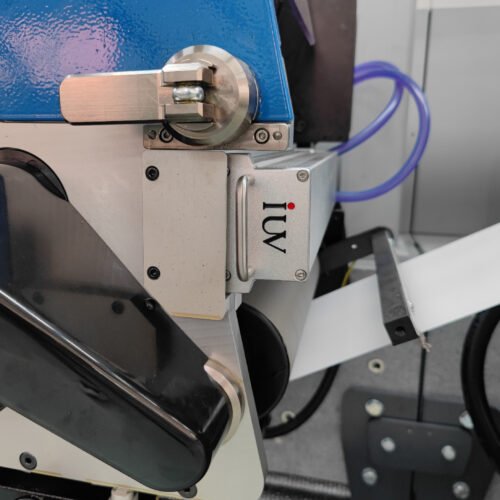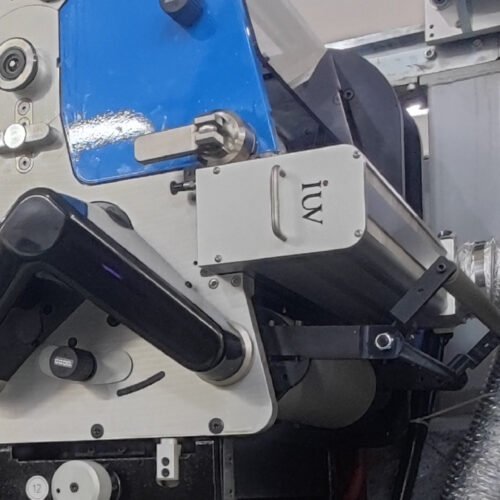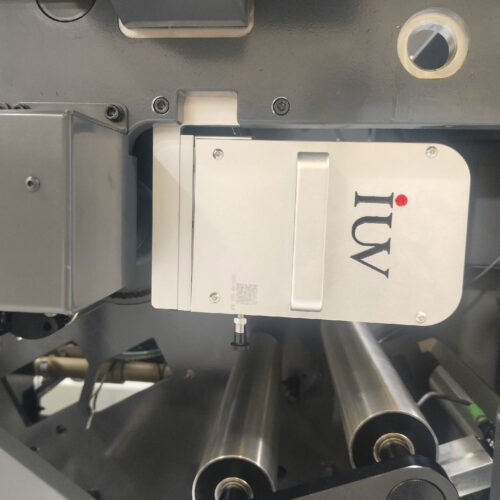
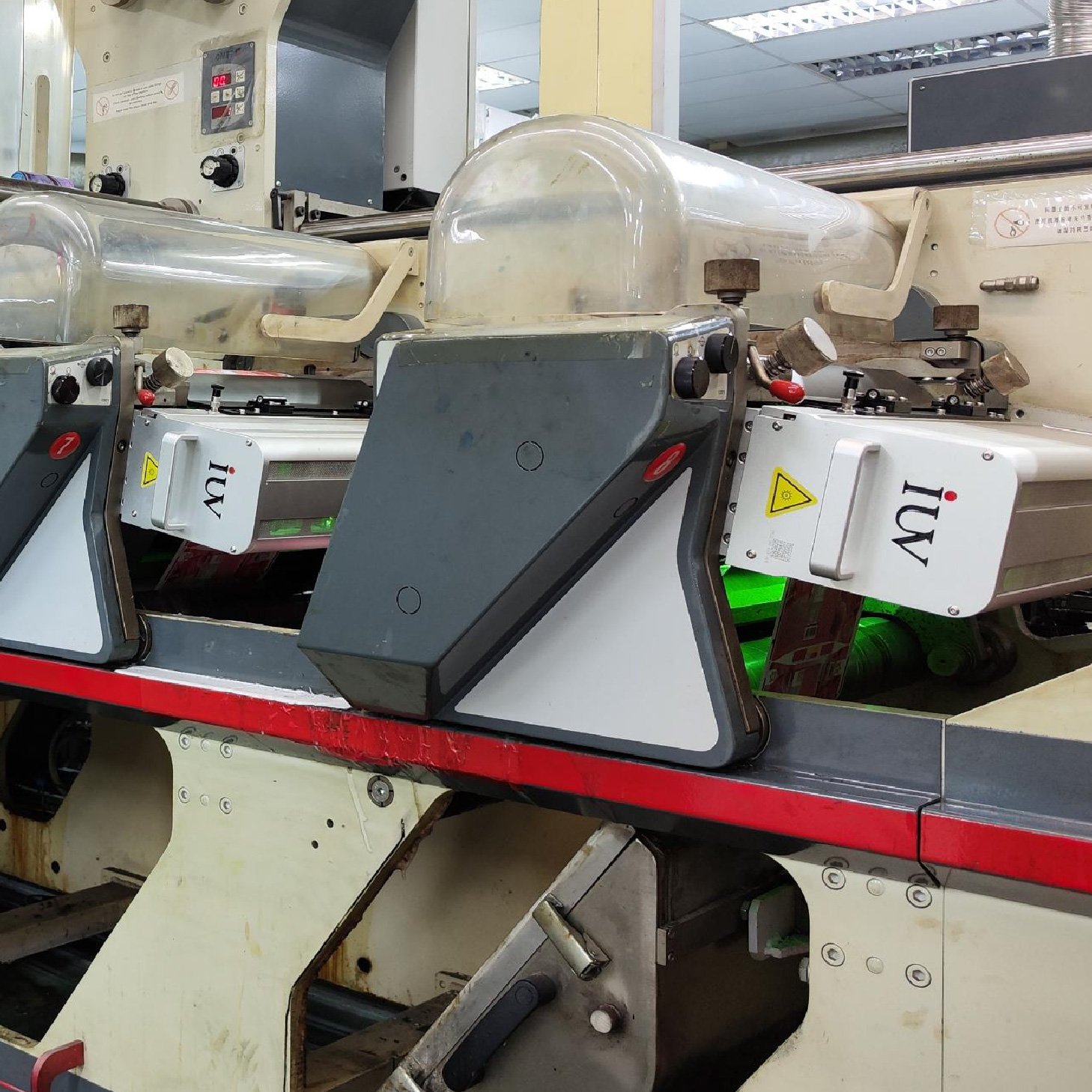
A modern label printing line is a symphony of processes. It often combines flexography for colors, offset for fine screens, screen printing for tactile varnishes, and hot or cold foil stamping for metallic effects. This multi-process capability is what allows converters to produce high-value, complex labels. However, it also introduces significant complexity into the UV curing stage. Each process may use a different ink or coating chemistry, each with unique spectral absorption needs and film thicknesses. A curing defect in one unit can compromise the entire job, leading to waste, rework, and missed deadlines. This guide provides a systematic, engineer-level approach to diagnosing and resolving the most common curing issues in these sophisticated production environments.
Understanding the Root Causes: More Than Just “Not Enough UV”
Curing defects in multi-process lines rarely have a single cause. They typically arise from an interaction between the light source, the material, and the process parameters. The first step is to move beyond the assumption that more power is always the answer. Instead, consider these four fundamental pillars: Spectral Match (Does the LED’s peak wavelength align with the photoinitiators in the ink?), Energy Delivery (Is the irradiance and dose sufficient for the film weight and speed?), Thermal Management (Is heat affecting the substrate or previously printed layers?), and Process Interference (Are residues from previous stations inhibiting adhesion?). A problem in adhesion, for example, could be due to under-cure, but it could equally be caused by silicone contamination from a preceding corona treater or improper ink formulation for the substrate.
Defect 1: Poor Adhesion and Scratch Resistance
This is the most critical and common complaint. When ink or coating can be easily scratched off or fails a tape test, the label is unusable.
- Diagnosis: First, identify if it’s a surface or through-cure issue. Perform a thumb-twist test immediately after curing. If the surface is soft and mars easily, it’s likely surface under-cure. If the surface seems hard but the ink delaminates from the substrate, it indicates poor through-cure or interfacial adhesion failure. Check if the issue is isolated to a specific station (e.g., only the white ink or only the screen varnish) or is systemic.
- Solution: For surface cure issues, verify the spectral match. A traditional UV ink under a 395nm LED may not initiate properly; switching to a 385nm LED-specific ink or utilizing a system with LED/Mercury interchange capability can provide the necessary spectral flexibility. For through-cure issues, increase energy density (J/cm²) by reducing speed or increasing irradiance. For interfacial failure, ensure the substrate is properly treated and that the ink is formulated for that specific material (e.g., PE, PET, PP).
Defect 2: Tackiness or Residual Surface Odor
A sticky surface indicates incomplete polymerization, often due to oxygen inhibition or insufficient energy.
- Diagnosis: Tackiness is usually felt immediately. Odor may indicate unreacted monomers or photoinitiators. Determine if the tackiness is uniform or patchy. Patchy tackiness often points to uneven irradiance across the web width or dirty lamp reflectors/optics.
- Solution: Increase irradiance to overwhelm oxygen inhibition at the surface. Ensure nitrogen inerting is functional if equipped. Clean all optical surfaces regularly. For systems with automatic width detection, confirm the sensors are correctly aligned so that curing energy is focused precisely on the web, creating a sharper, more effective cure profile. Verify that the cooling system maintains the LED array at optimal temperature, as overheating can reduce UV output.
Defect 3: Color Shift or Poor Ink Trapping
Colors appear dull or change hue, or wet inks do not lay down properly on a previously cured layer.
- Diagnosis: A color shift, particularly with whites turning yellow, can be caused by excessive heat from high-power mercury lamps or improperly cooled LED arrays. Poor ink trapping occurs when a previously cured layer has too high a surface energy or is overly cross-linked, preventing proper wetting of the next ink.
- Solution: Leverage the cool cure nature of LED-UV to eliminate heat-related yellowing. For ink trapping issues, fine-tune the cure level of the base layer. It should be fully cured for adhesion but not “over-cured” to a glassy state. Some advanced curing systems allow for a “tack cure” or differential curing modes between units to optimize intercoat adhesion.
Defect 4: Cracking or Reduced Flexibility
Common on labels applied to flexible containers that flex in use, causing the ink film to crack.
- Diagnosis: This is often a result of over-cure. Excessive UV energy leads to a highly cross-linked, brittle polymer network with no elasticity. It can also occur if a rigid ink (designed for paper) is used on a flexible film like PE.
- Solution: Reduce the UV dose. Employ smarter control systems that modulate power based on line speed to deliver the minimum effective dose, preserving flexibility. Consult with your ink supplier to ensure you are using a flexible-grade UV ink for filmic applications.
Implementing a Systematic Diagnostic Protocol
When a defect arises, avoid random adjustments. Follow a disciplined protocol:
- Isolate: Run the press with only the problematic unit engaged, if possible, to rule out process interference.
- Measure: Use a portable radiometer to check the UV intensity at the substrate plane. Compare readings across the web width to identify uniformity issues (>±3% variation is a concern).
- Inspect: Check for mechanical issues: Is the lamp at the correct focal distance? Are cooling lines unobstructed? Is the reflector clean?
- Document: Record substrate type, ink batch, speed, and all UV power settings. This log is invaluable for identifying patterns and finding root causes.
The Role of Smart System Architecture in Prevention
The best fix is prevention. Modern modular UV systems are designed with diagnostics in mind. Features like real-time remote monitoring can alert operators to a drop in LED current or a rise in temperature before it causes a production defect. A modular power supply design allows for quick hot-swap replacement of a suspect unit, minimizing downtime during troubleshooting. Furthermore, the inherent flexibility of an LED/Mercury interchange system acts as a built-in contingency plan, allowing you to switch curing technologies to match a challenging ink or substrate on the fly, ensuring line continuity and quality consistency.
Conclusion: From Reactive Fixing to Proactive Process Control
Diagnosing curing defects in a multi-process label line requires a blend of scientific understanding and methodical detective work. By moving from a reactive “turn up the power” mindset to a proactive analysis of spectral match, energy delivery, and process interactions, converters can dramatically improve their first-pass yield. Investing in intelligent curing systems with diagnostic capabilities and process flexibility is not merely an equipment upgrade; it is a strategic decision to gain mastery over the most critical variable in complex label production. This mastery translates directly into reduced waste, reliable throughput, and the consistent high quality that brand owners demand.