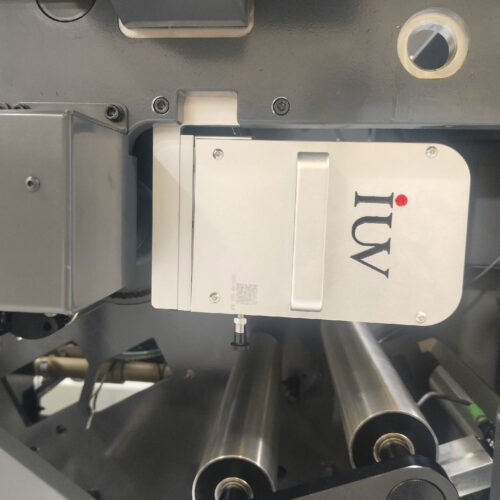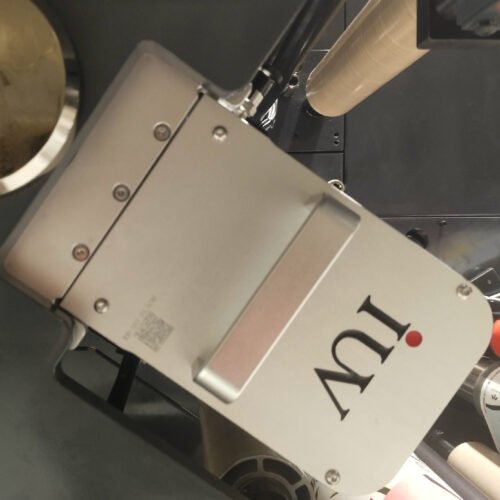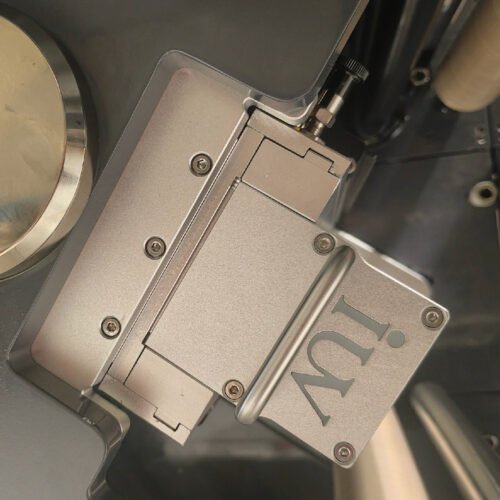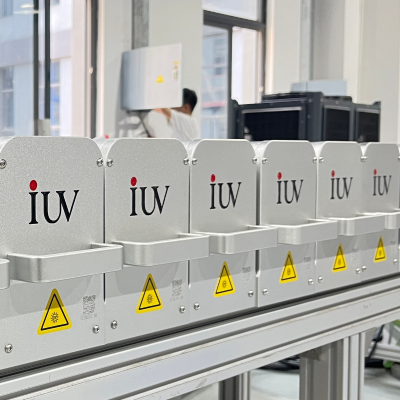
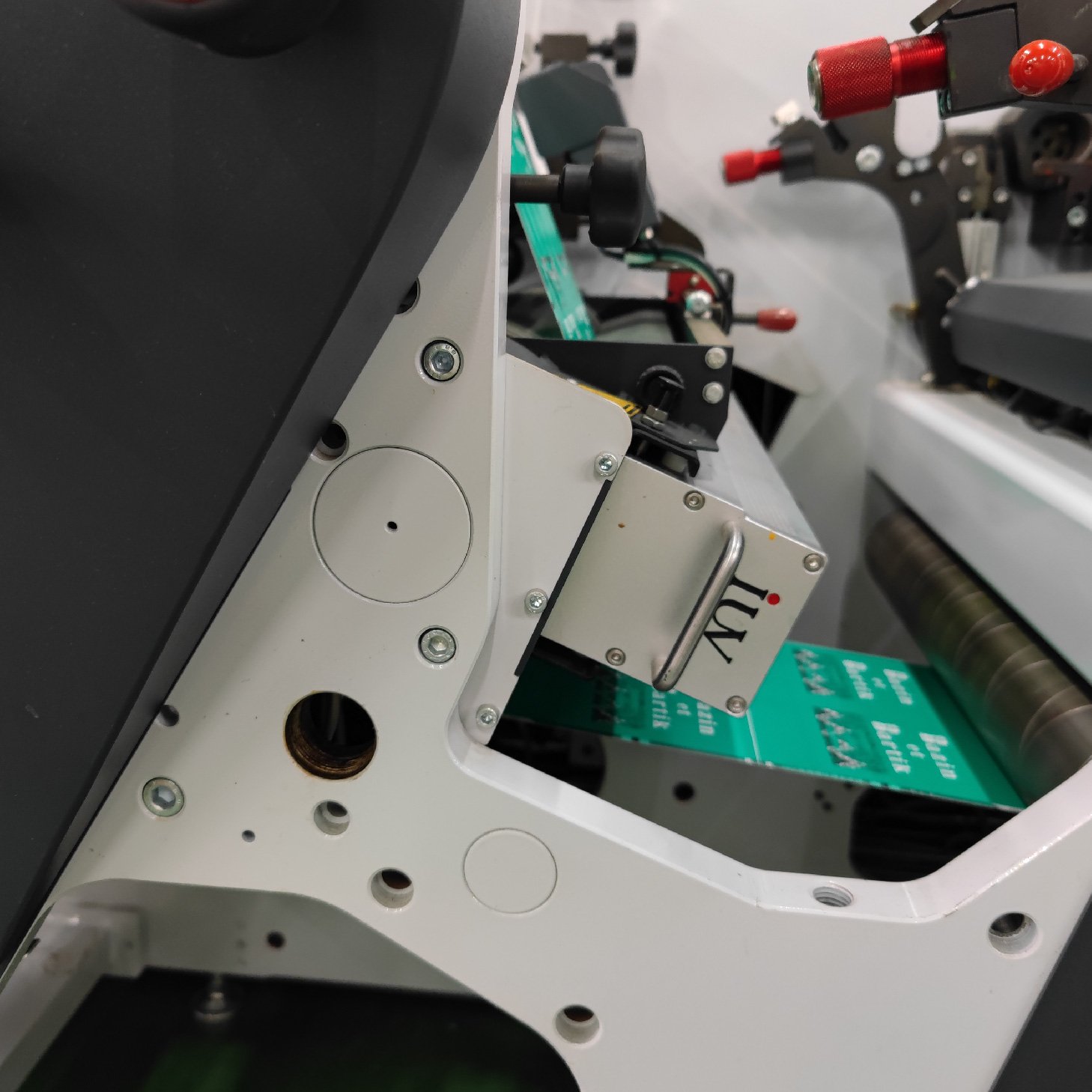
Maintaining consistent output uniformity across the web width in multi-station flexographic presses is a central concern in modern label and narrow web production. Variability in ink curing or transfer can lead to uneven gloss, adhesion problems, and functional failures in low migration applications, directly affecting both quality and production efficiency. In LED UV-integrated presses, this challenge is amplified due to the complex interaction between multiple lamp stations, ink chemistry, and substrate behavior.
A primary factor influencing web-wide uniformity is the distribution of UV energy across each print station. Non-uniform irradiance profiles can produce zones of under- or over-cured ink, resulting in visual defects and compromised adhesion. Achieving a homogeneous energy profile requires careful design of LED modules, including reflector geometry, lens alignment, and spacing relative to the substrate. The sequential arrangement of multiple stations introduces cumulative effects, where small deviations in one unit propagate downstream, highlighting the importance of precise calibration and maintenance across all lamp banks.
Ink-substrate interactions are another critical determinant of output uniformity. Substrate properties such as coating, porosity, and thermal response can influence polymerization kinetics, particularly with specialty or low migration inks. Inconsistent absorption or surface energy across the web width can exacerbate curing variability, necessitating detailed ink-substrate compatibility testing and pre-treatment considerations. Process engineers must evaluate these factors during both press setup and ongoing production runs to ensure reliable cross-web performance.
Thermal management within the press is essential to prevent localized heating that affects ink viscosity, substrate dimensional stability, and LED module performance. Multi-station configurations are particularly sensitive to heat accumulation, which can lead to uneven curing or even premature substrate deformation. Proper heat sinking, airflow management, and monitoring of surface temperatures across the web are required to maintain consistent curing conditions and protect both press components and product integrity.
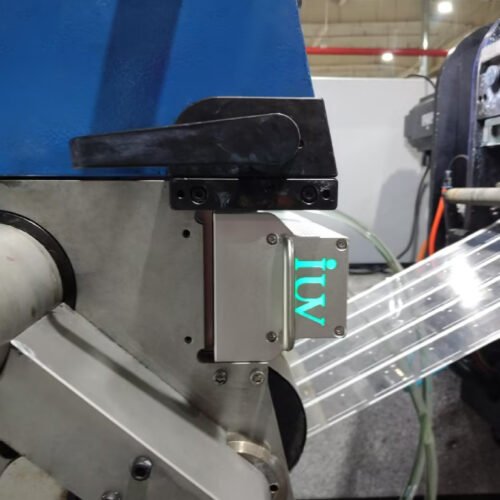
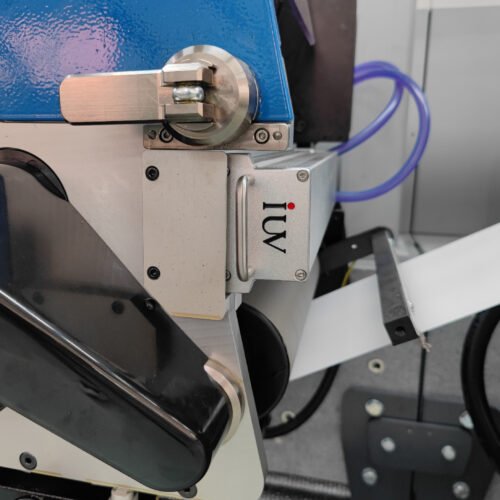
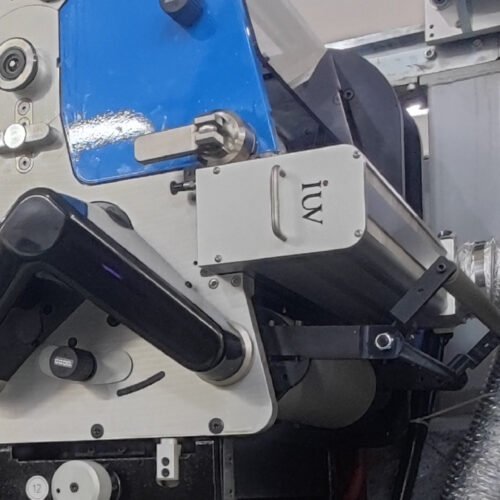
Retrofitting existing presses with LED UV systems introduces additional challenges in achieving uniform output. Lamp positioning, web tension control, and alignment of impression cylinders must be carefully adjusted to match the original press dynamics. Variations in mechanical tolerances, such as cylinder diameter or roll pressure, can influence the interaction between ink and substrate, making precise integration critical. Commissioning protocols should include detailed cross-web calibration, iterative testing, and validation against adhesion, hardness, and low migration criteria.
From a production perspective, uneven curing across the web affects operational efficiency. Under-cured areas may require slower press speeds, additional post-curing, or increased ink usage, while over-cured regions can produce brittle or distorted labels. Implementing in-line monitoring solutions, combined with offline verification of curing uniformity, allows engineers to make timely adjustments and maintain stable, high-quality output.
Ensuring output uniformity across multi-station flexographic presses is a multidimensional engineering challenge that requires the integration of LED UV system design, ink and substrate selection, thermal management, and mechanical press adjustments. By systematically addressing these factors, production teams can maintain consistent cross-web performance, reduce waste, and achieve stable, reproducible results across a wide range of substrates and ink formulations, supporting both technical and regulatory requirements.