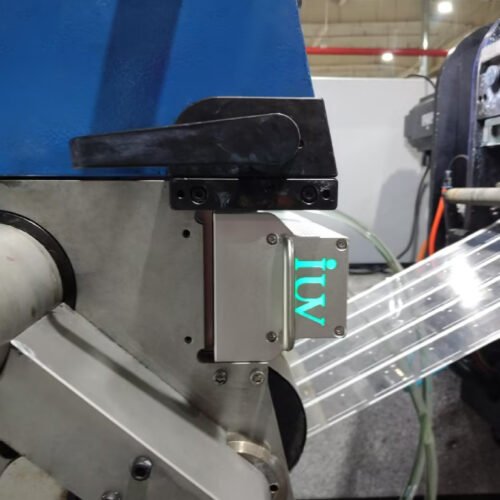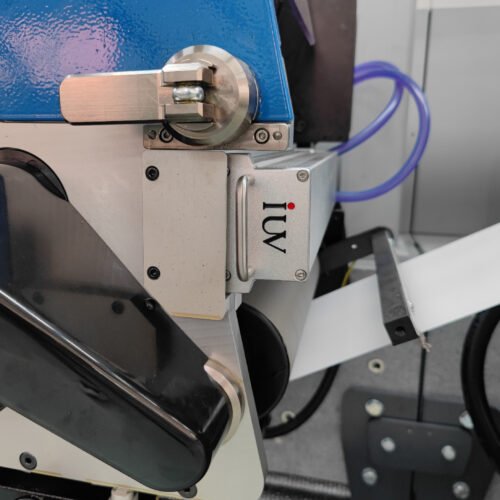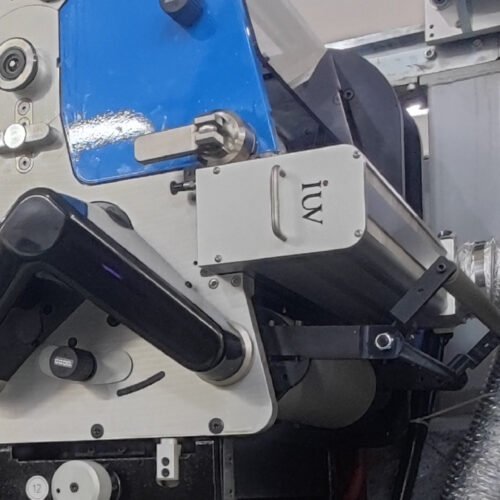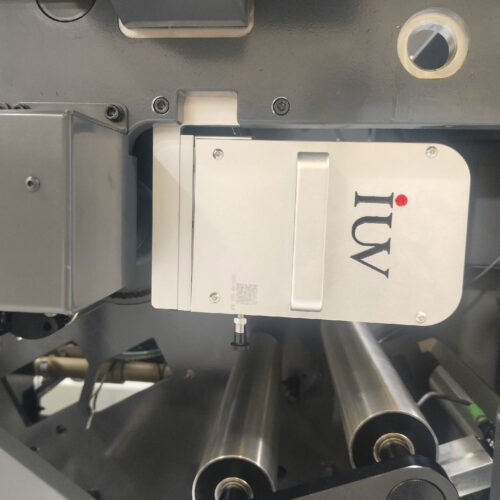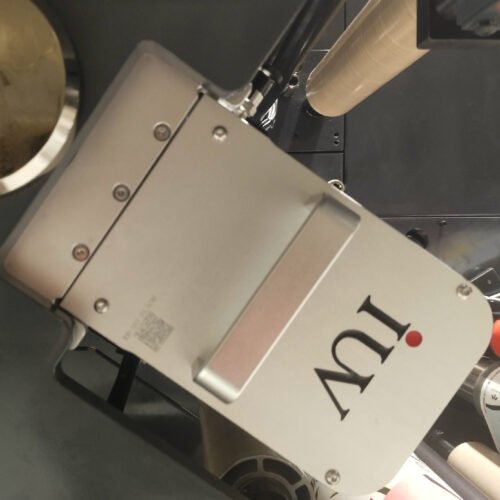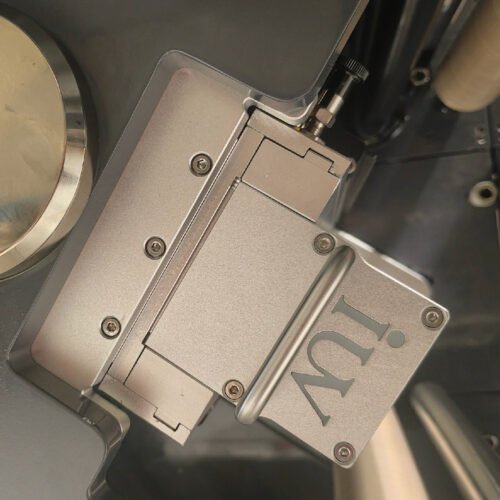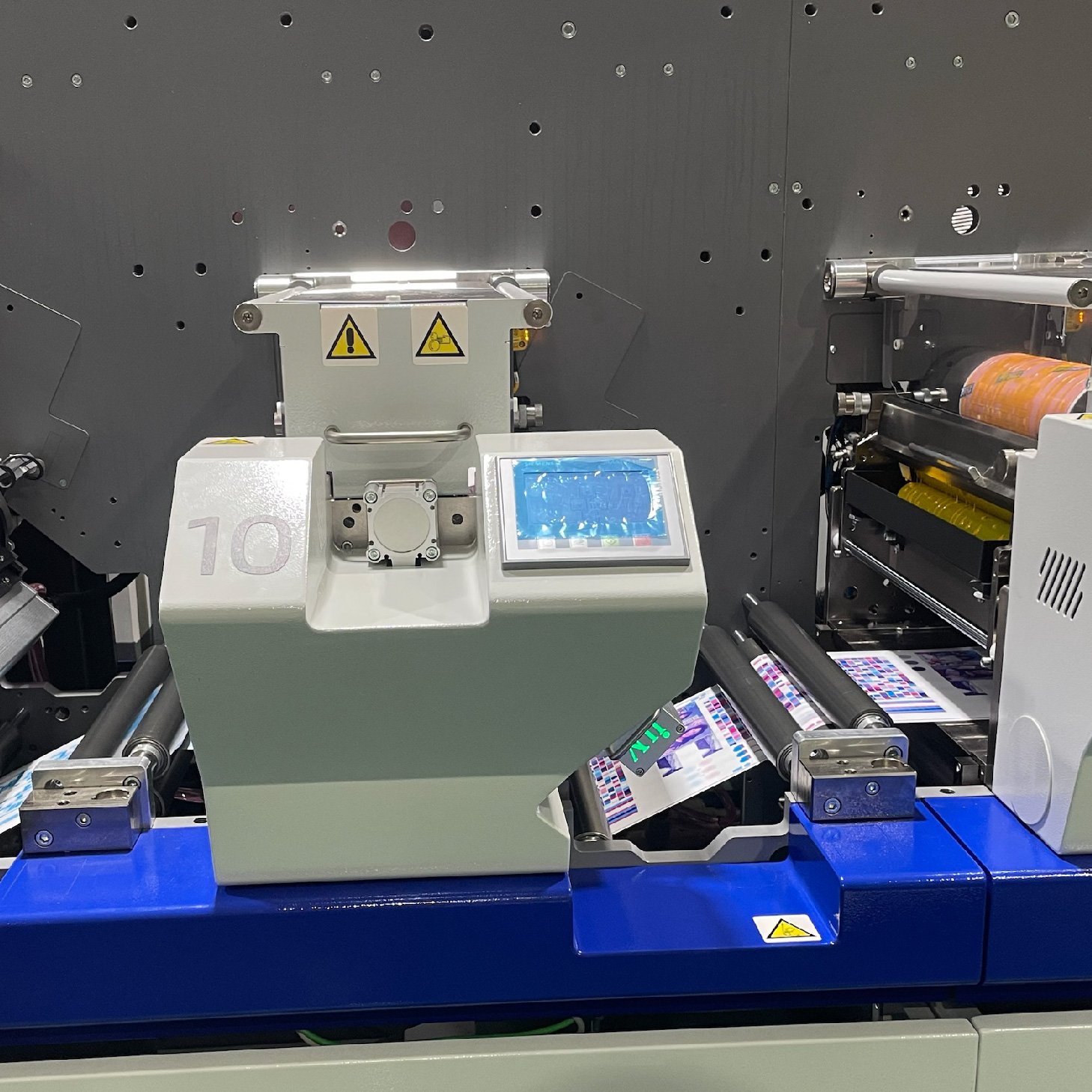
The printing industry is moving away from traditional mercury vapor lamps. For decades, these lamps served as the backbone of UV curing. However, they come with a significant byproduct: ozone. Modern label pressrooms now prioritize cleaner, more efficient alternatives. Ozone-free UV curing, particularly through LED technology, is changing the landscape of narrow web and flexographic printing. This review examines why this shift is happening and how it benefits high-speed production environments.
The Chemistry of Ozone Generation in Printing
Traditional UV lamps operate by creating an electric arc through vaporized mercury. This process emits a broad spectrum of light. Wavelengths below 240 nanometers interact with oxygen molecules in the air. This interaction breaks the oxygen bonds and forms ozone (O3).
Ozone is a powerful oxidant. While useful in some industrial applications, it is a respiratory irritant in the pressroom. To manage this, printers must install expensive exhaust systems. These systems pull ozone-laden air out of the building. This adds complexity to the press installation and increases energy consumption.
Ozone-free solutions eliminate this requirement at the source. UV LED systems, for instance, emit light at specific, narrow wavelengths. Most curing LEDs peak at 365nm, 385nm, or 395nm. Since these wavelengths are well above the 240nm threshold, they cannot produce ozone. This fundamental difference simplifies pressroom design and improves air quality.
Impact on Label Printing and Narrow Web Applications
Label printing often involves thin, heat-sensitive films. Conventional mercury lamps generate a massive amount of infrared heat. This heat can warp or stretch plastic substrates. Distorted material leads to registration issues and wasted stock.
Ozone-free LED curing operates at much lower temperatures. The “cold” cure characteristic of LEDs allows narrow web converters to use thinner, cheaper films. This capability opens new markets for shrink sleeves and flexible packaging.
In a narrow web environment, space is at a premium. Removing the bulky ductwork required for ozone extraction frees up overhead space. It also reduces the noise levels in the facility. Operators can work closer to the machinery without the constant hum of high-powered exhaust fans.
Performance in Flexographic and Offset Pressrooms
Flexo and offset printing require consistent ink curing to maintain high speeds. Some skeptics once worried that LED curing couldn’t match the “through-cure” of mercury lamps. Modern ink chemistry has solved this. Photoinitiators in today’s UV inks are specifically tuned to the narrow output of LED chips.
In flexographic printing, ozone-free UV LED systems provide a more stable output over time. Traditional lamps degrade quickly. Their intensity drops after a few hundred hours of use. This forces operators to slow down the press to ensure a full cure. LEDs maintain consistent intensity for over 20,000 hours.
For offset printing, the benefits extend to the “dry-to-touch” finish. Ozone-free UV systems allow for immediate finishing processes. There is no need to wait for ink to oxidize or dry. Sheets can move straight from the press to the die-cutter or folder. This speed increases the overall equipment effectiveness (OEE) of the shop.
Energy Efficiency and Cost Management
Energy costs are a major concern for any modern pressroom. Mercury lamps require a warm-up period and a cool-down period. They are often kept in a “shuttered” state when the press is idling. This consumes electricity even when no printing is happening.
Ozone-free LED systems offer instant on-off capabilities. They only draw power when the press is actually running. This can lead to energy savings of up to 50% or more. Furthermore, the absence of exhaust fans reduces the load on the building’s HVAC system. You are no longer pumping climate-controlled air out of the building just to remove ozone.
Maintenance costs also drop. There are no bulbs to replace every 1,000 hours. There are no reflectors to clean or shutters to grease. The solid-state nature of LED modules means fewer moving parts and less downtime.
Substrate Versatility and Ink Adhesion
Modern label designs often use a mix of substrates, from textured papers to metallic foils. Ozone-free UV curing enhances the bond between the ink and these challenging surfaces.
Because LED systems provide a concentrated peak of energy, the polymerization process is rapid. This prevents ink from spreading or soaking too deeply into porous stocks. The result is sharper dots and more vibrant colors.
In narrow web flexo, this technology allows for better control of dot gain. Since the ink is pinned almost instantly, there is less time for the dots to grow. This precision is vital for high-resolution graphics and small-text pharmaceutical labels.
Improving the Pressroom Environment
The removal of ozone and heat creates a better workplace. High ozone levels can cause headaches and throat irritation for press operators. Long-term exposure is a serious health concern. Moving to ozone-free technology demonstrates a commitment to staff welfare.
The reduction in heat also makes the pressroom more comfortable. Traditional UV presses can raise the ambient temperature of a room significantly. By using “cool” LED technology, the workspace stays at a more stable temperature. This stability also helps the printing press itself. Metal components expand and contract less, which helps maintain tight mechanical tolerances.
Compatibility and Retrofitting
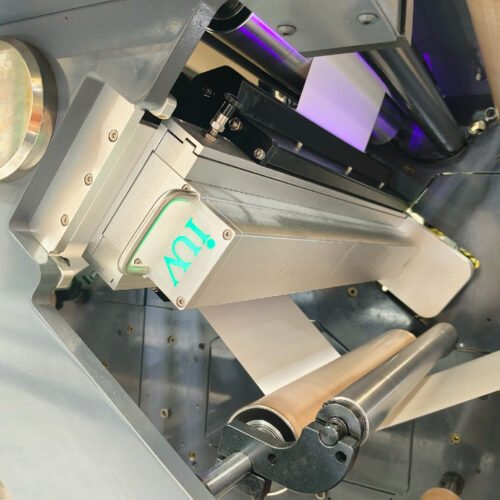
Many printers are not ready to buy a brand-new press. Retrofitting existing equipment with ozone-free UV LED systems is a popular middle ground. Modern LED modules are compact and designed to fit into the spaces previously occupied by lamp housings.
When retrofitting, it is important to match the ink to the light source. Most major ink manufacturers now offer “dual-cure” or “LED-specific” ink sets. These inks react perfectly with ozone-free systems. The transition is often seamless and can be completed in a few days.
Narrow web presses are particularly well-suited for these upgrades. The modular design of many flexo presses allows for a station-by-station transition if budget is a concern.
Comparing Wavelengths: 365nm vs. 395nm
Choosing the right wavelength is a technical decision for the engineer. Most ozone-free systems for label printing use 395nm. This wavelength penetrates deep into the ink layer. It ensures that the bond at the substrate level is secure.
365nm is often used for surface curing or specialized coatings. Some hybrid systems use a combination of different LED chips to provide a broad-spectrum effect without generating ozone. This flexibility allows the printer to handle everything from heavy whites to clear topcoats with the same equipment.
The focus should always be on the “irradiance” and “energy density.” Irradiance refers to the brightness of the light at the surface. Energy density refers to the total amount of energy delivered. Ozone-free LED systems excel at delivering high irradiance, which is the key to high-speed curing.
Reliability and Long-Term Stability
One of the greatest advantages of ozone-free UV LED is its longevity. A standard mercury lamp might last 1,500 hours before it fails or becomes too weak. An LED module can last 20,000 to 30,000 hours.
This longevity translates to years of consistent production. The pressroom manager does not need to worry about the “drift” in cure quality that happens as lamps age. The first label of the day will look exactly like the last label of the day, even after months of operation.
This stability is vital for brand owners. They demand color consistency across different runs. Ozone-free LED curing provides the repeatable environment necessary to meet these strict brand standards.
The Financial Reality of the Transition
The initial investment in ozone-free LED technology is higher than mercury systems. However, the calculation changes when looking at the total cost of ownership.
Factor in the following:
- Lower monthly electricity bills.
- Zero costs for replacement bulbs.
- Reduced waste from heat-related substrate damage.
- Lower insurance premiums due to reduced fire risk and improved safety.
- Increased press speeds on many jobs.
Most pressrooms see a return on investment within 18 to 24 months. For high-volume label converters, the payback can be even faster.
Looking Forward: The Standard for Modern Pressrooms
Ozone-free UV curing is no longer a niche technology. It is becoming the standard for new press installations worldwide. The combination of environmental safety, energy efficiency, and superior print quality is too strong to ignore.
In the narrow web and label sectors, the shift is nearly complete. Flexo and offset printers are following suit as they recognize the operational advantages. By removing ozone from the equation, printers create a cleaner, faster, and more profitable future.
The transition to these solutions represents a logical step in the evolution of printing. It balances the need for high-speed production with the reality of environmental responsibility. For the modern pressroom, the choice is clear: ozone-free is the way forward.