Printing on heat-sensitive label materials presents a unique challenge. Traditional heat-activated curing methods can easily damage these delicate substrates, leading to warping, discoloration, or complete material failure. However, the advent of UV curing technology, particularly LED UV curing, offers a powerful solution for printers seeking high-quality, durable labels without compromising material integrity. This guide delves into the intricacies of managing UV curing processes specifically for heat-sensitive label materials, covering flexographic, offset, and narrow web printing applications.
Understanding the Heat-Sensitive Label Landscape
Heat-sensitive label materials, often found in applications like food packaging, pharmaceuticals, and chemical containers, are designed to react to temperature changes. This sensitivity is crucial for their intended function, but it creates a significant hurdle in the printing process. Applying excessive heat during ink curing can prematurely activate these materials, rendering them unusable or affecting their performance. This necessitates a shift towards curing technologies that generate minimal heat.
The Advantage of UV Curing for Sensitive Substrates
UV curing utilizes ultraviolet light to initiate a photochemical reaction that polymerizes ink, coating, or adhesive. Unlike thermal curing, which relies on heat to evaporate solvents or drive cross-linking, UV curing is a rapid, low-temperature process. This makes it inherently suitable for heat-sensitive materials.
Key Benefits of UV Curing for Heat-Sensitive Labels:
- Low Heat Generation: The primary advantage is the minimal heat output compared to thermal drying or conventional UV lamps. This directly protects the integrity of the label substrate.
- Instantaneous Curing: UV curing happens in fractions of a second, allowing for faster production speeds.
- Excellent Durability: UV-cured inks and coatings offer superior scratch, chemical, and fade resistance.
- Environmentally Friendly: UV inks are typically 100% solids, meaning they contain no volatile organic compounds (VOCs), contributing to a healthier working environment and reduced environmental impact.
LED UV Curing: The Pinnacle of Low-Temperature Performance
While traditional mercury vapor UV lamps have been the standard, they generate significant heat as a byproduct of their operation. This can still pose a risk to very sensitive materials. Light Emitting Diode (LED) UV curing technology represents a significant advancement.
LED UV systems emit UV light at specific wavelengths, optimized for curing particular ink formulations. Their benefits for heat-sensitive materials are profound:
- Near-Zero Heat Output: LEDs generate a much narrower spectrum of light and produce significantly less heat than mercury lamps. This makes them ideal for the most delicate substrates.
- Energy Efficiency: LEDs are far more energy-efficient, consuming less power and leading to reduced operational costs.
- Longer Lifespan: LED lamps have a considerably longer operational life than mercury lamps, reducing downtime and replacement costs.
- Instant On/Off: LEDs can be switched on and off instantly, allowing for precise control and further minimizing heat exposure when not actively curing.
Managing UV Curing Parameters for Optimal Results
Successfully implementing UV curing on heat-sensitive label materials requires meticulous control over several key parameters. It’s not simply about pointing a UV lamp at the ink.
1. Ink Formulation is Paramount
The ink itself is the first line of defense against heat-related issues. Choosing UV ink specifically designed for heat-sensitive substrates is crucial.
- Low-Migration Inks: For food packaging, low-migration UV inks are essential to prevent chemicals from transferring to the product. These inks are formulated to cure completely and bind effectively.
- Fast-Curing Formulations: Inks designed for rapid UV curing will require less exposure time, thus less potential for heat buildup.
- Wavelength Specificity: Modern UV inks are formulated to cure efficiently at specific UV wavelengths, which often align perfectly with the output of LED UV systems.
2. Wavelength Selection: Matching Lamp to Ink
Different UV lamps emit light across various wavelengths. For optimal curing and minimal heat, it’s vital to match the lamp’s output spectrum to the ink’s absorption spectrum.
- 365 nm and 395 nm LEDs: These are common wavelengths for UV curing, particularly effective for many modern UV ink formulations.
- Understanding Absorption Peaks: Consult with your ink supplier to understand the primary absorption wavelengths of your chosen ink. This ensures the most efficient energy transfer and rapid cure.
3. Irradiance and Dose: The Right Amount of Energy
Irradiance refers to the intensity of UV light (power per unit area, often measured in W/cm²). Dose is the total amount of UV energy delivered to the ink (irradiance multiplied by exposure time, often measured in mJ/cm²).
- Balancing Intensity and Speed: Higher irradiance allows for faster web speeds or shorter exposure times, both contributing to reduced heat accumulation. However, too high an irradiance can lead to surface cure only, with the ink below remaining uncured.
- Achieving Complete Cure: The goal is to deliver sufficient UV dose for complete polymerization throughout the ink layer. This is particularly important for adhesion and durability.
- Testing and Verification: Use a radiometer to measure the UV dose delivered at the substrate level. This is critical for consistent results and troubleshooting.
4. Web Speed and Exposure Time: The Dance of Efficiency
The speed at which the label material moves under the UV lamp directly influences the exposure time.
- Optimizing for Production: Higher web speeds are desirable for productivity. However, these must be balanced with the need for adequate UV exposure time to achieve a full cure.
- Cooling Between Stations: In multi-color printing, consider installing cooling units (air knives or chill drums) between printing stations, especially if UV curing is applied after each station. This helps dissipate any residual heat before the material reaches the next color or curing unit.
5. Lamp Placement and Distance: Proximity Matters
The distance between the UV lamp and the substrate can impact both curing efficiency and heat transfer.
- Closer is Often Better (Within Limits): Generally, placing the UV lamp closer to the substrate increases irradiance and improves curing efficiency. However, ensure there is adequate clearance to prevent physical contact and to allow for airflow.
- Airflow Management: Strategic use of air knives can help cool the substrate and remove any heated air around the lamp, further mitigating heat buildup.
Specific Applications: Flexo, Offset, and Narrow Web
The principles of managing UV curing on heat-sensitive materials apply across different printing methods, with some nuanced considerations.
Flexographic Printing
Flexo printing is highly popular for narrow web label production.
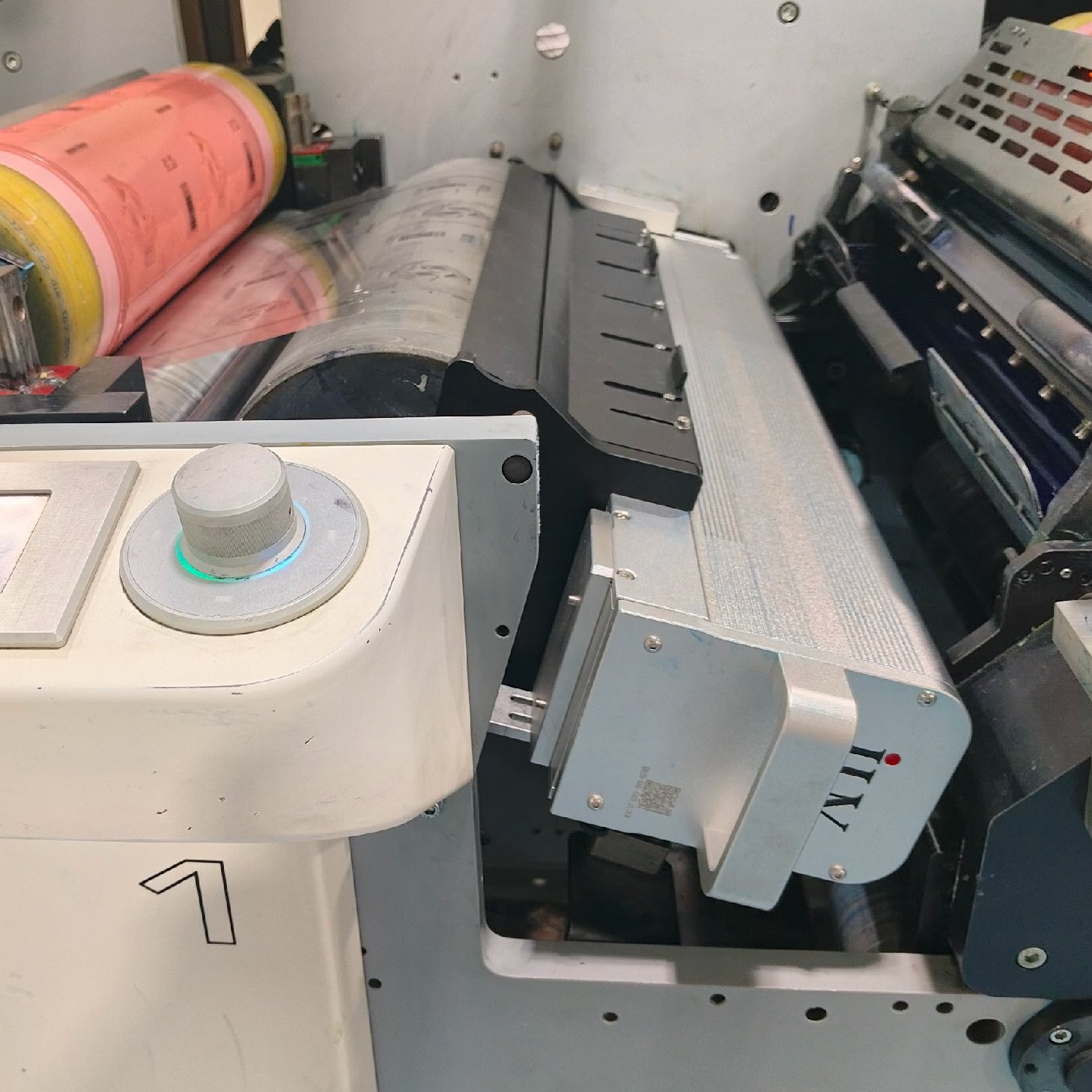
- Inline Curing: Most narrow web flexo presses are equipped with inline UV curing units, often LED. Managing web speed and lamp power is crucial.
- Multiple Curing Stations: For process color printing or high-opacity whites, multiple UV curing stations are common. Ensuring sufficient cooling between stations is key when dealing with heat-sensitive stocks.
- Anilox Roll Considerations: While not directly related to UV curing, ensure your anilox rolls are suitable for the viscosity of your UV inks to avoid ink buildup that could potentially trap heat.
Offset Printing (Sheet-fed and Web)
Offset printing, especially web offset, is also used for label production.
- Higher Heat Potential: Traditional heat-set web offset inks generate significant heat. For heat-sensitive labels, UV offset printing is the preferred method.
- UV Offset Inks: These inks are specifically formulated for UV curing. Similar to flexo, managing irradiance, dose, and cooling between stations is vital.
- Sheet-fed Offset: If printing heat-sensitive labels on a sheet-fed offset press, ensuring adequate cooling of the sheet stack after printing and curing is important to prevent heat transfer from the cured ink to the substrate from the underside.
Narrow Web Printing
This encompasses most flexographic and some digital label printing presses.
- Integrated Solutions: Narrow web presses are often designed with UV curing as an integral part of the press architecture. This allows for optimized integration of lamp placement and web handling.
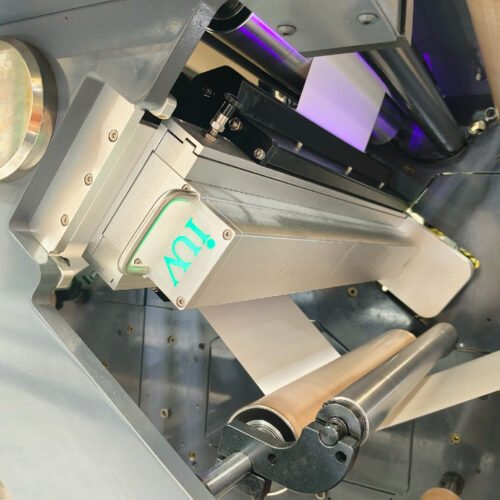
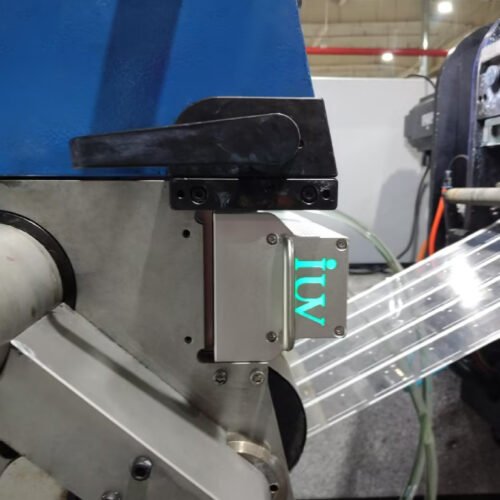
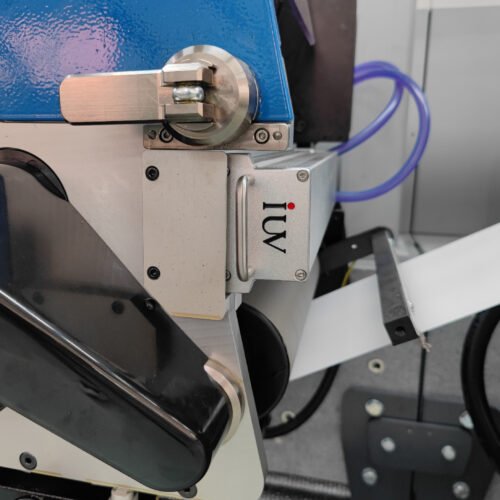
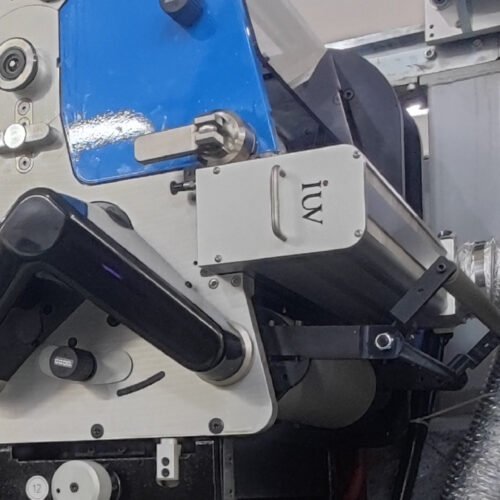
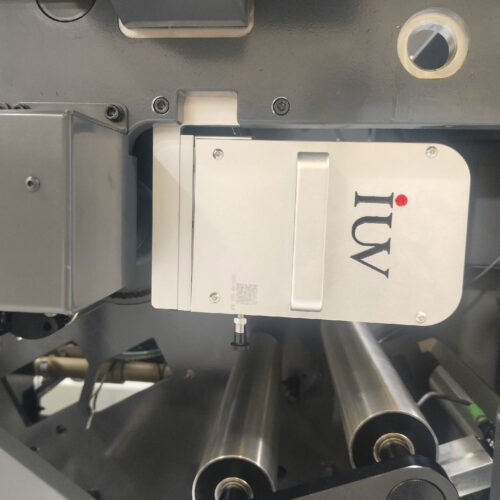
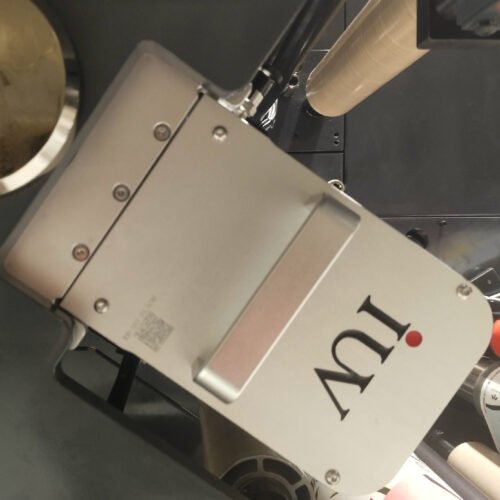
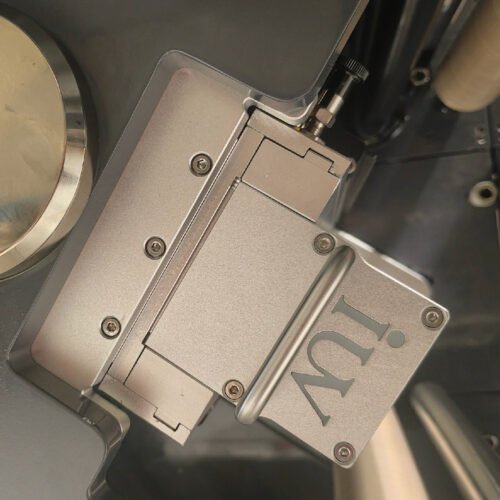
- Compact Curing Units: LED UV curing units are compact, making them easy to install and integrate into tight press spaces.
- Focus on Precision: The narrow width of the web means that precise control over UV energy distribution across the entire width is essential for consistent curing.
Troubleshooting Common Issues
Even with careful management, challenges can arise.
- Incomplete Cure: If labels show poor rub resistance or ink smudges easily, it indicates an insufficient UV dose. Check radiometer readings, lamp health, and web speed.
- Substrate Deformation or Discoloration: This points to excessive heat. Re-evaluate lamp distance, irradiance, web speed, and consider increased airflow or cooling between stations. Ensure you are using a low-heat UV LED system.
- Adhesion Problems: Sometimes, poor adhesion can be a symptom of incomplete cure or contamination. Ensure the substrate surface is clean and that the UV dose is adequate for full polymerization.
Conclusion: The Future is Cool and Cured
UV curing, especially with the advancements in LED technology, has revolutionized the ability to print high-quality, durable labels on heat-sensitive materials. By understanding the specific needs of these substrates and meticulously controlling ink formulation, UV wavelength, irradiance, dose, and web handling, printers can achieve excellent results. Embracing these low-temperature curing solutions is not just about overcoming a technical hurdle; it’s about unlocking new possibilities for label design and functionality in a demanding market.