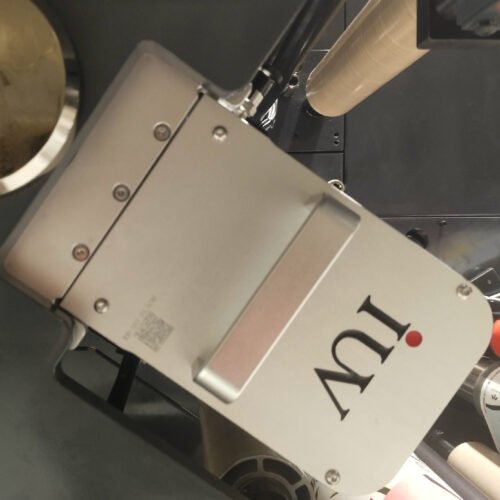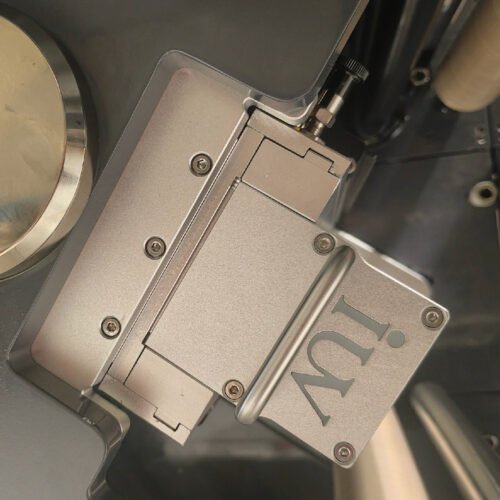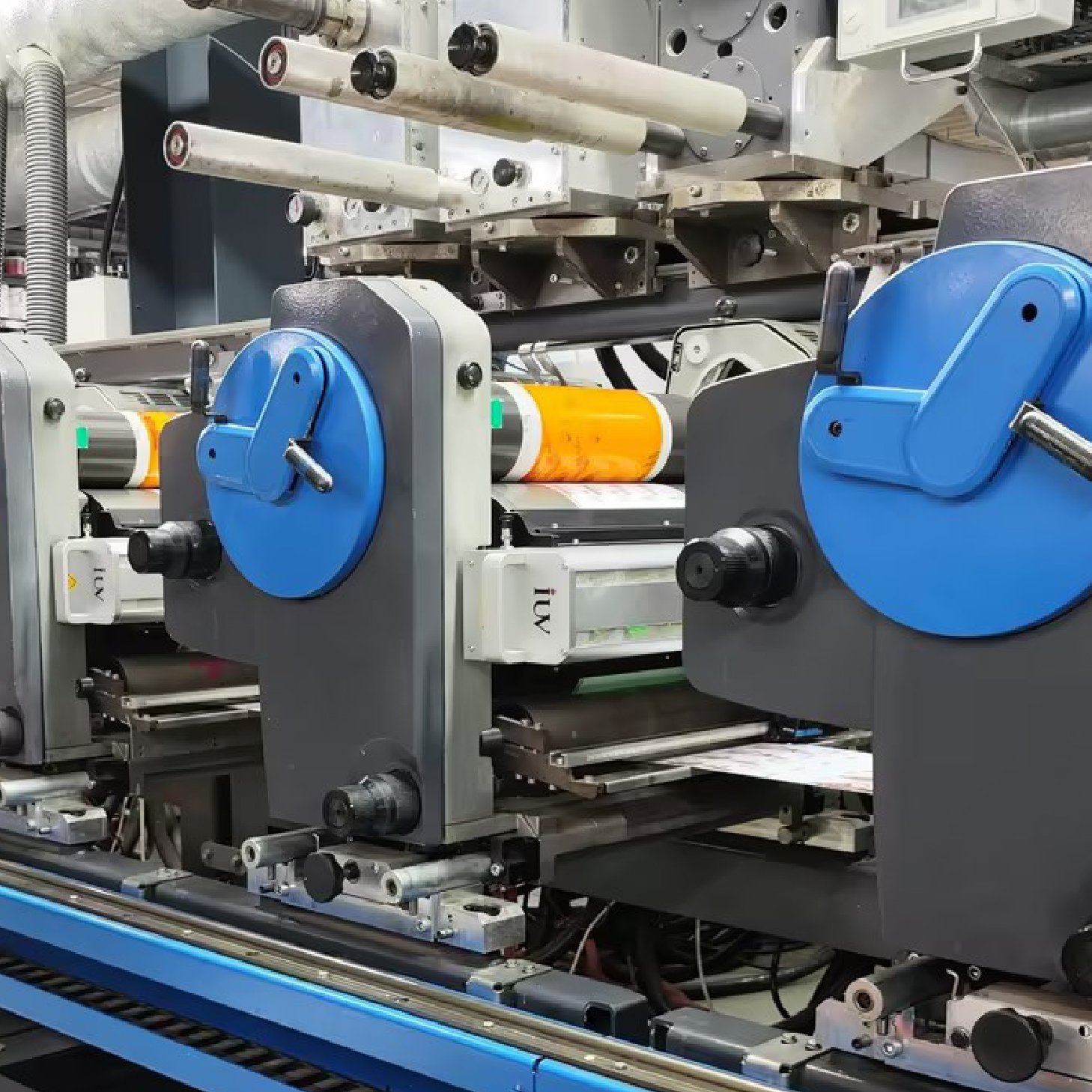
The printing industry is constantly evolving. Companies face growing pressure to adopt more environmentally friendly practices. This shift is driven by consumer demand, regulatory changes, and a genuine desire for a healthier planet. In the realm of narrow-web printing, a significant opportunity for emission reduction lies with LED UV curing technology. This approach offers a compelling path toward more sustainable label and packaging production.
Traditional UV curing systems often rely on mercury vapor lamps. These lamps consume a considerable amount of energy. They also emit harmful VOCs (Volatile Organic Compounds) and ozone. Furthermore, the heat generated by these lamps can impact the print substrate. This often necessitates additional cooling measures, further increasing energy consumption. The disposal of mercury-containing lamps also presents an environmental challenge.
Narrow-web flexography is a cornerstone of the label and packaging sector. It is widely used for producing self-adhesive labels, flexible packaging, and shrink sleeves. The efficiency and speed of flexo printing make it ideal for high-volume production. However, integrating sustainable practices into this high-demand workflow is paramount. This is where LED UV curing technology truly shines.
The Advantages of LED UV Curing
LEDs (Light Emitting Diodes) offer a fundamentally different approach to UV curing. Instead of a broad spectrum of light, LEDs emit a very specific wavelength. This targeted emission is highly efficient. It means more of the energy is used directly for curing the ink or coating. This translates into significant energy savings compared to traditional mercury lamps. Studies have shown energy consumption reductions of up to 70% or more.
Beyond energy efficiency, LEDs produce virtually no ozone. This eliminates the need for costly and energy-intensive exhaust ventilation systems. The reduced heat output from LEDs also benefits the printing process. It allows for printing on a wider range of heat-sensitive materials, such as thin films and delicate papers. This opens up new possibilities for product design and material selection, contributing to a more versatile and sustainable print operation.
Another key environmental benefit is the absence of mercury. LED lamps are mercury-free. This simplifies disposal and eliminates the risks associated with mercury contamination. The lifespan of LED lamps is also substantially longer than that of mercury lamps. This reduces maintenance downtime and the frequency of lamp replacement, further contributing to operational efficiency and reduced waste.
Narrow-Web Flexo and LED Integration
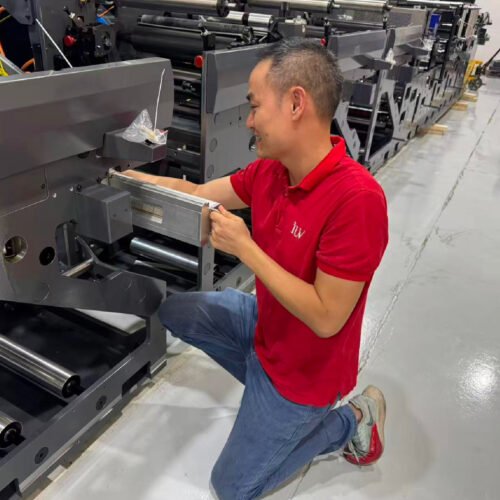
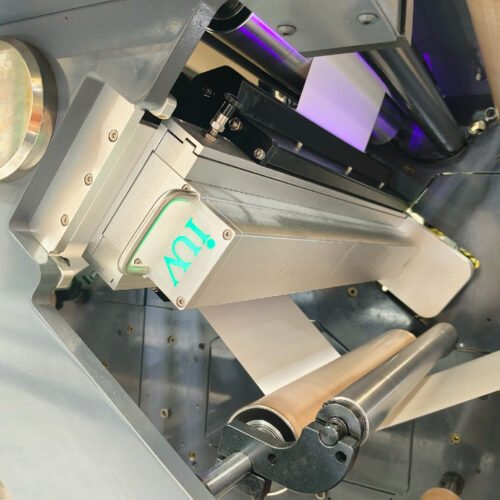
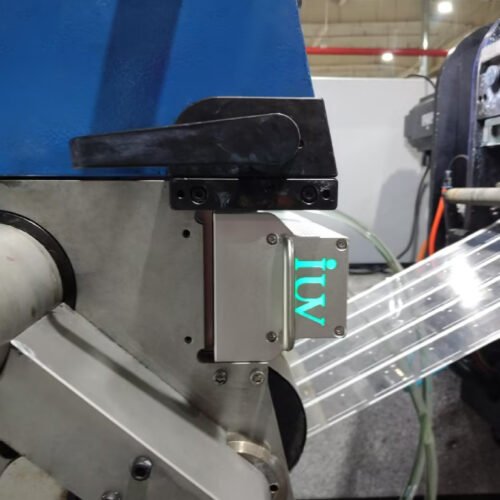
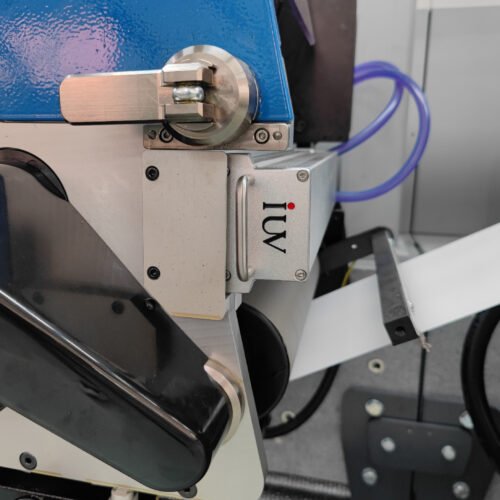
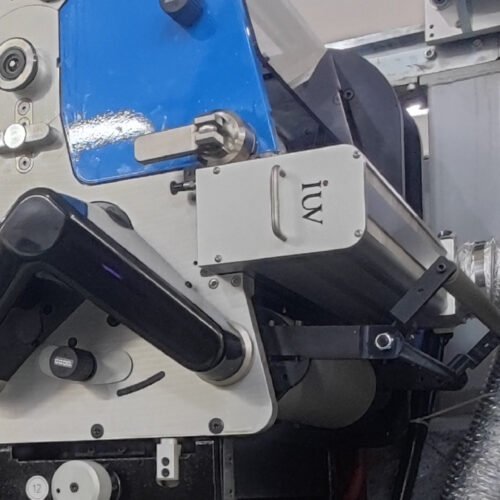
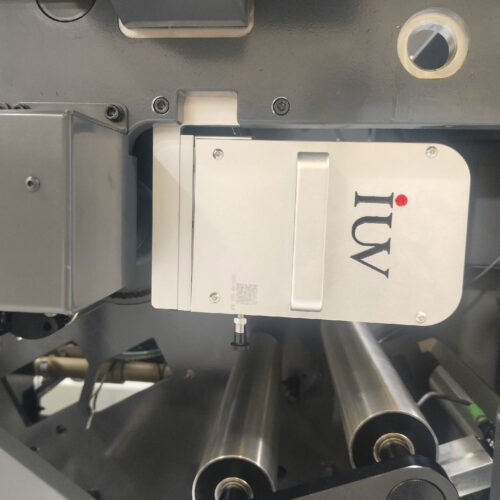
The integration of LED UV curing into narrow-web flexo presses is a natural progression. Modern flexo presses are designed for speed and precision. The consistent and instant curing provided by LEDs complements these attributes. When a flexo press is equipped with LED UV units, the print process becomes cleaner and more efficient.
The immediate cure allows for faster production speeds. It also enables immediate post-processing, such as slitting and rewinding, without ink smudging or transfer. This boosts overall throughput. For label printers, this means quicker turnaround times for their clients. For packaging converters, it means more agile production cycles.
The narrow web format is inherently efficient in material usage. By pairing this with low-emission LED curing, the environmental footprint is further minimized. The combination addresses two critical aspects of sustainable printing: material waste and energy/emission reduction.
Comparing with Other Printing Technologies
While this article focuses on narrow-web LED flexo, it’s useful to briefly consider other printing methods. Offset printing, particularly sheetfed offset, is another major player. However, adapting it for narrow-web applications is less common. For wider web applications, offset can also be energy-intensive. Adapting UV curing for offset can be complex and costly.
Gravure printing is excellent for very high volumes. It uses engraved cylinders, which require significant upfront investment and can lead to waste during setup. While UV curing can be used in gravure, the overall process is generally less flexible for shorter runs compared to flexo.
Digital printing offers flexibility. However, for very high volumes, it can sometimes be less cost-effective than flexo. The energy consumption of digital presses varies widely. The UV curing systems used in some digital presses also employ older technologies with higher emissions.
Narrow-web flexo, especially when combined with LED UV curing, strikes a powerful balance. It offers high-quality output, excellent speed, versatility for various substrates, and now, a significantly reduced environmental impact.
The “Low-Emission Solution” Aspect
The term “low-emission solution” is key here. It signifies a reduction in harmful outputs. With LED UV curing, this reduction is multi-faceted:
- Reduced VOCs: Many LED UV inks and coatings are formulated with zero or very low VOC content. This is a major advantage over traditional solvent-based inks. The curing process itself does not release significant amounts of volatile compounds.
- No Ozone Production: As mentioned, LEDs do not produce ozone, unlike mercury lamps. This improves workplace air quality and reduces the need for energy-consuming ventilation.
- Lower Energy Consumption: The high energy efficiency of LEDs translates directly to a lower carbon footprint for the printing operation. Less energy used means fewer greenhouse gas emissions from power generation.
- Reduced Waste: Longer lamp life means less waste from discarded lamps. The efficiency of the curing process can also lead to fewer print defects, reducing material waste.
Ink and Coating Formulations
The transition to sustainable printing also involves the inks and coatings themselves. The development of UV-curable inks and coatings has advanced significantly. For LED curing, these formulations are often optimized for specific wavelength outputs. This ensures efficient and complete curing.
Printers can now find a wide array of LED-curable inks and coatings. These include inks with enhanced rub resistance, vibrant color reproduction, and special effect finishes. The focus is increasingly on water-based UV inks and coatings where possible, further enhancing the sustainability profile. Compatibility with different substrates is also a critical area of ongoing research and development.
Challenges and Considerations
While LED UV curing offers substantial benefits, there are considerations for printers looking to make the switch. The initial investment in new LED curing units or a new press equipped with LED technology can be significant. However, this investment is often offset by long-term operational savings in energy, reduced waste, and lower maintenance costs.
The wavelength of the LED light needs to match the photoinitiators in the ink or coating. This requires careful selection and compatibility checks. Not all existing UV inks are suitable for LED curing. Printers may need to work with their ink suppliers to identify or develop appropriate formulations.
The intensity of LED lamps, while efficient, can sometimes be a limiting factor for very thick ink layers or certain types of coatings. However, advancements in LED technology and lamp configurations are continually addressing these limitations.
The Future of Sustainable Narrow-Web Printing
The trend towards sustainability in printing is undeniable. Narrow-web LED flexo represents a powerful and practical solution for companies looking to reduce their environmental impact. Its ability to deliver high-quality, efficiently produced labels and packaging with significantly lower emissions makes it an attractive option.
As technology continues to evolve, we can expect even more efficient LED systems and innovative ink formulations. The collaboration between press manufacturers, ink suppliers, and printers will be crucial. This collaboration will drive the adoption of these greener technologies.
For label and packaging converters, embracing narrow-web LED flexo is not just about meeting environmental regulations or consumer expectations. It’s about future-proofing their business. It’s about positioning themselves as responsible industry leaders. It’s about printing with a conscience, efficiently and sustainably. The shift to low-emission printing solutions is no longer a distant possibility; it is a present reality, and narrow-web LED flexo is leading the charge.