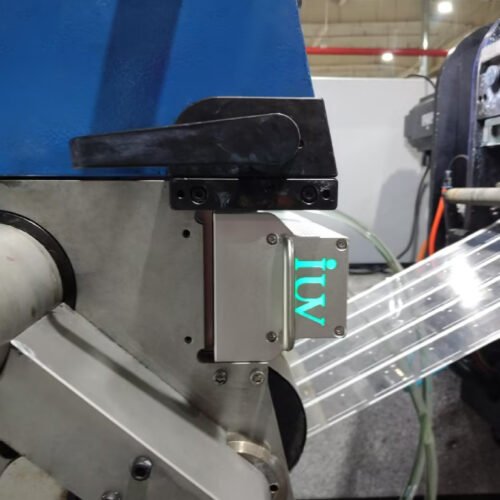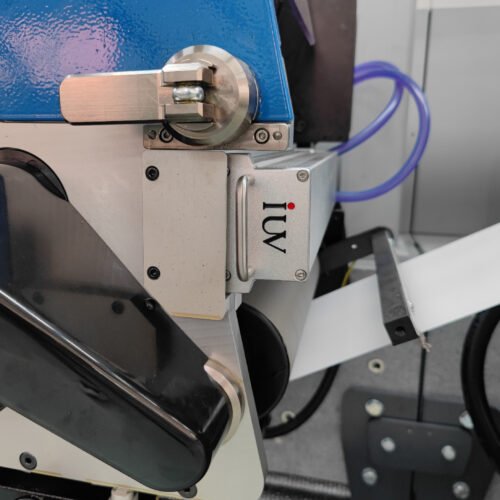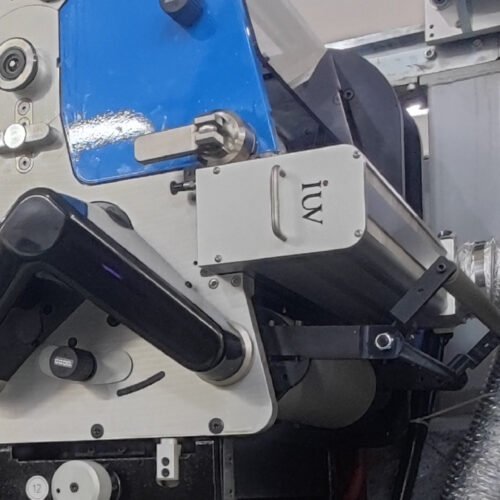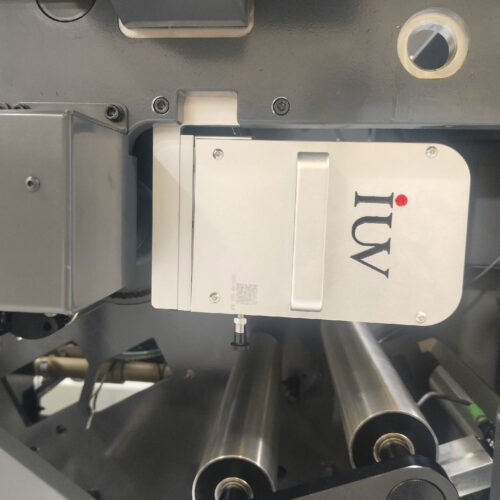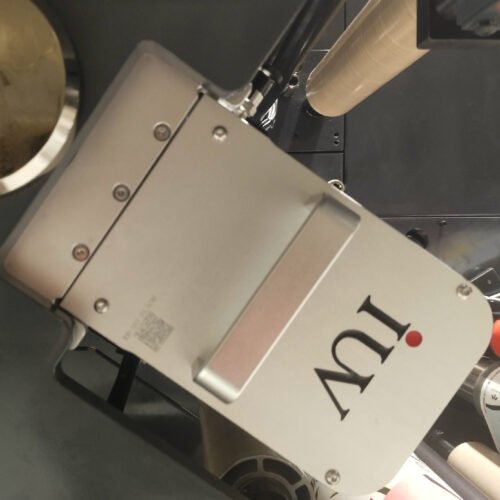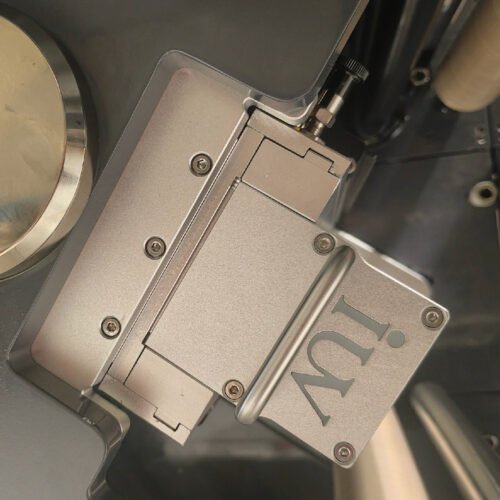
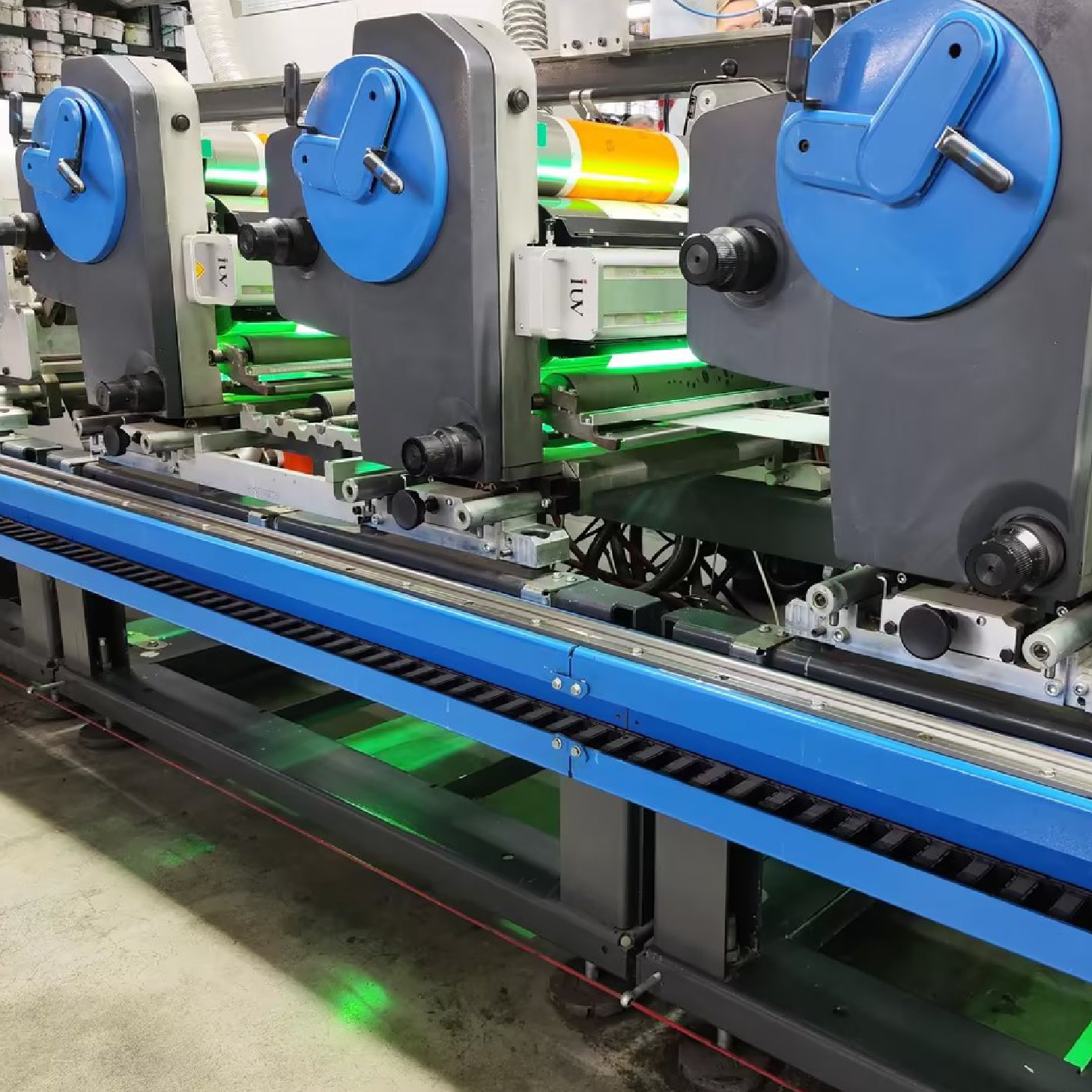
The landscape of narrow-web flexographic printing is constantly evolving. For converters focused on label production, efficiency, quality, and environmental responsibility are paramount. One of the most significant technological shifts impacting these goals is the advent of LED UV curing. This innovation is not just an incremental improvement; it’s fundamentally transforming how narrow-web flexographic presses operate and the types of applications they can handle.
The Rise of LED UV Curing in Narrow Webs
For years, traditional mercury vapor lamps were the standard for UV curing in flexographic printing. While effective, they presented several challenges. These lamps consumed substantial energy, generated significant heat, and had a limited lifespan, requiring frequent replacement. The heat output also posed a risk to sensitive substrates, restricting the range of materials that could be printed upon without distortion or damage. Furthermore, mercury vapor lamps emitted ozone, necessitating ventilation systems.
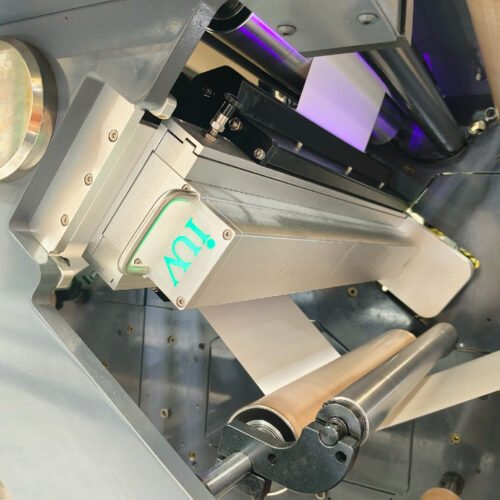
LED UV curing technology offers a compelling alternative. Unlike broadband mercury lamps, LEDs emit UV light at specific wavelengths, precisely matched to the photoinitiators in UV-curable inks and coatings. This targeted emission leads to more efficient and complete curing. The advantages extend far beyond just curing efficiency.
Key Advantages of LED Technology
The adoption of LED UV curing brings a cascade of benefits to the narrow-web flexographic printing environment.
Energy Efficiency: LEDs are remarkably energy-efficient. They consume significantly less power compared to traditional mercury lamps. This reduction in energy consumption translates directly into lower operating costs for printing businesses. For a press running multiple shifts, the energy savings can be substantial over time.
Reduced Heat Output: LEDs generate far less heat than mercury lamps. This is a critical advantage when printing on heat-sensitive substrates like thin films, foils, and some plastics. The reduced thermal load minimizes the risk of substrate distortion, shrinkage, or delamination. This opens up new possibilities for printing on a wider variety of materials, expanding the potential applications for narrow-web presses.
Longer Lifespan and Instant On/Off: LED systems boast a much longer operational lifespan, often exceeding 10,000 to 20,000 hours, compared to the few thousand hours typical for mercury lamps. This drastically reduces downtime associated with lamp replacement and associated maintenance costs. Moreover, LEDs offer instant on/off capability. This means they only consume power when the press is actively printing, further contributing to energy savings. There’s no warm-up or cool-down period required, which speeds up job changeovers and improves overall press productivity.
Environmental Benefits: The absence of mercury in LED systems eliminates hazardous waste disposal concerns associated with traditional lamps. Additionally, the lower energy consumption contributes to a smaller carbon footprint. This aligns with growing industry and consumer demand for more sustainable printing practices.
Improved Curing Performance: The specific wavelengths emitted by LEDs can be tailored for optimal curing of UV inks and coatings. This results in a more robust and consistent cure, leading to improved print quality, better adhesion, and enhanced resistance properties such as rub, scratch, and chemical resistance.
Innovations in Ink and Coating Formulations
The evolution of LED UV curing has gone hand-in-hand with significant advancements in ink and coating formulations. Early UV inks were often designed for the broader spectrum of mercury lamps. As LED technology matured, ink and coating manufacturers developed new formulations specifically optimized for the narrow wavelength bands emitted by LEDs.
These new formulations offer several advantages. They often exhibit faster cure speeds, allowing for higher printing speeds without compromising on cure quality. They also provide excellent adhesion to a wider range of substrates, including challenging plastics and foils. Furthermore, specialized LED-curable inks and coatings are now available for applications demanding high flexibility, extreme durability, or specific haptic effects. This innovation cycle means that converters are no longer limited by the curing technology; rather, the curing technology is enabling new creative and functional possibilities.
Impact on Narrow-Web Flexographic Printing Operations
The integration of LED UV curing systems has a tangible impact on the day-to-day operations of narrow-web flexographic printers.
Increased Press Speeds: The efficient and rapid curing provided by LEDs allows presses to operate at higher speeds. This translates directly into increased throughput and productivity, enabling printers to meet tighter deadlines and handle larger volumes of work.
Wider Substrate Versatility: As mentioned, the reduced heat output is a game-changer for printing on delicate and temperature-sensitive materials. This includes a broad spectrum of plastic films, shrink sleeves, and ultra-thin papers, opening up new market opportunities in food and beverage packaging, cosmetics, and pharmaceuticals.
Enhanced Print Quality and Durability: The precise and consistent curing achieved with LEDs leads to superior print quality. Colors are often more vibrant, and fine details are reproduced with greater clarity. Crucially, the robust cure enhances the durability of the printed image, ensuring it withstands the rigors of product handling, distribution, and end-use environments.
Simplified Pressroom Environment: The elimination of ozone production and reduced heat output contribute to a more comfortable and safer working environment for press operators. Ventilation requirements can be less demanding, and the overall noise level from auxiliary equipment may be reduced.
Reduced Waste and Rework: More consistent curing means fewer instances of under-cured or over-cured prints. This leads to a reduction in waste material and less need for costly reprints or rework, further improving profitability.
Considerations for Implementation
While the benefits of LED UV curing are clear, successful implementation requires careful consideration.
Substrate Compatibility: Always ensure that the chosen LED curing system and ink/coating combination are compatible with the specific substrates being used. This involves understanding the required wavelength and energy output for effective curing.
Ink and Coating Selection: Work closely with ink manufacturers to select formulations optimized for LED curing and your specific application requirements. Not all traditional UV inks are suitable for LED curing.
Press Integration: Retrofitting existing flexographic presses with LED UV curing systems is possible, but it requires careful planning regarding space, power requirements, and exhaust systems. Newer presses often come with integrated LED curing as a standard option.
Operator Training: Ensure that press operators are adequately trained on the operation and maintenance of LED UV curing systems, as well as the specific handling requirements for LED-curable inks and coatings.
The Future is Bright with LED Curing
LED UV curing technology is no longer a niche offering; it has become a mainstream innovation driving significant advancements in narrow-web flexographic printing. Its inherent advantages in energy efficiency, substrate versatility, operational longevity, and environmental impact make it an indispensable technology for modern label converters.
As the technology continues to mature, we can expect further refinements in LED emitter efficiency, narrower wavelength options, and even more sophisticated ink and coating formulations. For printing businesses looking to enhance productivity, expand their service offerings, and operate more sustainably, investing in LED UV curing technology is not just a strategic choice; it’s a vital step towards future success in the dynamic world of narrow-web printing. The continuous innovation in this field promises even brighter possibilities for label and packaging production.