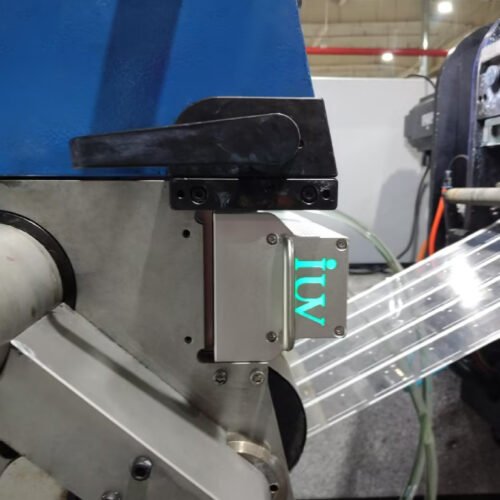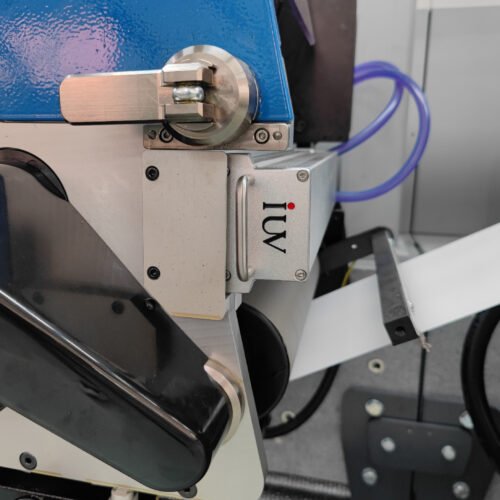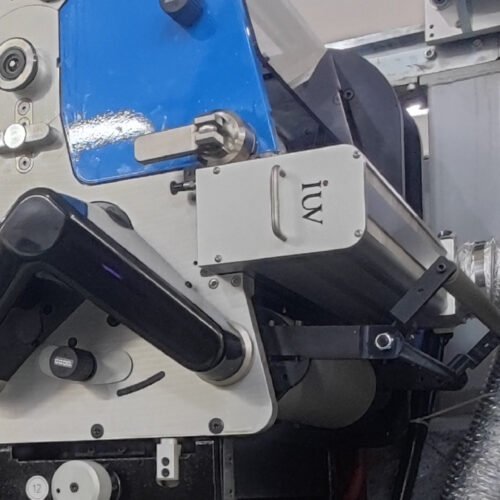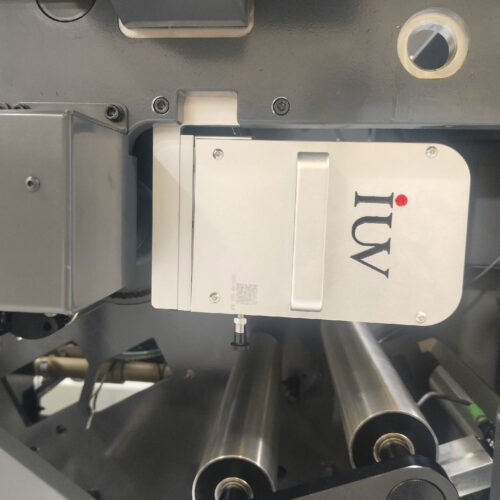
Achieving unwavering print quality over extended production cycles presents a persistent challenge in the printing industry. This is especially true in the demanding realm of narrow-web printing, where labels and flexible packaging are produced in high volumes. However, the advent and refinement of narrow-web LED flexo printing technology have introduced powerful solutions for maintaining and even improving consistency, even when the print runs stretch into the thousands or millions.
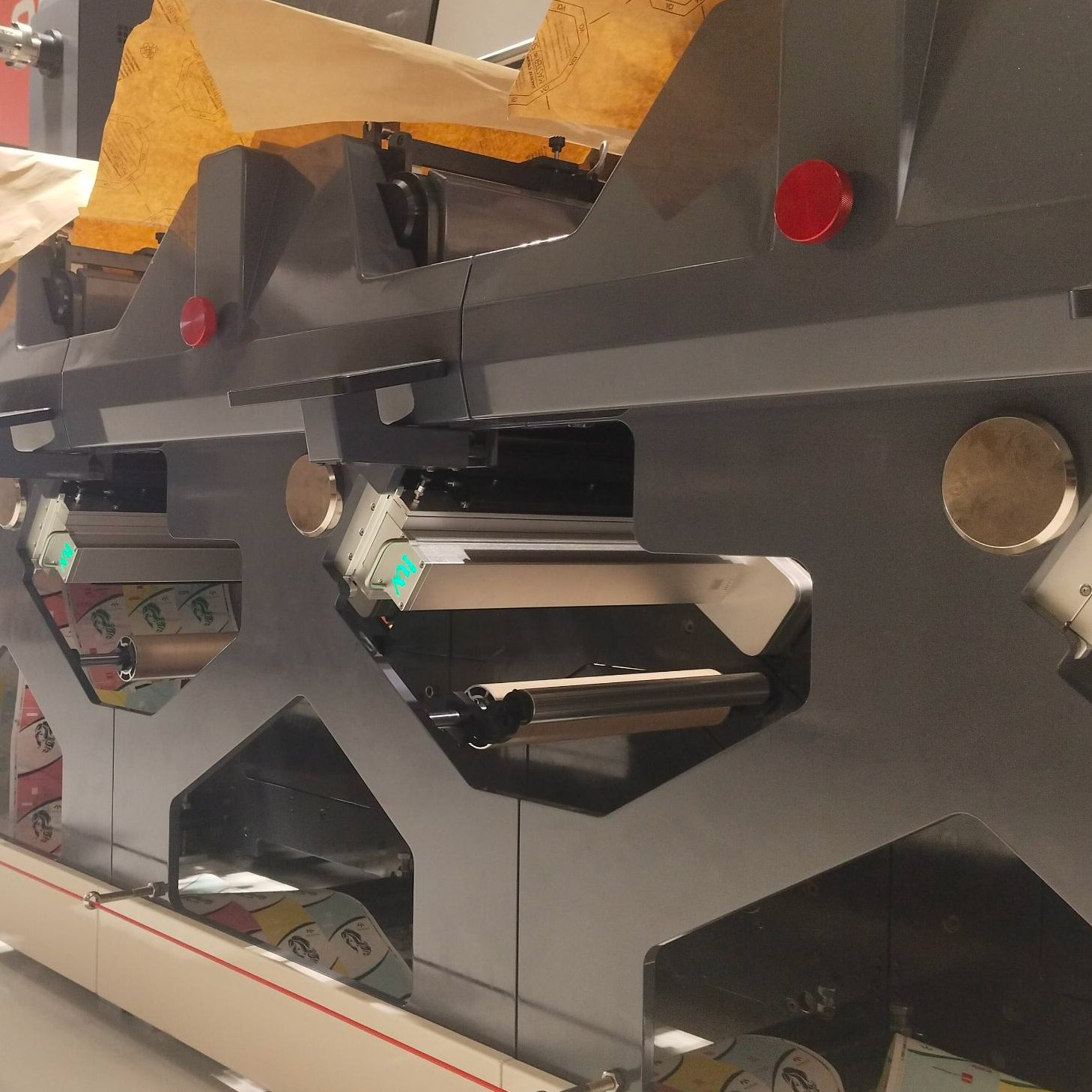
The core of this improvement lies in the inherent advantages of LED UV curing systems, coupled with the precision of narrow-web flexographic presses. Let’s explore the key factors that contribute to this enhanced consistency.
The Science of UV Curing and Consistency
Traditional UV curing methods often rely on mercury vapor lamps. These lamps generate significant heat and their output can fluctuate over time and with temperature changes. This variability directly impacts the curing process, leading to inconsistencies in ink adhesion, gloss levels, and overall print appearance.
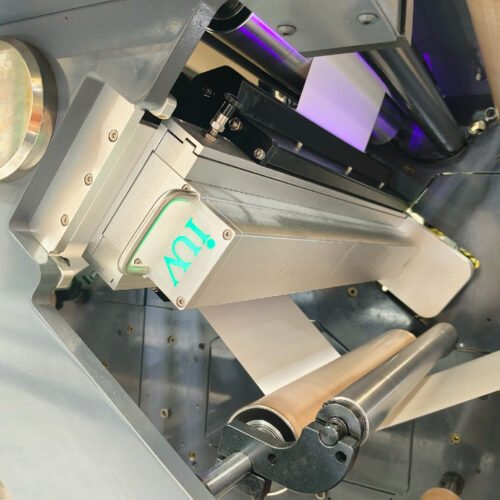
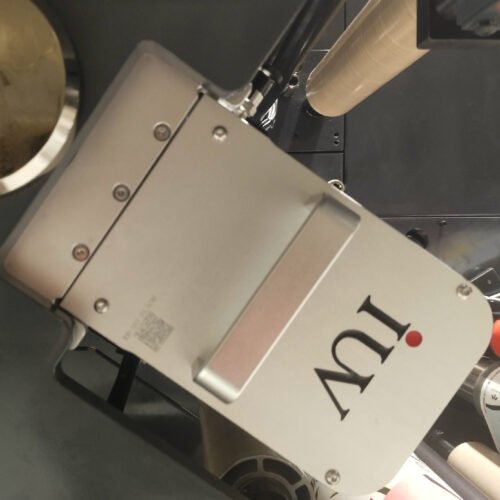
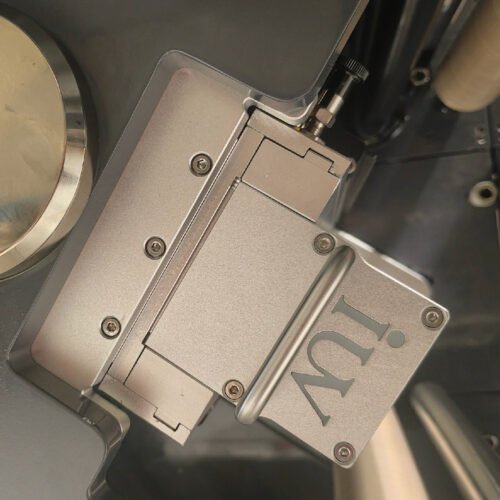
LED UV curing, on the other hand, operates on a fundamentally different principle. Light Emitting Diodes (LEDs) emit a specific wavelength of UV light. This targeted emission is crucial.
- Consistent Wavelength Output: LEDs provide a highly stable and consistent wavelength output. This means the energy delivered to the ink is uniform from the moment the press starts to the very last impression. There’s no gradual degradation of the light source or significant fluctuations due to operational temperature. This predictable energy delivery ensures the ink cures consistently, batch after batch, and run after run.
- Instant On/Off Capability: Unlike mercury lamps that require warm-up and cool-down periods, LEDs switch on and off instantaneously. This translates to immediate, consistent curing power without the warm-up variability that can affect the initial stages of a long run.
- Lower Heat Emission: LEDs produce far less infrared radiation (heat) compared to mercury lamps. This is a game-changer for narrow-web printing, where substrates are often thin and sensitive to heat. Reduced heat buildup on the substrate means less stretching or distortion. This dimensional stability is paramount for accurate registration and consistent print quality throughout a long run. Think about it: if the substrate is constantly changing dimensionally due to heat, achieving consistent color and sharp details becomes exponentially harder.
Flexographic Printing’s Role in Precision
Flexography, particularly in its narrow-web iteration, is inherently suited for high-volume, high-quality label and packaging production. When combined with LED UV curing, its precision is amplified.
- Plate Technology: Modern flexographic plates, whether photopolymer or other advanced materials, offer exceptional detail and durability. Their ability to reproduce fine lines, dots, and gradients is critical for high-quality printing. The consistent energy from LED UV curing ensures these fine details are cured properly without over-curing, which can degrade the plate and lead to a loss of fidelity over time.
- Ink Transfer: Flexo relies on an anilox roll for precise ink metering. This system is designed for controlled, repeatable ink transfer. When the ink cures consistently due to LED UV, the ink film thickness remains stable on the substrate. This consistent ink transfer is a cornerstone of maintaining color density and image quality across thousands of meters of printed material.
- Substrate Handling: Narrow-web presses are engineered for precise substrate handling. Features like advanced tension control systems, precise guide rollers, and automated registration systems are standard. When the substrate remains dimensionally stable due to the lower heat of LED UV curing, these handling systems can perform at their peak, ensuring each label or package is printed in the exact same position.
The Impact on Long Print Runs
The synergy between narrow-web flexo and LED UV curing directly addresses the pain points of long print runs:
- Color Consistency: Maintaining precise color matching is a constant battle. With consistent LED UV curing, the ink’s pigment and binder are polymerized uniformly. This means the color density and appearance remain stable from the first label to the last, reducing the need for frequent color adjustments. This is a significant time and material saver over a long production run.
- Ink Adhesion and Durability: Inconsistent curing can lead to poor ink adhesion, especially on challenging substrates. This can result in scuffing, scratching, or delamination during converting or end-use. LED UV’s consistent energy ensures thorough and even curing, leading to robust ink adhesion that stands up to the rigors of post-press operations and the product’s lifecycle.
- Registration Accuracy: For multi-color jobs, maintaining precise registration is vital. As mentioned, heat buildup can cause substrate expansion and contraction, leading to registration shifts. The cooler operating temperature of LED UV curing helps maintain substrate stability, allowing the press’s advanced registration systems to keep colors perfectly aligned throughout the entire print run.
- Reduced Downtime: While not directly about print quality, reduced downtime contributes to overall production consistency. LED UV lamps have a significantly longer lifespan than mercury lamps. This means fewer lamp replacements, less maintenance, and less unpredictable downtime during a long production shift or series of shifts. This operational reliability is a key component of consistent output.
- Substrate Versatility: The ability to print on a wider range of substrates, including heat-sensitive films, is enhanced. The gentle curing process of LEDs allows printers to explore new materials without compromising quality or consistency, expanding their capabilities for different long-run projects.
Comparing with Offset and Gravure
While offset and gravure printing have their strengths, narrow-web LED flexo offers distinct advantages for many long-run label and packaging applications, especially regarding consistency and efficiency.
- Offset: In traditional offset, heat-set drying or UV curing is used. While capable of high quality, offset plates can be more susceptible to wear over very long runs, and the ink/water balance can be sensitive to environmental factors, potentially impacting consistency. Narrow-web flexo’s direct plate-to-substrate transfer and controlled ink metering can offer greater stability for extended runs of labels.
- Gravure: Gravure is renowned for its consistency in very long runs, especially for packaging. However, gravure cylinder production is costly and time-consuming, making it less economical for shorter to medium-length runs. Flexo, with its quicker plate turnaround and lower tooling costs, combined with LED UV’s high-quality output and consistency, presents a more flexible and cost-effective solution for many narrow-web applications that require long runs but perhaps not the extreme volumes where gravure truly dominates.
Looking Ahead
The evolution of narrow-web LED flexo printing is not static. Ongoing advancements in LED technology, ink formulations specifically designed for LED curing, and press automation continue to push the boundaries of what’s possible. For businesses that rely on consistent, high-quality output across extended print runs in the label and flexible packaging sectors, embracing this technology is becoming increasingly strategic. It’s about more than just printing; it’s about delivering reliable, repeatable excellence, job after job, impression after impression.