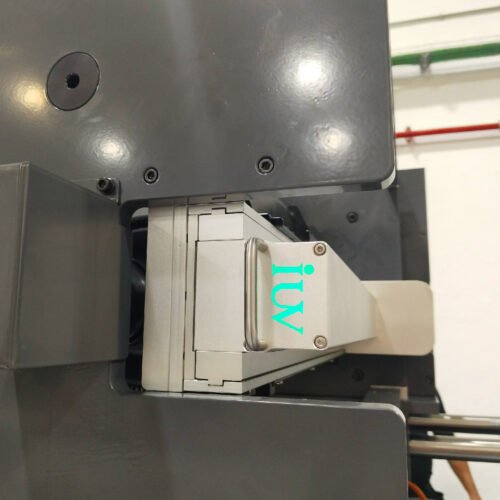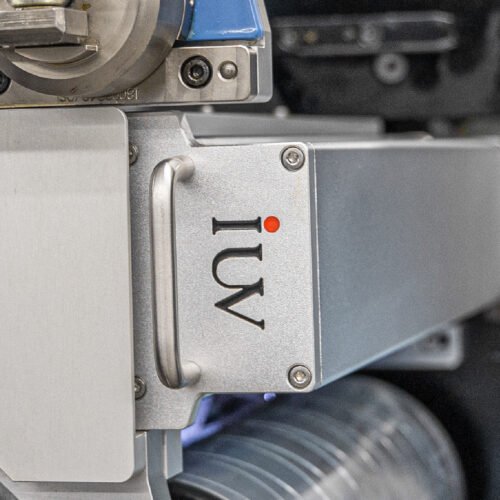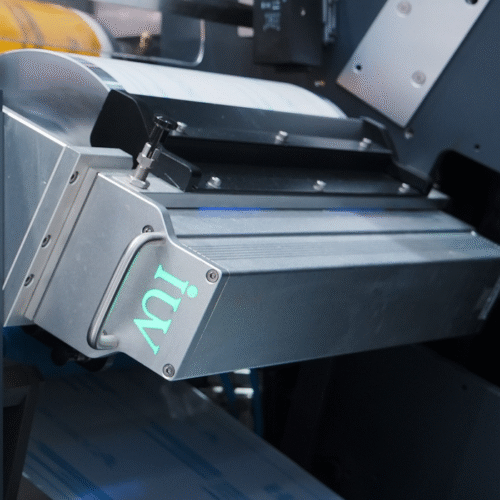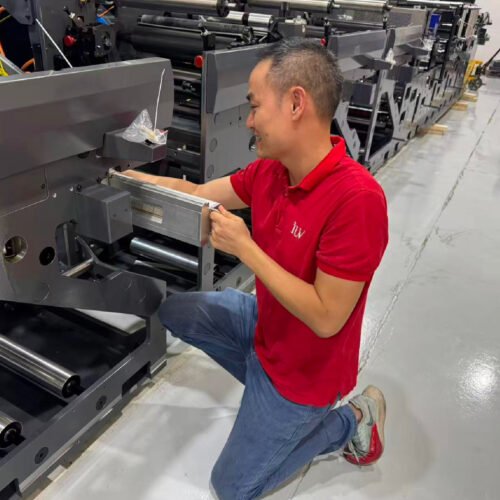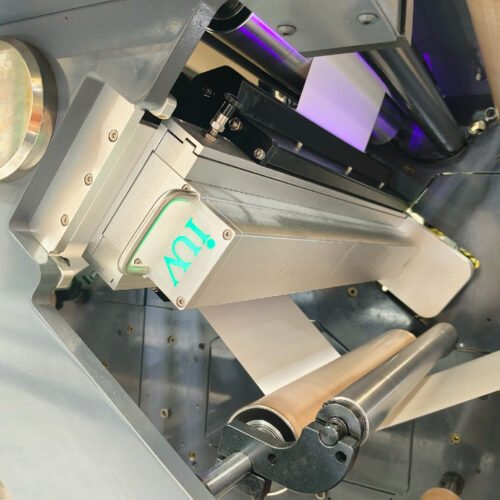
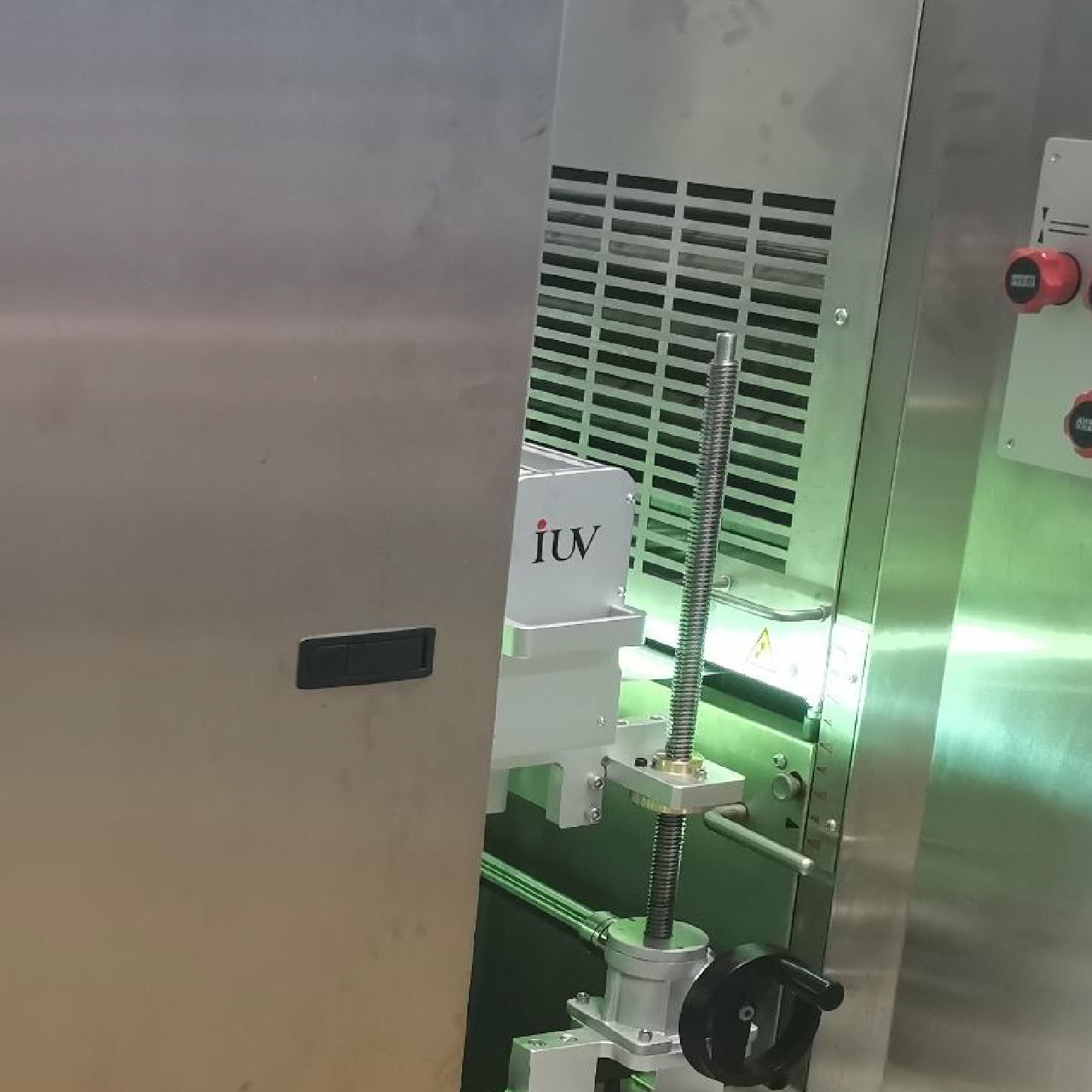
The printing industry is undergoing a rapid transformation. Automation is no longer a futuristic concept; it’s a present-day reality. Full automation promises increased efficiency, reduced waste, and higher quality. However, achieving these goals depends on precise control over every process. In this landscape, intelligent UV monitoring emerges as a critical component, especially in the realm of UV curing. This technology ensures that the energy delivered during the curing process is optimal, leading to superior print results across various printing methods like narrow web, flexographic, and offset printing.
Understanding UV Curing in Modern Printing
UV curing utilizes ultraviolet light to instantly dry or cure inks, coatings, and adhesives. This process involves a chemical reaction triggered by specific wavelengths of UV light. The effectiveness of this curing directly impacts the final print’s durability, adhesion, color vibrancy, and resistance to scratching and chemicals. For businesses focused on labels, packaging, and high-quality commercial prints, consistent and complete UV curing is non-negotiable.
The technology relies on UV lamps that emit photons. These photons initiate photoinitiators within the ink or coating. This initiates a rapid polymerization process, transforming the liquid into a solid, cured film. Different ink formulations and coating types require specific UV spectrums and energy levels for optimal curing. This is where precise monitoring becomes indispensable.
The Challenges of Traditional UV Curing
Historically, UV curing systems relied on manual checks or basic power settings. Operators would set the lamp intensity based on experience or general guidelines. However, this approach is prone to variability. Factors such as aging lamps, voltage fluctuations, distance between the lamp and substrate, and the presence of contaminants can all affect the delivered UV energy.
Without accurate monitoring, printers often face several issues:
- Under-curing: This leads to prints that are tacky, smudge easily, and have poor adhesion. Colors may appear dull. This can result in costly reprints and customer complaints.
- Over-curing: While less common, excessive UV exposure can sometimes degrade the substrate or ink, leading to yellowing or brittleness. It also represents an inefficient use of energy.
- Inconsistent Curing: Variations in UV energy across the print can cause uneven gloss levels, color shifts, and performance differences within the same print run.
These inconsistencies are particularly problematic in high-speed, automated production environments where manual intervention is minimized.
The Rise of Intelligent UV Monitoring
Intelligent UV monitoring systems integrate advanced sensors and control software directly into the UV curing units. These systems move beyond simple power output readings. They actively measure the actual UV irradiance and energy delivered to the substrate in real-time.
Key components of intelligent UV monitoring include:
- UV Radiometers/Sensors: These devices measure the intensity of UV light at specific wavelengths. They are strategically placed within the curing station to capture accurate readings.
- Data Logging and Analysis: Collected data is logged and can be analyzed to identify trends, potential issues, and areas for optimization.
- Feedback Loops and Automation: Sophisticated systems can use the monitored data to automatically adjust lamp power, speed, or other parameters to maintain consistent UV delivery.
This intelligent approach provides a level of control that was previously unattainable. It ensures that the UV energy hitting the substrate is precisely what’s needed for perfect curing, every single time.
Benefits for Narrow Web, Flexo, and Offset Printing
The impact of intelligent UV monitoring is particularly profound in demanding printing sectors:
Narrow Web and Flexographic Printing:
These sectors, heavily used for labels and flexible packaging, demand high speeds, vibrant colors, and robust durability.
- Consistent Quality: Flexo printing often uses multiple color units. Each unit might have its own UV curing station. Intelligent monitoring ensures that the curing is uniform across all stations and subsequent passes. This is vital for multi-layer applications and complex label designs.
- Adhesion and Resistance: Labels and packaging must withstand handling, environmental factors, and product contents. Proper UV curing, guaranteed by intelligent monitoring, ensures the ink adheres well to various substrates (films, foils, paper) and resists abrasion, chemicals, and heat.
- Reduced Waste: Inconsistent curing in flexo can lead to misprinted labels or packaging that fails quality checks. Real-time monitoring helps catch issues early, preventing waste of expensive substrates and inks.
- Printing on Challenging Substrates: The ability to precisely control UV energy allows for successful printing on sensitive or low-energy surfaces often encountered in flexible packaging, where adhesion can be a significant challenge.
Offset Printing:
While offset printing traditionally used heatset or air drying, UV offset has gained significant traction for its speed, gloss, and durability benefits, especially in sheetfed and web offset for commercial and packaging applications.
- Enhanced Finish and Durability: UV offset inks and coatings cure instantly, providing a high-gloss finish and superior scratch resistance compared to conventional inks. Intelligent monitoring ensures this finish is consistently applied across the entire sheet or web.
- Reduced Drying Time: The instantaneous curing of UV offset eliminates the need for extensive drying towers. This translates to smaller press footprints and faster job changeovers, a hallmark of automated operations.
- Versatile Substrate Handling: UV offset can print on a wide array of non-absorbent substrates like plastics and foils, which are common in packaging and specialty printing. Precise UV control is essential for proper curing on these challenging materials.
- Color Consistency: Maintaining color fidelity is paramount in offset. Intelligent UV monitoring ensures that the curing process doesn’t alter ink characteristics, leading to predictable and repeatable color reproduction throughout long print runs.
The Role of Intelligent Monitoring in Fully Automated Workflows
In a fully automated print operation, every step is integrated and synchronized. Intelligent UV monitoring fits seamlessly into this ecosystem by providing:
- Proactive Issue Detection: Instead of waiting for a defect to appear, the monitoring system can alert operators or the press control system to deviations before they impact the print quality. This might involve an alert for a lamp starting to degrade or an inconsistency in energy delivery.
- Data-Driven Optimization: The logged data from the UV monitors serves as a valuable resource for continuous improvement. By analyzing historical data, print managers can identify optimal UV settings for different jobs, substrates, and inks, fine-tuning the process for maximum efficiency.
- Automated Adjustments: Advanced systems can dynamically adjust UV lamp output based on real-time sensor readings. If the sensor detects a slight drop in irradiance, the system can automatically increase lamp power to compensate, ensuring the correct energy dose is always applied.
- Reduced Operator Dependency: In a truly automated setup, the need for constant manual adjustments is minimized. Intelligent UV monitoring empowers the system to self-regulate, freeing up operators to focus on higher-level tasks like quality control oversight and job management.
- Predictive Maintenance: By tracking the performance and degradation of UV lamps over time, intelligent monitoring systems can help predict when a lamp will need replacement. This allows for planned maintenance, avoiding unexpected downtime and ensuring peak performance.
Looking Ahead: The Future of UV Curing Control
The evolution of intelligent UV monitoring is likely to continue. We can expect even more sophisticated sensor technologies capable of measuring a wider range of UV spectrums and potentially monitoring other curing-related parameters. Integration with artificial intelligence and machine learning algorithms will further enhance predictive capabilities and process optimization.
As print operations become more automated, the demand for precise, real-time control over critical processes like UV curing will only grow. Intelligent UV monitoring is not just an add-on; it’s becoming a foundational element for achieving the efficiency, quality, and consistency that defines modern, automated printing. For printers looking to stay competitive in narrow web, flexo, and offset markets, investing in robust intelligent UV monitoring is a strategic imperative.