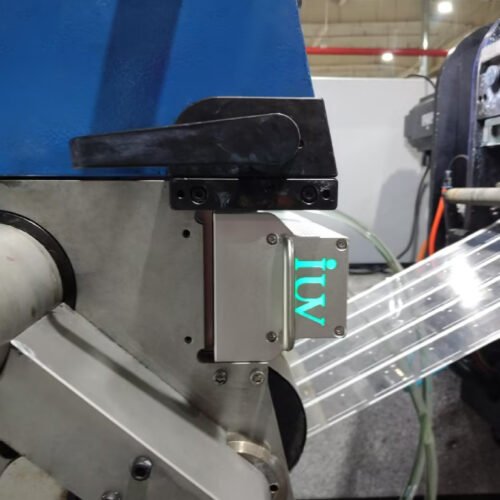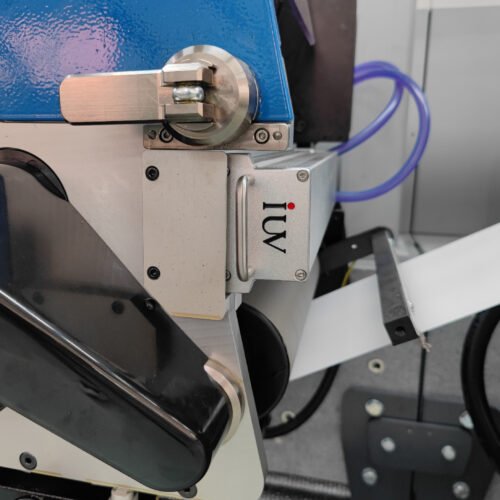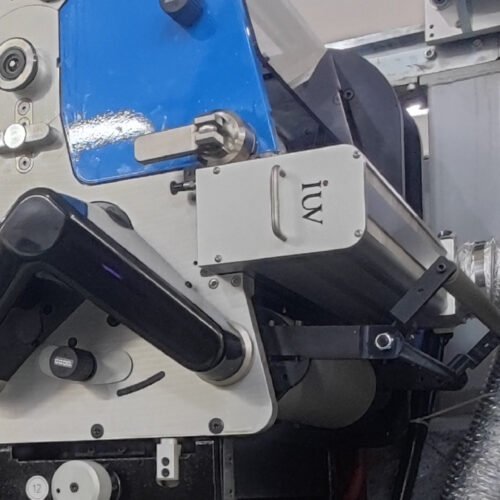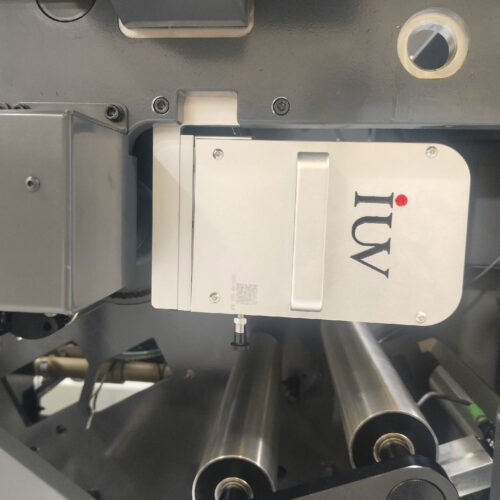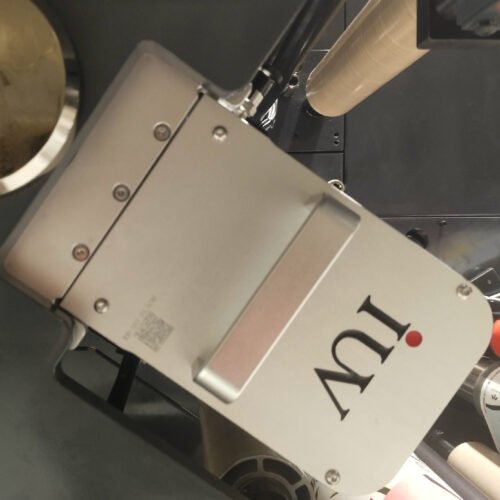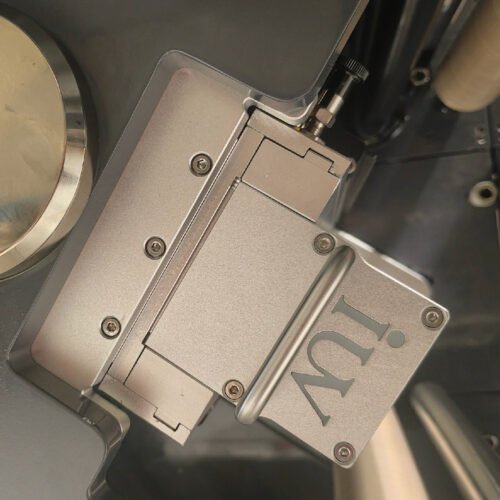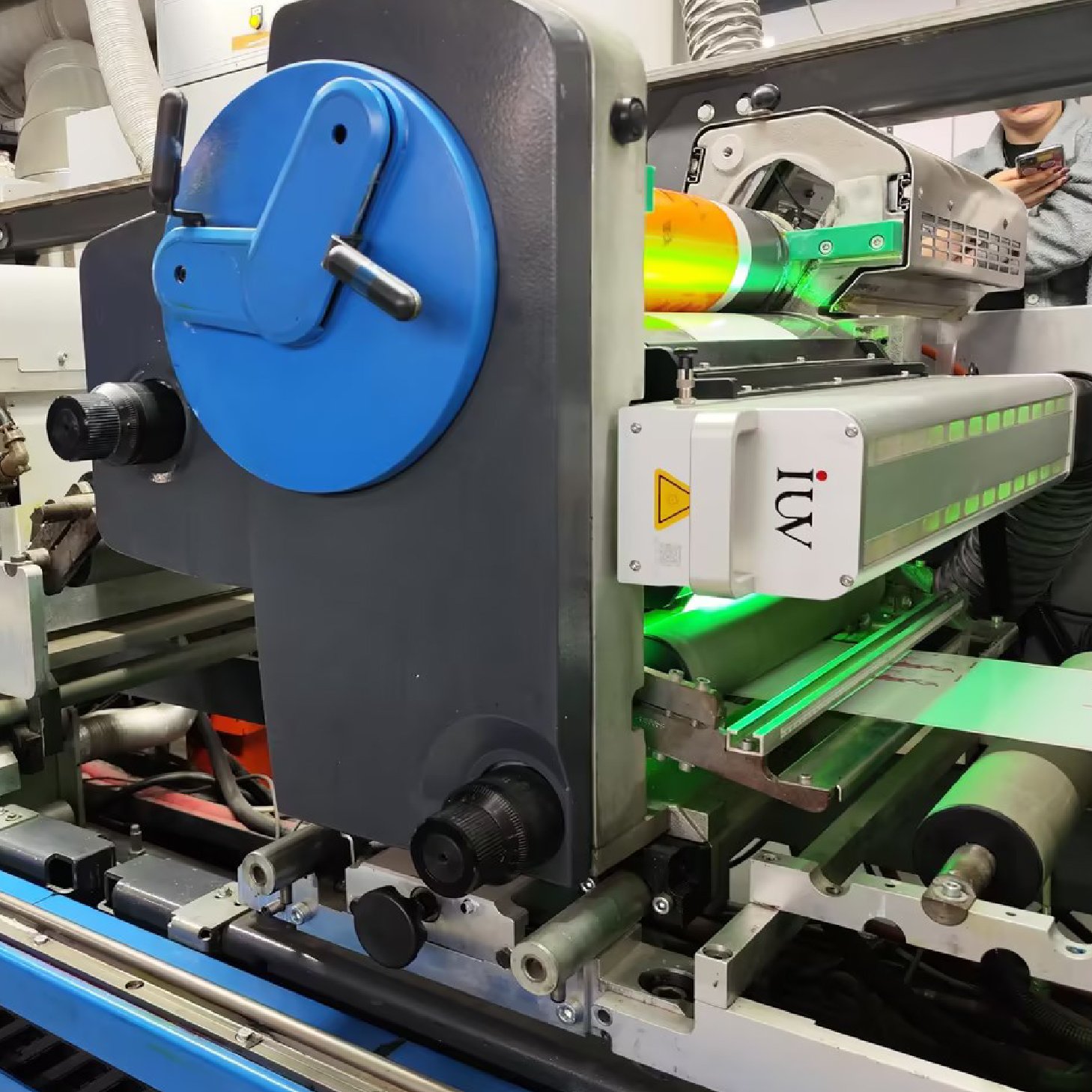
The label printing industry is constantly seeking ways to enhance efficiency and reduce its environmental footprint. Narrow-web printing, a mainstay for producing high volumes of labels for diverse markets, is at the forefront of this evolution. A significant technological advancement contributing to this greener future is the adoption of LED UV curing systems. These systems offer compelling environmental benefits that resonate with brand owners, printers, and consumers alike.
For years, traditional UV curing methods, while effective, came with environmental drawbacks. They often relied on mercury lamps, which contain hazardous materials and consume considerable energy. The heat generated by these lamps also required extensive ventilation, further increasing energy demands. Furthermore, the short lifespan of these lamps necessitated frequent replacement, contributing to waste. The transition to LED UV technology directly addresses these issues, offering a more sustainable and efficient solution for narrow-web digital label production.
Energy Efficiency: A Lighter Footprint
One of the most pronounced environmental advantages of LED UV curing is its remarkable energy efficiency. Compared to conventional mercury vapor lamps, LED systems consume significantly less power, often by as much as 70-80%. This reduction in energy consumption translates directly into lower electricity bills for printing operations. More importantly, it means a substantial decrease in the carbon emissions associated with power generation. In a world increasingly focused on climate change, this energy saving is a powerful environmental statement.
The nature of LED technology allows for instant on-off capabilities, meaning energy is only consumed when printing is actually taking place. Unlike mercury lamps that require a warm-up period and continuously radiate heat, LEDs deliver full power precisely when needed and shut off immediately when the press stops. This pulsed operation further contributes to energy savings, avoiding wasted power during setup or short breaks. For narrow-web printers running high volumes, these incremental savings accumulate, leading to a substantial positive impact on their overall environmental performance.
Reduced Heat Emission and Ventilation Needs
The intense heat generated by traditional mercury UV lamps presents several environmental challenges. It necessitates robust and energy-consuming ventilation systems to dissipate the heat and maintain optimal operating temperatures. This can lead to increased energy usage for air conditioning in the print facility, especially in warmer climates. Additionally, excessive heat can stress sensitive label substrates, limiting material choices and potentially leading to waste.
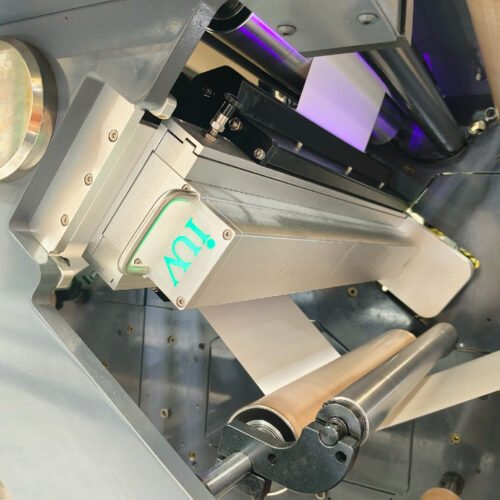
LED UV lamps, by contrast, produce very little infrared radiation or heat. They emit a highly focused spectrum of light, primarily in the UV range, with minimal heat output. This drastically reduces the need for extensive ventilation systems. Printers can therefore operate with more energy-efficient HVAC systems, lowering their overall energy consumption and associated environmental impact. The reduced heat also means a wider range of heat-sensitive materials, including thinner films and certain plastics, can be printed without fear of distortion or damage. This expands material options and can sometimes lead to lighter-weight labels, further contributing to sustainability goals.
Absence of Hazardous Materials
A critical environmental benefit of LED UV curing is the elimination of mercury. Mercury is a toxic heavy metal that poses significant risks to both human health and the environment. The disposal of spent mercury lamps requires specialized handling and disposal procedures to prevent contamination. By transitioning to LED technology, narrow-web printers can completely eliminate the use and disposal of these hazardous components.
This shift not only simplifies waste management but also ensures a safer working environment for printing personnel. The absence of mercury aligns with the growing global trend towards eliminating hazardous substances in manufacturing processes. It demonstrates a commitment to responsible production and a proactive approach to environmental stewardship, which can be a significant differentiator in a competitive market.
Longer Lifespan and Reduced Waste
The operational lifespan of LED UV lamps far exceeds that of traditional mercury lamps. While mercury lamps typically last around 1,000 to 2,000 hours, LED systems can operate for 20,000 to 50,000 hours or even more. This vastly extended lifespan means fewer lamp replacements are required over the lifetime of the printing equipment.
The reduction in lamp replacement translates directly into less waste. Fewer discarded lamps mean less material entering the waste stream and fewer resources consumed in manufacturing and transporting new lamps. This contributes to a more circular economy model, where products are designed for longevity and reduced obsolescence. For label printers, this translates into predictable maintenance schedules and reduced costs associated with consumables, alongside the clear environmental advantage of minimized waste.
VOC Reduction and Improved Air Quality
While not solely an LED UV benefit, the combination of digital printing technologies with LED UV curing is instrumental in reducing Volatile Organic Compounds (VOCs) and improving indoor air quality. Many modern UV inks and coatings formulated for LED curing are low in VOCs or entirely VOC-free. This is a significant advantage over traditional solvent-based inks, which release harmful VOCs into the atmosphere during the drying process.
LED UV curing enables the rapid and efficient curing of these low-VOC or VOC-free inks and coatings. This means that the label printing process itself releases minimal or no harmful emissions. This not only benefits the environment by reducing air pollution but also creates a healthier working environment for print operators. Many facilities adopting LED UV curing report a noticeable improvement in air quality, reducing the need for complex and costly air filtration systems often associated with solvent-based printing.
Versatility with Substrates
The precise wavelength control and low heat output of LED UV curing systems offer printers greater versatility in substrate selection. This is particularly relevant in narrow-web printing where a vast array of materials are used, from paper and film to specialized plastics and foils. Traditional UV curing methods, with their broader spectral output and higher heat, could sometimes limit the use of delicate or heat-sensitive substrates.
LED UV technology allows for tailored curing profiles, optimizing ink adhesion and performance on a wider range of materials. This means printers are not restricted by heat limitations and can confidently utilize thinner films, recycled content materials, or even compostable substrates without compromising on print quality or speed. This expanded material choice can empower brand owners to select more environmentally friendly packaging solutions, such as lighter weight plastics or biodegradable options, contributing to their own sustainability goals.
Conclusion: A Bright Future for Sustainable Label Printing
The integration of LED UV curing technology into narrow-web digital label operations represents a significant step forward in the pursuit of sustainable printing practices. From substantial energy savings and reduced carbon emissions to the elimination of hazardous materials and minimized waste, the environmental benefits are comprehensive and compelling. The ability to cure low-VOC inks efficiently and work with a broader range of eco-friendlier substrates further solidifies its position as a key enabler of greener label production. As the demand for sustainable packaging continues to grow, narrow-web printers adopting LED UV technology are not only reducing their environmental impact but also positioning themselves as responsible industry leaders, ready to meet the evolving needs of the market.