For years, flexographic printing has been the king of narrow-web label production. Its ability to handle a vast range of substrates, from films to foils, and its cost-effectiveness for longer runs are undeniable advantages. Flexo presses are known for their speed and robust build, churning out millions of labels with consistent quality. The inks and anilox roll technology have advanced significantly, allowing for finer details and vibrant colors. We’ve seen incredible improvements in plate technology, too, enabling higher line screens and sharper images that, in many cases, rival offset quality.
However, the digital printing landscape has been evolving at lightning speed. Next-generation narrow-web digital presses, particularly those employing LED UV curing technology, are now capable of producing output that is astonishingly close to, and in some applications, even surpasses, what flexo can achieve. The key here is the precision of digital, the ability to lay down ink with microscopic accuracy, and the consistent, controlled curing process offered by LED UV. This isn’t the digital of yesterday; these machines are built for speed and quality, designed to integrate seamlessly into production workflows.
LED UV Curing: The Game Changer in Digital Narrow-Web
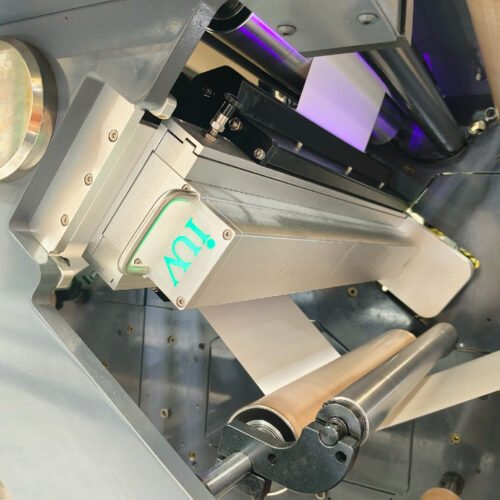
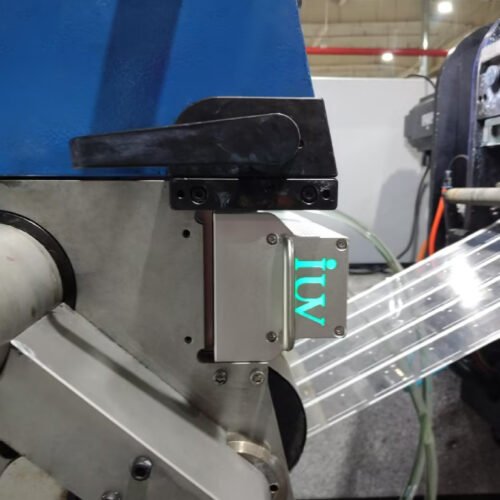
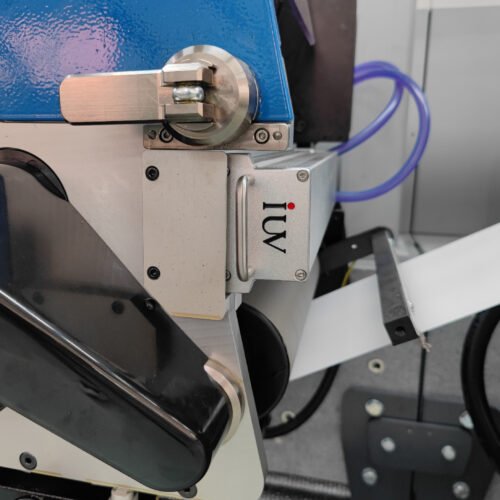
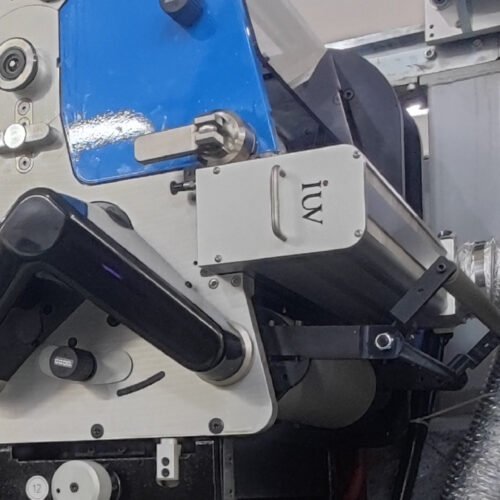
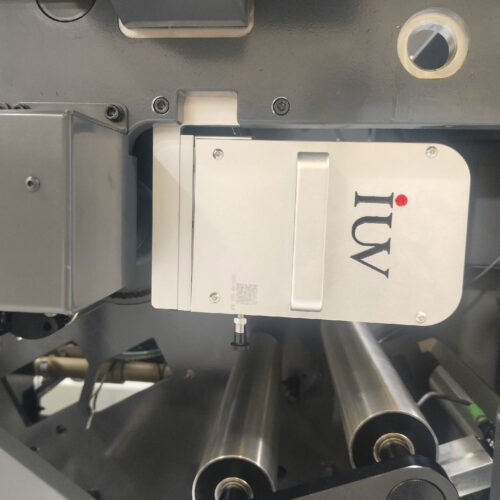
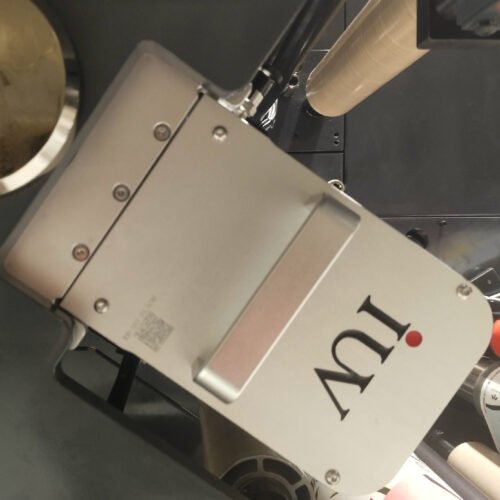
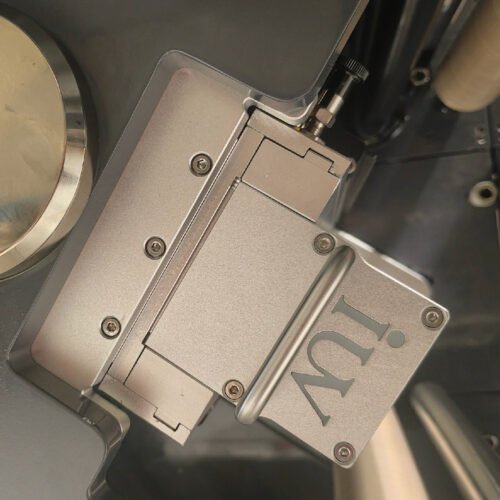
LED UV curing is arguably one of the most significant technological leaps enabling digital printing to match flexo quality. Traditional UV curing systems, using mercury lamps, generate a lot of heat. This heat could cause substrate distortion, particularly on delicate films, and required significant energy consumption. LED UV lamps, on the other hand, emit light at specific wavelengths that directly cure the ink. This means:
- Lower Heat Output: Gentler on heat-sensitive substrates, reducing warping and improving dimensional stability.
- Energy Efficiency: Significantly less power consumption compared to mercury lamps, leading to operational cost savings.
- Instant On/Off: No warm-up time needed, increasing press uptime and reducing waste during job changes.
- Longer Lifespan: LED lamps last much longer than traditional UV lamps, reducing maintenance and replacement costs.
- Consistent Curing: The focused wavelengths and controlled output ensure a uniform and complete cure across the printed area. This is crucial for achieving the same level of ink adhesion and durability expected from flexo.
This precise and efficient curing process directly contributes to the print quality. It ensures that the inks are fully cross-linked, providing excellent rub and scratch resistance, as well as chemical resistance – properties that were historically the stronghold of flexo and offset inks.
Substrate Versatility: Where Digital Now Competes
One of the traditional arguments for flexo was its superior ability to handle a wide array of substrates. While flexo still excels in certain niche areas, digital printing, especially with LED UV technology, has made massive strides. The low heat and precise ink laydown of digital presses allow them to print effectively on:
- Films: BOPP, PET, PVC – delicate materials that were challenging for older digital technologies due to heat.
- Foil and Metalized Papers: Achieving vibrant, durable prints without compromising the material’s integrity.
- Specialty Papers: Textured stocks, textured papers, and papers with unique coatings now fall within the capabilities of advanced digital narrow-web presses.
The development of specialized LED UV curable inks for digital presses has been instrumental. These inks are formulated to adhere exceptionally well to a broad spectrum of materials, delivering the same tactile feel and visual impact as their flexo counterparts.
Achieving Flexo-Level Quality in Digital: Key Factors
So, what specifically allows next-generation digital presses to “match flexo quality”? It’s a confluence of several technological advancements:
- High-Resolution Printheads: Modern digital presses feature incredibly fine droplet control and high native resolutions. This allows for the reproduction of very fine details, smooth tonal transitions, and sharp text that were previously exclusive to flexo or offset. Think about reproducing fine highlight dots or intricate line art – digital is now up to the task.
- Advanced Ink Formulations: As mentioned, the inks are key. They are designed not only for LED UV curing but also for specific color gamut expansion, vibrancy, and durability. We’re seeing digital inks that can achieve a wide color spectrum, rivaling spot colors achievable with flexo.
- Precise Color Management: Sophisticated software and hardware ensure accurate color reproduction from file to print. This means that the subtle nuances in brand colors, gradients, and images can be consistently replicated, a critical factor for brand owners and converters alike.
- Repeatability and Consistency: Unlike the setup and adjustments often needed with flexo, digital printing offers remarkable repeatability. Once a job is set up, each subsequent label will be virtually identical. This consistency is a major advantage for brand integrity and customer satisfaction.
- White Ink Capabilities: High-opacity white inks in digital presses have improved dramatically. This allows for printing on transparent or colored films with opaque white underlays, creating graphics that pop and mimic the capabilities of traditional print methods.
The Synergistic Advantage: Flexo and Digital Working Together
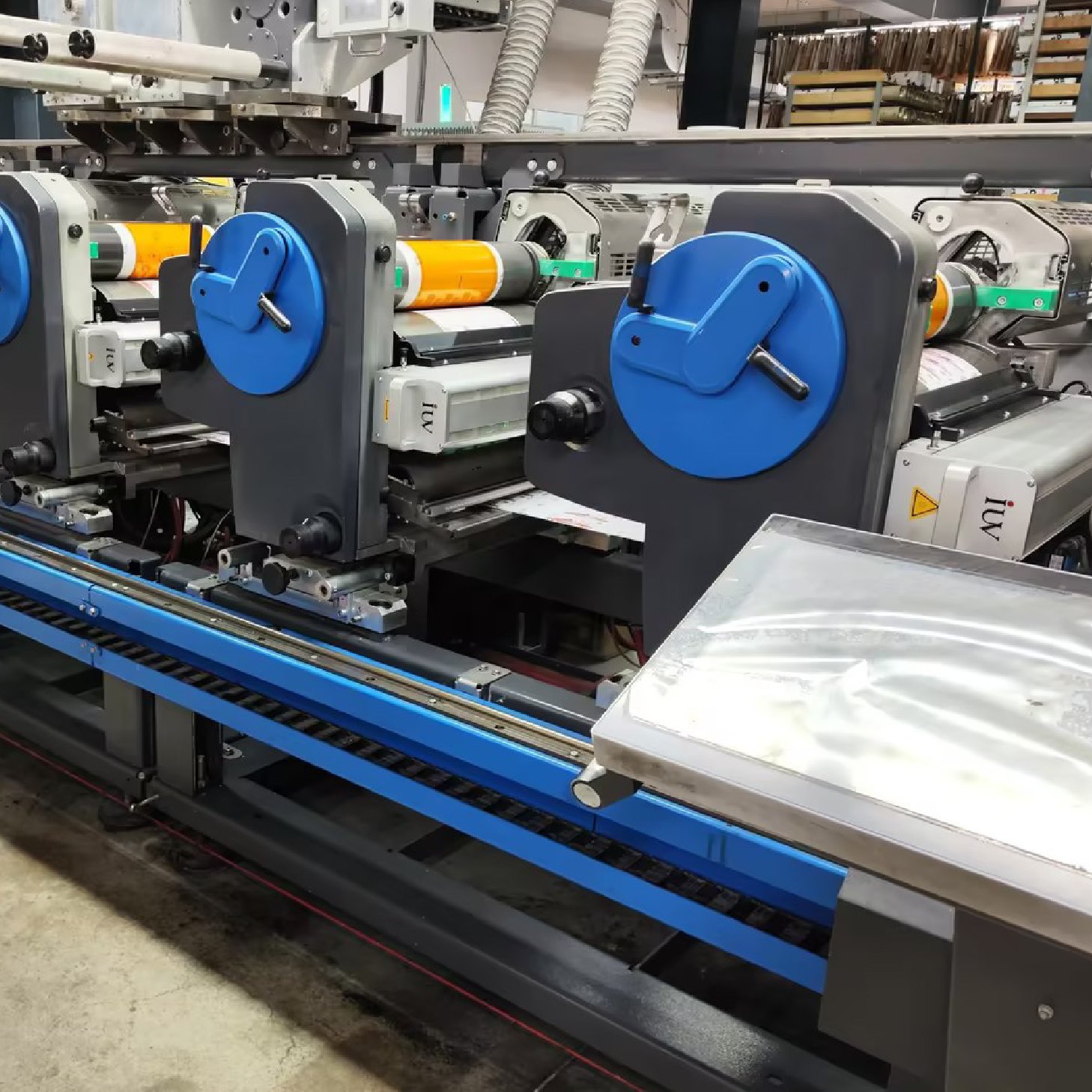
It’s not always an either/or situation. The real power often lies in how these technologies can work together. Many narrow-web converters are now adopting hybrid printing solutions. These presses combine flexo stations with digital inkjet units. This allows for the best of both worlds:
- Flexo for Primaries: Use flexo for basic color coverage, white ink, or varnishes where long runs and cost-efficiency are paramount.
- Digital for Personalization and Variable Data: Print unique serial numbers, barcodes, promotional messages, or different graphics on each label using the digital units. This is where digital truly shines and offers capabilities flexo cannot match economically.
- Digital for Special Effects: Employ digital for intricate metallic effects, custom spot colors, or overprint varnishes that can be achieved with high precision.
- Streamlined Workflows: Combining these technologies on a single press reduces material handling, setup times, and overall production time, leading to significant efficiency gains.
This integration means that the quality expectations set by flexo are now being met and, in many cases, exceeded by digital, while digital’s inherent benefits like short runs, quick turnarounds, and variable data printing are enhanced by flexo’s established strengths.
The Future of Narrow-Web Label Printing
The trend is clear: the lines between traditional and digital printing technologies are blurring. Next-generation narrow-web digital printing, powered by innovations like LED UV curing, is no longer a niche technology. It’s a mainstream solution capable of delivering exceptional quality, versatility, and efficiency. For printers looking to stay competitive, understanding how to leverage these advancements – whether through dedicated digital presses or hybrid solutions – is paramount. The ability to match, and even surpass, flexo quality with digital printing opens up a world of new possibilities for label production, from hyper-personalization to on-demand manufacturing, all while maintaining the high standards our industry has come to expect.