The landscape of label printing is in constant evolution, driven by demands for faster turnaround, enhanced visual appeal, and greater sustainability. Within this dynamic environment, narrow-web digital printing has emerged as a powerful solution for short-to-medium runs, personalization, and variable data printing. A critical component enabling the full potential of this technology is the ink system, and specifically, LED UV curable inks. These inks offer a suite of performance benefits that are reshaping how labels are produced.
The Power of LED UV Curing in Narrow-Web
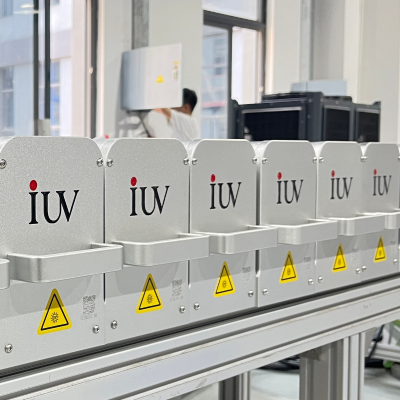
Traditional UV curing methods often relied on mercury vapor lamps. While effective, these lamps generate significant heat, require a warm-up period, and have a shorter lifespan. LED UV curing technology represents a paradigm shift. Instead of a broad spectrum of UV light, LEDs emit very specific wavelengths, precisely matched to the photoinitiators within the ink. This targeted approach offers several advantages crucial for narrow-web operations.
Firstly, energy efficiency is a major win. LEDs consume considerably less power than mercury lamps, leading to reduced operational costs. Secondly, they produce minimal heat. This is particularly beneficial for printing on heat-sensitive substrates, which are common in label applications, preventing distortion or damage to the material. Thirdly, LED lamps have an exceptionally long operational life and turn on and off instantly, eliminating warm-up times and improving press uptime. The precise wavelength control also contributes to more consistent and thorough curing, a key factor for ink performance.
Key Performance Benefits of LED UV Inks
When considering LED UV inks for narrow-web digital label printing, several performance advantages stand out. These benefits directly impact print quality, operational efficiency, and the final product’s durability.
Superior Adhesion and Durability
One of the most significant advantages of LED UV inks is their remarkable adhesion across a wide range of substrates. This includes challenging materials like polyethylene (PE), polypropylene (PP), and even some coated and uncoated papers. The rapid, complete curing process initiated by LED technology creates a robust ink film that resists scratching, abrasion, and chemical exposure. This enhanced durability is paramount for labels that endure harsh environments, such as those found in industrial products, automotive applications, or even demanding consumer goods packaging. The chemical resistance is particularly notable, protecting printed information from cleaning agents, oils, and other common contaminants.
Vibrant Color and High Gloss
Digital printing, especially with UV inks, allows for exceptional color fidelity and vibrancy. LED UV inks are formulated to deliver bright, saturated colors with excellent dot definition. The precise curing mechanism ensures that the ink pigments remain at the surface, contributing to a high-gloss finish without the need for overprint varnishes in many cases. This can simplify the printing process and reduce material costs. For brands, this translates to eye-catching labels that command attention on the shelf, enhancing product appeal and marketability. The ability to achieve consistent color across the entire print run is also a critical advantage.
Fast Curing and High Print Speeds
The speed at which UV inks cure under LED lamps is a game-changer for narrow-web digital presses. Unlike conventional inks that require drying time through evaporation, UV inks polymerize almost instantaneously when exposed to the correct UV wavelength. This rapid curing allows digital presses to operate at very high speeds, maximizing throughput and reducing job turnaround times. For label converters facing tight deadlines and fluctuating order volumes, this enhanced speed directly translates to increased productivity and profitability. The ability to print and finish in a single pass is often achievable, further streamlining the workflow.
Environmental Advantages and Reduced VOCs
In an era of increasing environmental awareness and stricter regulations, the environmental profile of LED UV inks is a significant benefit. These inks are formulated with virtually no Volatile Organic Compounds (VOCs). VOCs are solvents that can evaporate into the atmosphere during the printing process, posing health risks and contributing to air pollution. By using LED UV inks, printers can significantly reduce their environmental footprint. Furthermore, the energy efficiency of LED curing systems, as mentioned earlier, also contributes to a more sustainable printing operation. This can be a strong selling point for brand owners looking for eco-conscious printing partners.
Versatility for Various Applications
The combination of excellent adhesion, durability, and vibrant print quality makes LED UV inks suitable for a vast array of label applications. This includes labels for food and beverage, health and beauty, pharmaceuticals, household chemicals, industrial goods, and promotional items. The inks can be formulated for specific end-use requirements, such as weather resistance for outdoor applications, or resistance to specific chemicals for industrial settings. The ability to print on a diverse range of substrates, from flexible films to paperboard, further enhances their versatility.
Considerations for Implementation
While the benefits are substantial, adopting LED UV inks and curing technology requires careful consideration.
Substrate Compatibility
It is vital to ensure that the chosen LED UV ink is compatible with the specific substrate being used. While many inks offer broad compatibility, some specialized materials may require tailored formulations. Understanding the surface energy and chemical properties of the substrate is key to achieving optimal adhesion.
Press and Curing System Integration
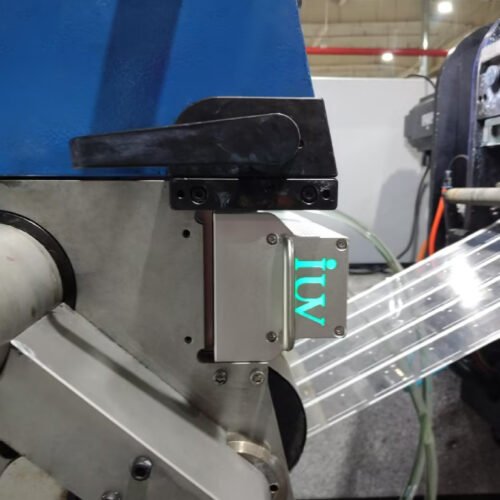
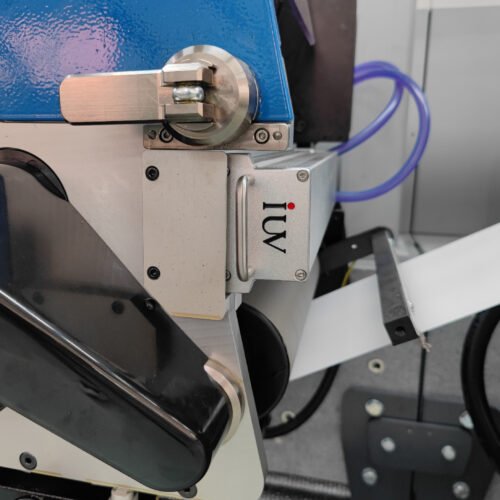
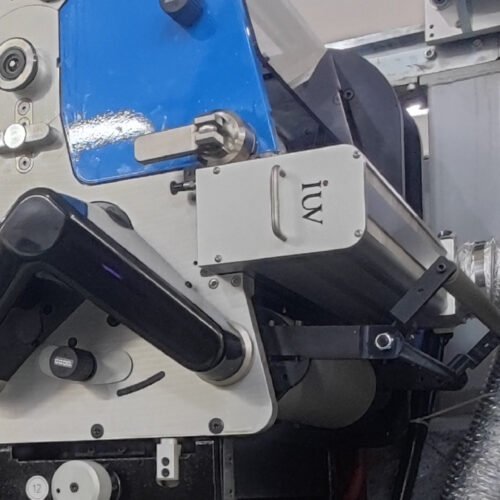
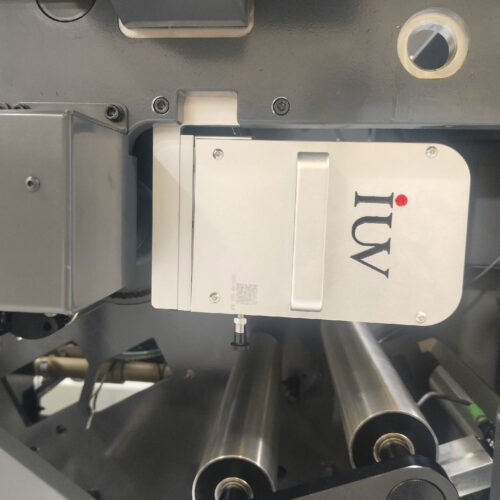
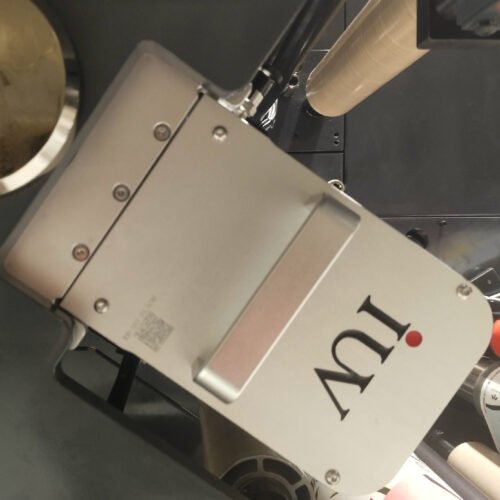
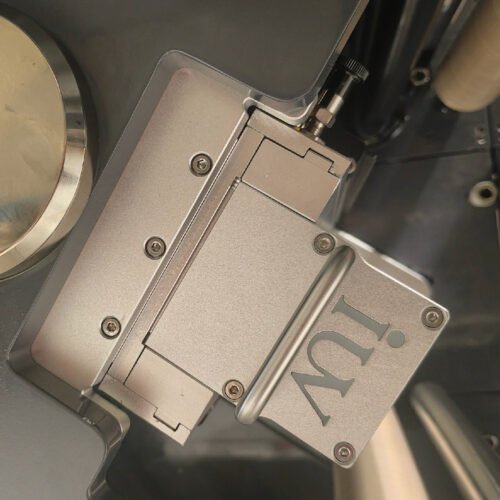
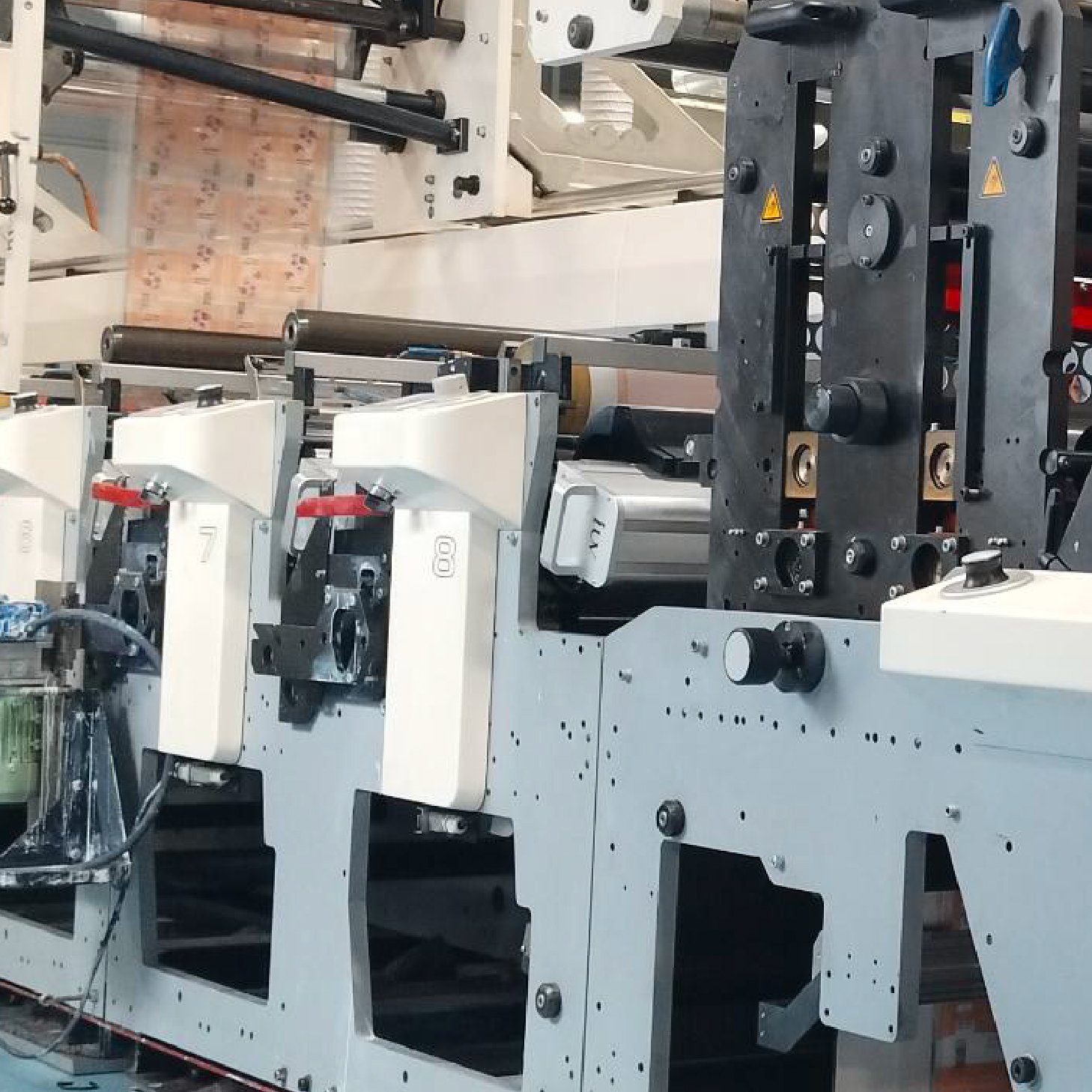
The narrow-web digital press must be equipped with appropriate LED UV curing units. This includes ensuring the correct wavelength output from the LEDs and sufficient power density to achieve full curing at the desired print speeds. Proper alignment and positioning of the curing units are also essential for consistent results.
Color Management and Workflow
Achieving consistent, vibrant color requires robust color management practices. This involves accurate profiling of the digital press, inks, and substrates. Implementing a well-defined workflow that accounts for the unique characteristics of digital UV printing is crucial for maintaining quality and efficiency.
Maintenance and Operation
While LED UV lamps have a long lifespan, they do require occasional cleaning and inspection. Understanding the operational parameters of the curing system, such as power output and lamp alignment, is important for troubleshooting and maintaining optimal performance.
The Future of Narrow-Web Label Printing
LED UV curable inks are not just an advancement; they are rapidly becoming the standard for high-performance narrow-web digital label printing. Their ability to deliver superior print quality, enhanced durability, improved operational efficiency, and a better environmental profile positions them as an indispensable technology for label converters aiming to meet the evolving demands of the market. As technology continues to advance, we can expect even more sophisticated ink formulations and curing solutions, further solidifying the role of LED UV inks in the future of label production. The combination of digital flexibility and robust UV performance offers a compelling pathway for innovation and growth in the label printing industry.