Brand owners increasingly seek efficient and flexible solutions for their labeling needs. When it comes to applying variable data, such as unique product identifiers, promotional codes, or personalized messaging, narrow-web digital printing has emerged as a compelling technology. This method offers significant advantages over traditional printing techniques, particularly for labels that require personalization and customization. The inherent capabilities of digital printing, coupled with advancements like LED UV curing, make it an attractive option for a wide range of applications.
The Rise of Variable Data in Labeling
Variable data printing (VDP) allows for unique information to be printed on each individual label within a single print run. This capability is no longer a niche requirement; it’s becoming a standard expectation for many brands. Whether for supply chain traceability, consumer engagement campaigns, or batch-specific information, the demand for variable data is on the rise. Traditional printing methods, while excellent for long runs of static designs, often struggle with the economic and logistical challenges of producing highly personalized or data-rich labels efficiently. This is where narrow-web digital printing shines.
What is Narrow-Web Printing?
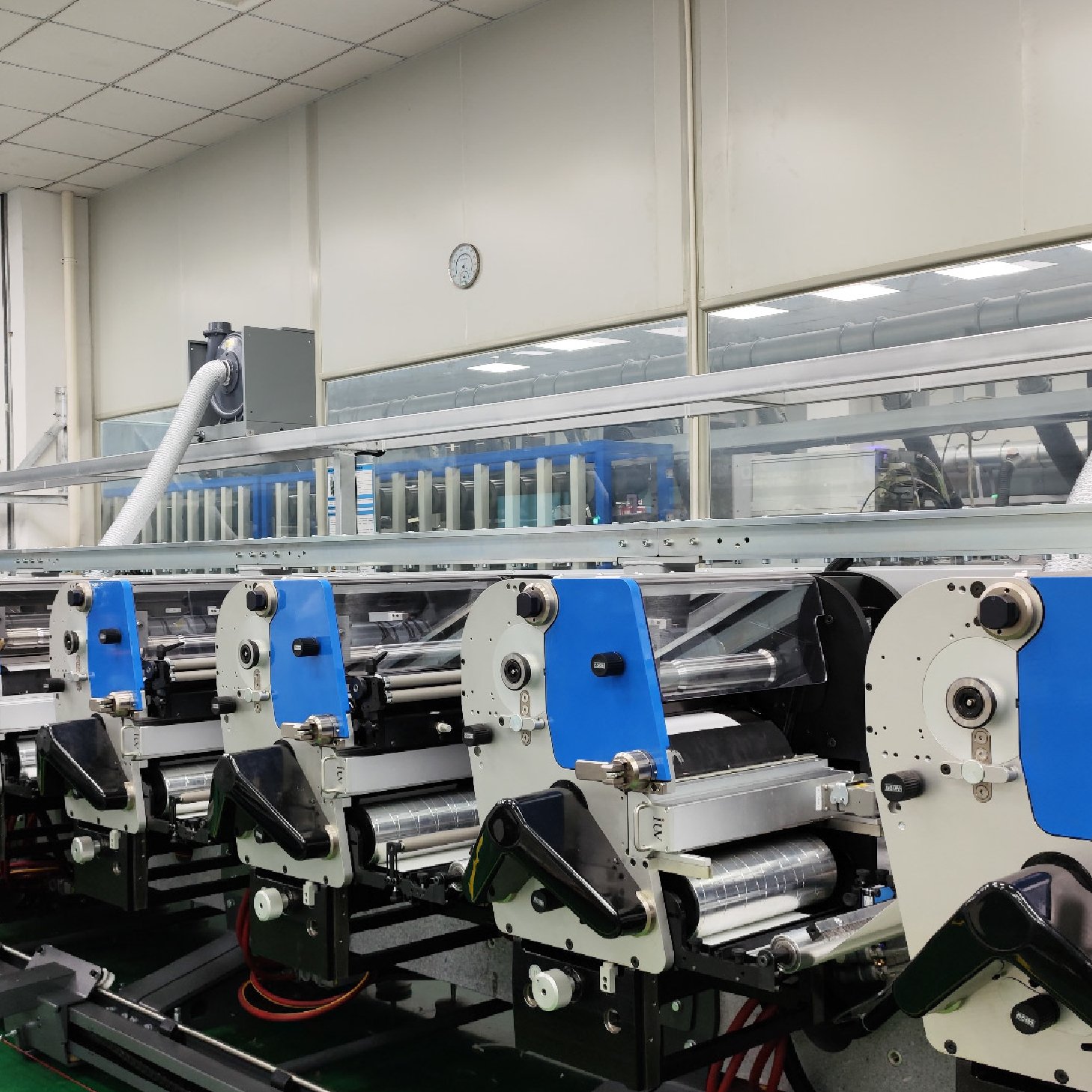
Narrow-web printing refers to printing on materials that are relatively narrow, typically ranging from a few inches up to 20 inches wide. This format is perfectly suited for label production, which rarely requires extremely wide substrates. The “web” refers to the continuous roll of material being printed. Narrow-web presses are designed for high-speed, efficient production of labels, stickers, and flexible packaging. They handle a variety of substrates, including paper, film, and foil, making them versatile for diverse product lines.
Digital Printing vs. Traditional Methods for Variable Data
Traditional printing methods like flexography (flexo) and offset lithography excel at producing high volumes of identical labels. However, implementing variable data with these technologies typically involves costly and time-consuming plate changes for each unique element or requires a separate, secondary printing step. This significantly increases turnaround times and production costs, especially for short to medium print runs.
Digital printing, in contrast, eliminates the need for physical printing plates. Instead, digital files are sent directly to the printing press. This allows for on-the-fly changes to the design, enabling the seamless integration of variable data. Every label can be different without any interruption to the printing process or significant additional cost per variation. This inherent flexibility is a primary driver for brand owners choosing digital for their variable data label needs.
Advantages of Narrow-Web Digital Printing
The combination of narrow-web format and digital printing technology provides a powerful solution. Here are key advantages:
- Speed to Market: Digital presses can be set up much faster than traditional presses. With no plates to manufacture or mount, brand owners can get their custom labels into production quickly, responding rapidly to market trends or promotional opportunities.
- Cost-Effectiveness for Shorter Runs: For variable data, digital printing is often more economical for shorter print runs. The cost per label remains relatively consistent regardless of the number of variations, unlike traditional methods where setup costs are amortized over larger quantities.
- Reduced Waste: Shorter setup times and the absence of plates mean less material is wasted during the make-ready process. This contributes to both cost savings and environmental sustainability.
- On-Demand Printing: Digital printing facilitates an on-demand production model. Brands can print labels as needed, reducing the need for large inventories and the risk of obsolescence due to design changes or product end-of-life.
- Personalization and Customization: This is the core strength. Brands can personalize labels with unique codes, sequential numbering, product variations, or even individual customer names, fostering deeper consumer engagement.
- Supply Chain Management: Variable data can encode crucial information for track-and-trace capabilities, helping to combat counterfeiting and improve supply chain visibility.
The Role of LED UV Curing Technology
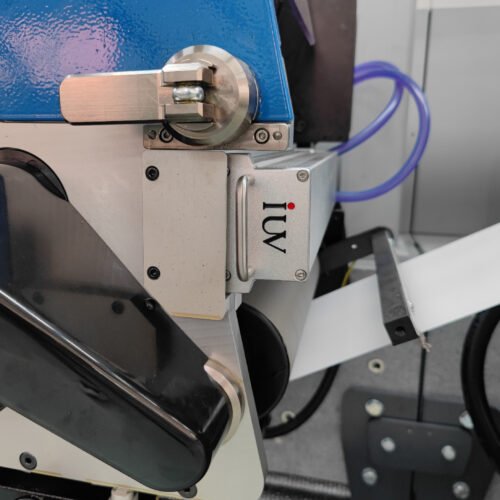
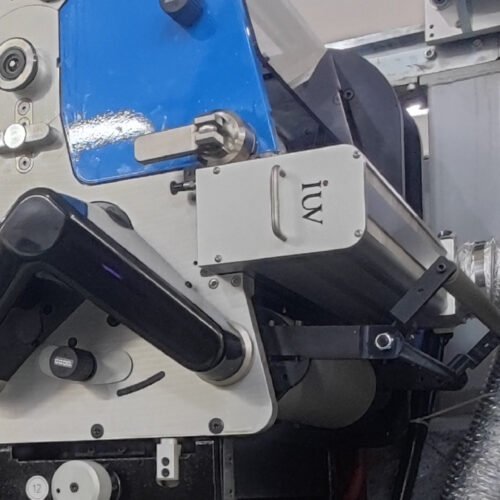
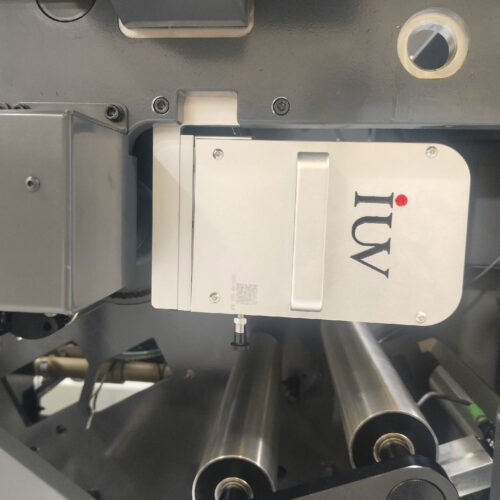
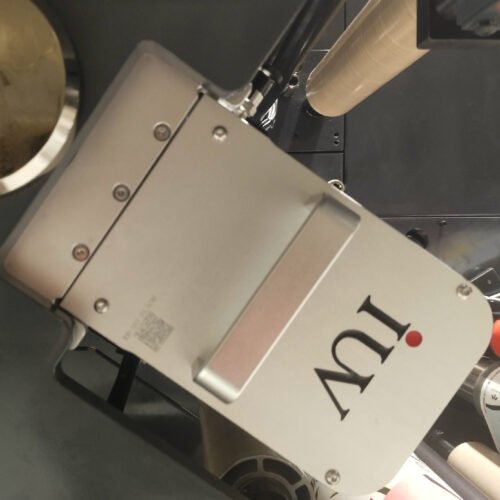
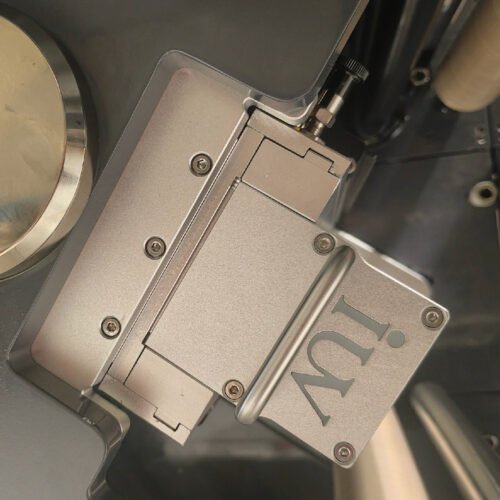
A critical component that enhances the performance and applicability of narrow-web digital printing is LED UV curing. In UV curing, inks are exposed to ultraviolet light, which causes them to instantly solidify or “cure.”
Traditionally, UV curing utilized mercury vapor lamps. While effective, these lamps generate significant heat, consume more energy, and have a shorter lifespan. They also contain mercury, posing environmental concerns.
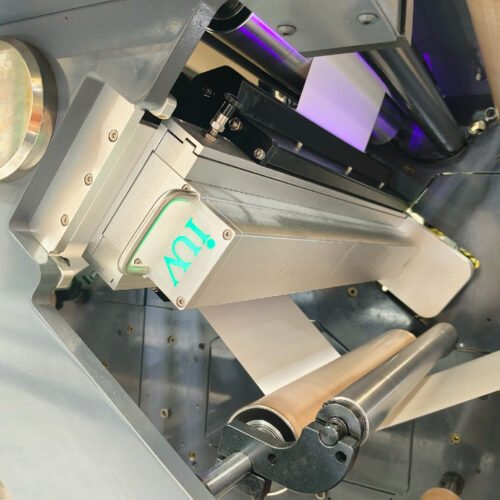
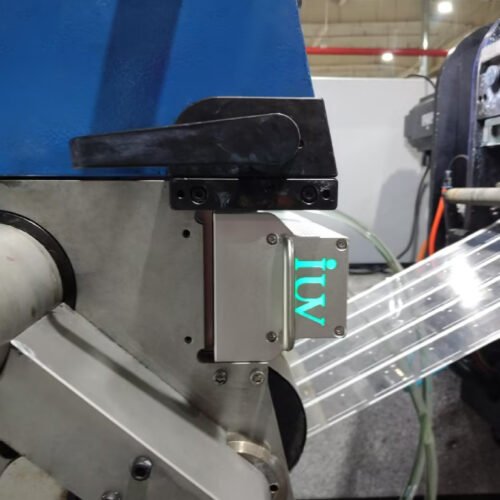
LED UV curing technology offers a substantial upgrade. Light Emitting Diodes (LEDs) emit UV light at specific wavelengths. This technology brings several benefits to narrow-web digital printing:
- Instant Drying: LED UV inks cure immediately upon exposure to the LED light. This allows for high printing speeds and enables immediate handling of printed labels, preventing smudging or offsetting.
- Substrate Versatility: The lower heat output of LEDs means they can be used on a wider range of heat-sensitive substrates, such as thin films and certain plastics, which might degrade under the heat of mercury lamps. This expands the material options for brand owners.
- Energy Efficiency: LEDs are significantly more energy-efficient than traditional mercury lamps, leading to lower operational costs.
- Environmental Friendliness: LEDs do not contain mercury and have a much longer lifespan, reducing waste and maintenance.
- Consistent Performance: LEDs provide a stable and consistent UV output over their lifespan, ensuring reliable curing and consistent print quality.
- Compact Design: The smaller footprint of LED UV systems allows for easier integration into narrow-web digital printing presses.
How LED UV Curing Supports Variable Data Labels
When printing variable data, the speed and efficiency of the entire process are paramount. LED UV curing ensures that each label, regardless of its unique content, is dried instantly and effectively. This prevents ink from smearing as the web moves rapidly through the press, which is crucial when printing successive, different labels. The ability to print on diverse substrates also means that brands can select the most appropriate material for their product, whether it’s a durable film for a beverage bottle or a textured paper for a premium cosmetic. The immediate curing means labels are ready for finishing processes like die-cutting or rewinding without delays, further streamlining production.
Applications in Focus
Brand owners leverage narrow-web digital printing with LED UV curing for a variety of label applications:
- Promotional Labels: Applying unique codes for sweepstakes, discounts, or loyalty programs. Each consumer can receive a different offer or entry.
- Personalized Products: Printing names, special messages, or dietary information on individual units, especially for premium or custom-ordered goods.
- Food and Beverage: Date codes, batch numbers, and country-specific compliance information that varies by region or production lot.
- Pharmaceuticals: Unique serialization codes required for regulatory compliance and drug tracking.
- Cosmetics and Personal Care: Limited edition designs, personalized product variants, or promotional messaging.
- Industrial Products: Serial numbers, manufacturing dates, and specific application instructions that vary by unit.
Conclusion
For brand owners requiring labels with variable data, the combination of narrow-web digital printing and LED UV curing technology presents a modern, efficient, and cost-effective solution. It overcomes the limitations of traditional printing methods, offering unparalleled flexibility, speed, and customization. The ability to print unique information on demand, coupled with the robust performance and substrate versatility provided by LED UV curing, makes this approach the preferred choice for brands looking to innovate, engage consumers, and maintain a competitive edge in today’s dynamic marketplace.