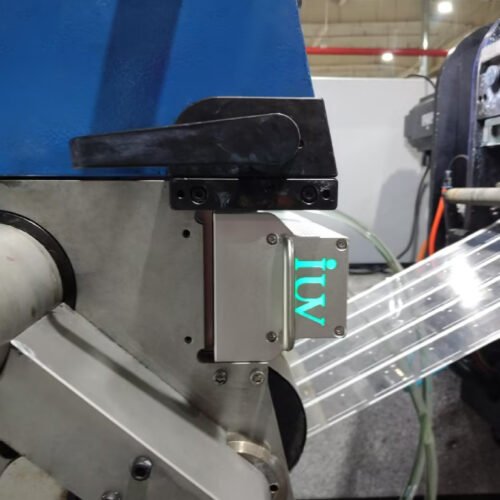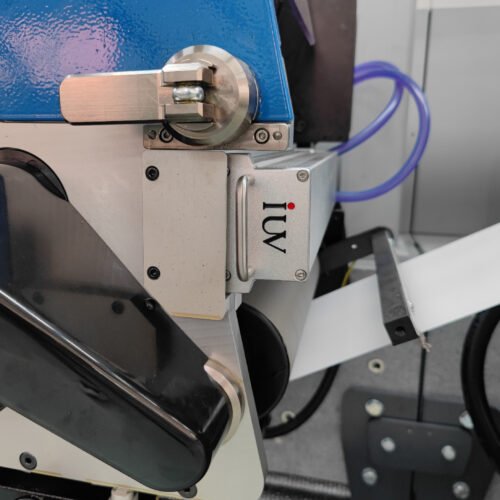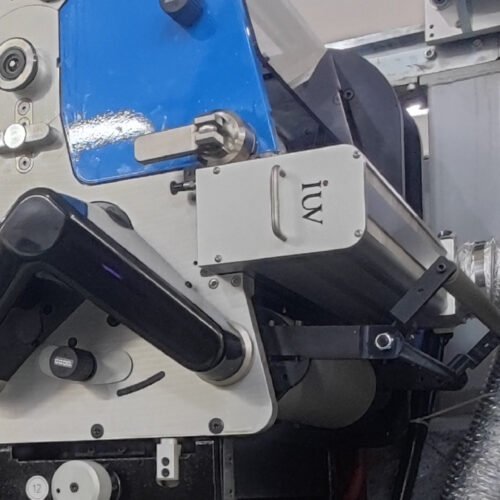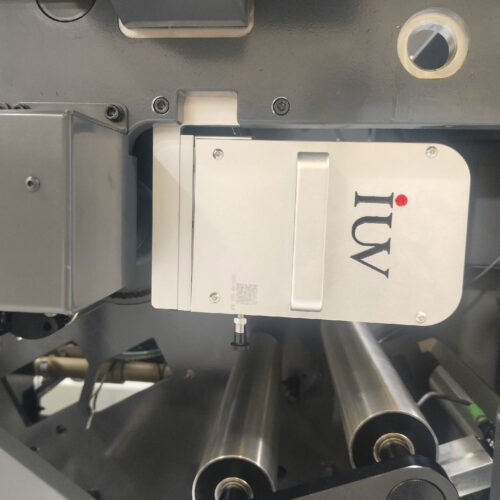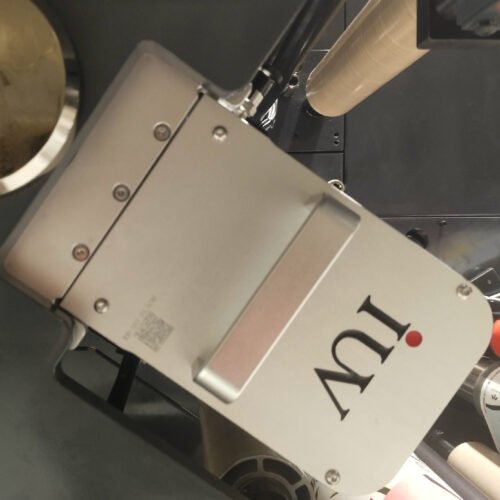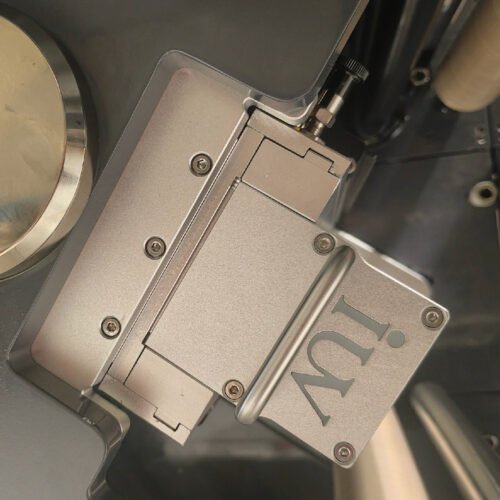
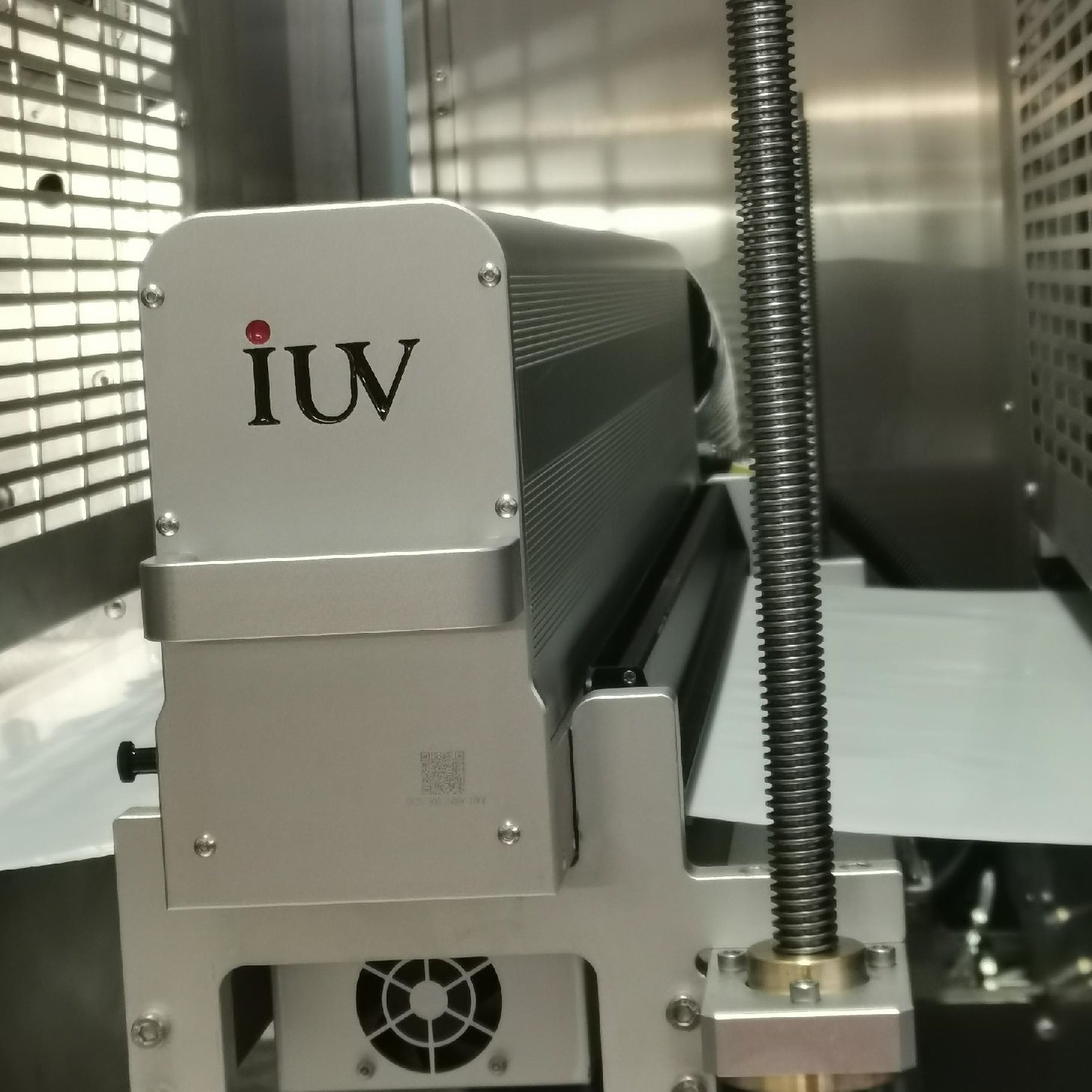
The narrow-web packaging industry is in constant pursuit of efficiency and superior print quality. For years, flexographic printing has held a dominant position in this sector, particularly for labels and flexible packaging. However, the landscape is rapidly evolving, driven by advancements in technology and increasing market demands. Among these innovations, high-speed UV flexo printing, especially with LED UV curing, is emerging as the undeniable future for narrow-web applications. This article delves into why this technology is set to revolutionize the industry.
The Enduring Strength of Flexography in Narrow-Web
Flexographic printing, often shortened to flexo, has long been a workhorse for narrow-web printing. Its inherent flexibility and versatility make it ideal for a wide range of substrates, from thin films and foils to paper and board. The process uses a raised image carrier, typically a photopolymer plate, which transfers ink to the substrate. This relief printing method is well-suited for continuous, high-speed production runs, a critical factor in the cost-sensitive packaging market.
The ability to print on non-porous materials, often a challenge for other printing methods like offset or gravure, is a significant advantage of flexo. This is crucial for the production of high-quality labels and flexible packaging that require durability and specific barrier properties. The relatively low cost of plates and the straightforward nature of the printing process have solidified flexo’s position for decades.
The Rise of UV Curing: Beyond Traditional Inks
Traditionally, flexo printing relied on solvent-based or water-based inks. While these inks have their place, they present certain limitations. Solvent-based inks require extensive drying times and ventilation systems to manage volatile organic compounds (VOCs), posing environmental and safety concerns. Water-based inks, while more eco-friendly, can be slower to dry and may not offer the same level of rub and scratch resistance needed for demanding packaging applications.
This is where UV curing technology dramatically shifted the paradigm. UV-curable inks contain monomers and oligomers that polymerize, or harden, instantly when exposed to ultraviolet light. This rapid curing process offers several compelling benefits:
- Instant Drying: No waiting for ink to dry means faster production speeds and immediate handling of printed materials.
- Superior Durability: UV-cured inks create a highly resilient ink film, offering excellent resistance to abrasion, chemicals, and fading.
- Vibrant Color Reproduction: The non-porous nature of the cured ink allows for brighter, more saturated colors with sharper detail.
- Versatility: UV inks can be formulated for a wide array of substrates, including plastics, foils, and coated papers, without the need for extensive surface preparation.
- Reduced VOCs: Most UV inks are 100% solids, meaning they contain no VOCs, contributing to a safer and more environmentally conscious printing environment.
The Leap to High-Speed: Integrating UV with Flexo
The marriage of UV curing with flexographic printing has been a game-changer for narrow-web. While conventional UV lamps (mercury vapor) enabled faster drying and better durability, the advent of LED UV curing has propelled the technology into a new era of efficiency and sustainability.
High-speed UV flexo printing capitalizes on the rapid curing capabilities of UV inks to achieve unprecedented production speeds. In narrow-web operations, where every second counts, the ability to print faster without compromising quality or durability is a significant competitive advantage. This means more labels or packaging units produced per hour, directly impacting profitability.
LED UV Curing: The Pinnacle of Efficiency and Sustainability
The transition from traditional mercury UV lamps to LED UV curing represents a significant technological leap, particularly for high-speed applications. While mercury lamps have served the industry well, they come with several drawbacks:
- High Energy Consumption: Mercury lamps consume a substantial amount of electricity to generate UV light and heat.
- Heat Generation: They produce significant heat, which can affect sensitive substrates and requires robust cooling systems.
- Short Lamp Life: Mercury lamps have a limited lifespan and require frequent replacement.
- Environmental Concerns: The disposal of mercury-containing lamps poses environmental challenges.
LED UV curing addresses these issues head-on:
- Energy Efficiency: LEDs consume significantly less energy, leading to substantial cost savings on electricity bills.
- Low Heat Output: LEDs emit UV light with minimal heat, making them ideal for heat-sensitive substrates and reducing the need for extensive cooling.
- Long Lifespan: LED lamps have a remarkably long operational life, often exceeding 20,000 hours, drastically reducing maintenance and replacement costs.
- Instant On/Off: LEDs reach full intensity instantaneously, allowing for precise control and reducing wasted energy.
- Mercury-Free: LEDs are environmentally friendly, containing no hazardous mercury.
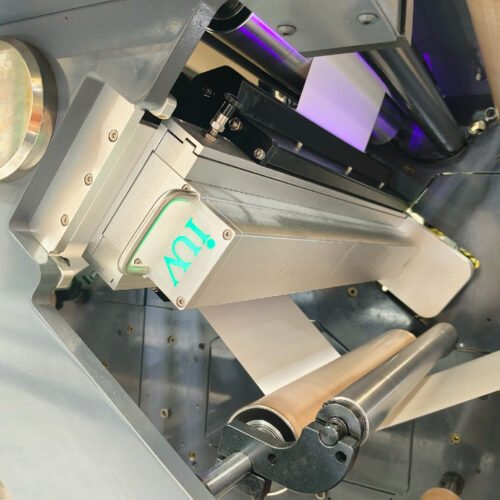
For high-speed narrow-web flexo printing, LED UV curing is particularly transformative. Its ability to deliver a focused UV output at precisely the right wavelengths, combined with its low heat and instant on/off capability, allows presses to run at maximum speed. The instant curing means that subsequent printing stations or finishing processes can occur immediately, eliminating bottlenecks and maximizing throughput.
Advantages of High-Speed UV Flexo for Narrow-Web Packaging
The integration of high-speed printing with LED UV curing in narrow-web flexo offers a compelling suite of benefits for packaging converters and brand owners alike.
For Converters:
- Increased Throughput: The most immediate benefit is the ability to produce more finished goods in less time, leading to higher overall production capacity and revenue.
- Reduced Waste: Faster curing and immediate handling minimize the risk of smudging or damage, leading to lower waste rates.
- Lower Operational Costs: Energy savings from LEDs, reduced maintenance due to longer lamp life, and fewer consumables (like solvents) contribute to lower operational expenditures.
- Broader Substrate Range: The ability to print effectively on a wide variety of materials, including challenging plastics and films, expands market opportunities.
- Enhanced Productivity: Reduced setup times and faster job changes become possible due to the immediate nature of UV curing.
- Improved Work Environment: The absence of VOCs creates a safer and healthier working environment for operators.
For Brand Owners:
- Superior Print Quality: The ability to achieve vibrant colors, sharp details, and high-contrast images enhances brand appeal on the shelf.
- Exceptional Durability: Packaging that withstands the rigors of supply chains, from warehousing to consumer handling, maintains its aesthetic integrity. This is vital for premium products and applications requiring high resistance.
- Faster Time to Market: The increased efficiency in production translates to quicker turnaround times, allowing brands to respond more rapidly to market trends and demands.
- Sustainability Credentials: The reduced energy consumption and elimination of VOCs align with growing corporate sustainability initiatives, appealing to environmentally conscious consumers.
- Versatile Applications: High-speed UV flexo can handle intricate designs, fine text, and special effects, enabling innovative packaging solutions.
Addressing Common Concerns and Future Outlook
While the advantages are clear, some might raise concerns about the initial investment in new equipment or the learning curve associated with advanced UV technology. However, the long-term operational savings and increased competitive edge provided by high-speed UV flexo typically offer a strong return on investment. Furthermore, modern press designs and ink formulations are continually improving user-friendliness.
The future of narrow-web packaging printing is undeniably bright and increasingly digital. High-speed UV flexo, powered by LED curing technology, is at the forefront of this evolution. It offers a potent combination of speed, quality, versatility, and sustainability that traditional methods struggle to match. As the demand for visually appealing, durable, and efficiently produced packaging continues to grow, this technology will become an indispensable tool for converters seeking to thrive in a competitive market. The move to high-speed UV flexo isn’t just an upgrade; it’s a strategic necessity for staying ahead.