Achieving consistent, high-quality results in multi-layer varnish and coating applications hinges on a deep understanding of UV ink performance. This is particularly true in demanding sectors like label printing, flexography, offset printing, and narrow-web applications, where precise control over ink behavior is paramount. The advent of LED UV curing technology has further refined these processes, offering distinct advantages in speed, energy efficiency, and ink versatility. However, maximizing the benefits of UV inks in layered systems requires careful attention to several key performance factors.
The foundation of excellent UV ink performance lies in its formulation. UV inks are comprised of monomers, oligomers, photoinitiators, pigments, and additives. Each component plays a critical role in the ink’s behavior during printing and its final cured properties. In multi-layer applications, the interaction between successive ink and varnish layers is crucial. The first layer must be sufficiently cured to provide a stable base for subsequent layers, preventing intercoat adhesion issues or unwanted migration. The photoinitiators are responsible for initiating the polymerization process when exposed to UV light. Their selection and concentration directly impact cure speed and depth. For thicker or multiple layers, ensuring complete through-cure without surface tackiness or yellowing becomes a significant challenge.
Understanding the rheology of UV inks is vital. Rheology describes how a fluid flows and deforms under stress. For printing, inks need to have a viscosity that allows for smooth transfer from the printing plate to the substrate. In flexographic and offset printing, this transfer is highly dependent on ink flow characteristics. Too thin, and the ink may spread uncontrollably, losing fine detail. Too thick, and it may not transfer effectively, leading to poor ink laydown and patchy coverage. In multi-layer applications, the rheology of each subsequent ink or varnish layer must be compatible with the previous one. A varnish applied over an uncured or poorly cured ink layer can easily disturb the underlying ink, causing mixing or lifting.
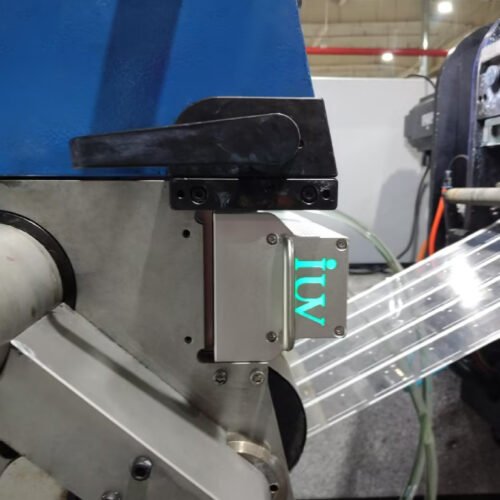
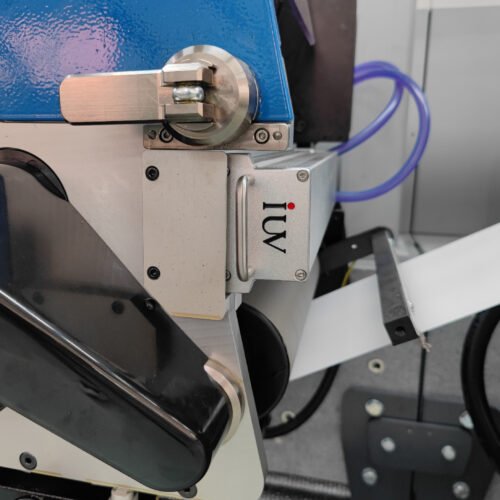
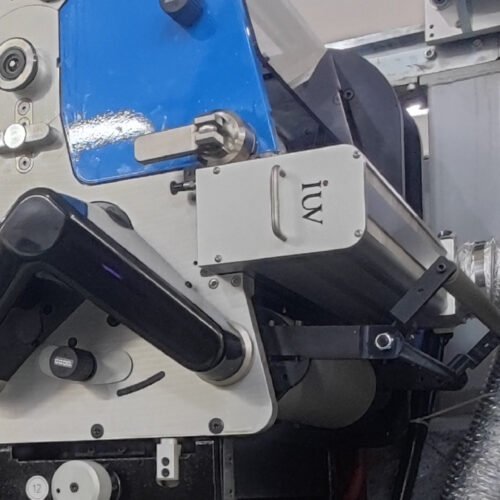
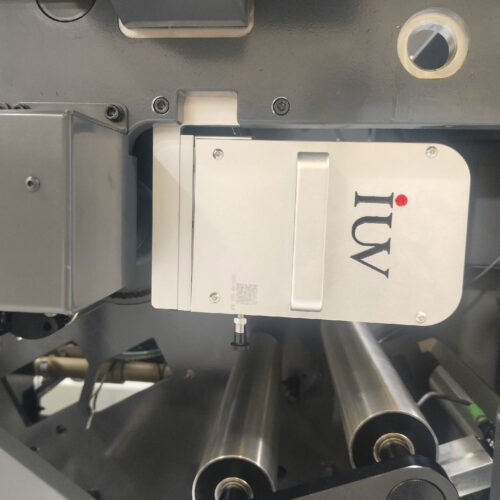
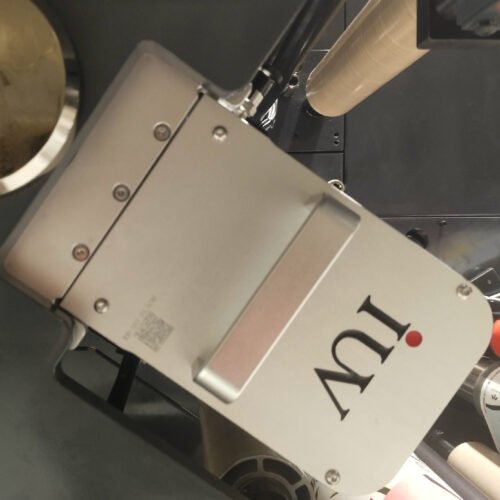
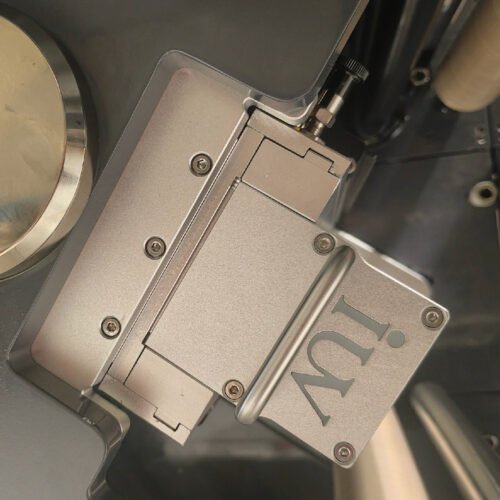
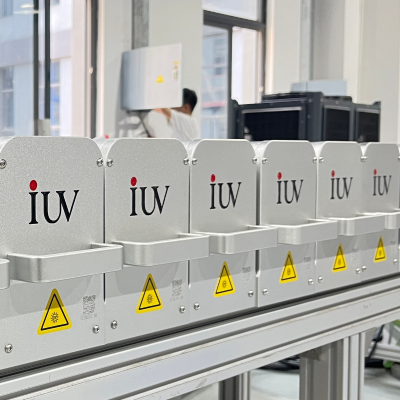
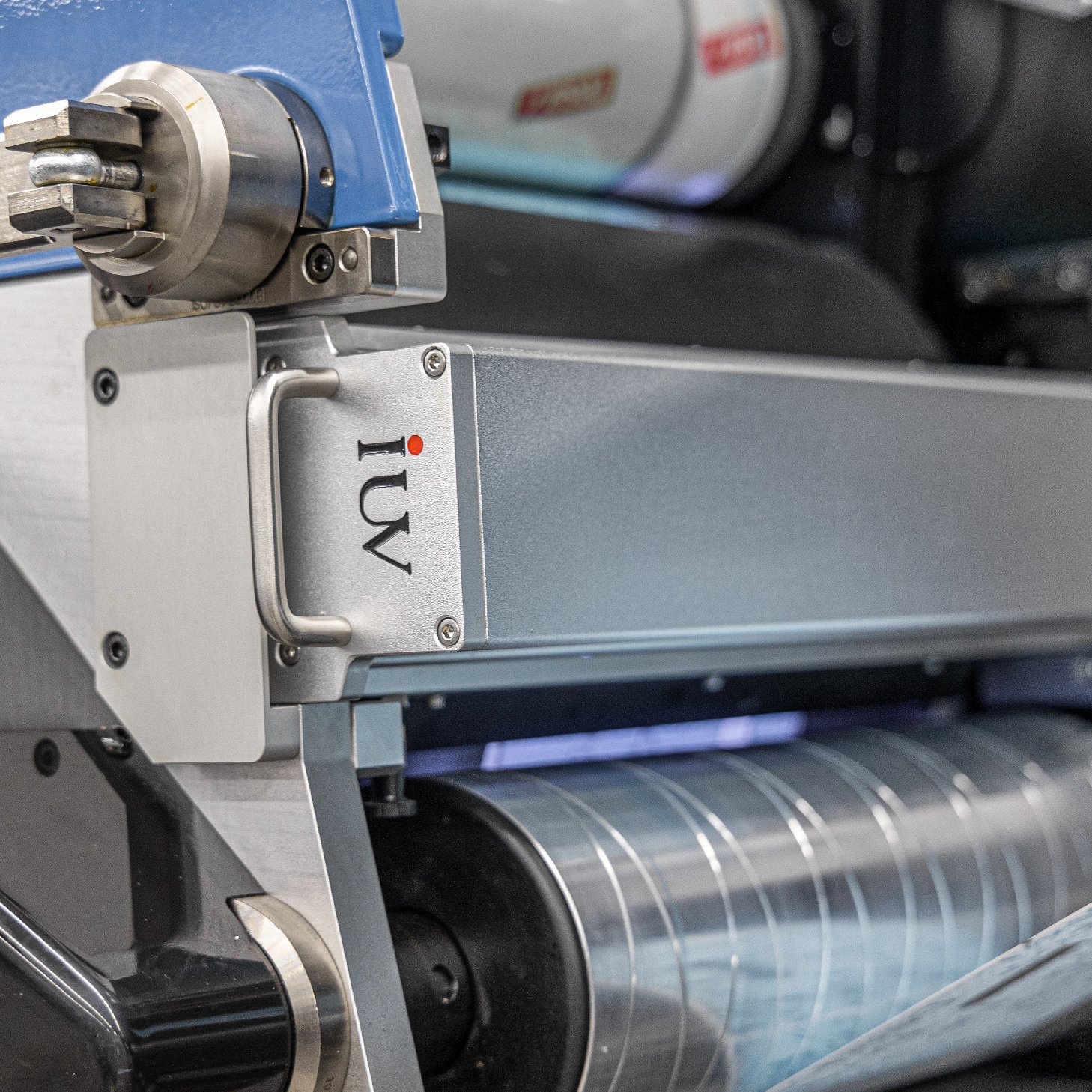
The curing process itself is where UV inks truly transform from a liquid to a solid, durable film. With traditional mercury vapor lamps, achieving adequate cure in multi-layer applications could be challenging due to heat generation and potential over-exposure of the first layers. LED UV curing systems offer a more controlled and targeted approach. LEDs emit UV light at specific wavelengths, which can be matched precisely to the absorption spectra of the photoinitiators in the ink formulation. This specificity allows for efficient energy transfer, leading to faster and more complete curing. Furthermore, LED systems generate less heat, reducing the risk of substrate distortion or premature curing of uncured ink layers. However, the depth of cure from LED systems can be a consideration for very thick or heavily pigmented layers. Understanding the UV irradiance and spectral output of the LED system is as important as the ink formulation itself.
Substrate interaction is another critical element. The surface energy of the substrate influences ink adhesion. Porous substrates absorb ink differently than non-porous ones. In multi-layer applications, the adhesion between each ink layer and between the final layer and the substrate determines the overall durability and integrity of the printed product. Specialty primers or surface treatments may be necessary to ensure optimal adhesion, especially when printing on challenging materials like plastics or certain coated papers. UV inks formulated for specific substrates offer better performance, but layering adds complexity. Each layer must adhere not only to the substrate (or the previous ink layer) but also maintain its own integrity.
In label printing, for example, multi-layer applications are common for creating tactile effects, metallic finishes, or high-gloss areas. A brand owner might request a matte varnish over a spot UV gloss, or a textured effect achieved by building up several layers of specialized UV coatings. Each of these layers needs to cure perfectly and adhere to the layer beneath it without compromising the visual or physical properties of the overall design. For narrow-web flexographic printing, where speeds are high and space is often limited, efficient curing and precise ink control are non-negotiable. The narrow web width means less room for error, and multi-layer effects demand immaculate registration and cure.
Flexographic printing, with its raised image carriers, presents unique challenges and opportunities for UV ink performance. The ability to achieve sharp, clean dots and fine lines depends heavily on ink viscosity, plate quality, and the UV curing system’s effectiveness. When applying multiple layers of varnish or coatings, the pressure from the anilox roll and the plate can influence ink thickness. Ensuring that each layer is cured sufficiently before the next is applied is essential to prevent defects. Flexo printers often utilize tandem stations, allowing for immediate curing after ink application, which is ideal for multi-layer processes.
Offset printing, both sheetfed and webfed, also benefits from UV technology, particularly for high-volume, high-quality graphics. Multi-layer effects, like spot UV coatings applied over a solid printed area or layered varnishes to create depth, are common. The transfer of ink in offset is different from flexo, involving ink rollers and a plate. UV inks in offset need to maintain their ink-like properties on the press while curing rapidly and completely under UV light. In multi-layer offset, careful management of ink film thickness and cure between each layer is crucial to avoid issues like ghosting or delamination.
The choice of photoinitiators is paramount, especially when dealing with multiple layers. Different photoinitiators absorb UV light at different wavelengths and have varying cure speeds and depths. For multi-layer applications, it may be beneficial to use a combination of photoinitiators. One type might be optimized for surface cure, while another is designed for through-cure. This ensures that each layer hardens properly without leaving uncured components that could migrate or cause adhesion problems. Pigmented layers, in particular, can be challenging to cure fully, as pigments can absorb or scatter UV light, hindering penetration to the deeper ink film. Careful selection of pigments and compatible photoinitiators is therefore essential.
Additives in UV inks, such as slip agents, matting agents, and adhesion promoters, also influence performance in multi-layer applications. Slip agents reduce the coefficient of friction, which can be desirable for packaging. Matting agents create a dull finish. However, these additives can sometimes interfere with intercoat adhesion if not carefully formulated. For example, a high concentration of slip agent in a lower layer might hinder the adhesion of the subsequent varnish. Likewise, if a matte varnish is applied as the final layer, its formulation must ensure it doesn’t compromise the durability or appearance of the layers beneath it.
Troubleshooting common issues in multi-layer UV printing often involves diagnosing problems related to adhesion, cure, or ink transfer. Poor adhesion, or delamination, between layers can be caused by insufficient cure of the underlying layer, contamination, or incompatible formulations. Incomplete cure can result in surface tackiness, scratching, or unwanted migration of uncured components. These issues are often exacerbated in multi-layer systems where the curing of lower layers is less accessible.
To optimize UV ink performance, a systematic approach is recommended. This involves:
- Ink Selection: Choose inks and varnishes specifically designed for multi-layer applications and the printing process being used (flexo, offset, etc.).
- Curing System Assessment: Ensure the LED UV curing system delivers adequate energy (irradiance and dosage) at the correct wavelengths for the selected inks.
- Process Control: Maintain tight control over ink viscosity, transfer, and registration.
- Substrate Preparation: Verify substrate surface energy and consider pre-treatments if necessary.
- Layer Sequencing: Plan the order of ink and varnish application carefully, considering the curing requirements of each layer.
- Testing and Validation: Conduct rigorous adhesion and cure tests on printed samples before full production runs.
By meticulously managing these variables, printers can unlock the full potential of UV inks and LED UV curing technology, consistently producing vibrant, durable, and visually appealing multi-layer finishes across a wide range of label and packaging applications. The complexity of multi-layer systems demands precision, but the rewards in terms of product enhancement and market differentiation are substantial.