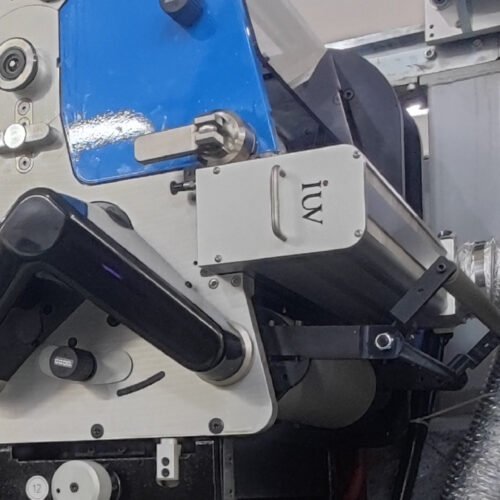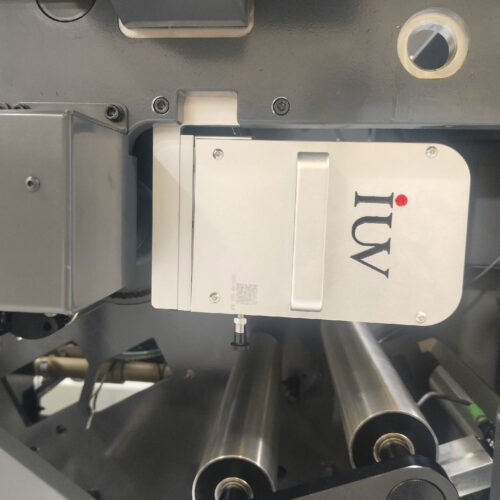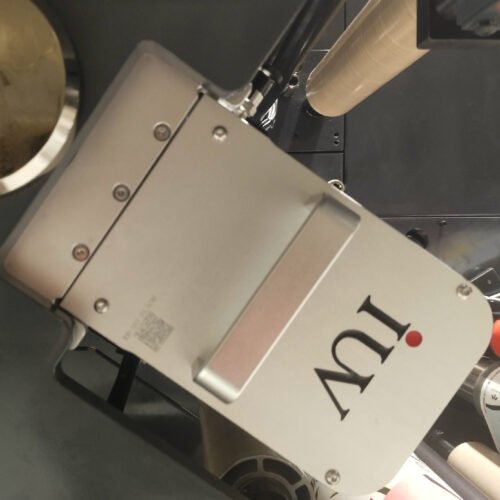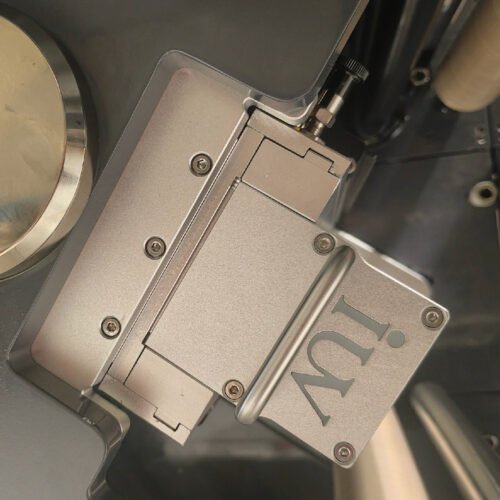
Navigating the nuances of UV curing in the print industry, particularly when aiming for uniform gloss levels, presents a unique set of challenges and opportunities. The advent of high-intensity LED curing technology has significantly shifted the landscape, offering enhanced control and efficiency. This article delves into achieving consistent gloss levels with high-intensity LED curing, focusing on its application across various printing methods like flexography, offset, and narrow-web printing.
The Science of Gloss in Printing
Gloss, in the context of printing, refers to the specular reflection of light from the printed surface. A higher gloss level means more light is reflected uniformly, creating a shiny appearance. Conversely, a lower gloss level results in more diffuse reflection, appearing matte. Achieving consistent gloss is paramount for brand owners and printers alike, as it directly impacts the perceived quality and aesthetic appeal of the printed product.
Several factors influence gloss:
- Ink Formulation: The resins, pigments, and additives in UV-curable inks play a critical role. Higher resin content generally leads to higher gloss.
- Substrate Properties: The surface characteristics of the printing substrate—its porosity, smoothness, and inherent gloss—significantly affect the final outcome.
- Curing Process: The intensity, wavelength, and duration of UV light exposure directly influence the polymerization of the ink, which in turn affects the surface characteristics and gloss.
- Printing Method and Press Conditions: Ink transfer, impression pressure, and doctor blade settings (in flexo) all contribute to the film thickness and surface uniformity, impacting gloss.
High-Intensity LED Curing: A Game Changer
Traditional mercury vapor lamps have long been the standard for UV curing. However, they have limitations, including significant heat generation, ozone production, and a broad spectral output that can be inefficient. High-intensity LED curing systems offer distinct advantages:
- Specific Wavelengths: LEDs emit light within narrow wavelength bands, typically in the UVA spectrum (e.g., 365nm, 395nm). This targeted emission ensures more efficient and complete polymerization of UV-curable inks specifically designed for these wavelengths.
- Instant On/Off: LEDs reach full intensity immediately, reducing startup time and energy consumption. They also allow for precise control over exposure duration.
- Lower Heat Output: Compared to mercury lamps, LEDs generate significantly less heat, which is beneficial for heat-sensitive substrates and reduces the risk of distortion.
- Longer Lifespan and Durability: LEDs have a much longer operational life and are more robust than mercury lamps.
- Energy Efficiency: LEDs consume less power for the same level of UV output, leading to cost savings.
The “high-intensity” aspect of these LED systems refers to their ability to deliver a potent dose of UV energy within a short period. This intense, targeted energy is key to achieving rapid and thorough curing, which directly influences the surface properties of the ink film.
Achieving Consistent Gloss in Flexographic Printing with LED Curing
Flexography, widely used for packaging and labels, relies on flexible relief plates. Achieving consistent gloss with LED curing in flexo requires careful consideration of several elements:
- Ink Selection: Opt for LED-curable inks specifically formulated for flexographic applications and designed to cure efficiently under the chosen LED wavelengths. These inks often contain higher solid content and specific photoinitiator packages.
- Anilox Roll and Ink Transfer: The anilox roll’s cell volume and engraving determine the amount of ink transferred. Consistent ink transfer is crucial for uniform ink film thickness, which directly translates to consistent gloss. High-intensity LED curing can help ensure that this transferred ink layer cures uniformly across its surface.
- Impression Pressure: While flexography generally uses lower impression pressures than offset, maintaining consistent pressure across the printing cylinder is vital to avoid ink spread and ensure a smooth, even surface for curing.
- Doctor Blade (if applicable): In certain flexo configurations, the doctor blade’s setting and condition affect ink metering. Any inconsistencies here can lead to variations in ink film thickness, impacting gloss.
- LED Wavelength and Irradiance: Ensure the LED system’s output wavelength matches the ink’s photoinitiator sensitivity. The irradiance (UV energy per unit area) and the exposure time must be precisely controlled to achieve complete surface cure without excessive heat buildup. High intensity allows for faster press speeds while still delivering sufficient energy.
Consistent Gloss in Offset Printing with LED Curing
Offset lithography, known for its high print quality and detail, also benefits from LED curing for gloss control.
- Ink Choice: Use offset inks formulated for LED curing. These inks are designed to react to specific LED wavelengths. They often have lower viscosity and faster cure response.
- Ink Film Thickness: Offset printing controls ink density through ink keys and the ink train. Precise control over ink film thickness is essential for uniform gloss. High-intensity LED curing helps to ensure that this relatively thin, precise ink film cures rapidly and evenly across the entire printed area, locking in its surface characteristics.
- Substrate Interaction: The interaction between the ink and the substrate’s surface is critical in offset. For smoother, less porous substrates, achieving high gloss is generally easier. LED curing’s rapid polymerization can help “freeze” the ink’s surface tension, minimizing interaction that could dull the finish.
- Press Speed and Curing Distance: With high-intensity LEDs, printers can often maintain or even increase press speeds while still achieving full cure. The distance between the LED lamps and the substrate is important; too close can cause overheating, too far reduces energy density. Consistent distance is key.
Narrow-Web Printing and LED Gloss Control
Narrow-web printing, predominantly for labels and flexible packaging, often utilizes both flexographic and sometimes offset or digital technologies. The principles for achieving consistent gloss with high-intensity LED curing are similar, but the context of limited space and high throughput on narrow-web presses amplifies the benefits of LED technology.
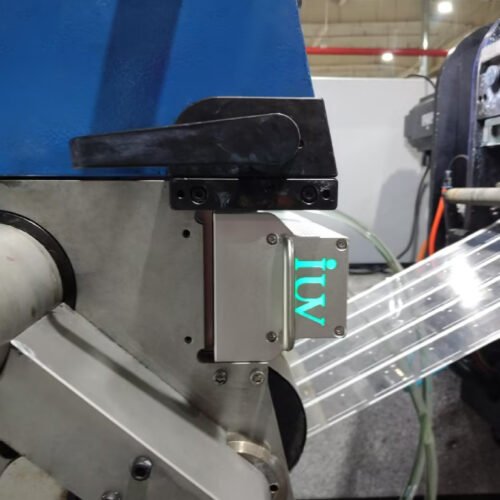
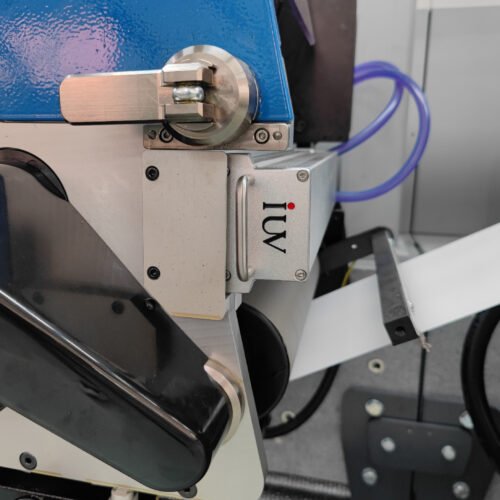
- Compact Footprint and Integration: LED curing units are significantly more compact than mercury lamp systems, making them ideal for integration into narrow-web presses without requiring extensive press modifications.
- Energy Efficiency and Cost Savings: The energy savings associated with LEDs are particularly impactful on high-speed, continuous narrow-web operations.
- Substrate Versatility: The lower heat output of LEDs allows narrow-web printers to work with a wider range of substrates, including heat-sensitive films, without risking distortion, which is crucial for maintaining a consistent surface for gloss.
- Optimizing Ink for Narrow-Web: Narrow-web inks are formulated for specific press speeds and substrate types. When paired with high-intensity LED curing, they can achieve rapid, thorough polymerization, leading to consistent gloss levels even at high production rates.
Optimizing LED Curing for Gloss
Beyond the specifics of each printing method, several overarching strategies help maximize gloss consistency with high-intensity LED curing:
- Ink/LED System Matching: This is foundational. The photoinitiator package in the ink must be optimally matched to the specific wavelength and spectral output of the LED lamps. Consult with ink manufacturers for recommendations.
- Irradiance and Exposure Time: Determine the optimal irradiance (e.g., in W/cm²) and exposure time required for full cure. High-intensity LEDs allow for shorter exposure times, which can be advantageous for faster press speeds. However, ensure that sufficient energy (J/cm²) is delivered.
- Uniformity of LED Output: Ensure the LED array provides uniform irradiance across the entire width of the printed web. Any “hot spots” or “dark spots” in the LED output will directly translate to inconsistent gloss. Regular calibration and maintenance of the LED system are crucial.
- Cooling Systems: While LEDs generate less heat than mercury lamps, adequate cooling is still necessary to maintain optimal operating temperatures for the LEDs themselves and to prevent excessive heat transfer to the substrate. This contributes to the stability of the curing process.
- Substrate Preparation: Ensure the substrate surface is clean and free from contaminants that could interfere with ink adhesion or curing, thereby affecting gloss.
- Press Condition Monitoring: Regularly check and maintain all press components—rollers, anilox rolls, plates, and impression cylinders—to ensure consistent ink transfer and impression.
Troubleshooting Gloss Inconsistencies
When gloss levels deviate from expectations, a systematic approach to troubleshooting is necessary:
- Check Ink: Is the ink batch consistent? Has it been stored correctly? Is it the correct formulation for LED curing?
- Examine Substrate: Is the substrate surface uniform? Are there any changes in porosity or smoothness?
- Review Curing Parameters: Has the irradiance or exposure time changed? Is the LED system functioning correctly and uniformly? Check for any lamp failures or performance degradation.
- Inspect Press Conditions: Are ink transfer and impression pressure consistent? Are anilox rolls clean and undamaged?
- Measure Gloss: Use a reliable gloss meter to quantify gloss levels and identify areas of inconsistency. This objective measurement is vital for effective troubleshooting.
The Future of Gloss and LED Curing
The continuous advancement in LED technology, including higher power outputs and broader spectral options, promises even greater control over ink curing and, consequently, gloss levels. As ink formulations become more sophisticated, tailored specifically for LED curing, printers will have more tools at their disposal to achieve repeatable, high-quality results. The synergy between high-intensity LED curing and optimized ink systems is clearly the path forward for printers seeking to meet the ever-increasing demands for visual appeal and consistent product quality. Embracing this technology is not just about efficiency; it’s about achieving a superior, more reliable finish.