The printing industry has long been under pressure to innovate and become more environmentally responsible. With rising demand for more sustainable production processes, the adoption of LED UV curing systems is gaining momentum. These systems offer a more energy-efficient, cleaner, and environmentally friendly approach to print curing, making them an excellent choice for reducing waste and improving sustainability in print production.
Understanding LED UV Curing Technology
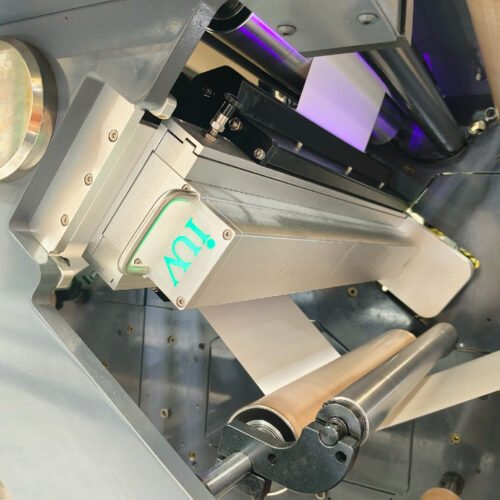
LED UV curing is a process used in the printing industry to cure or dry inks and coatings using ultraviolet light emitted by LEDs. Unlike traditional mercury-based UV lamps, LED UV systems use light-emitting diodes (LEDs) to generate UV light. The key difference lies in the wavelength of the light produced, which is more efficient and targeted at specific photoinitiators in the ink or coating.
In the past, conventional curing methods, such as thermal drying or mercury vapor lamps, were more common. However, these technologies often led to higher energy consumption, longer curing times, and greater environmental impact. LED UV curing systems have emerged as an advanced alternative that delivers faster curing speeds, lower energy consumption, and better quality results with fewer emissions.
Benefits of LED UV Curing Systems in Print Production
- Energy Efficiency: One of the most significant advantages of LED UV curing is its energy efficiency. Unlike conventional curing systems, which require significant energy to heat lamps to high temperatures, LED systems produce minimal heat. This results in lower power consumption and reduced operating costs, helping printers achieve more sustainable production processes.
- Faster Curing Times: LED UV curing offers faster curing times compared to traditional methods. The LED light source can cure inks and coatings almost instantly, reducing turnaround times for print jobs. This speed also allows for faster production rates, improving overall workflow efficiency.
- Reduced Waste: LED UV systems offer precise control over the curing process, reducing the chances of over-curing or under-curing inks. This precise curing reduces the likelihood of print defects such as smudging or fading, leading to less waste in terms of both materials and reprints. By achieving a higher first-pass yield, printing companies can cut down on their material waste, contributing to more sustainable production.
- No Ozone Emissions: Traditional mercury vapor lamps emit ozone during operation, requiring additional ventilation systems to ensure a safe working environment. In contrast, LED UV curing systems do not emit ozone, which improves the air quality in printing facilities and reduces the need for complex ventilation systems. This is a significant environmental benefit, particularly in confined or small print environments.
- Longer Lamp Life: LED UV lamps have a much longer lifespan than traditional UV lamps. The LEDs can last up to 20,000 to 30,000 hours, compared to mercury lamps that may need replacing after only 1,000 to 2,000 hours of use. This longer lifespan reduces the frequency of lamp replacements, lowering maintenance costs and minimizing the environmental impact of manufacturing and disposing of lamps.
- Reduced Heat Generation: The minimal heat produced by LED UV lamps not only improves energy efficiency but also allows printing on heat-sensitive substrates. This makes LED UV systems ideal for a broader range of applications, including specialty and flexible materials such as films and foils, which are often used in narrow-web and flexographic printing.
Applications in Flexographic and Narrow Web Printing
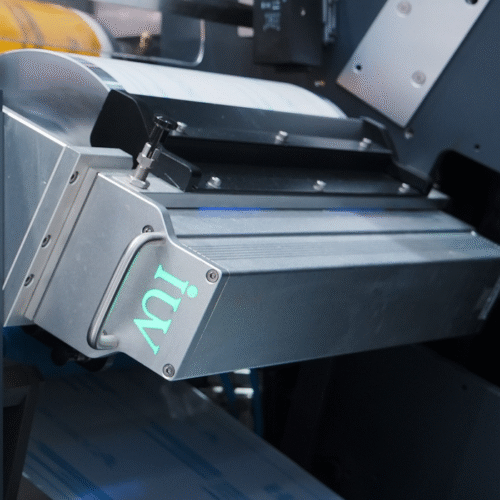
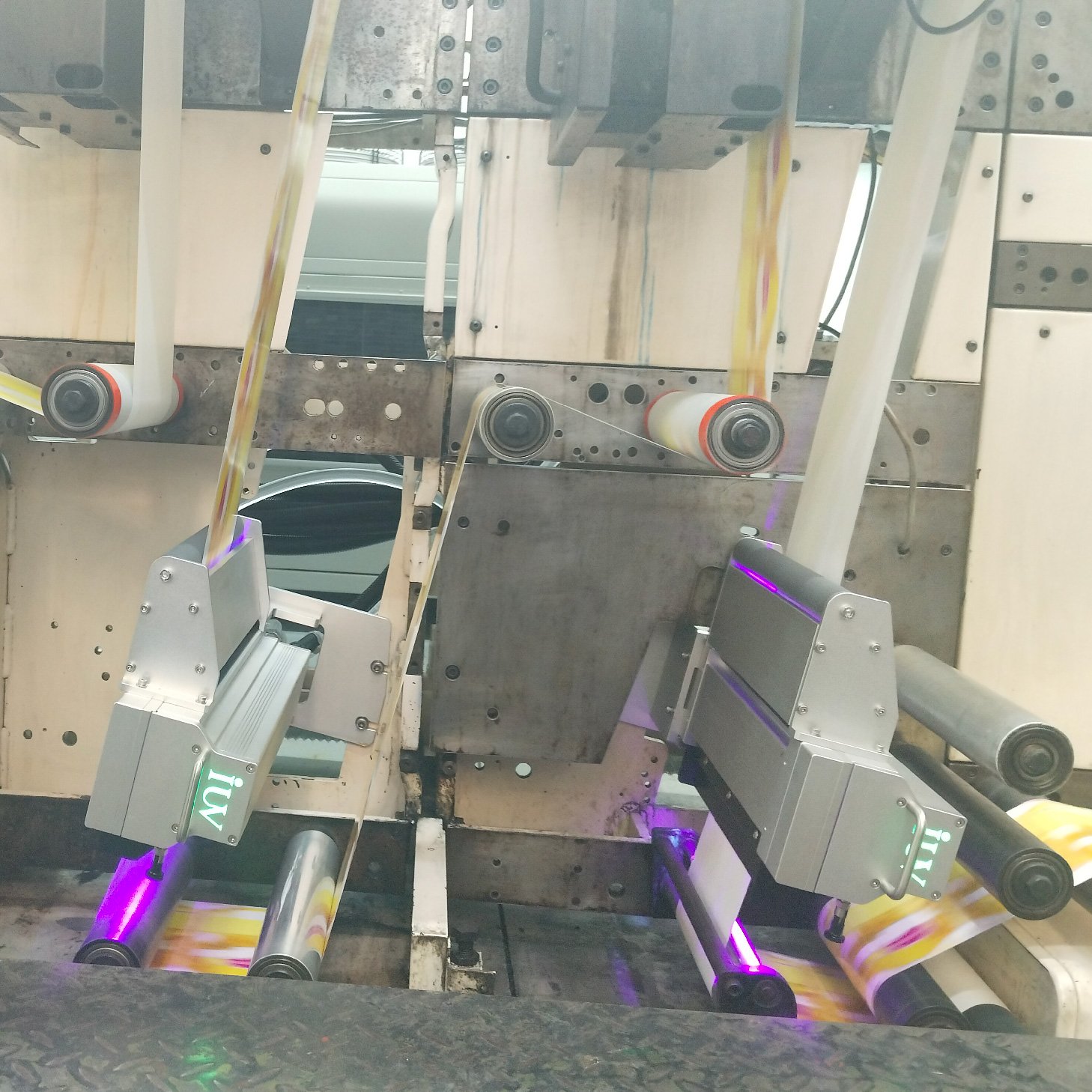
LED UV curing systems are particularly suited for flexographic printing and narrow-web applications. These printing methods, commonly used for packaging and label production, often require fast curing to maintain high-quality output while meeting tight deadlines.
Flexographic Printing
Flexographic printing, often referred to as flexo printing, uses flexible relief plates to transfer ink onto substrates such as corrugated cardboard, film, and plastic. In recent years, LED UV curing has become increasingly popular in flexographic applications due to its ability to quickly cure inks on non-porous surfaces, improving the overall speed and quality of print runs.
LED UV curing offers several key advantages in flexographic printing:
- High Print Quality: The rapid curing ensures that inks are set quickly, resulting in sharper, more vibrant prints.
- Better Adhesion: LED UV inks have improved adhesion to a wider variety of substrates, reducing the need for pre-treatment or special coatings.
- Faster Turnaround: The instant curing process allows for faster production times and quicker finishing, increasing overall productivity.
Narrow Web Printing
Narrow-web printing, which typically involves printing on labels and flexible packaging materials, is another area where LED UV curing excels. This printing method often deals with high-speed presses and requires a quick drying process to keep up with production demands.
LED UV curing systems provide several benefits in narrow-web printing:
- Speed: LED UV systems allow for immediate drying, which helps maintain high speeds and reduce bottlenecks in production.
- Flexibility: These systems are ideal for printing on a variety of substrates, including films and foils, often used in the packaging industry.
- Environmental Benefits: LED UV curing’s reduced energy consumption and elimination of ozone emissions align with the growing need for more sustainable practices in the packaging and labeling industries.
Sustainability Impact of LED UV Curing Systems
The growing focus on sustainability within the print industry is driving the demand for more eco-friendly technologies. LED UV curing offers numerous sustainability benefits that can help printing companies reduce their environmental footprint.
- Lower Carbon Footprint: With reduced energy consumption, LED UV systems help lower a printing facility’s carbon footprint. Less energy use translates to fewer greenhouse gas emissions, contributing to efforts to mitigate climate change.
- Less Chemical Waste: LED UV curing systems often use UV inks, which are typically free from solvents and other harmful chemicals. This eliminates the need for harmful solvents that can contribute to air pollution and pose health risks to workers.
- Reduced Waste in Materials: As LED UV curing provides more accurate and consistent curing, it reduces the need for reprints and material wastage. This contributes to better resource management and reduces the overall material waste generated by printing processes.
- Sustainability Certifications: For companies aiming to meet environmental standards and certifications (such as ISO 14001 or FSC), LED UV curing systems offer a clear path toward compliance. By adopting this technology, print shops can improve their sustainability credentials, making them more attractive to environmentally conscious customers.
Conclusion
The shift towards LED UV curing systems in the printing industry is an important step toward reducing waste and improving sustainability. By offering benefits such as energy efficiency, faster curing times, and a reduction in material waste, LED UV systems are enabling printing companies to meet the increasing demand for more sustainable practices.
Whether in flexographic, narrow-web, or other print applications, LED UV curing provides a cleaner, greener alternative to traditional methods, while also improving print quality and overall productivity. As the printing industry continues to evolve, LED UV curing stands out as a key technology that supports both operational efficiency and environmental responsibility.