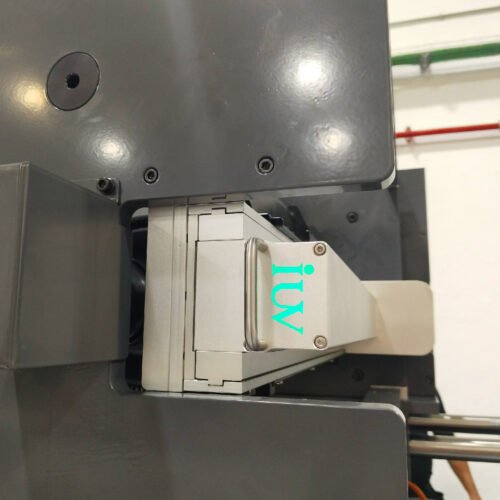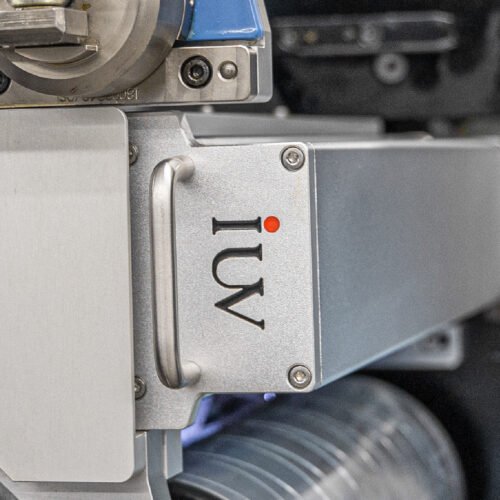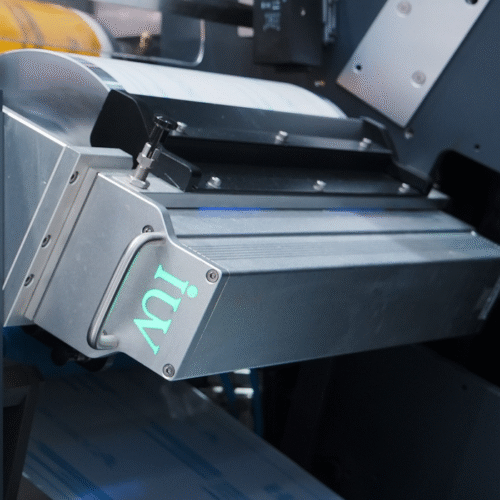
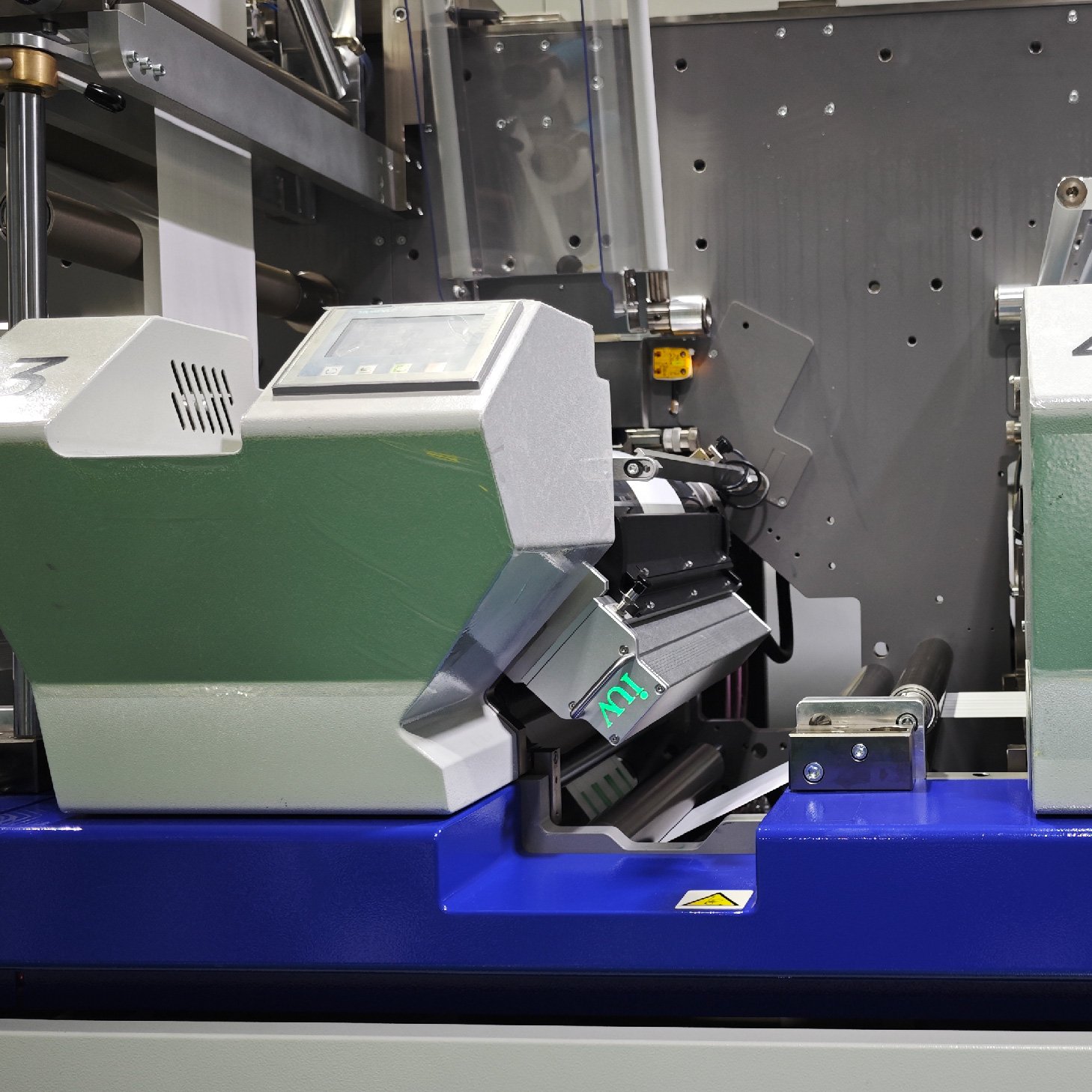
In the world of modern printing, the need for precision and versatility has led to significant advancements in curing technologies. Among these, LED UV curing systems have gained widespread adoption, especially when printing on heat-sensitive materials. These systems provide fast, efficient curing with minimal heat output, making them ideal for printing processes where temperature sensitivity is a concern. This article explores how LED UV curing systems are perfectly suited for use in printing on heat-sensitive materials, with a focus on flexographic printing, letterpress printing, narrow-web printing, and UV curing processes.
What is LED UV Curing?
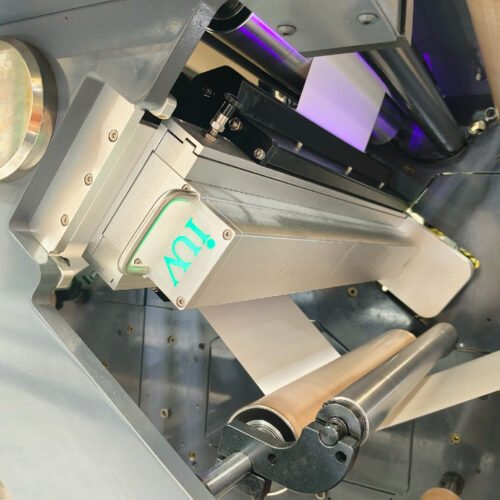
LED UV curing is a specialized technology used in the printing industry to dry or “cure” ink rapidly. Unlike traditional UV curing, which relies on mercury vapor lamps, LED UV curing uses light-emitting diodes (LEDs) that emit specific wavelengths of light to cure inks and coatings. The process involves exposing the printed material to LED light, causing the ink to polymerize and dry almost instantly. This rapid curing significantly enhances production efficiency, reduces waste, and improves the quality of printed materials.
One of the primary benefits of LED UV curing is the ability to control the level of heat applied during the curing process. Traditional UV curing often generates excessive heat, which can warp or damage heat-sensitive substrates. LED UV curing, on the other hand, produces minimal heat, making it ideal for use on materials that might otherwise be affected by high temperatures.
The Challenge of Printing on Heat-Sensitive Materials
Many substrates, such as certain plastics, films, and papers, are sensitive to heat. Excessive heat exposure during the printing and curing process can cause distortion, warping, or even melting of the material. This creates challenges for printers who need to ensure both high-quality results and substrate integrity.
Materials such as PET (polyethylene terephthalate), PVC (polyvinyl chloride), and certain coated papers are all prone to heat damage. In traditional printing systems, curing inks with high heat can lead to these materials becoming deformed, discolored, or even unusable. For these reasons, finding a solution that minimizes heat exposure while still delivering effective curing is essential.
How LED UV Curing Solves This Issue
LED UV curing systems offer a major advantage in situations where heat sensitivity is a concern. The technology operates at much lower temperatures than traditional curing systems, effectively eliminating the risk of heat damage. This makes LED UV curing particularly effective for printing on heat-sensitive materials such as thin films, plastics, and other delicate substrates.
Lower Heat Output
One of the most significant benefits of LED UV curing is its ability to produce very little heat. LED lamps operate at lower temperatures than their mercury vapor counterparts, reducing the risk of warping or damaging sensitive materials. This lower heat output is especially crucial for applications in which the substrate is prone to deformation, such as when printing on thin plastic films, foils, or lightweight papers.
Instant Curing
LED UV curing technology enables inks and coatings to dry almost instantly upon exposure to UV light. This rapid curing process reduces the time substrates spend under heat, further decreasing the likelihood of heat-induced damage. The ability to cure ink quickly also improves production speed and throughput, which is essential in fast-paced printing environments.
Benefits of LED UV Curing for Heat-Sensitive Materials
LED UV curing systems are ideal for use in a range of printing processes, especially for heat-sensitive materials. The advantages extend beyond temperature control and rapid curing to include energy savings, enhanced print quality, and greater environmental sustainability. Below, we explore how LED UV curing benefits various printing techniques.
1. Flexographic Printing
Flexographic printing is a widely used process in packaging, labels, and other applications requiring high-quality results on flexible materials. However, the heat generated by traditional curing methods can cause issues when printing on sensitive substrates such as thin films, plastic labels, or coated papers.
LED UV curing systems help address these concerns by offering low-heat operation while maintaining excellent curing performance. The low-heat nature of LED UV lamps reduces the risk of warping, ensuring that delicate materials remain intact throughout the printing process. Furthermore, LED UV technology’s fast curing times enable flexographic printers to achieve high-speed production without sacrificing quality.
2. Letterpress Printing
Letterpress printing is a traditional technique that involves pressing inked type or images onto paper or other materials. While it is less commonly used today compared to modern printing methods, it is still employed for specific high-quality applications. For heat-sensitive materials, LED UV curing systems offer a practical solution by ensuring the ink dries quickly without exposing the substrate to excessive heat. This is particularly useful when printing on specialty papers or textured materials that could be damaged by high temperatures.
3. Narrow-Web Printing
Narrow-web printing is used for printing labels, packaging, and other small-format products, often on heat-sensitive materials such as films and foils. Narrow-web printing presses are designed to print on relatively small web widths, requiring precise control of curing and drying processes. LED UV curing is ideal for these applications due to its ability to rapidly cure inks while minimizing heat exposure. This ensures the integrity of thin, heat-sensitive materials, resulting in high-quality prints that are both vibrant and durable.
4. UV Curing
In UV curing, inks or coatings are exposed to ultraviolet light to initiate a polymerization reaction that hardens the ink. While traditional UV curing systems use mercury vapor lamps, LED UV curing uses LED light sources that are more energy-efficient and produce less heat. This makes LED UV curing systems ideal for printing on heat-sensitive materials, where controlling temperature is crucial.
In addition to the lower heat output, LED UV curing systems are more energy-efficient, providing long-term savings in energy consumption. LED lamps last significantly longer than mercury vapor lamps, reducing maintenance costs and downtime for printers. This increased longevity makes LED UV technology an economical choice for both small and large-scale printing operations.
Additional Advantages of LED UV Curing
Apart from its ability to print on heat-sensitive materials, LED UV curing systems offer several other advantages that make them an attractive option for modern printing operations.
Environmental Sustainability
LED UV curing is more environmentally friendly than traditional UV curing methods. LED lamps contain no mercury, unlike mercury vapor lamps, which must be disposed of carefully to avoid environmental harm. LED lamps also use less power and generate less waste heat, contributing to lower energy consumption and a reduced carbon footprint.
Improved Print Quality
LED UV curing provides consistent and uniform curing across the print run. This ensures that colors remain vibrant and accurate, and that coatings are properly bonded to the substrate. The absence of heat-related distortion also leads to a smoother, higher-quality print finish. The curing speed of LED UV systems also reduces the chances of smudging or bleeding, ensuring that fine details are preserved.
Versatility
LED UV curing systems are compatible with a wide range of inks, coatings, and substrates. This versatility makes them suitable for printing on everything from plastic films to metallic surfaces and textured papers. Whether working with flexible materials in flexographic printing or printing labels on narrow webs, LED UV curing can be easily adapted to meet the specific needs of each job.
Conclusion
LED UV curing systems are revolutionizing the printing industry, offering an effective solution for printing on heat-sensitive materials. Their ability to cure inks quickly while minimizing heat output makes them ideal for applications in flexographic printing, letterpress printing, narrow-web printing, and other processes that require precision and substrate integrity. In addition to improving production efficiency and print quality, LED UV curing technology is more energy-efficient and environmentally sustainable than traditional curing methods.
As the demand for high-quality, high-speed printing continues to grow, LED UV curing systems will play an increasingly important role in helping printers achieve the best possible results on a wide variety of substrates. For any printing operation looking to improve their ability to print on heat-sensitive materials, LED UV curing offers a practical, efficient, and sustainable solution.