In the demanding world of label printing, flexography, and offset printing, maintaining ink quality and performance is paramount. Ink consistency directly impacts print quality, production efficiency, and ultimately, profitability. One of the most significant challenges faced by printers is ink degradation, which can lead to variations in viscosity, color strength, and cure speed. Fortunately, advancements in LED UV curing technology offer a powerful solution, providing printers with the tools to extend ink shelf life and ensure unwavering consistency.
The Hidden Costs of Ink Degradation
Undesirable changes in ink can manifest in various ways, each impacting the printing process:
- Viscosity Fluctuations: As inks age, their viscosity can change. This can lead to issues like poor ink transfer, uneven laydown, and increased dot gain, especially in narrow web printing where precision is key. In flexographic printing, incorrect viscosity can cause excessive ink on the anilox roll or insufficient ink transfer to the plate.
- Color Shift and Fading: Pigments within inks can react with air or light over time, leading to subtle but noticeable color shifts. This is particularly problematic for brand-sensitive applications where precise color matching is essential.
- Curing Inconsistencies: Older inks might not cure as efficiently or as quickly as fresh ones. This can result in under-cured prints, leading to adhesion issues, rub resistance problems, and potential for ink transfer to other surfaces. This impacts the durability of labels and the overall perceived quality of the printed product.
- Increased Waste: When inks degrade, printers often discard batches that are no longer suitable for use. This represents a direct financial loss and contributes to environmental waste. Reworking or rejecting entire print jobs due to ink-related issues further exacerbates these costs.
Understanding LED UV Curing Technology
Traditional UV curing systems often rely on mercury vapor lamps. While effective, these lamps generate significant heat, have a finite lifespan, and consume considerable energy. LED UV curing, on the other hand, utilizes light-emitting diodes. This technology offers a host of advantages, including:
- Instant On/Off: LEDs reach their full intensity immediately, eliminating warm-up and cool-down times. This boosts productivity, especially in short-run or job-switching environments common in narrow web printing.
- Lower Heat Output: Compared to mercury lamps, LEDs emit a much narrower spectrum of UV light with significantly less infrared radiation. This reduced heat load is crucial for temperature-sensitive substrates and for minimizing ink degradation.
- Longer Lifespan: LED lamps boast a considerably longer operational lifespan than traditional UV lamps, reducing maintenance downtime and replacement costs.
- Energy Efficiency: LEDs consume far less power to produce the same UV output, leading to substantial energy savings on the print floor.
- Precise Wavelength Control: Different UV inks are formulated to cure at specific wavelengths. LED systems can be designed to emit precise wavelengths, ensuring optimal and efficient curing for a wide range of ink formulations.
Optimizing LED UV Curing for Ink Longevity
The key to leveraging LED UV curing for enhanced ink shelf life and consistency lies in optimization. This involves a multi-faceted approach that considers both the curing system and the ink itself.
1. Wavelength Selection and Ink Formulation
The choice of LED wavelength is critical. UV inks contain photoinitiators that absorb UV light and initiate the polymerization process, transforming the liquid ink into a solid, cured film.
- Matching Wavelengths: Different photoinitiators are sensitive to different UV wavelengths. For instance, many standard UV inks are designed to cure efficiently under UVA light (320-400 nm). LED systems emitting within this range are ideal. Emerging ink formulations are also designed for specific LED wavelengths, such as the 365 nm, 385 nm, 395 nm, or 405 nm bands, offering enhanced curing speed and efficiency.
- Broad Spectrum vs. Narrow Spectrum: While broad-spectrum mercury lamps emit across a wide range of UV wavelengths, narrow-spectrum LED systems offer the advantage of delivering concentrated energy at the wavelengths most effective for a specific ink. This precision can lead to more complete curing and better ink stability.
- Ink Compatibility: Printers must ensure their chosen UV inks are compatible with their LED UV curing system’s emission spectrum. Consulting with ink manufacturers regarding optimal curing conditions is essential for both flexographic and offset printing applications.
2. Irradiance and Dose Control
Beyond wavelength, the intensity of the UV light (irradiance) and the total amount of UV energy delivered to the ink (dose) are crucial parameters.
- Irradiance (mW/cm²): This refers to the power density of the UV light. Higher irradiance means more UV energy is delivered per unit of time. Optimized LED systems allow for precise control over irradiance, enabling printers to fine-tune the curing process.
- Dose (J/cm²): This is the total energy received by the ink. It’s calculated by multiplying irradiance by the exposure time. Consistent and adequate dosing is vital for complete cure.
- Impact on Ink: Too little UV energy (under-dosing) can lead to incomplete cure, resulting in poor adhesion and performance. Too much energy (over-dosing) can lead to premature drying or degradation of the ink components before they can properly cure, especially in sensitive inks. Optimized LED systems, with their stable output, help maintain consistent irradiance over time, contributing to a more reliable and predictable cure.
3. Thermal Management and Ink Stability
As mentioned, LEDs generate less heat than traditional UV lamps. This is a significant advantage for ink stability.
- Reducing Thermal Stress: Excessive heat can accelerate the chemical reactions within an ink that lead to degradation. By minimizing heat exposure, LED UV curing helps preserve the ink’s intended properties for longer. This is particularly beneficial for label printing on heat-sensitive materials.
- Controlled Environment: While LEDs are cooler, maintaining a controlled environment in the print shop, especially around the ink fountains and transfer points in offset printing, is still important. Optimized LED systems contribute to this by not adding excessive heat to the immediate printing area.
- Ink Storage: While LED UV curing helps maintain consistency during the printing process, proper ink storage remains critical. Keeping inks in cool, dark environments, as recommended by the ink manufacturer, is a fundamental step in maximizing shelf life.
4. Integration and Automation
The effectiveness of LED UV curing systems is amplified when integrated seamlessly into the printing press and automated for consistent performance.
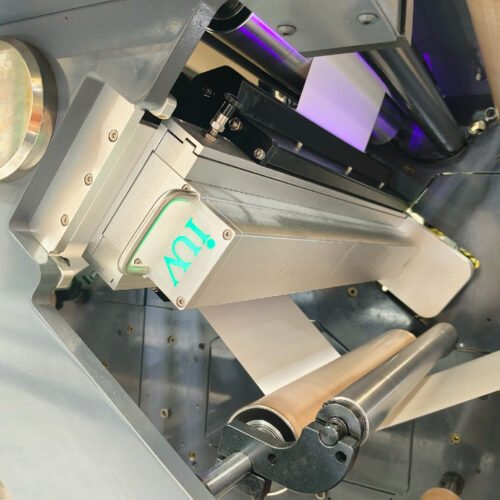
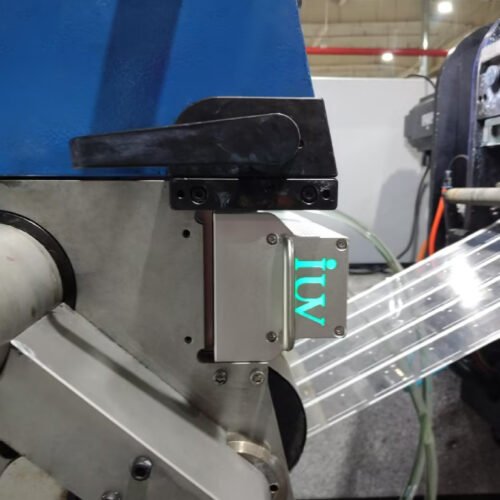
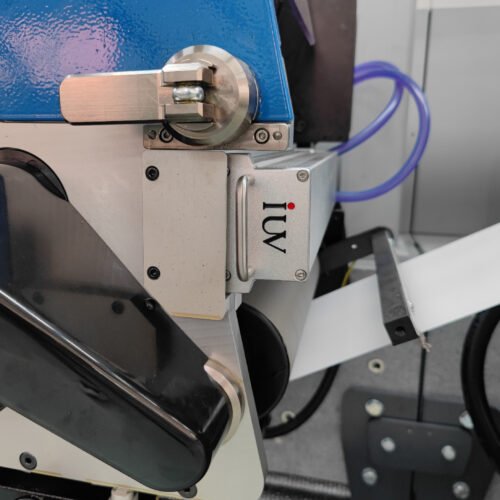
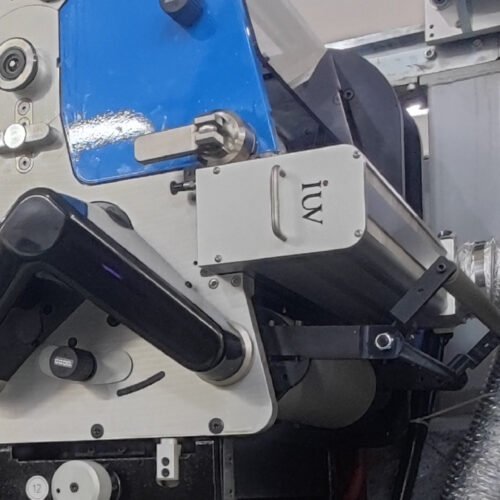
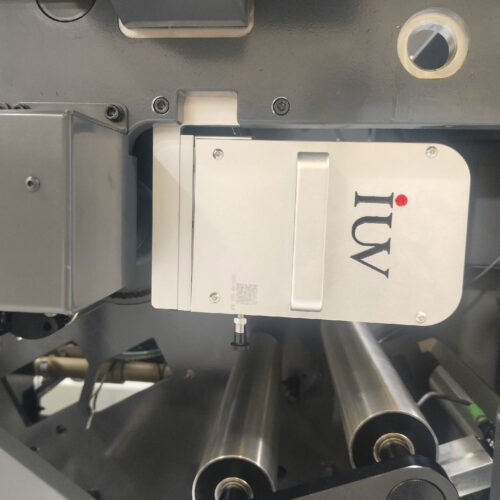
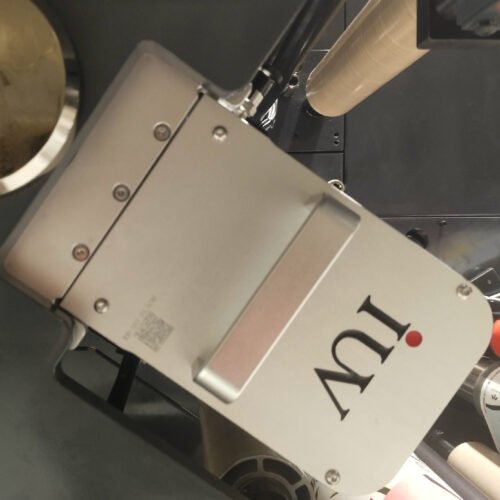
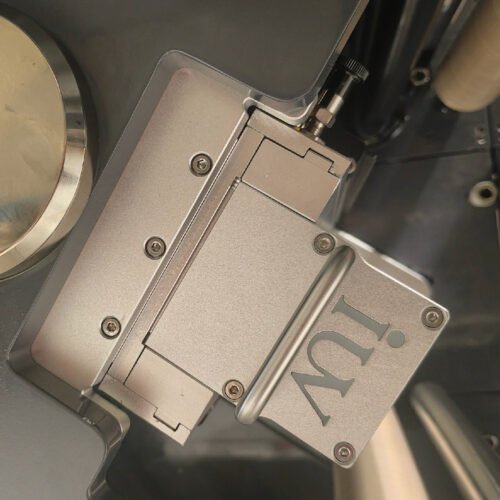
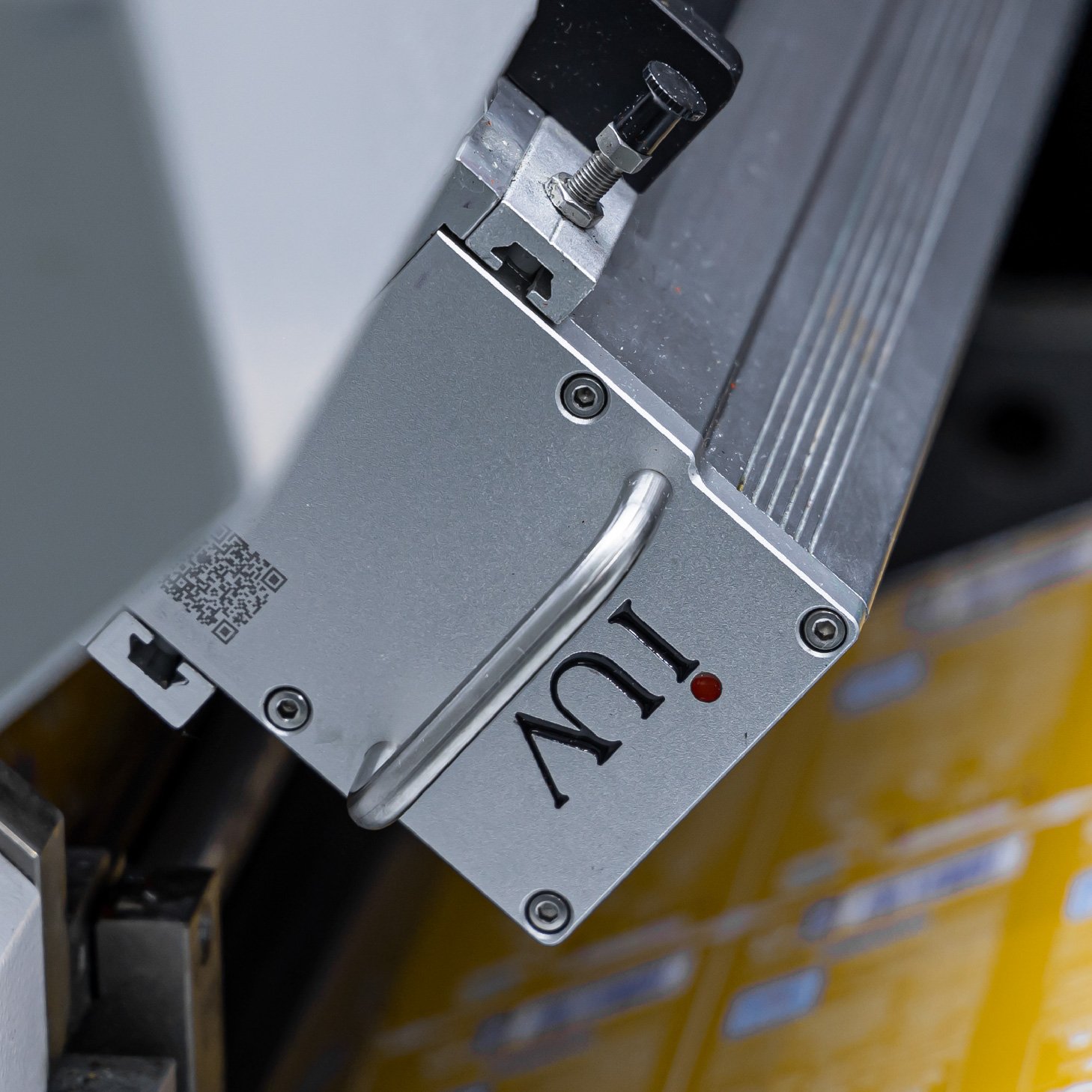
- Press Integration: Modern narrow web flexographic presses and offset printing presses are increasingly designed with integrated LED UV curing units. This ensures precise positioning of the curing lamps relative to the printing units and anilox rolls (in flexo), guaranteeing consistent exposure across the web.
- Process Control: Advanced LED systems offer integrated sensors and feedback mechanisms. These can monitor UV output and adjust parameters in real-time to compensate for minor variations in speed or lamp performance, ensuring a consistent dose and cure, which translates directly to consistent ink performance job after job.
- Automated Setup: Automated job setup features on modern presses, combined with optimized LED curing profiles, can reduce setup time and ensure that the correct curing parameters are applied from the very first impression, minimizing waste and maximizing ink efficiency.
Benefits for Different Printing Technologies
- Narrow Web Label Printing: In this high-volume, fast-paced sector, consistency is king. Optimized LED UV curing ensures that inks cure reliably on a wide range of substrates, from thin films to thicker papers. This reduces waste, improves print quality for detailed graphics and fine text, and allows for immediate post-processing, such as slitting and rewinding, without smudging or curing issues. The reduced heat is also invaluable for sensitive label materials.
- Flexographic Printing: Flexo printing, especially for packaging, relies heavily on consistent ink transfer and cure. LED UV systems provide the precise control needed to cure inks rapidly and effectively, ensuring good adhesion and scratch resistance. This is vital for the durability required in many packaging applications.
- Offset Printing: While traditionally associated with heatset or conventional inks, offset printing is increasingly incorporating UV inks, especially for commercial printing and specialty applications. Optimized LED UV curing offers a clean, efficient way to cure these inks, delivering high gloss, excellent durability, and vibrant colors without the extensive ventilation and heat associated with older UV lamp technologies. The precise control helps maintain ink stability in the wider ink trains of offset presses.
Conclusion: A Smarter Approach to Ink Management
Extending ink shelf life and ensuring consistency are not merely desirable goals; they are fundamental to maintaining a competitive edge in today’s print market. Optimized LED UV curing systems offer a technologically advanced and economically viable solution. By understanding the principles of LED UV curing, selecting appropriate wavelengths, precisely controlling irradiance and dose, and integrating these systems effectively into the printing process, printers can significantly reduce ink waste, minimize costly production errors, and achieve consistently superior print results. Embracing this technology represents a smarter, more sustainable, and ultimately more profitable approach to ink management.