The printing industry is in constant motion, driven by innovation and the relentless pursuit of efficiency. Among the most significant advancements in recent years is the widespread adoption of LED UV curing systems. These systems offer a host of benefits, from faster drying times and enhanced print quality to reduced energy consumption and environmental impact. However, their integration brings a new dimension to an age-old pressroom challenge: temperature management. Understanding how LED UV curing systems interact with and influence the thermal environment of a printing facility is crucial for optimizing performance, ensuring consistent results, and safeguarding equipment.
Beyond Traditional UV: The Unique Thermal Profile of LED Curing
Traditional UV curing lamps, often mercury-based, generate a substantial amount of heat in the form of infrared radiation. This heat can significantly impact the substrate, the printing inks, and, of course, the overall pressroom temperature. Managing this radiated heat has long been a staple of pressroom engineering, often involving elaborate ventilation systems and cooling mechanisms.
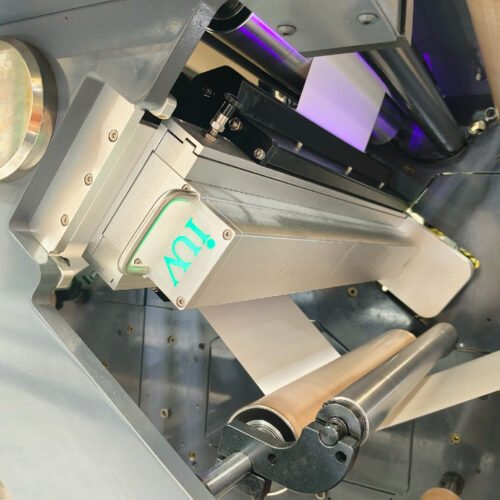
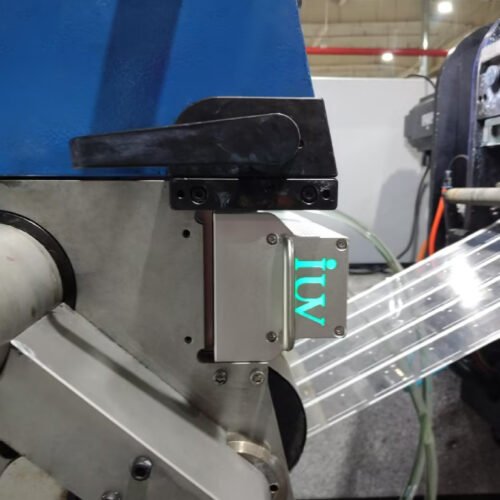
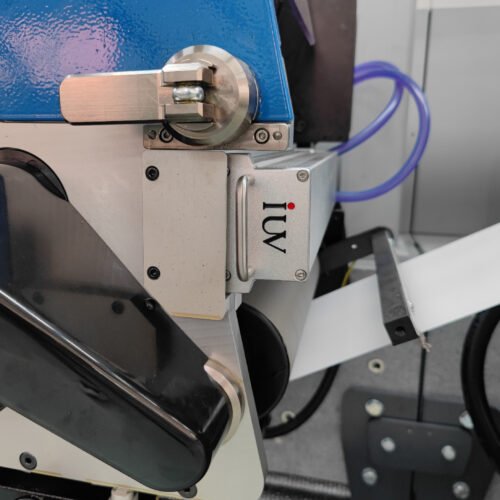
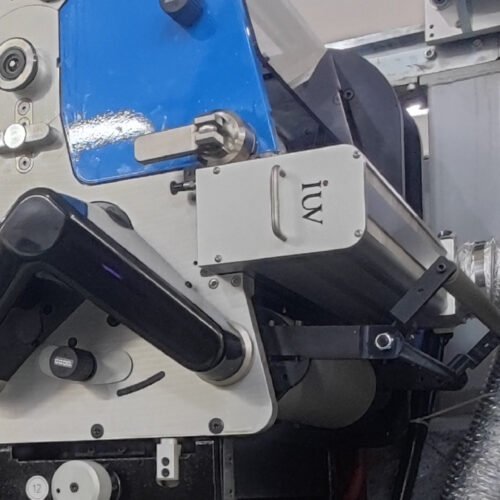
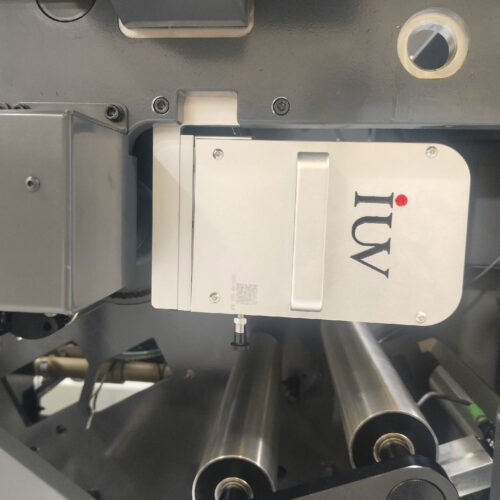
LED UV curing systems, on the other hand, operate on a fundamentally different principle. They emit light within a very narrow spectral band, specifically tuned to activate the photoinitiators in UV-curable inks and coatings. This targeted emission means that a much larger percentage of the energy consumed is converted into curing light, rather than wasted as heat. Consequently, LED UV systems generate considerably less heat. This reduction in radiant heat transfer is a game-changer for pressroom temperature management.
Substrate Temperature: A Delicate Balancing Act
In many printing applications, particularly in narrow web label printing and flexible packaging, controlling substrate temperature is paramount. Overheating can lead to a range of problems:
- Dimensional Instability: Many printing substrates, especially films and some paper stocks, can expand or contract with temperature fluctuations. This can cause registration issues, leading to misprinted labels or packaging.
- Ink Adhesion and Transfer: Excessive heat can alter the viscosity of inks and coatings, affecting their transfer from the printing plate to the substrate and potentially compromising adhesion.
- Blocking and Sticking: Warm or softened substrates can stick to rollers, impression cylinders, or even to themselves in the rewinding stage, causing production stoppages and waste.
- Shrinkage: Certain films will begin to shrink at elevated temperatures, distorting the printed image and the final product.
With traditional UV systems, the heat load on the substrate could be substantial, requiring careful management through air cooling, chill rolls, or increased distances between the lamp and the web. The lower heat output of LED UV systems naturally mitigates many of these concerns. The substrate experiences less thermal stress, leading to improved dimensional stability and a reduced risk of adhesion or blocking issues related to heat. This is particularly beneficial in high-speed printing environments where heat can build up rapidly.
Ink and Coating Performance Under LED UV
The thermal characteristics of inks and coatings are also influenced by the curing process. While LED UV inks are specifically formulated to cure efficiently under LED light, the temperature of the ink itself and the substrate can still play a role.
- Ink Viscosity: As mentioned, ink viscosity is temperature-dependent. Lower substrate and ink temperatures, a direct benefit of LED UV, can help maintain consistent ink viscosity, leading to more predictable ink laydown and transfer.
- Curing Speed: While LED UV light is the primary driver of curing, a slightly warmer substrate can sometimes facilitate faster curing, especially for certain ink chemistries. However, the goal with LED UV is to rely on the light’s efficiency rather than bulk heat. The lower heat from LEDs prevents the ink from becoming excessively hot, which could lead to premature skinning or uneven curing.
For the pressroom operator, this means that the challenges associated with inks “cooking” or becoming overly fluid due to radiant heat are significantly reduced. This allows for more predictable print runs and less need for constant ink viscosity adjustments driven by thermal changes.
Pressroom Ambient Temperature: A Secondary Effect with Primary Importance
While the direct heat output from LED UV systems is lower, their overall impact on pressroom ambient temperature is still a consideration, albeit a different one.
- Reduced Overall Heat Load: The most obvious benefit is the significant reduction in the total heat load introduced into the pressroom. Traditional UV systems are often large, power-hungry machines that contribute a considerable amount of waste heat. Replacing these with cooler-running LED UV systems can lead to a more comfortable working environment and reduced reliance on expensive air conditioning systems.
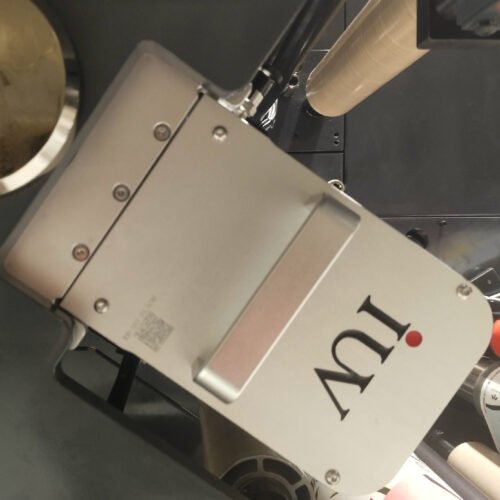
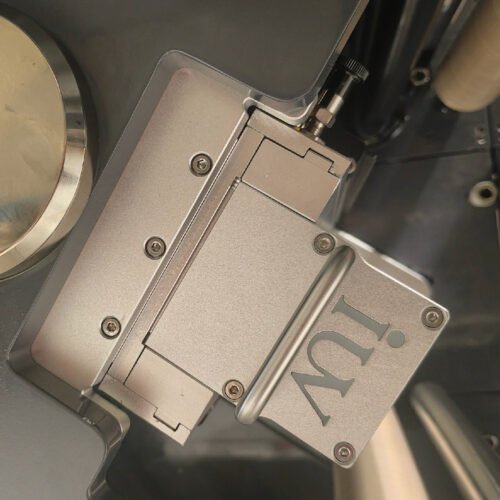
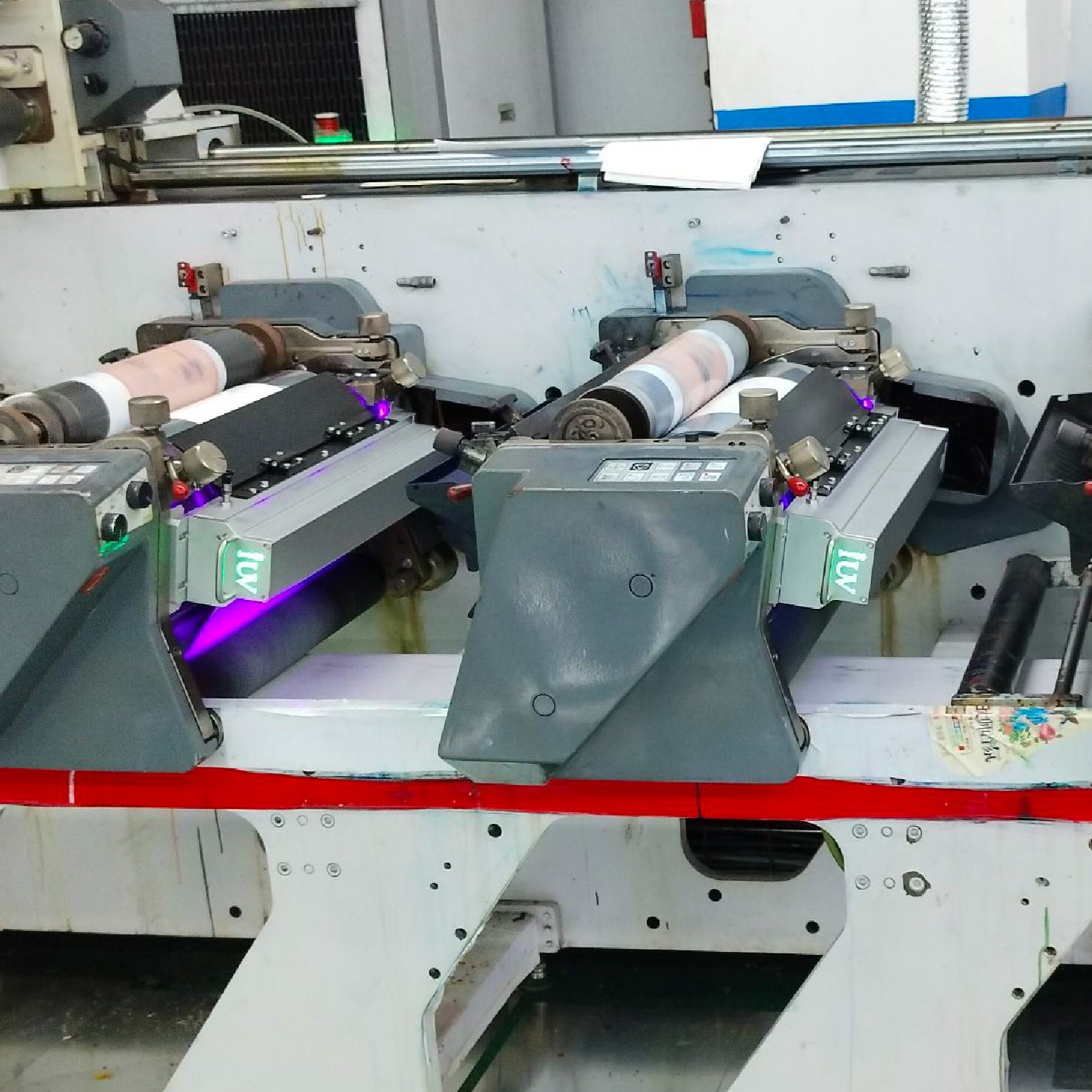
- Concentrated Heat Sources: Although the total heat is less, the heat generated by LED UV units is still present. This heat is typically concentrated around the curing stations. Proper airflow and ventilation around these units are still necessary to dissipate this localized heat and prevent it from affecting sensitive press components or the working environment immediately adjacent to the curing zone.
- Impact on Other Pressroom Equipment: In a pressroom equipped with multiple printing units and auxiliary equipment, managing the overall thermal balance is key. The reduced heat load from LED UV systems can make it easier to maintain optimal operating temperatures for other components like ink pumps, chillers, and control cabinets, which may have their own thermal sensitivities.
Optimizing Ventilation and Cooling for LED UV Environments
The shift to LED UV curing doesn’t eliminate the need for robust ventilation and cooling, but it does allow for a more refined approach.
- Targeted Airflow: Instead of trying to combat a massive radiant heat load, the focus can shift to ensuring adequate airflow around the LED UV units to dissipate their localized heat. This might involve directed exhaust vents or fans specifically positioned at the curing stations.
- Reduced Cooling Capacity Requirements: In many cases, the overall cooling capacity required for the pressroom can be reduced. This translates into energy savings and potentially lower capital expenditure on HVAC systems.
- Monitoring is Key: Despite the lower heat output, continuous monitoring of substrate and ambient temperatures remains essential. Temperature sensors strategically placed near the curing stations and along the web path can provide real-time data, allowing operators to make informed adjustments and ensure optimal printing conditions.
Specific Applications: Labels, Flexo, and Offset
The impact of LED UV curing on temperature management is particularly relevant in specific printing sectors:
- Narrow Web Label Printing: This sector heavily relies on tight registration and the ability to print on a wide range of sensitive substrates. The reduced thermal stress from LED UV curing is a significant advantage, enabling higher speeds and better quality without the risk of substrate distortion or adhesion problems.
- Flexographic Printing: In flexo, particularly for packaging and labels, precise ink transfer and substrate integrity are critical. LED UV’s lower heat output contributes to consistent ink properties and prevents premature drying or curing on the anilox rolls or plates, leading to cleaner prints.
- Offset Printing (Sheet-fed and Web): While offset printing traditionally deals with higher ink film weights, LED UV curing is making inroads. The ability to cure instantly without significant heat adds layers of complexity to the drying process. Managing residual heat from the printing units and integrating LED UV units effectively requires careful planning of air knife and exhaust systems, now with a focus on dissipating less overall heat but still managing localized thermal zones.
Conclusion: A Cooler, Smarter Approach to Pressroom Thermals
LED UV curing systems represent a leap forward in printing technology, offering substantial benefits in terms of efficiency, quality, and sustainability. Their lower heat output fundamentally alters the thermal dynamics within the pressroom. While the challenges of temperature management are not entirely eliminated, they are transformed. By understanding the unique thermal profile of LED UV curing, printers can optimize their ventilation strategies, reduce energy consumption, and maintain the precise environmental conditions necessary for producing high-quality printed products. The future of pressroom temperature management is not about fighting overwhelming heat, but about intelligently managing the localized thermal zones created by highly efficient LED UV curing technology.