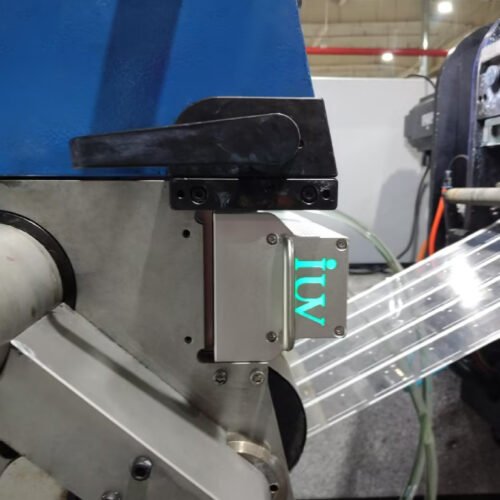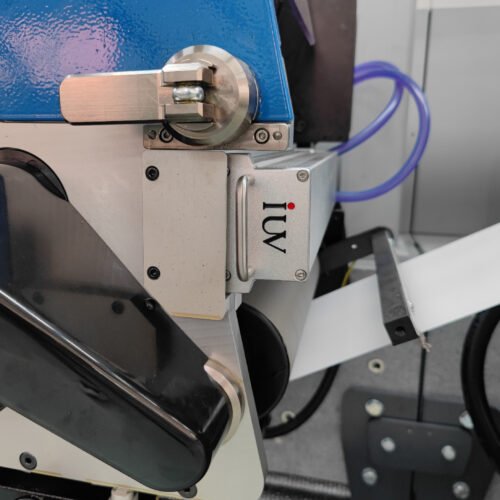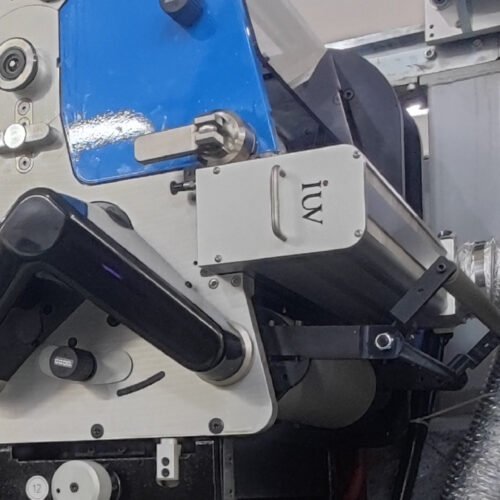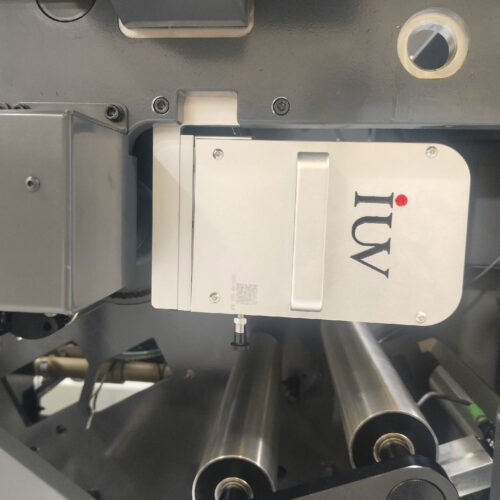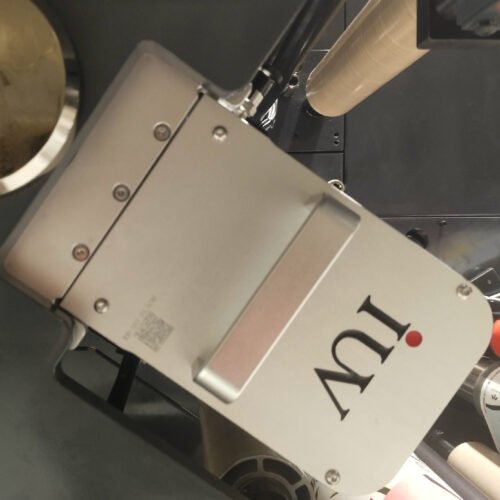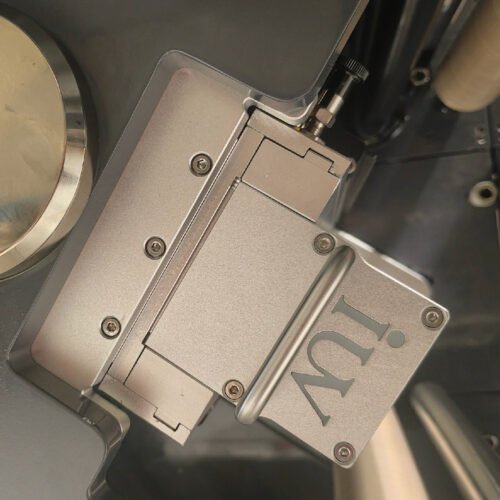

Switching to LED UV curing systems offers significant economic advantages for businesses in the printing industry. This advanced technology, when applied to various printing processes like label, flexographic, and offset printing, particularly in narrow web applications, presents a compelling case for investment. The benefits extend beyond mere operational efficiency, impacting the bottom line through cost savings, increased productivity, and enhanced product quality.
Enhanced Energy Efficiency and Cost Savings
One of the most immediate and substantial economic advantages of adopting LED UV curing is the dramatic reduction in energy consumption. Traditional UV curing systems, often employing mercury vapor lamps, are notoriously power-hungry. They generate a significant amount of heat, requiring substantial ventilation and cooling systems, which further increases energy expenditure. LED UV systems, on the other hand, are remarkably energy-efficient. They convert a much higher percentage of electrical energy directly into UV light, with minimal heat generation.
This efficiency translates directly into lower electricity bills. For narrow web printers, where multiple curing stations might be in operation, the cumulative energy savings can be substantial over time. Furthermore, the reduced heat output from LED UV lamps means less demand on HVAC systems, leading to additional savings in operational costs. The longer lifespan of LED lamps compared to traditional mercury lamps also contributes to cost reduction by minimizing replacement frequency and associated labor costs.
Increased Production Speed and Throughput
LED UV curing technology enables faster curing speeds. The focused and consistent UV output of LED lamps allows inks and coatings to cure almost instantaneously. This rapid curing process eliminates bottlenecks in the printing workflow. In label and narrow web printing, where turnaround times are often critical, the ability to print at higher speeds without compromising quality is a significant competitive advantage.
Flexographic and offset printers can also benefit from this accelerated curing. It allows for faster job changeovers and reduced work-in-progress inventory. The reduced dwell time between printing and finishing operations means that printed materials can move through the production line more quickly, leading to increased overall throughput and the capacity to handle more orders within the same timeframe. This enhanced productivity directly contributes to higher revenue potential.
Superior Ink and Coating Performance
LED UV curing technology often leads to improved ink and coating performance. The specific wavelengths emitted by LED lamps can be tailored to optimize the curing process for a wide range of UV-curable inks and coatings. This precise control ensures thorough and complete curing, resulting in enhanced adhesion, scratch resistance, and chemical resistance. For label printing, where durability and performance in various environments are paramount, these improvements are highly valuable.
In flexographic and offset printing, the consistent and uniform UV output from LED systems minimizes the risk of under-curing or over-curing. This leads to more vibrant colors, sharper print definition, and a more consistent print quality across the entire production run. The ability to achieve superior print results can command higher prices for finished goods and reduce waste due to print defects.
Environmental and Safety Benefits
While not always directly quantified as an “economic” advantage, the environmental and safety benefits of LED UV curing also carry indirect economic implications. Traditional mercury vapor lamps contain hazardous materials, posing disposal challenges and environmental concerns. LED UV systems are mercury-free, making them a more environmentally responsible choice. This can help businesses comply with stricter environmental regulations and improve their corporate social responsibility profile, which can be attractive to clients.
The reduced heat output also creates a safer working environment for operators, as it minimizes the risk of burns and reduces the overall ambient temperature in the printing area. A safer workplace can lead to fewer accidents and associated costs, such as worker’s compensation claims and lost productivity.
Reduced Waste and Rework
The precision and consistency offered by LED UV curing systems lead to a significant reduction in waste and rework. With faster and more reliable curing, the likelihood of printing errors, smudging, or incomplete curing is greatly diminished. This means less wasted ink, substrate, and time spent on reprints. For narrow web printers dealing with small runs and tight margins, minimizing waste is crucial for profitability.
In flexographic and offset printing, where larger print runs are common, even a small percentage of waste can represent a substantial financial loss. The consistent quality achieved with LED UV curing helps to ensure that each printed piece meets the required standards, reducing the need for costly rework or disposal of defective products.
Lower Maintenance and Downtime
LED UV lamps have a significantly longer operational lifespan than traditional mercury vapor lamps. While the initial investment in an LED UV system may be higher, the extended lifespan means fewer lamp replacements over the lifetime of the equipment. This reduces both the cost of replacement parts and the labor associated with maintenance.
Furthermore, the reliability of LED technology leads to less unscheduled downtime. Unplanned equipment failures can be extremely costly in a production environment, leading to lost orders, delayed deliveries, and frustrated customers. By minimizing the risk of lamp failure, LED UV curing systems contribute to a more stable and predictable production schedule, thereby enhancing overall operational efficiency and economic output.
Versatility and Application in Narrow Web Printing
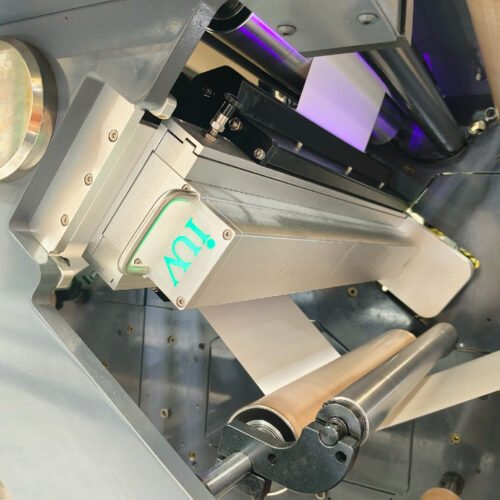
The compact size and flexibility of LED UV curing systems make them particularly well-suited for narrow web printing applications. They can be easily integrated into existing flexographic and offset presses without requiring extensive modifications. The ability to position LED arrays precisely over the print stations ensures optimal UV exposure for a wide range of substrates, including heat-sensitive materials.
In label printing, the demand for shorter runs, faster turnaround times, and a wider variety of finishes is constantly growing. LED UV curing addresses these demands by enabling faster printing speeds, quick changeovers, and the effective use of specialized inks and coatings for enhanced visual appeal and functionality. The economic advantages of improved efficiency, reduced waste, and superior print quality are therefore amplified in this demanding sector.
In conclusion, the transition to LED UV curing systems presents a compelling economic proposition for businesses engaged in label, flexographic, and offset printing, especially within the narrow web segment. The combination of reduced energy consumption, increased production speed, superior print quality, and a more environmentally sound operation translates into tangible cost savings, enhanced profitability, and a stronger competitive position in the market.