
Understanding LED UV Curing for Print
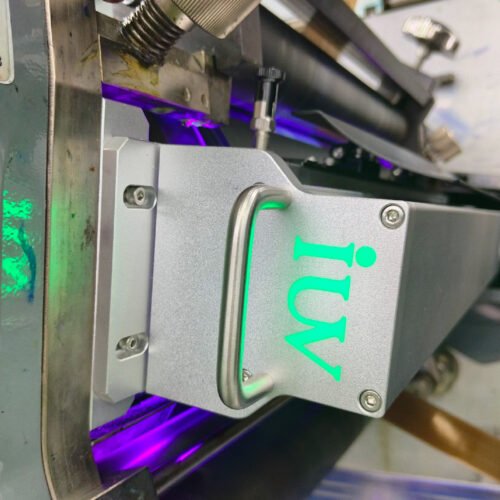
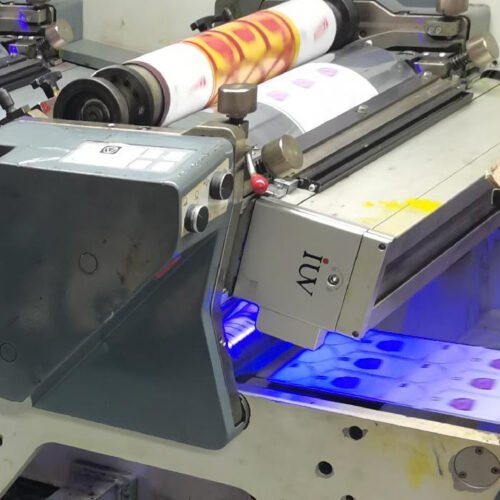
LED UV curing has revolutionized the printing industry. It offers faster drying times and improved print quality. This technology uses ultraviolet (UV) light. This light initiates a photochemical reaction. The ink or coating then cures almost instantly. This process is vital for high-speed printing. It ensures vibrant colors and durable finishes. Efficient heat management is a cornerstone of this technology. It directly impacts system performance and longevity.
Why Heat Management Matters in LED Curing
LEDs generate heat as a byproduct of their operation. This heat must be dissipated effectively. Poor heat management can lead to several issues. LEDs can overheat, reducing their lifespan. Overheating can also cause inconsistent curing. This results in subpar print quality. Furthermore, excessive heat can damage the printing substrate. It can even affect the printing press itself. Therefore, understanding the physics of heat transfer is crucial. It allows for the design of robust and efficient curing systems.
The Fundamentals of Heat Transfer
Heat transfer occurs through three primary mechanisms: conduction, convection, and radiation.
- Conduction: This is the transfer of heat through direct contact. In an LED curing system, heat moves from the LED chip through its packaging. It then transfers to the heat sink. Materials with high thermal conductivity facilitate this process. Metals like aluminum and copper are excellent conductors.
- Convection: This involves heat transfer through the movement of fluids. This can be air or a liquid coolant. In air-cooled systems, heated air rises and is replaced by cooler air. Forced convection, using fans, significantly enhances this process. Liquid cooling systems use pumps to circulate coolant. This removes heat more efficiently than air.
- Radiation: Heat can also be transferred through electromagnetic waves. LEDs themselves emit radiation. However, in heat management, we are concerned with radiating away unwanted heat. The emissivity of surfaces plays a role here. Darker, rougher surfaces radiate heat more effectively.
Heat Generation in LED Arrays
LEDs convert electrical energy into light energy. A portion of this electrical energy is lost as heat. This is known as the “forward voltage drop.” The efficiency of the LED impacts the amount of heat generated. Higher efficiency LEDs produce less waste heat. In a typical LED curing system, multiple LEDs are arranged in an array. This creates concentrated heat sources. The density of LEDs directly influences the thermal challenge.
Heat Sink Design Principles
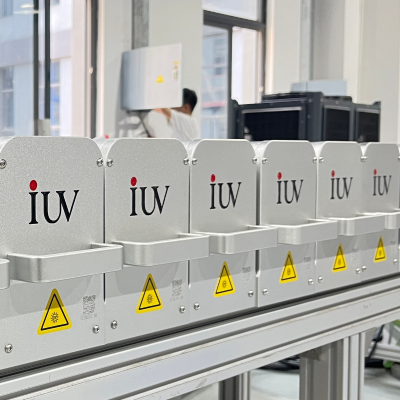
A heat sink is a passive heat exchanger. Its primary function is to dissipate heat from an electronic device. For LED curing systems, heat sinks are critical. They absorb heat from the LEDs through conduction. Then, they transfer this heat to the surrounding environment, usually air, via convection and radiation.
Key design considerations for heat sinks include:
- Material: Aluminum alloys are commonly used. They offer a good balance of thermal conductivity, weight, and cost. Copper has superior thermal conductivity but is heavier and more expensive.
- Surface Area: A larger surface area allows for more efficient heat dissipation. This is achieved through fins, pins, or other extended surface designs. The shape and spacing of these features are optimized to maximize airflow.
- Thermal Interface Material (TIM): A TIM, such as thermal paste or pads, is used between the LED module and the heat sink. This fills microscopic air gaps. Air is a poor thermal conductor. TIM ensures efficient heat transfer by maximizing contact.
Convective Cooling Strategies
Convection is a dominant mode of heat removal in most LED curing systems.
- Natural Convection: This relies on the natural buoyancy of heated air. As air near the LEDs heats up, it becomes less dense and rises. Cooler air then moves in to take its place. This is generally less effective for high-power systems.
- Forced Convection: This uses fans to actively move air across the heat sink. Fans create a consistent airflow. This significantly increases the rate of heat transfer. The fan’s airflow rate and the heat sink’s fin design are optimized together. This ensures maximum cooling performance.
- Liquid Cooling: For very high-power or densely packed LED arrays, liquid cooling is often employed. A circulating fluid (water or a specialized coolant) absorbs heat from cold plates attached to the LEDs. This heated fluid is then pumped to a radiator. The radiator dissipates the heat to the atmosphere, often with the help of a fan. Liquid cooling offers superior thermal performance. It allows for more compact system designs.
Radiation Considerations
While conduction and convection are primary, radiation also contributes to heat dissipation. The surface finish of the heat sink and its surroundings influences radiative heat transfer. Dark, matte surfaces have higher emissivity. They radiate heat more effectively than bright, polished surfaces. However, in typical forced-air-cooled systems, convection is the dominant factor.
Impact on Printing Processes
Efficient heat management in LED curing systems directly benefits various printing methods.
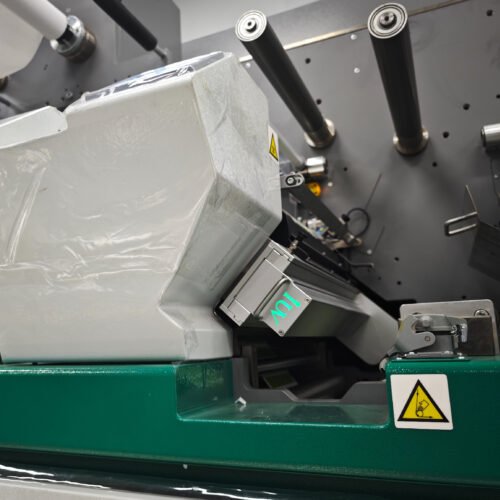
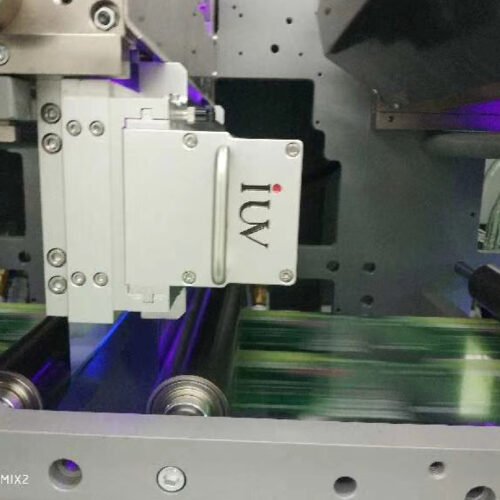
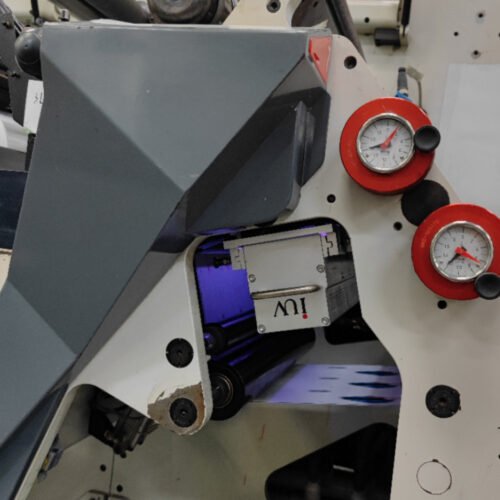
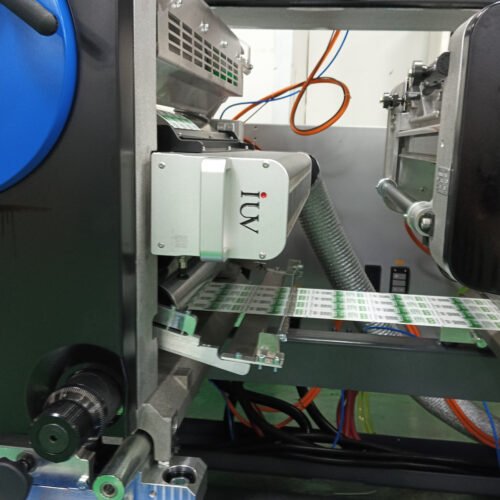
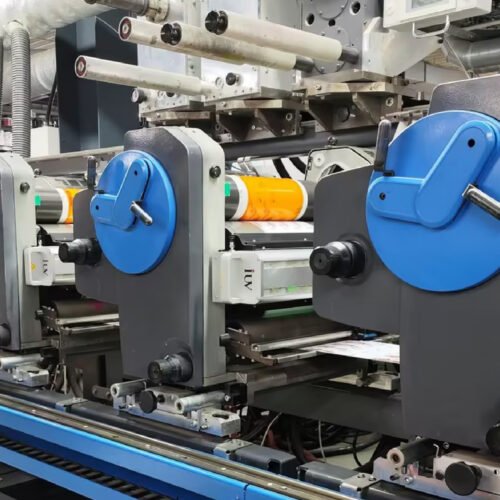
- Narrow Web Printing: In narrow web presses, especially for labels and packaging, space is often limited. Compact and efficient LED curing systems are essential. Effective heat management allows for high-intensity UV output. This ensures fast curing on heat-sensitive substrates like thin films.
- Flexographic Printing: Flexo printing demands rapid curing for high production speeds. Overheating can lead to ink “skinning.” This means the surface cures too quickly, trapping uncured ink beneath. Proper thermal control prevents this. It ensures thorough and consistent curing across the entire ink layer.
- Offset Printing (Sheetfed and Web): While less common for full UV curing, spot UV coatings are frequently applied using offset technology. Efficient LED UV lamps ensure precise application. They prevent heat-induced distortion of the paper or board. This maintains excellent print registration.
- Digital Printing: Many digital presses now incorporate LED UV curing for instant drying. This is critical for multi-pass printing and complex finishes. Thermal stability ensures consistent UV output. This translates to uniform color density and gloss levels on every print.
Optimizing for Efficiency and Longevity
A well-designed LED curing system balances several factors. These include LED performance, heat dissipation capability, and energy consumption. By applying the principles of thermal physics, engineers can create systems that:
- Maximize LED Lifespan: By keeping LEDs within their optimal temperature range.
- Ensure Consistent Curing: By maintaining stable UV output.
- Minimize Energy Usage: By using efficient cooling methods.
- Reduce Maintenance: By preventing premature component failure.
The physics of heat management is not just about preventing overheating. It is about optimizing the entire LED curing process. This leads to higher quality prints, faster production, and greater reliability for the printing operation. Understanding these principles is key to leveraging the full potential of LED UV curing technology.