In the highly competitive world of flexographic printing, delivering high-quality, fast-drying, and eco-friendly prints has become a top priority. The integration of LED UV curing systems offers a revolutionary approach to streamline production and enhance print quality across various formats, including label, flexo, plate, and narrow-web printing. This guide provides a detailed process to help flexographic printers adopt LED curing technology effectively, ensuring smooth operation and optimal results.
Understanding LED UV Curing Technology in Flexo Printing
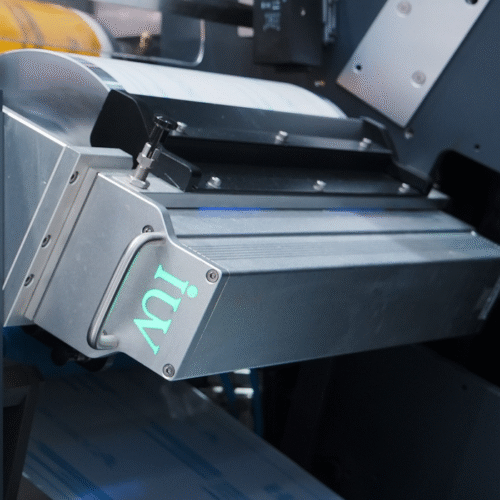
LED UV curing involves the application of ultraviolet light emitted by LED diodes to instantly dry or cure UV inks, varnishes, and adhesives. Compared to traditional mercury vapor UV systems, LED UV offers advantages such as lower power consumption, longer lifespan, and the absence of hazardous mercury. These benefits make LED curing systems ideal for applications requiring fast turnaround, sharp detail, and environmentally conscious workflow.
In flexographic printing, LED curing enhances the curing process for various types of inks including solvent, water-based, and UV-curable inks. The technology is especially important in label printing, where precise, high-quality output with rapid drying times can significantly boost productivity and reduce waste.
Key Benefits of Implementing LED Curing in Flexo Operations
- Instant Curing and Improved Throughput: LED UV enables immediate ink curing, reducing coating and drying times and making it possible to accelerate production speeds.
- Eco-Friendly and Energy Efficient: No mercury, less heat generation, and lower power consumption contribute to a greener manufacturing process while lowering operating costs.
- Enhanced Print Quality: Precise curing ensures sharper images, dense colors, and better adhesion, critical in label and narrow-web printing.
- Compatibility with Various Substrates: From paper and PE to film and foil, LED UV systems work well with diverse materials used in flexible packaging and labels.
Step 1: Assess Your Current Flexographic Printing Setup
Before integrating an LED curing system, evaluate your existing workflow, press setup, and substrate compatibility. Understanding your typical print formats—be it narrow-web, wide-format, or special plate printing—is essential. Consider the types of inks used and their curing requirements. A thorough assessment ensures selecting the most suitable LED UV system with the correct wavelength, power, and beam profile for your needs.
Step 2: Choosing the Right LED UV Curing System
Selecting the ideal LED curing solution depends on several factors:
- Wavelength Compatibility: Different inks and substrates respond best to specific UV wavelengths. Most LED systems operate at 385 nm or 395 nm, which suit UV inks commonly used in flexo printing.
- Power Density: Higher power density leads to faster curing; evaluate your production speed and ink thickness to determine the needed wattage.
- Modular Design: Opt for systems with scalable modules to adapt to varied press sizes and future expansion plans.
- Cool Cure Technology: Modern LED systems with efficient thermal management prevent substrate warping and protect sensitive materials like labels and thin films.
Step 3: Preparing Your Press and Workflow for Integration
Proper preparation ensures a smooth transition. This involves:
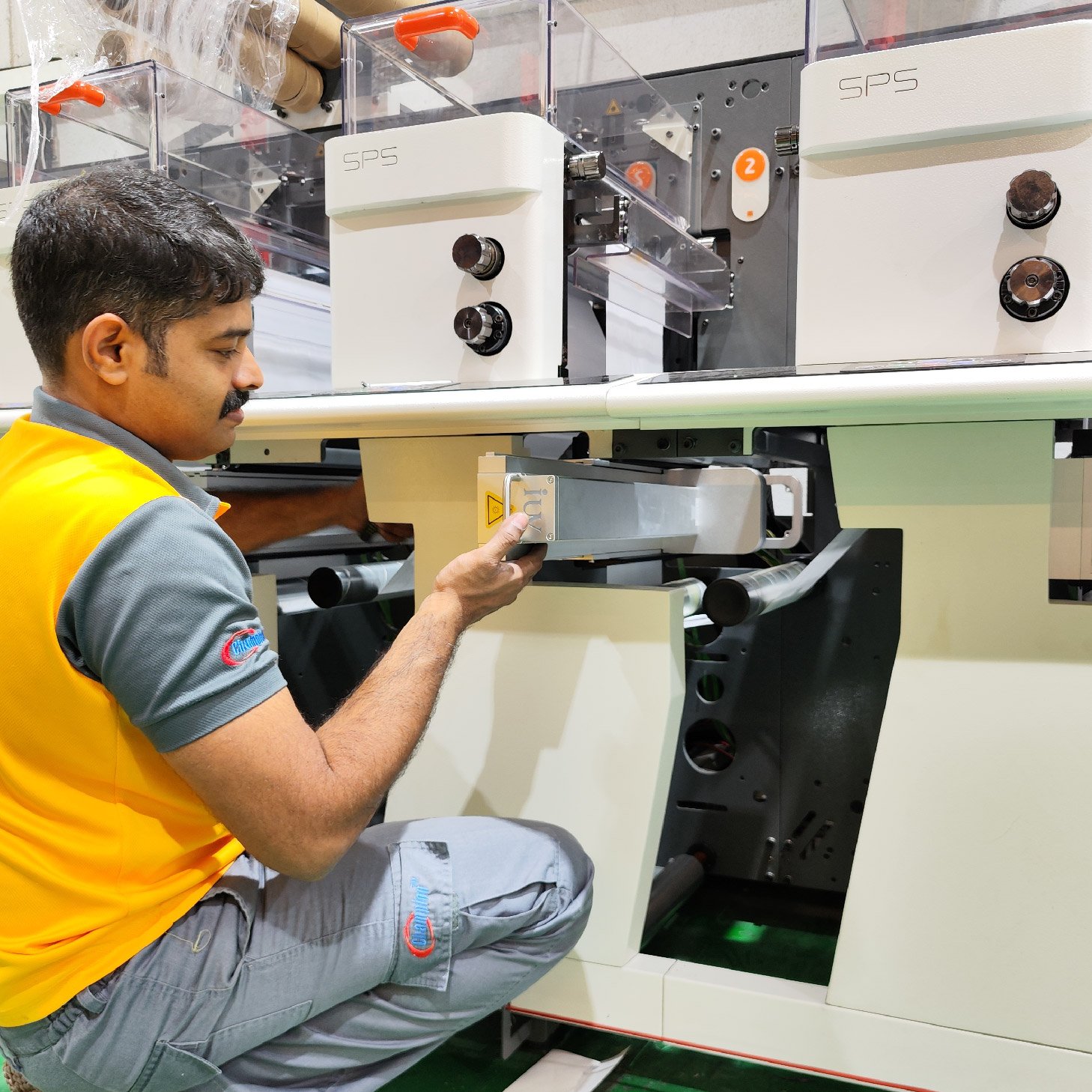
- Retrofit Compatibility: Confirm that your press can accommodate the LED curing head or consider necessary modifications.
- Electrical and Ventilation Setup: Ensure power supply and ventilation match the LED system’s specifications for safe operation.
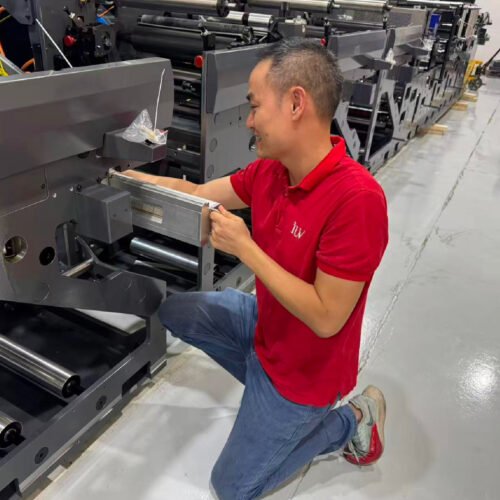
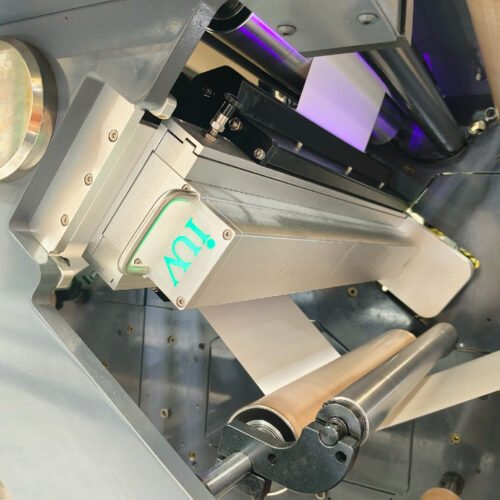
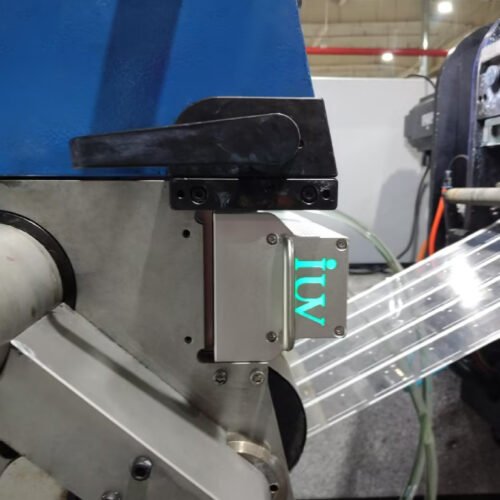
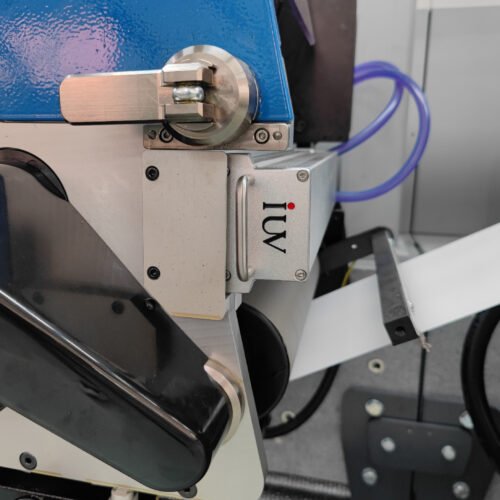
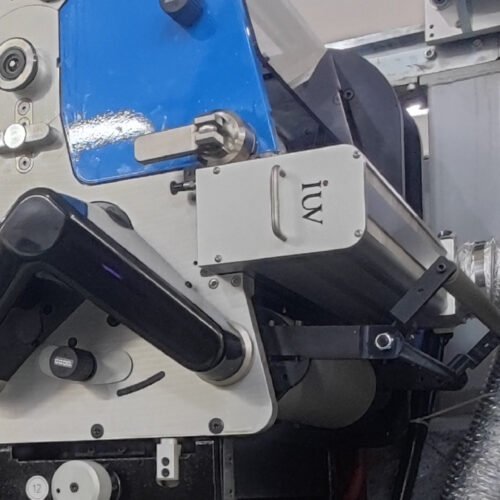
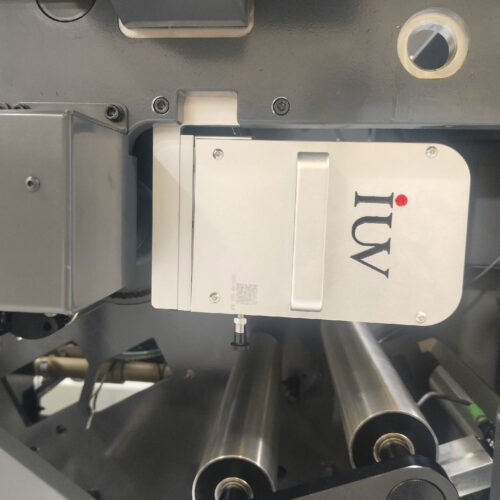
- Alignment and Mounting: Position the LED lamp accurately over the print zone, maintaining consistent distance and angle. Proper alignment guarantees uniform curing and sharp image reproduction.
- Software and Control Interface Integration: Many LED systems come with user-friendly interfaces and integration options for existing press control systems, simplifying operation.
Step 4: Calibration and Testing
Once installed, calibration is vital to achieve optimal curing results:
- Intensity Adjustment: Fine-tune the UV intensity to match ink and substrate requirements.
- Speed Testing: Run tests at various press speeds to identify the ideal balance between curing efficiency and print quality.
- Color and Adhesion Checks: Examine cured samples for color density, adhesion strength, and surface smoothness to confirm proper settings.
- Edge and Detail Clarity: Ensure that fine details, especially in narrow-web and label printing, are sharp and well-defined.
Step 5: Training and Process Optimization
Educate your team on the precise operation of the LED UV system. Proper handling minimizes issues such as over-curing or insufficient curing, which can lead to smudging or ink adhesion problems. Continuous monitoring and adjustments improve overall print quality and process efficiency.
Best Practices for LED UV Integration in Flexo Printing
- Maintain Consistent Distance: Keep LED lamps uniformly spaced from the substrate surface to avoid uneven curing.
- Monitor Ink Compatibility: Use UV inks designed for LED curing to ensure fast drying and adhesion.
- Substrate Awareness: Recognize that some materials, like certain plastics or foils, respond differently to UV exposure; tailor settings accordingly.
- Regular Maintenance: Clean the LED lamps regularly to prevent dust or debris from affecting light emission and curing uniformity.
- Safety Measures: Implement appropriate shielding and safety protocols to protect operators from UV exposure.
Enhancing Label and Narrow-Web Flexo Printing with LED Curing
Label and narrow-web printing demand meticulous detail and vibrant color reproduction. LED UV curing systems help achieve this by providing instant drying that preserves fine graphics, prevents smudging, and improves overall product finish.
In these applications, the benefits are often amplified:
- Reduced Waste: Faster curing reduces ink blockages and rejects.
- Enhanced Flexibility: Ability to switch quickly between jobs with different substrates and ink types.
- Sustainable Operations: Less energy consumption aligns with eco-conscious manufacturing goals.
Leveraging LED Curing for Specialty Printing Applications
Beyond standard labels, LED UV technology opens doors to specialty printing, including textured finishes, high-gloss effects, and detailed embossing. Precise control over curing allows for creative effects that elevate packaging and branding.
Future Trends and Innovations in LED UV Curing
The industry continues to evolve with innovations like higher-intensity LED arrays, intelligent control systems, and hybrid UV systems that combine LED and traditional lamps for versatile applications. Integration with digital workflow platforms fosters more flexible, responsive production environments.
Final Thoughts
Transitioning to LED UV curing in flexo printing is more than a technological upgrade—it’s a strategic move toward greater efficiency, quality, and sustainability. Thoughtful planning, careful selection of equipment, and ongoing process optimization will help you maximize these benefits across all your print formats, including label, flexo, plate, and narrow-web printing.