Maximizing Print Quality: Preventing Ink Tack Issues with Optimized LED Curing Control
In the world of modern printing, especially within labels, flexography, and narrow-web applications, achieving impeccable print quality is paramount. One of the recurring challenges faced by printers is ink tack buildup, which can compromise adhesion, durability, and overall appearance. Leveraging advanced LED UV curing technology, combined with an optimized curing process, offers a powerful solution to this problem.
Understanding Ink Tack and Its Impact
Ink tack refers to the viscosity or stickiness of the ink, especially during or after the curing process. Excessive tack can lead to issues such as blocking, inconsistent ink laydown, scuffing, and reduced process stability. In flexo and label printing, where high-speed and precise color reproduction are crucial, controlling tack is vital for consistent results.
Why LED UV Curing Is Ideal for Tack Control
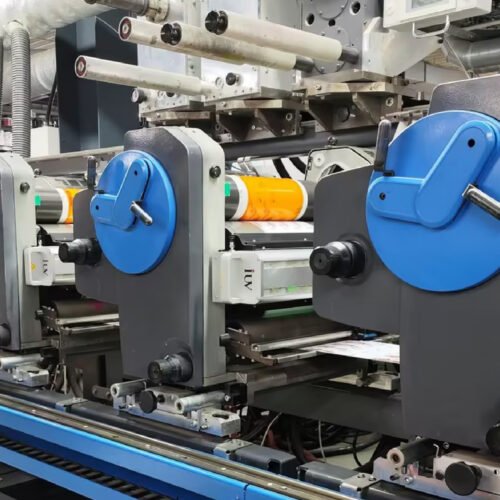
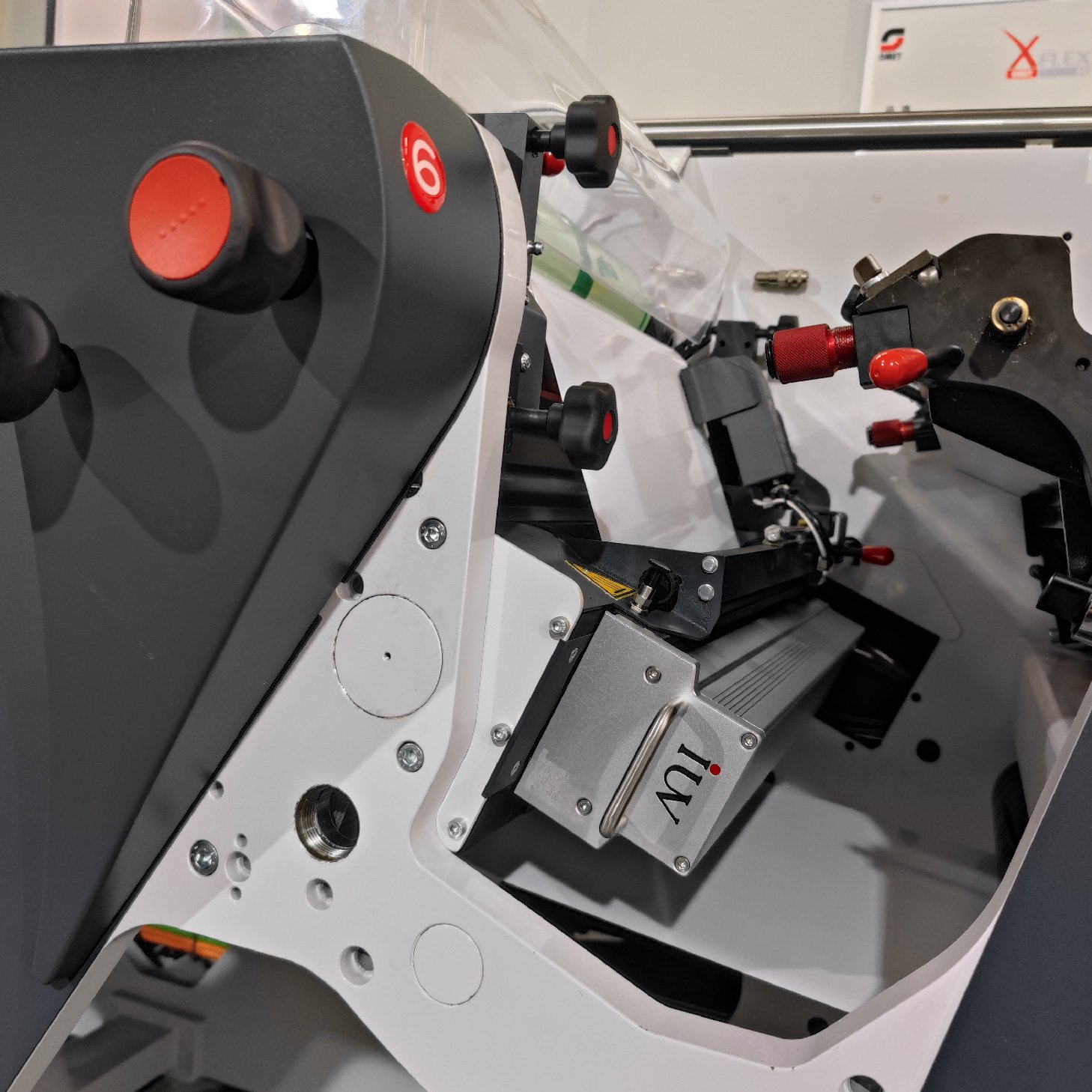
LED UV curing provides several advantages over traditional mercury vapor lamps. Its instant start-up, energy efficiency, and ability to finely control curing parameters make it particularly suitable for sensitive substrates and precise applications like label and narrow-web printing. Additionally, LED curing minimizes heat generation, reducing substrate distortion and enabling faster job changeovers.
Optimizing LED Curing Parameters to Prevent Tack Issues
- Adjusting Power Density
Maintaining the right intensity in your LED curing system is fundamental. Insufficient power may cause incomplete curing, leaving residual tack, while excessive energy can over-cure the ink, making it brittle or causing cracking. Set the LED system to deliver the optimal energy dosage, tailored to the ink formulation, substrate, and press speed.
- Controlling Cure Speed
Balancing curing speed with ink chemistry ensures proper solvent evaporation and polymerization without overexposing the ink. Slower curing allows for better penetration and complete curing, reducing tack. Use programmable curing profiles to adapt to different substrates and inks.
- Fine-Tuning Light Distribution
Uniform UV exposure across the printed web guarantees consistent curing. Multiple LED banks with adjustable angles and distances can help achieve uniformity, especially in narrow-web presses. Proper alignment minimizes zones of under-cure or over-cure, both of which can lead to tack issues.
- Monitoring and Feedback Systems
Implement real-time sensors that monitor UV intensity, temperature, and ink tack levels. These feedback systems allow for automated adjustments, ensuring consistent curing during runs. By actively managing curing parameters, machines can compensate for variations in ink viscosity and substrate properties.
- Pre-Testing and Continuous Optimization
Conduct test runs to determine the optimum curing parameters for each ink and substrate combination. Record the optimal settings and regularly re-evaluate, especially when switching ink formulations or substrates. This proactive approach prevents tack buildup before it occurs.
Selection of Ink and Substrate Compatibility
Choosing inks designed for UV LED curing is critical. These inks often have lower initial tack and faster curing times. Additionally, substrates should have good UV transparency and compatibility with LED curing to facilitate proper curing depth and durability.
Importance of Proper Substrate Preparation
Clean, dry, and suitably coated substrates promote better ink adhesion, reducing tack problems. Surface treatments or primer applications can enhance ink bonding and curing efficiency, especially on challenging materials.
Addressing Common Problems in Label, Flexo, and Narrow-Web Printing
Adhesion failures, blocking, and scuffing frequently stem from improper curing or ink formulation issues. Using an optimized LED curing strategy ensures the right level of tack adjustment, promoting better adhesion and handling. High-quality curing controls help maintain color vibrancy and print sharpness, essential for product branding and compliance.
Future Trends in UV LED Curing for Printing
As UV LED curing technology advances, features like customizable curing profiles, smarter sensors, and improved ink formulations will further enhance control over tack and overall print quality. These innovations will enable printers to achieve higher speeds, better consistency, and more sustainable operations.
Conclusion
Controlling ink tack through carefully optimized LED UV curing control is vital for high-quality, reliable printing in labels, flexography, and narrow-web processes. By fine-tuning power density, curing speed, light distribution, and integrating smart monitoring systems, printers can prevent tack issues effectively. Pairing this with compatible inks and prepared substrates ensures the best outcomes, making LED UV curing an indispensable tool for modern print production.