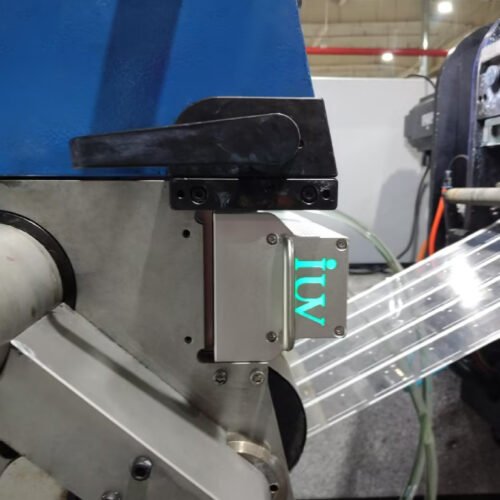
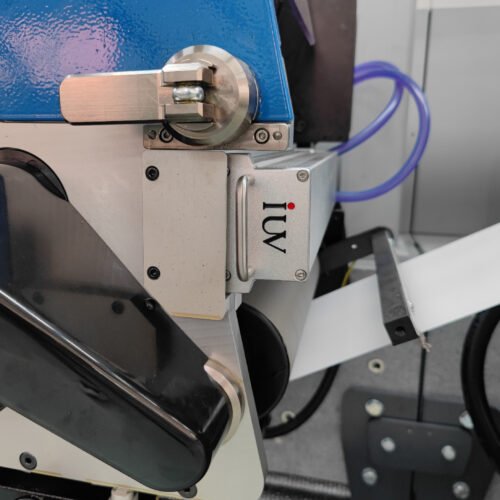
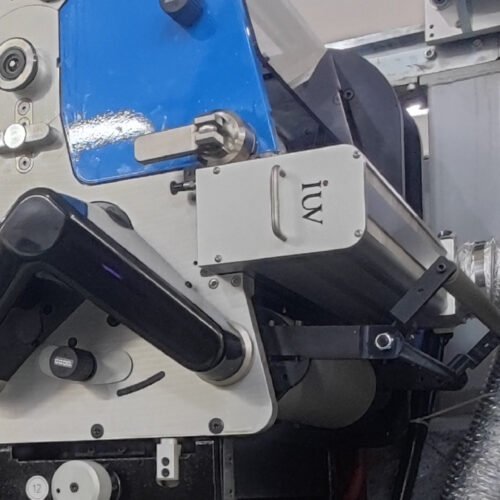
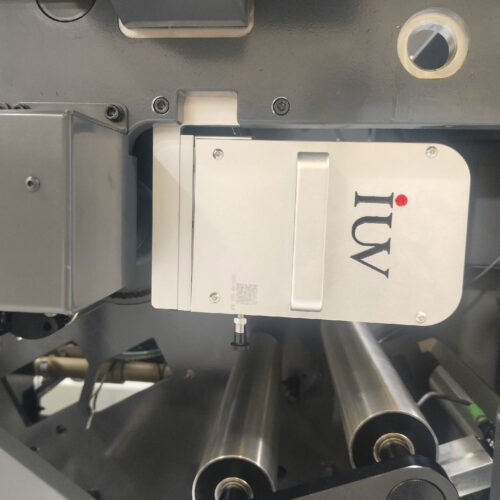
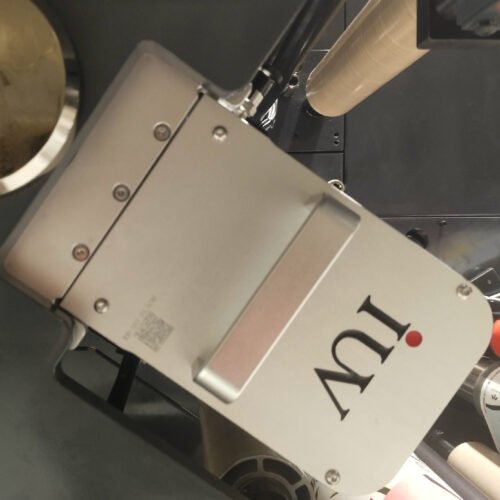
When it comes to printing, achieving vibrant colors and durable finishes often hinges on the curing process. This is where UV curing technology plays a vital role. It uses ultraviolet light to instantly dry inks, coatings, and adhesives. This rapid drying is a game-changer for many printing operations, especially in narrow web, label, flexographic, and offset printing. However, not all UV curing systems are created equal. Understanding the differences between conventional mercury lamp systems and newer LED UV technology is key to making the right choice for your business.
Conventional UV curing systems typically rely on mercury vapor lamps. These lamps have been the industry standard for decades. They emit a broad spectrum of UV light. This broad spectrum is effective at curing a wide range of inks and coatings. The high intensity of mercury lamps means they can cure materials very quickly. This speed is a significant advantage, allowing for faster production runs and increased throughput. For label printers and narrow web converters, this efficiency can translate directly into profitability. Similarly, flexographic printing, often used for packaging and labels, benefits from the swift curing provided by these lamps.
However, conventional systems come with their own set of challenges. Mercury lamps generate a lot of heat. This heat can be detrimental to sensitive substrates, like thin films or certain plastics used in label printing. Managing this heat often requires additional cooling systems, adding to the equipment’s complexity and energy consumption. The lamps also have a finite lifespan and need regular replacement. This not only incurs ongoing costs but also leads to downtime for maintenance and lamp changes. Furthermore, mercury itself is an environmental concern, requiring careful handling and disposal.
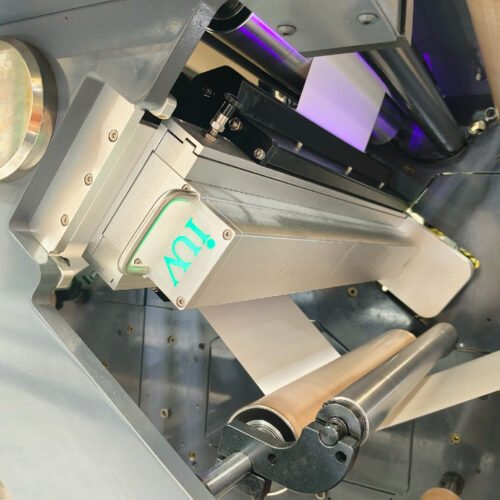
Enter LED UV curing technology. This innovative approach uses light-emitting diodes (LEDs) to produce UV light. Unlike mercury lamps, LEDs emit a very specific wavelength of UV light. This means they are optimized to cure particular types of UV inks and coatings. This specificity can be an advantage, ensuring a more consistent and controlled cure. One of the most significant benefits of LED UV is its significantly lower heat output. This makes it ideal for heat-sensitive substrates, opening up new possibilities for label printers and those working with delicate materials.
The energy efficiency of LED UV systems is another major draw. LEDs consume considerably less power than conventional mercury lamps. This reduction in energy usage can lead to substantial cost savings over time, a welcome prospect for any printing business. LEDs also boast a much longer operational lifespan, often lasting tens of thousands of hours. This dramatically reduces the frequency of replacements and minimizes downtime, boosting overall productivity. For narrow web and flexographic printers, reduced maintenance and consistent performance are crucial for meeting demanding production schedules.
The environmental aspect is also a strong point for LED UV. These systems are mercury-free, making them a safer and more eco-friendly option. Their lower energy consumption further contributes to a reduced carbon footprint. In offset printing, where speed and quality are paramount, LED UV can offer a cleaner and more efficient curing solution, especially for spot UV applications where precise control is needed. The instant on/off capability of LEDs also means they only consume energy when actively curing, further enhancing their efficiency.
When comparing the two, the decision often comes down to specific application needs and priorities. For businesses that handle a wide variety of substrates, including heat-sensitive ones, and are looking for long-term operational savings and environmental benefits, LED UV technology presents a compelling case. The precise wavelength control can also lead to improved cure depth and adhesion, crucial for high-quality label printing and demanding packaging applications.
Conventional UV systems, while older, still have their place. If your operation exclusively uses inks and coatings optimized for broad-spectrum UV, and substrate temperature is not a primary concern, a conventional system might still be a cost-effective initial investment. However, the trend in the industry is clearly moving towards LED UV. The advancements in LED technology, coupled with its inherent advantages in energy efficiency, longevity, and environmental impact, make it an increasingly attractive upgrade for flexographic, narrow web, offset, and label printers alike.
The integration of LED UV curing systems into printing workflows represents a significant leap forward. It allows printers to achieve faster production speeds, enhance print quality, and reduce operational costs. For label printers, the ability to cure on a wider range of materials without risk of damage is invaluable. Flexographic printers benefit from consistent curing, leading to better ink laydown and durability. Narrow web converters can push production limits with the reliability of LED technology. And in offset printing, the precision and efficiency of LED UV are transforming how finishing effects are applied. Ultimately, adopting the right UV curing technology is a strategic decision that can shape the future success of any printing business.