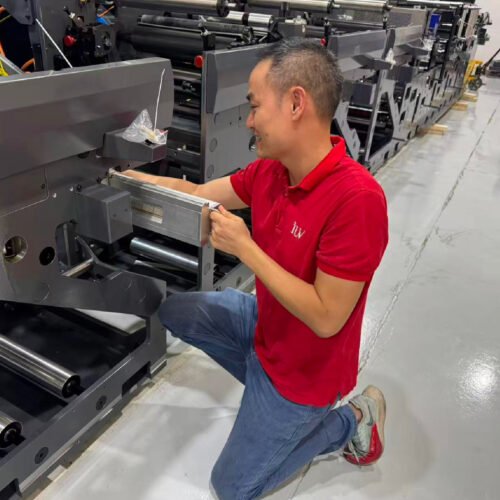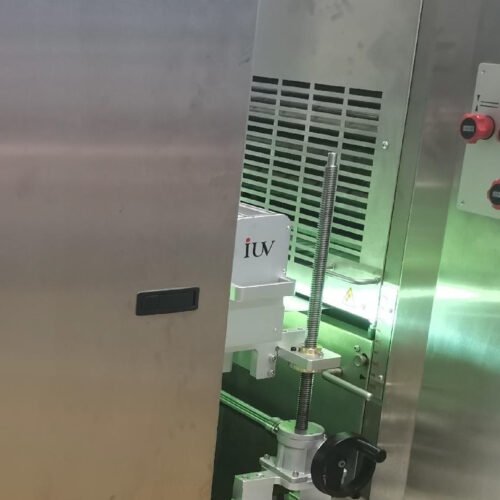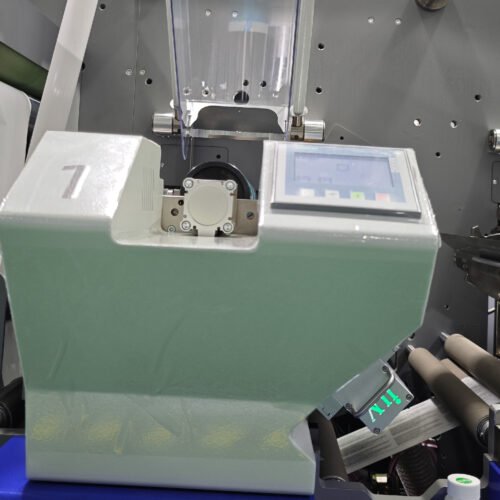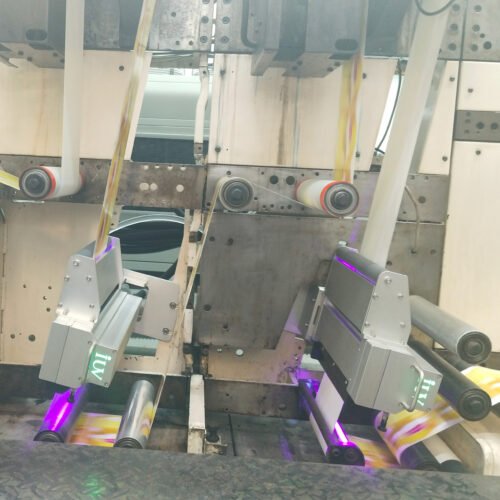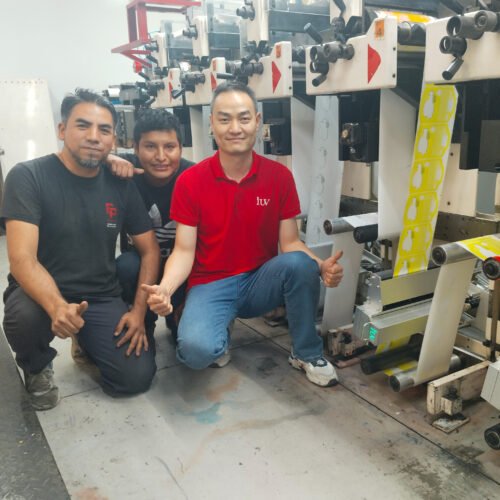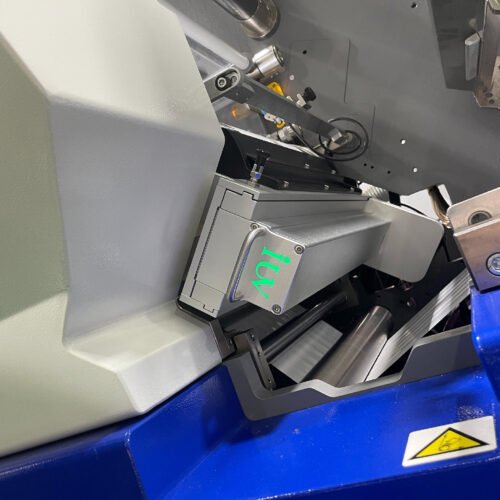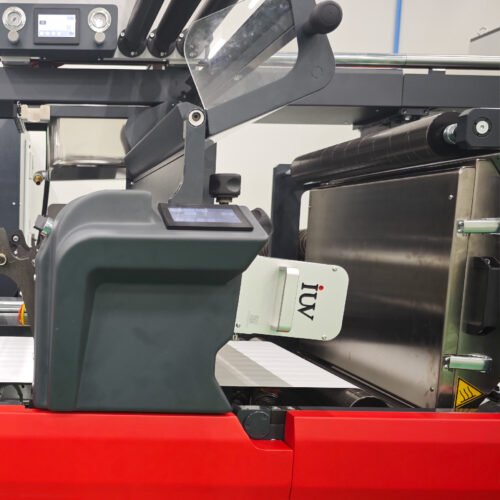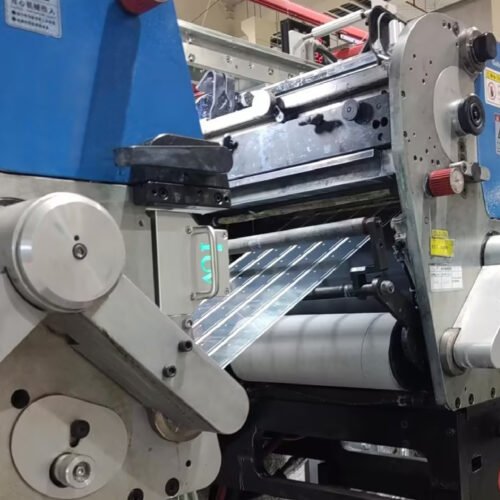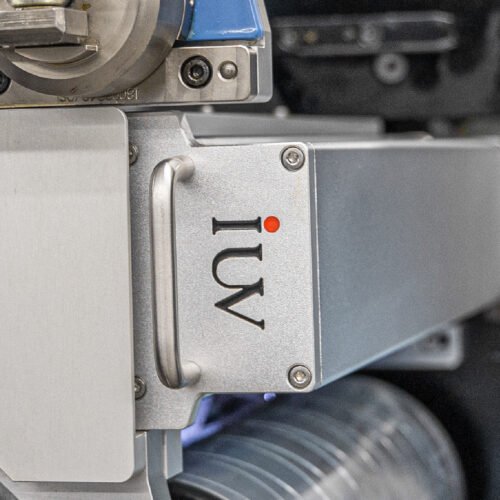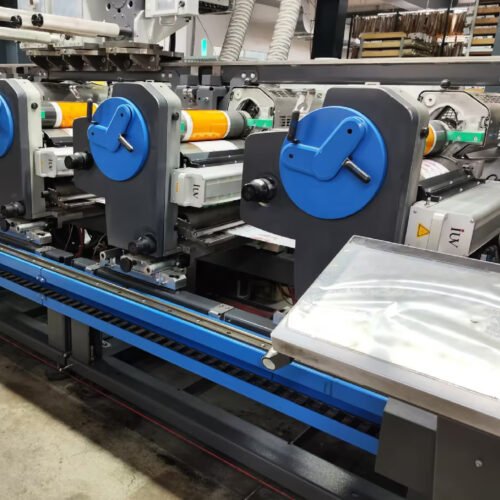
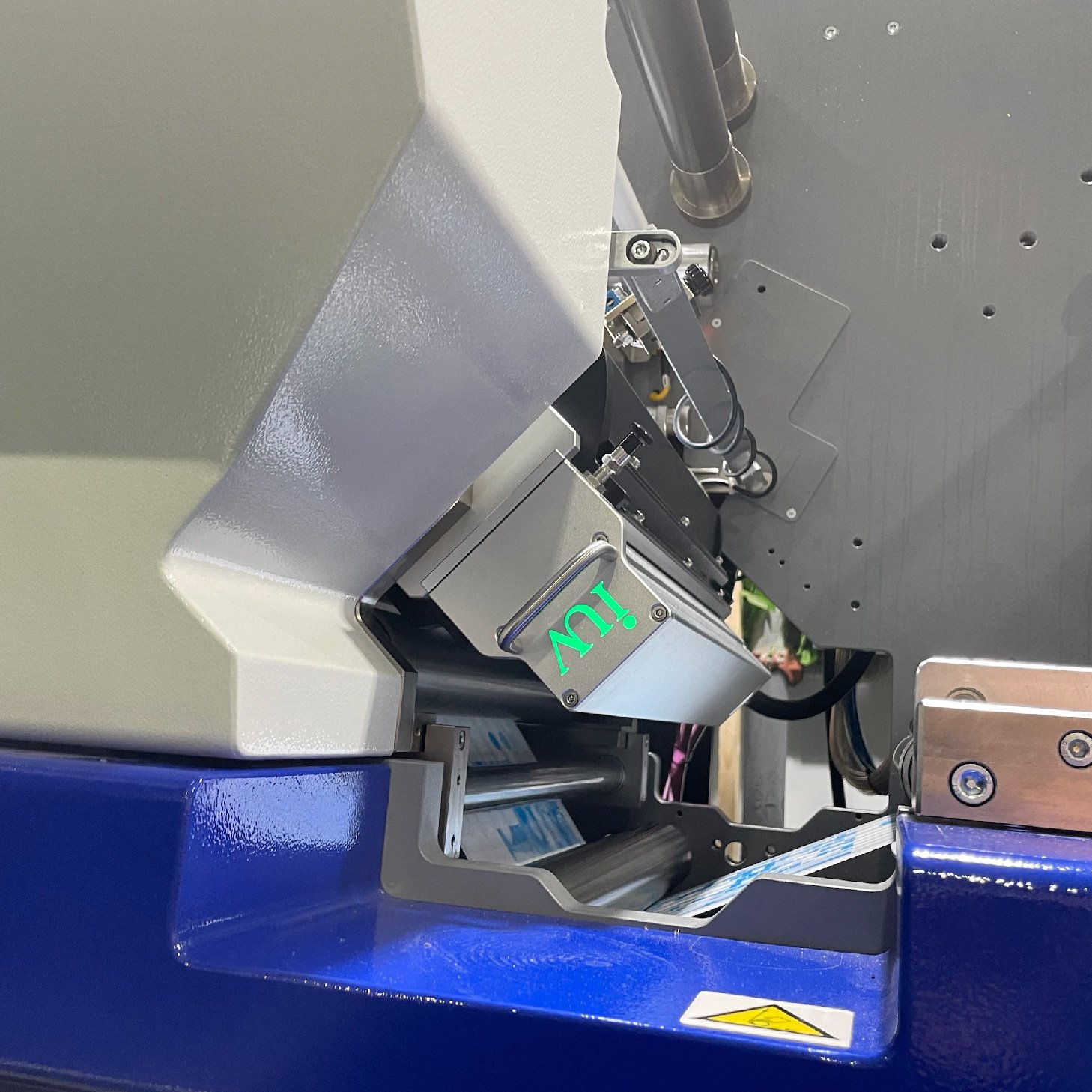
Retrofitting legacy narrow web presses with modern UV curing systems represents a critical advancement for converters seeking higher efficiency and improved print quality. Narrow web operations demand precision, especially in label production where substrates range from coated papers to synthetic films. Traditional mercury UV lamps have long provided curing capability, but newer high-efficiency LED systems offer significant advantages in energy consumption, heat management, and curing consistency. Retrofitting presses, including those from OMET, allows manufacturers to leverage these benefits while maintaining existing mechanical investments.
Legacy presses often face limitations in curing uniformity and throughput. Older mercury-based systems produce high heat and require long warm-up periods, which can distort heat-sensitive substrates and reduce print reliability. By upgrading to high-efficiency LED UV systems, operators can control irradiance levels with greater precision, enabling immediate polymerization without excessive thermal load. This capability is particularly important in multi-color flexographic and offset narrow web printing, where interstation curing and end-of-line finishing must be precisely coordinated to avoid ink smearing, dot gain, or adhesion failures.
Evaluating System Integration
Retrofitting involves more than replacing lamps; it requires careful assessment of press architecture, electrical supply, and mechanical tolerances. LED UV modules are typically more compact and modular than mercury units, allowing flexible placement within existing press frameworks. For OMET presses, retrofitting can be achieved without altering key mechanical components, preserving registration accuracy and print repeatability. Integration also includes ensuring sufficient cooling, optimizing reflector geometry, and aligning the curing wavelength with the photoinitiators in existing inks.
Proper integration of high-efficiency UV curing systems ensures uniform ink polymerization across the web. LED UV systems emit targeted wavelengths, often around 395–405nm, which match modern photoinitiator formulations. This spectral matching minimizes undercured or overcured areas, improving adhesion, gloss uniformity, and chemical resistance. For converters handling coated and uncoated substrates, controlling the energy dose per layer is essential to maintaining both visual quality and durability.
Enhancing Print Quality
The transition from mercury to LED UV allows finer control over curing intensity, which directly impacts print quality. In flexographic applications, precise polymerization preserves dot fidelity, prevents ink spreading, and supports sharp edges in complex graphics. Offset narrow web printing similarly benefits from immediate curing, ensuring that inks remain stable during successive color applications. Retrofitting with high-efficiency UV systems also enables operators to maintain consistent gloss levels and surface texture, critical for premium label applications.
Layer stability is another key benefit. In multi-layer or wet-on-wet printing, UV curing solidifies each layer before the next is applied, reducing interlayer contamination and improving adhesion. This process minimizes defects such as smearing, mottling, or uneven coverage. For synthetic substrates like PET or BOPP, which are more challenging to cure due to lower surface energy, LED UV systems provide consistent energy delivery to achieve full polymerization without substrate distortion.
Operational Efficiency and Throughput
High-efficiency UV curing systems enhance production efficiency in several ways. LED modules require minimal warm-up time, allowing faster job changeovers and immediate start-up. Their low heat output reduces the need for extensive cooling and minimizes the risk of web tension issues, which can otherwise lead to registration errors. Energy efficiency is improved, lowering operational costs and supporting sustainability initiatives. Retrofitted presses maintain throughput while improving curing reliability, which translates into fewer rejects and reduced waste.
For OMET narrow web systems, the modular nature of LED UV units allows precise control over interstation and end-of-line curing. Operators can adjust power levels according to ink coverage, substrate type, and press speed. This flexibility ensures optimal curing for a wide variety of label applications, from high-opacity spot colors to intricate fine line graphics. Consistent curing across production runs maintains repeatable results, critical for brand-critical labels and regulatory compliance.
Maintenance and Longevity
LED UV systems offer significant advantages in maintenance compared to legacy mercury lamps. They have longer operational lifetimes and produce stable output over time, reducing the frequency of replacements. Quartz optics require periodic cleaning to maintain irradiance uniformity, but overall system maintenance is simpler and safe