Heat-sensitive labels demand strict thermal control during UV printing. Substrates such as thin polypropylene films, polyethylene films, shrink sleeves, and lightweight pressure-sensitive constructions respond quickly to temperature fluctuations. In narrow web flexographic and offset presses, uncontrolled heat can lead to shrinkage, curling, adhesive bleed, or registration drift. To maintain dimensional stability while achieving complete ink cure, printers must understand how curing temperature influences polymerization degree.
UV curing is primarily driven by photochemical energy. However, temperature plays a significant secondary role. During exposure, photoinitiators absorb UV radiation and generate reactive species that start polymer crosslinking. This reaction releases heat. When combined with radiant output from mercury lamps or conductive heat from LED UV arrays, substrate temperature can rise beyond safe limits. For heat-sensitive label materials, even small increases may compromise structural integrity.
Mechanisms of Polymerization in UV Flexo and Offset Inks
UV flexographic and offset inks used in label printing are formulated with oligomers, reactive diluents, photoinitiators, pigments, and additives. Upon UV exposure, photoinitiators generate free radicals or cations, depending on chemistry. These active species initiate rapid crosslinking, transforming liquid ink into a solid polymer network within milliseconds.
The degree of polymerization refers to the extent of crosslink density achieved during curing. Higher polymerization levels improve chemical resistance, scratch resistance, and adhesion. Insufficient polymerization results in surface tack, low rub resistance, odor retention, and migration risk. Excessive thermal input, however, can disrupt controlled curing by accelerating surface reactions while limiting deep cure in thicker films or opaque inks.
In narrow web label production, ink film thickness is often higher than in commercial sheetfed work. Solid areas, white underprints, and tactile coatings require deeper penetration of UV energy. Temperature influences molecular mobility inside the ink film. Moderate heat can enhance radical diffusion and improve crosslinking. Excessive heat, especially on heat-sensitive substrates, can cause premature skinning or internal stress.
Temperature Influence in Mercury and LED UV Systems
Conventional mercury arc lamps emit broad-spectrum UV radiation along with significant infrared energy. This infrared component directly increases substrate temperature. In heat-sensitive label printing, such thermal load can create shrinkage in films and distortion in multi-layer constructions.
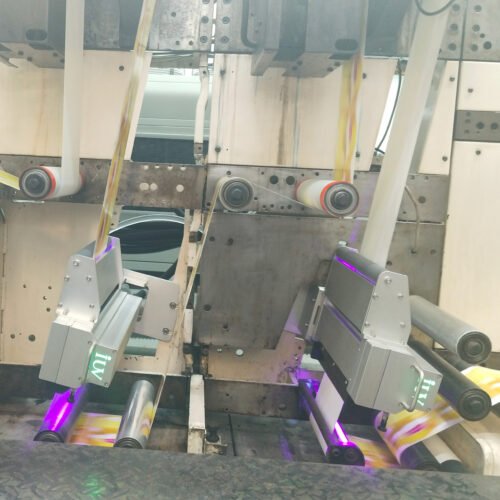
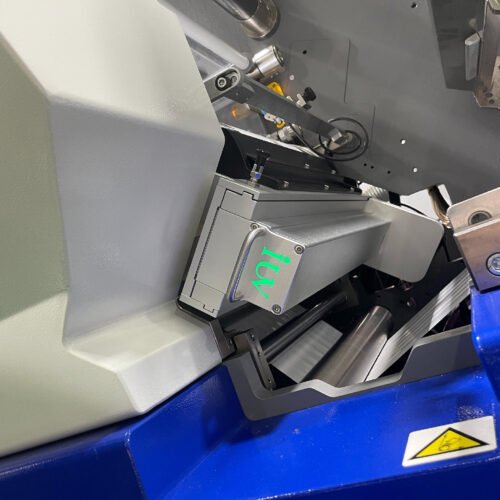
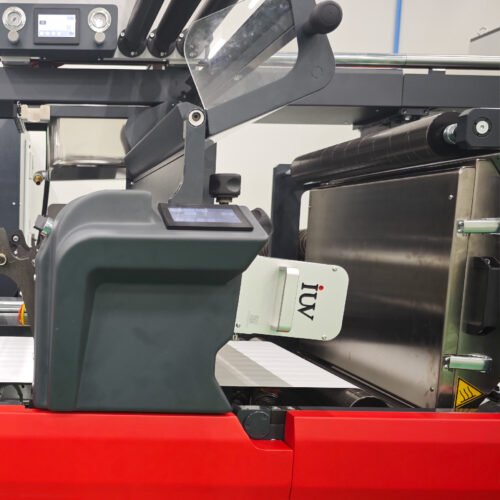
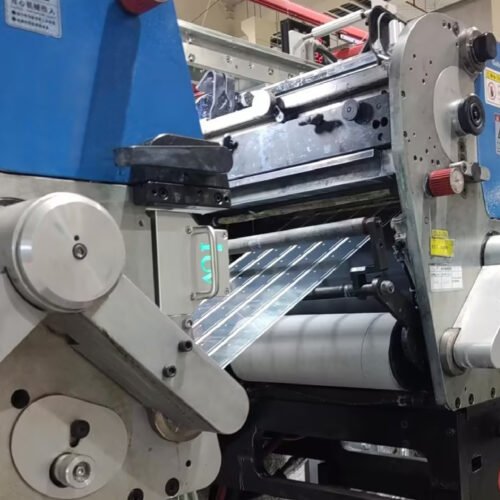
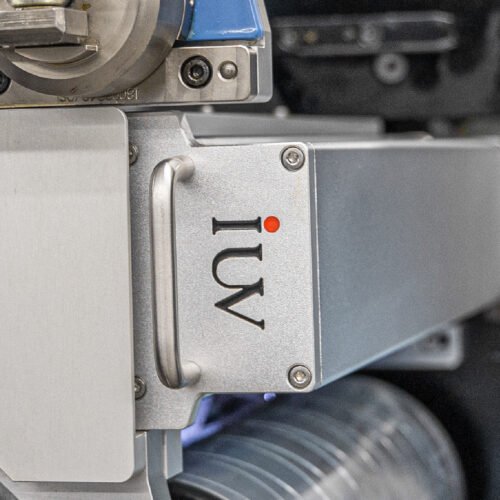
LED UV systems operate at specific wavelengths, commonly 365 nm, 385 nm, or 395 nm. They produce minimal infrared radiation, reducing overall heat exposure. However, polymerization remains exothermic. High irradiance levels, particularly in dense black or white areas, still generate localized temperature spikes. Therefore, even LED systems require thermal monitoring in narrow web applications.
The relationship between curing temperature and polymerization degree is not linear. At moderate temperatures, reaction kinetics improve, enabling more complete crosslinking. Beyond optimal levels, oxygen diffusion, surface over-curing, and substrate instability can interfere with uniform polymer formation. Heat-sensitive labels demand precise balance between irradiance, exposure time, and thermal dissipation.
Substrate Behavior Under Thermal Stress
Heat-sensitive label materials respond differently based on composition. Polypropylene films may shrink or stretch under elevated temperatures. Polyethylene films soften more rapidly. Shrink sleeve materials can prematurely contract if exposed to excessive heat. Paper-based pressure-sensitive labels may experience moisture imbalance or adhesive migration.
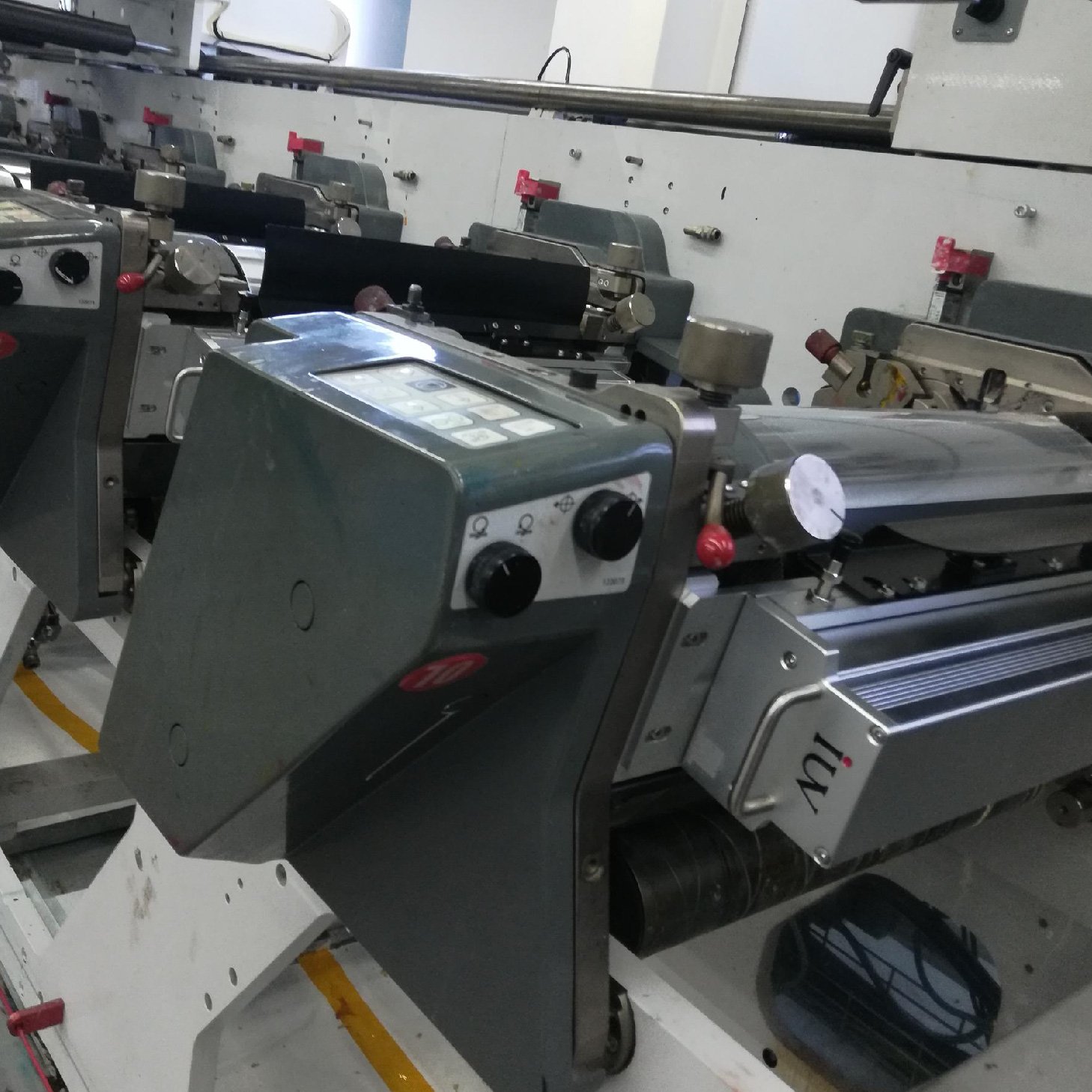
In flexographic printing, anilox friction contributes to heat buildup before curing. In offset narrow web systems, roller train shear and plate cylinder contact generate additional warmth. When UV curing begins, substrate temperature may already be elevated. If curing temperature exceeds the material’s tolerance threshold, dimensional stability declines.
Polymerization degree must be achieved without surpassing substrate deformation limits. This requires measuring web temperature before and after curing. Infrared thermal sensors installed along the press path provide continuous monitoring. For most heat-sensitive films, maintaining substrate temperatures below 50°C is advisable, though exact values depend on material specifications.
Depth of Cure and Thermal Gradient Effects
In label printing, achieving full through-cure is critical. White inks, opaque blacks, and metallic pigments can block UV penetration. Higher curing temperatures may enhance radical mobility, but excessive surface heating can create a polymerized skin that restricts deeper crosslinking.
This effect is particularly relevant in flexo label printing with high anilox volumes. Thick ink layers trap heat internally. If the surface cures too rapidly due to elevated temperature, internal monomers may remain partially reacted. The result is lower overall polymerization degree despite high surface hardness.
LED UV curing allows better control of spectral output and exposure time. By adjusting irradiance and line speed, printers can manage heat input while maintaining sufficient energy dose. Combining controlled LED output with efficient chill rolls improves heat extraction and stabilizes the curing window.
Interaction Between Ink Formulation and Temperature
Photoinitiator selection influences how temperature affects polymerization. Some photoinitiators respond more efficiently at specific wavelengths and thermal ranges. In 395 nm LED systems, optimized photoinitiator blends ensure adequate reactivity even at lower substrate temperatures.
Reactive diluents also respond to heat. Elevated temperatures reduce viscosity, improving molecular mobility and diffusion. However, excessive heat can increase evaporation of volatile components in certain formulations, affecting film properties. In offset label printing, maintaining stable ink temperature in the duct prevents uncontrolled rheological shifts before curing.
For heat-sensitive labels, ink systems should be formulated for low-temperature curing efficiency. This allows adequate polymerization at reduced thermal load. Printers should avoid compensating for incomplete cure solely by increasing lamp power, as this often increases substrate deformation without improving deep cure consistency.
Process Control in Narrow Web Label Production
Effective control begins with baseline measurement. Establish consistent press speed, ink film thickness, and curing distance. Measure substrate temperature before curing and immediately after exposure. Document the temperature rise across different coverage levels, including heavy solids and fine text areas.
Adjust LED irradiance gradually while monitoring polymerization performance through rub tests, solvent resistance checks, and crosshatch adhesion tests. If polymerization degree is insufficient, evaluate exposure time before increasing power output. Slower line speeds may provide adequate energy dose without excessive temperature peaks.
Chill rolls and cooling drums play an essential role in heat-sensitive label applications. Proper coolant flow and surface cleanliness improve heat transfer efficiency. Balanced cooling prevents web distortion while maintaining consistent curing conditions across the web width.
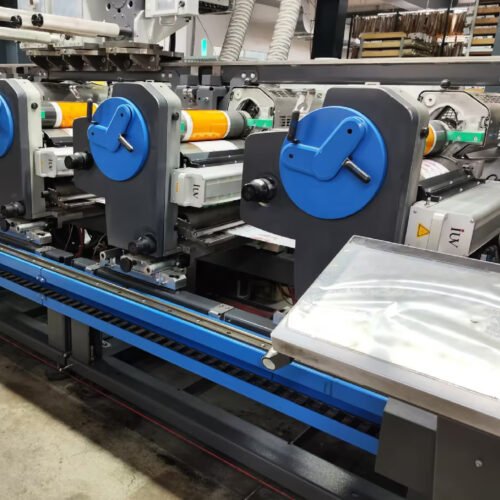
In hybrid flexo-offset presses, cumulative thermal load from multiple stations must be considered. Each curing unit contributes incremental heat. Temperature mapping across the entire press line helps prevent localized hotspots that compromise polymerization uniformity.
Quality Implications and Long-Term Performance
Polymerization degree directly affects label durability. Insufficient curing leads to ink set-off during rewinding, blocking in stacked labels, and long-term adhesion failure. Overheating, however, can weaken film integrity and alter adhesive characteristics.
In pharmaceutical, cosmetic, and food packaging labels, regulatory compliance requires consistent curing performance. Migration resistance depends on complete crosslink formation. Controlling curing temperature ensures stable molecular networks without degrading substrate performance.
In narrow web UV offset and flexographic printing, precise balance between energy input and thermal management delivers optimal results. Maintaining substrate dimensional stability while achieving high polymerization degree reduces waste and improves repeatability.
Careful integration of LED UV technology, controlled ink rheology, efficient cooling systems, and measured irradiance levels provides the most reliable outcome. Heat-sensitive labels require coordinated management of curing temperature to ensure both structural stability and full polymer development.
By understanding the interaction between thermal conditions and polymerization kinetics, printers can optimize UV curing performance in demanding label applications. Stable temperature control protects substrates while supporting high crosslink density and long-term durability.