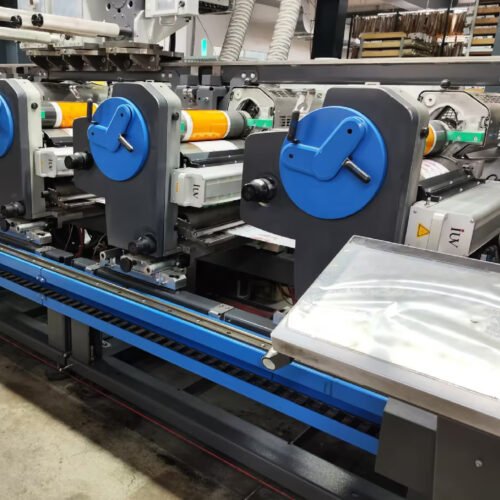
Gradient screens are widely used in premium label printing, especially for cosmetics, beverages, and pharmaceutical packaging where smooth tonal transitions define product quality. In narrow web flexographic and offset UV printing, these gradients must appear seamless across the entire web width. When UV curing banding occurs, subtle tonal steps become visible, most often in vignettes and mid-tone blends. This issue is frequently misdiagnosed as a plate, anilox, or screening problem. In reality, uneven UV irradiance, inconsistent energy dose, or thermal imbalance across the curing zone often drives the defect. Narrow web operators must therefore evaluate curing performance with the same precision applied to mechanical print settings.
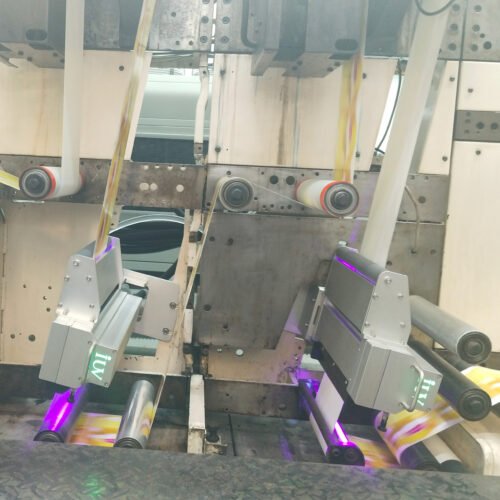
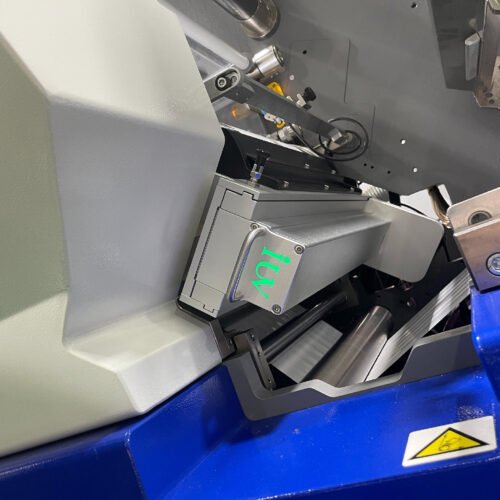
UV curing banding becomes particularly noticeable in LED UV systems because of their segmented diode configuration. Each LED module emits energy within defined zones. If output intensity differs slightly between segments, gradients can reveal those variations immediately. Even minor changes in gloss or crosslink density across the web can create visible tonal shifts. In multi-color wet-on-wet flexographic applications, the effect compounds because stacked ink layers interact with curing energy differently depending on film thickness and pigment density.
Irradiance Uniformity and Its Direct Impact on Gradients
In UV label printing, irradiance uniformity across the web width determines how consistently ink films polymerize. If one side of the curing unit delivers higher intensity, crosslink density increases in that region. In gradient screens, this translates into gloss variation or density perception changes. The human eye easily detects these differences in smooth transitions. Variations greater than five percent across the web can already affect sensitive gradient work. Radiometer measurements should be taken at multiple points across the curing width at production speed. Consistency must be verified under real operating conditions, not only at idle settings.
In mercury lamp systems, reflector contamination, misalignment, or bulb aging frequently causes lateral output differences. In LED systems, diode degradation, driver inconsistencies, or uneven cooling can create segmented intensity patterns. Thermal management is critical because diode efficiency changes with temperature. If cooling flow is uneven, localized output shifts occur. These small differences often remain invisible in solid colors but become obvious in gradients.
Ink Film Thickness and Polymerization Behavior
Gradient screens rely on varying dot sizes to simulate tonal change. In flexographic printing, anilox volume and plate surface characteristics control ink deposit. Thicker areas absorb more UV energy and generate more exothermic heat during polymerization. If irradiance distribution is inconsistent, thicker sections react differently from thinner ones, producing gloss shifts that appear as bands. In offset UV narrow web printing, fluctuations in ink-water balance can alter film thickness across the width, intensifying the problem.
Uniform ink laydown is therefore essential before adjusting curing parameters. Anilox rolls must be clean and free of wear patterns. Doctor blade pressure should be even. In offset stations, roller settings and emulsification levels must remain stable. Mechanical vibration or uneven impression pressure can combine with curing variation to exaggerate banding visibility.
Surface Leveling and Cure Kinetics
Curing banding can also result from surface leveling dynamics. UV polymerization happens rapidly. If peak irradiance is too high, the ink surface may solidify before it fully levels. In gradient areas where ink film thickness varies gradually, premature surface cure can freeze minor surface irregularities into visible bands. Reducing peak intensity while maintaining sufficient total energy dose often improves leveling uniformity. Lower irradiance combined with slightly longer exposure time allows ink to flow before crosslinking locks the structure.
Press speed plays a central role. Energy dose equals irradiance multiplied by exposure time. If speed fluctuates, curing consistency changes even when intensity appears stable. Stabilizing line speed during gradient work is essential. If deeper cure is required, modest speed reduction is often preferable to aggressive intensity increases that raise thermal stress.
Multi-Layer Wet-on-Wet Considerations
In narrow web label production, gradients frequently print over white underprints, metallic inks, or dense spot colors. Each layer influences UV penetration. Opaque white inks containing titanium dioxide scatter UV radiation, limiting transmission to lower layers. If lower layers cure unevenly, the gradient above may reveal subtle differences in gloss or adhesion. Increasing intensity alone does not always solve the issue because excessive surface cure may restrict deeper polymerization.
Photoinitiator compatibility with lamp wavelength must also be verified. LED systems operating at 395 nm require photoinitiators optimized for that spectrum. Poor spectral matching reduces cure efficiency and can produce uneven crosslinking across tonal areas. Confirming ink compatibility with the curing system eliminates one of the most common hidden causes of gradient banding.
Mechanical Alignment and Thermal Balance
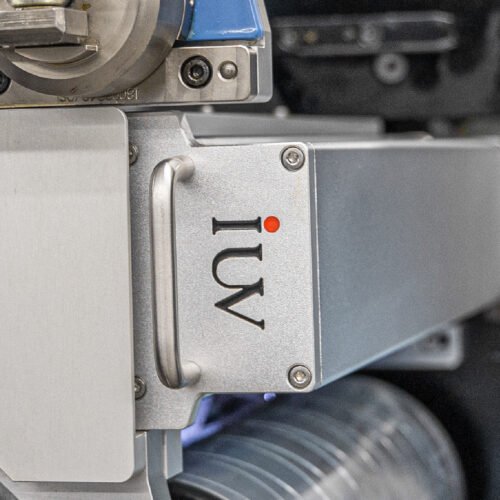
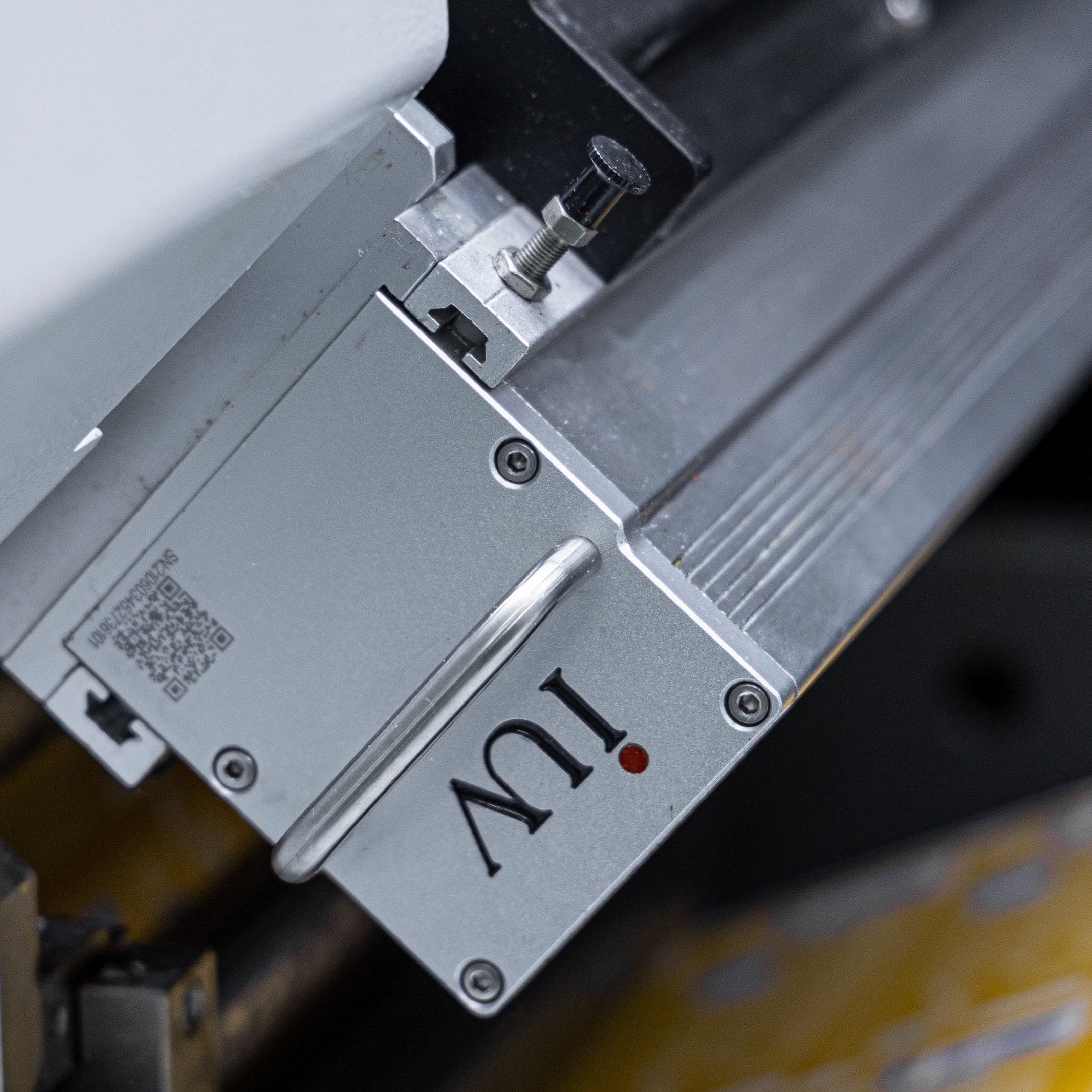
LED module alignment is another critical factor. If the curing head is slightly off-center relative to the web, irradiance distribution shifts. Narrow web presses operate with tight tolerances, so small alignment errors have visible consequences. Regular inspection of mounting brackets and positioning hardware ensures stable geometry.
Thermal gradients across the web also influence gradient smoothness. Although LED systems emit minimal infrared radiation, polymerization itself generates heat. If chill rolls or cooling drums do not extract heat evenly, substrate temperature can vary laterally. Temperature differences affect ink viscosity during cure and may create slight gloss variations in gradients. Monitoring web temperature before and after curing helps identify these imbalances.
In mercury systems, airflow management is equally important. Uneven exhaust extraction can produce temperature stripes across the web width. Reflector cleanliness directly influences light distribution. Routine cleaning and timely bulb replacement maintain consistent output.
Practical Diagnostic Workflow
Effective troubleshooting begins with isolating variables. Print a single-color gradient without stacking additional layers. If banding persists, focus on curing uniformity. Measure irradiance across the web and compare readings. Inspect cooling systems, confirm electrical stability, and clean optical surfaces. Verify that press speed remains constant during evaluation.
If mechanical and curing systems perform consistently, examine ink film uniformity. Check anilox condition, doctor blade wear, and impression settings. Evaluate ink rheology and confirm stable temperature in the ink supply system. Each adjustment should be tested incrementally, with detailed documentation of results.
Long-Term Control for Premium Label Production
Gradient precision directly influences perceived quality in high-end label markets. Preventive maintenance programs should include scheduled irradiance measurement and output trend tracking. LED modules degrade gradually, and mercury bulbs shift output as they age. Monitoring performance prevents unexpected quality variation.
Maintaining stable ink temperature and consistent web tension further supports uniform curing. Coordinated control of energy delivery, mechanical alignment, and thermal balance ensures smooth tonal transitions across the web width. When curing conditions remain stable, gradients appear seamless, gloss remains consistent, and polymerization reaches full depth without compromising substrate integrity.
By integrating accurate irradiance measurement, disciplined maintenance, and controlled energy management, narrow web operators can eliminate UV curing banding in gradient screens. The result is consistent visual performance, reliable polymerization, and premium label quality across demanding flexographic and offset UV applications.