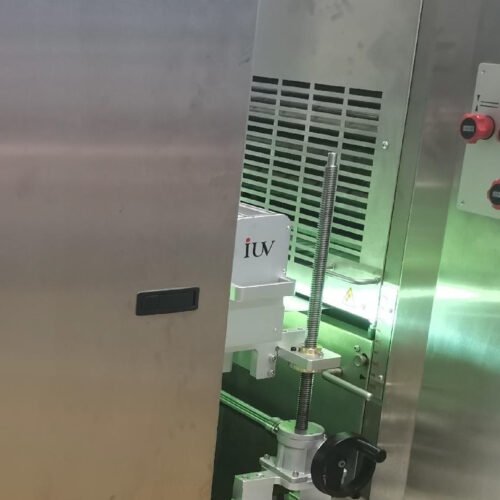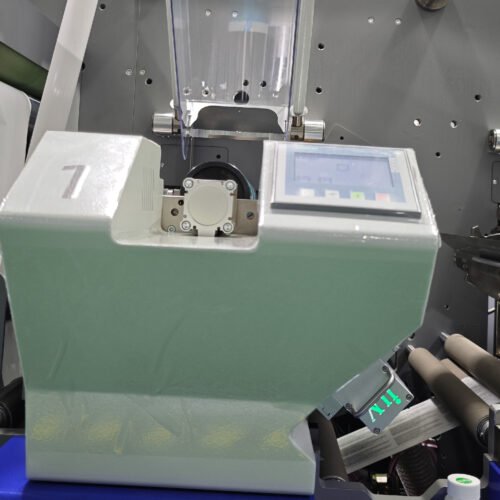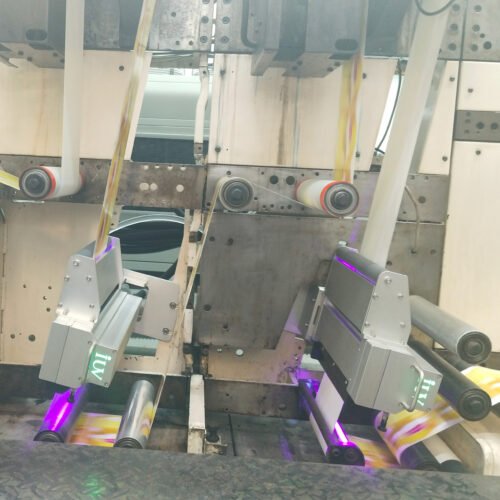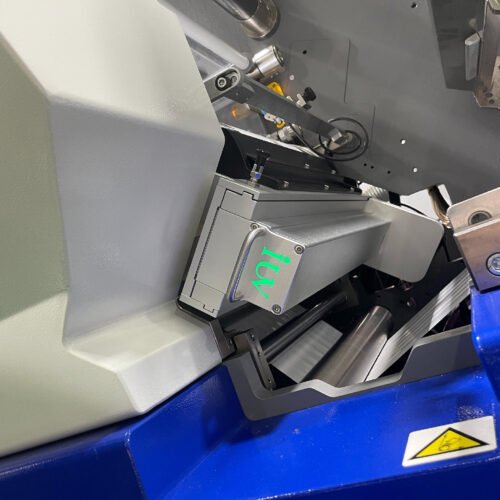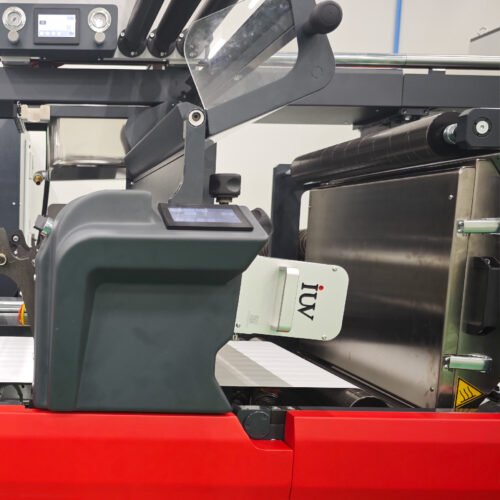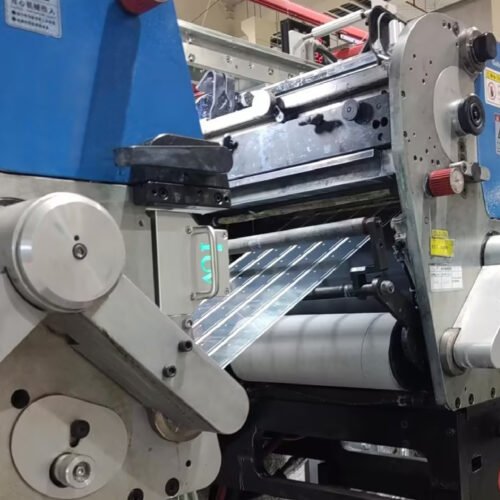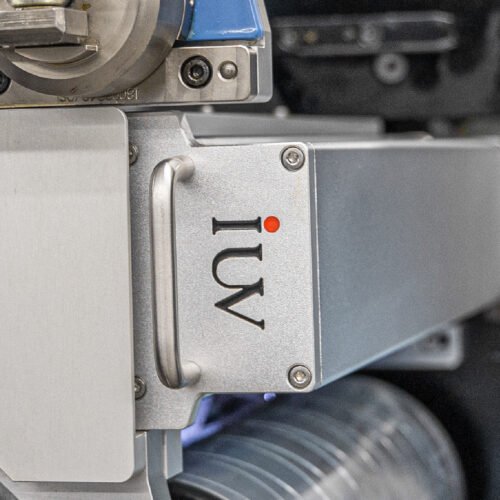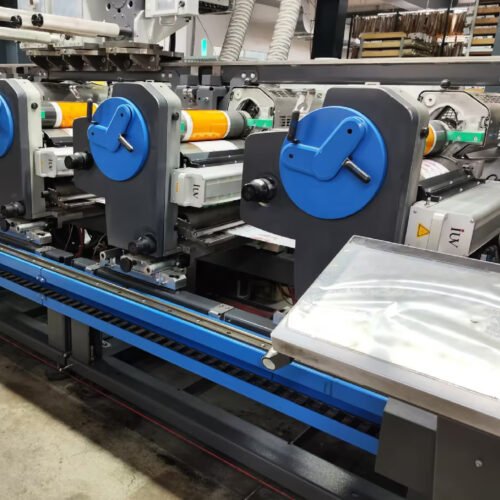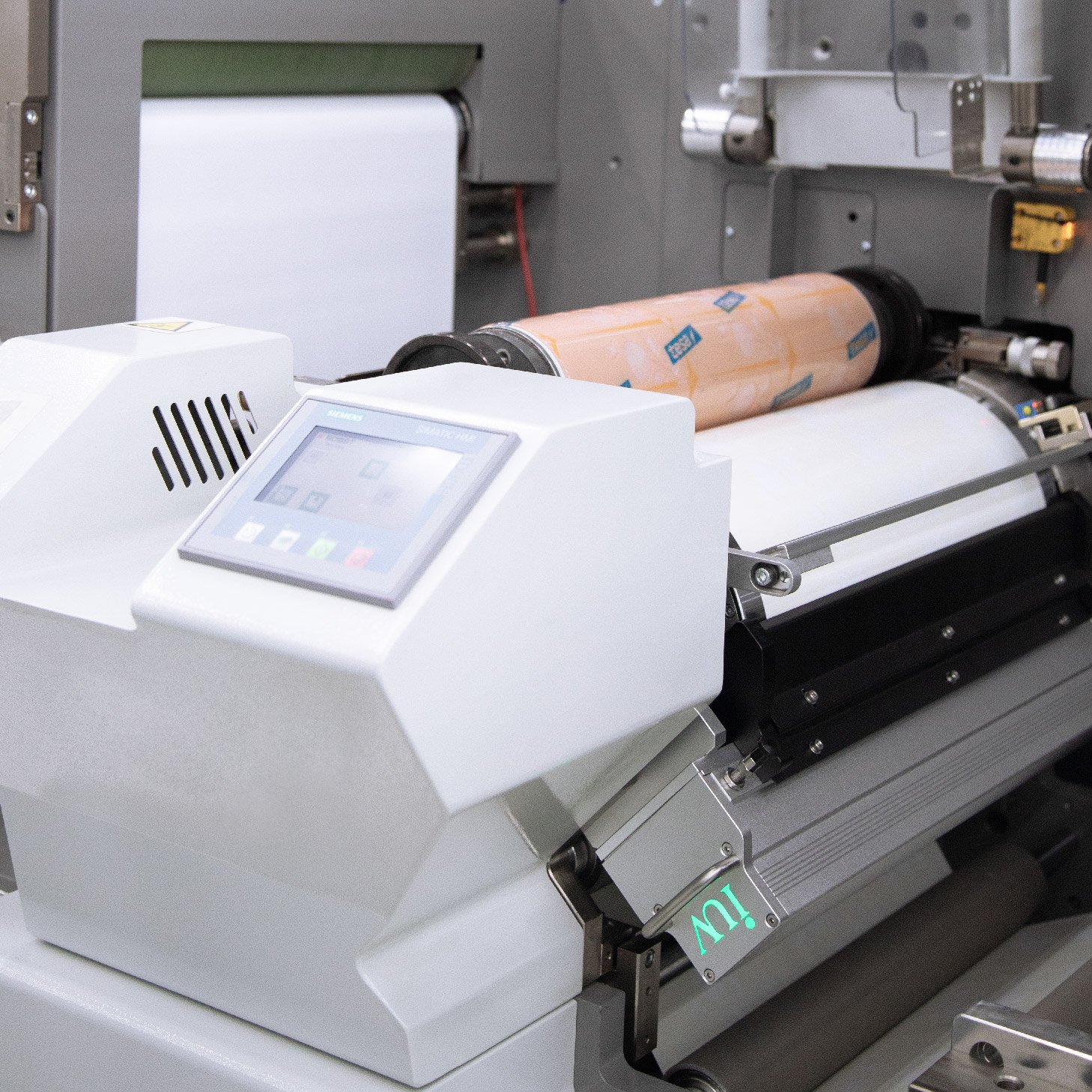
In high-duty cycle label production, optical power stability of LED UV curing systems directly affects print quality, productivity, and operating cost. COB LED arrays are widely used on narrow web label presses because they deliver high irradiance in a compact form. However, optical power output is not static over time. Understanding how and why output decays under continuous operation is essential for converters running long shifts and high web speeds.
In flexographic and letterpress label printing, curing consistency determines ink adhesion, color strength, and surface durability. Even small reductions in optical power can lead to incomplete curing, surface tackiness, or gloss variation. This makes optical power decay a critical performance parameter rather than a theoretical concern.
Defining Optical Power Output Decay in COB LED Arrays
Optical power output decay refers to the gradual reduction in UV irradiance emitted by a COB LED array during its operational life. In high-duty cycle environments, this decay is accelerated by thermal stress, electrical load, and continuous on-off cycling.
Unlike traditional arc lamps, LED UV systems do not fail suddenly. Their output decreases slowly, often without obvious visual signs. In label printing, this hidden degradation can cause curing margins to shrink over time, increasing sensitivity to press speed changes and ink formulation variations.
High-Duty Cycle Conditions in Narrow Web Label Presses
Narrow web presses often run at sustained speeds with minimal stoppage. Multiple shifts, frequent job changes, and high ink coverage push LED UV systems close to their thermal limits. COB LED arrays mounted in curing cassettes must maintain stable output while operating for thousands of hours.
In flexo and letterpress applications, duty cycles are high because curing units are triggered frequently between stations or after each print module. This operational pattern places continuous stress on LED junctions and phosphor layers, influencing long-term optical performance.
Thermal Stress and Junction Temperature Effects
Thermal management is the dominant factor influencing optical power decay. As junction temperature increases, LED efficiency decreases. Prolonged exposure to elevated temperatures accelerates material fatigue inside the COB package.
In label presses with limited airflow or compact UV cassette designs, heat accumulation is common. If thermal paths are not optimized, optical power can decline faster than expected. This leads to gradual curing inconsistency, especially noticeable at high web speeds where exposure time is limited.
Electrical Drive and Current Density Considerations
Electrical drive conditions strongly affect output stability. High current density increases initial irradiance but also accelerates degradation. In high-duty cycle production, operating COB LED arrays at maximum rated current may shorten effective curing life.
Stable power supplies and well-controlled drive electronics help reduce stress on LED chips. Inconsistent current delivery can cause localized heating within the COB array, leading to uneven optical decay across the emitting surface.
Impact on Flexographic Ink Curing Performance
Flexographic inks rely on consistent UV dose to achieve complete polymerization. As optical power decays, the delivered dose drops unless compensated by slower press speeds or higher exposure time. In narrow web label printing, slowing the press is rarely acceptable.
Reduced curing energy can result in soft ink films, poor abrasion resistance, and compromised adhesion. These issues often appear gradually, making them difficult to trace back to optical power decay without proper monitoring.
Effects on Color Consistency and Print Quality
Color density and gloss depend on proper curing. When LED UV output declines, inks may appear dull or inconsistent across long runs. Trapping between colors becomes less reliable, especially in multi-station flexo configurations.
In label applications with tight brand color tolerances, even minor deviations are unacceptable. Optical power decay introduces variability that challenges quality control, particularly in high-speed narrow web presses.
Comparing COB LED Array Designs
Not all COB LED arrays age at the same rate. Differences in chip layout, substrate material, and thermal interface design influence output stability. Arrays with higher diode density can deliver uniform irradiance but may generate more heat if cooling is inadequate.
Well-engineered COB designs balance optical density with efficient heat dissipation. In high-duty cycle label production, these designs show slower output decay and more predictable curing performance over time.
Measuring and Monitoring Optical Power Decay
Regular measurement of irradiance at the substrate plane is essential. Radiometers and onboard monitoring systems allow operators to track output changes before curing defects appear.
By establishing baseline values during commissioning, printers can identify gradual power loss and adjust process parameters. This proactive approach prevents quality issues and reduces unplanned downtime.
Compensation Strategies in Production
When optical power decay is detected, several compensation strategies are available. Adjusting LED drive current within safe limits can restore irradiance. Fine-tuning press speed or exposure geometry may also help maintain curing margins.
However, compensation has limits. Excessive electrical load increases thermal stress and accelerates further degradation. Long-term stability depends on balanced system design rather than constant correction.
Maintenance and Lifecycle Planning
Understanding output decay helps define realistic maintenance schedules. Instead of relying solely on operating hours, printers can base service intervals on measured optical performance.
In high-volume label production, predictable LED UV behavior simplifies planning and reduces waste. Replacing or refurbishing curing cassettes before critical power loss ensures consistent quality across long production cycles.
Relevance to Narrow Web Label Converters
For narrow web converters, optical power stability directly impacts profitability. Stable COB LED arrays support high press speeds, reduce scrap, and maintain consistent curing across substrates and ink sets.
Evaluating optical power decay during system selection helps identify solutions suited for demanding production environments. This technical insight supports long-term reliability rather than short-term performance gains.
Long-Term Performance Perspective
In high-duty cycle label production, optical power decay is inevitable but manageable. Proper thermal design, controlled electrical drive, and regular monitoring slow degradation and extend effective curing life.
By understanding how COB LED arrays behave over time, printers can maintain curing consistency, protect print quality, and optimize total cost of ownership.