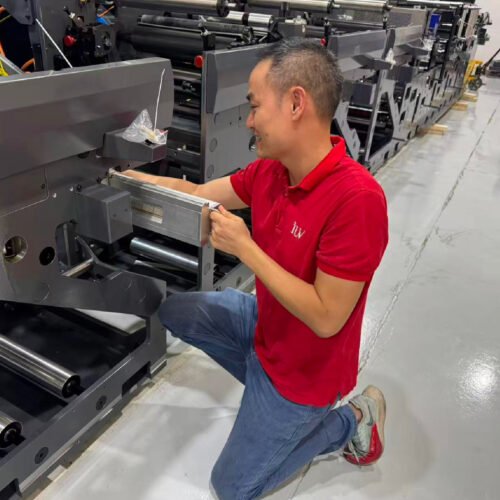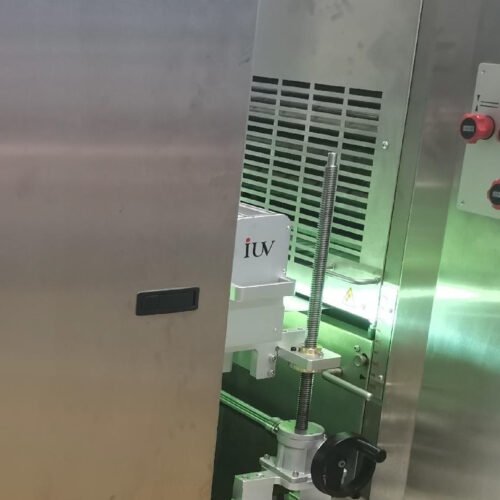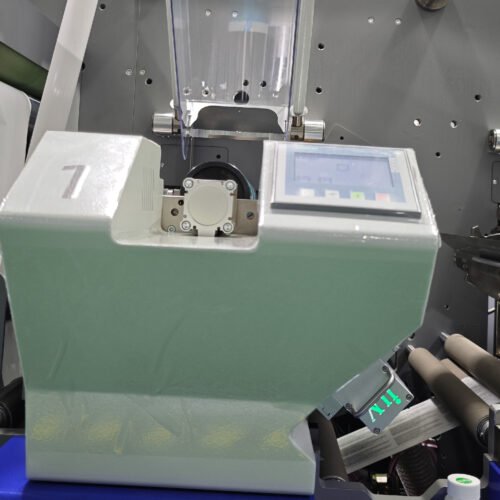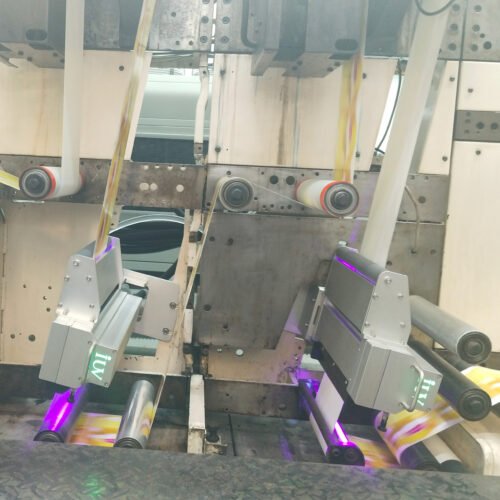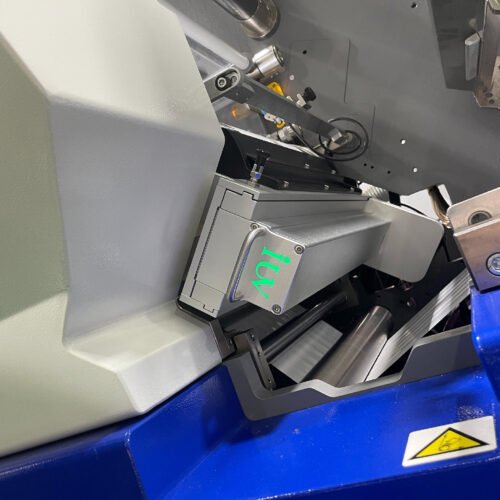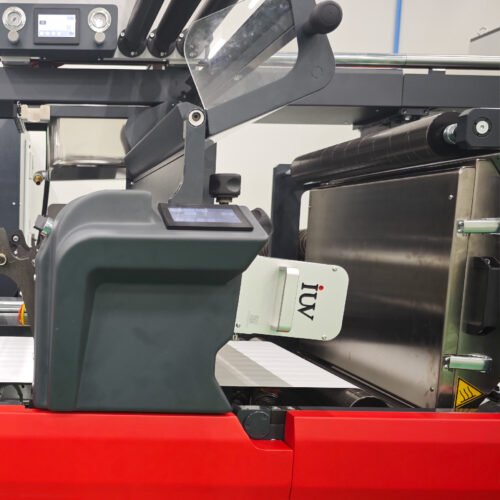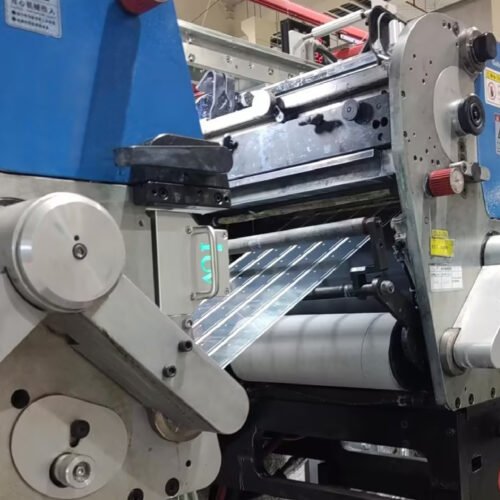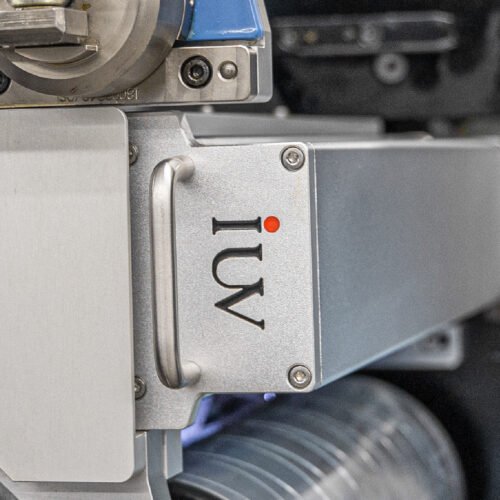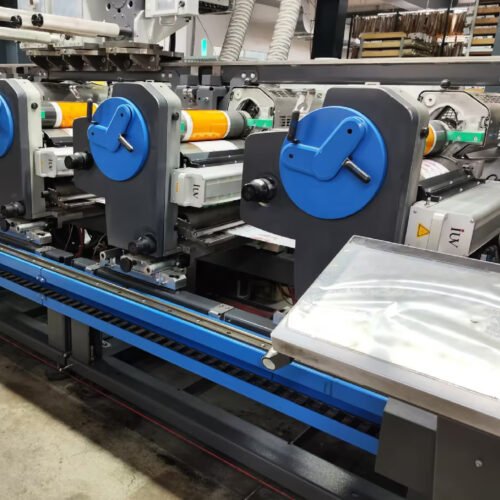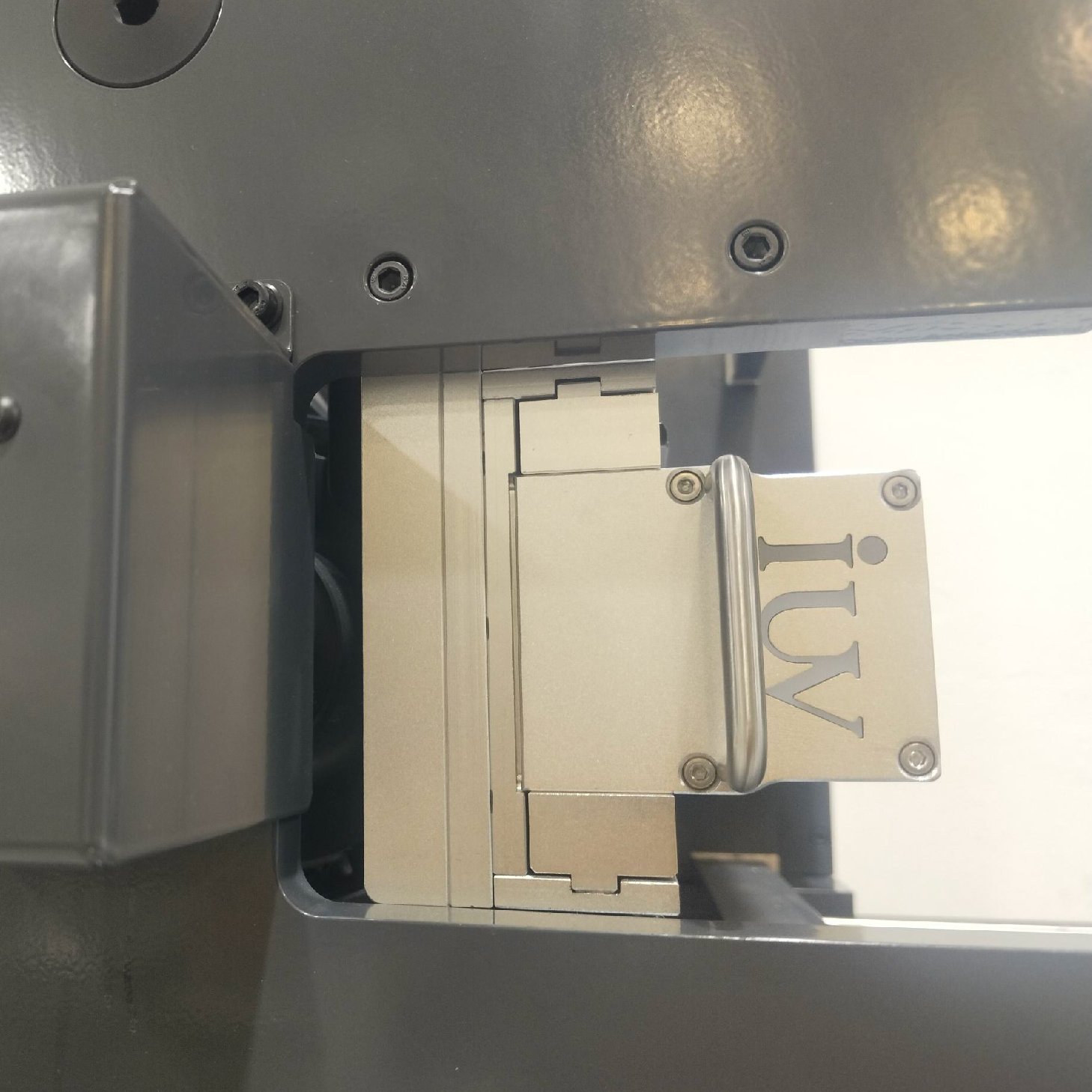
Hybrid offset presses equipped with both conventional mercury UV and LED UV curing modules have become a staple in modern label production. These systems combine the broad-spectrum energy of traditional UV lamps with the precise, on-demand curing of LED modules, offering unmatched versatility for narrow web, flexible packaging, and multi-color applications. However, integrating these technologies requires careful process optimization to ensure efficiency, maintain print quality, and minimize downtime. Understanding the operational complexities is the first step toward achieving consistent and high-speed production.
Hybrid presses present unique challenges due to the differing energy characteristics of mercury and LED modules. Mercury lamps generate high-intensity UV energy across a wide spectral range, curing inks quickly but producing significant heat, which can affect heat-sensitive substrates. LED modules emit energy in narrow spectral bands, allowing precise control over polymerization but requiring optimized exposure profiles to match ink chemistry and press speed. Balancing these two sources is critical to maintain uniform curing across the web without compromising substrate integrity or print resolution.
Optimizing Curing Profiles for Efficiency
Efficient operation begins with calibrating the curing profiles for both mercury and LED modules. Each ink formulation responds differently to specific wavelengths and energy intensities. By profiling irradiance across the press width, operators can identify areas of uneven curing and adjust lamp positioning, LED power output, or module spacing. For multi-color narrow web applications, ensuring consistent curing across all colors prevents issues such as set-off, smearing, or color migration. Adjustments to lamp dwell time, line speed, and cooling flow contribute directly to production efficiency.
Dynamic power scaling of LED modules allows operators to modulate energy output based on substrate type, ink layer thickness, and line speed. This minimizes overcuring or undercuring, reduces energy consumption, and maintains consistent adhesion and gloss across the label surface. Mercury lamps, while less flexible, benefit from regular intensity monitoring and preventive maintenance to avoid degradation that can lead to variable curing and reduced efficiency.
Integrating Ink and Substrate Considerations
Ink and substrate properties significantly influence process optimization. High-viscosity inks may require higher curing doses or longer dwell times, while low-viscosity inks spread more easily but may be prone to overcuring. Substrate thickness, surface energy, and thermal sensitivity also dictate the optimal energy profile. Pre-treatment techniques, such as corona or plasma treatment, can enhance ink adhesion and improve overall curing efficiency, reducing the need for excessive lamp power or slower press speeds.
For narrow web labels, maintaining precise registration and alignment across substrates is essential. Inconsistent curing can cause differential shrinkage, misregistration, or poor ink adhesion, which directly impacts efficiency by increasing waste and rework. Hybrid press optimization must therefore include consideration of substrate handling, tension control, and web path consistency to support uniform UV exposure and polymerization.
Maintaining Equipment Performance
Routine maintenance and monitoring of UV curing modules are critical to sustaining efficiency. LED modules require consistent cooling to prevent diode overheating, which can reduce output intensity and shorten lifespan. Mercury lamps should be replaced according to manufacturer recommendations, and reflectors and quartz windows must be cleaned regularly to maintain consistent irradiance. Automated feedback systems that track lamp intensity, temperature, and line speed allow operators to make real-time adjustments, reducing downtime and improving throughput.
Integration of control systems across hybrid modules enhances operational efficiency. Centralized dashboards can synchronize curing across LED and mercury stations, ensuring that multi-color runs receive the proper energy dose for each layer. Predictive maintenance schedules, informed by real-time performance data, prevent unexpected stoppages and maintain continuous high-speed production.
Workflow and Operational Strategies
Optimizing hybrid presses also involves refining operational workflows. Standardizing job setups, including pre-set curing profiles for common substrates and inks, reduces changeover times and increases productivity. Operators should monitor and record performance metrics for each job, allowing for iterative improvements in curing strategies and ink-substrate compatibility. Training staff on the nuances of LED and mercury curing, energy modulation, and substrate handling ensures that process adjustments can be applied quickly and consistently across shifts.
Reducing waste is a key aspect of process optimization. By minimizing under- or over-cured areas, presses produce higher-quality labels with fewer rejections. Fine-tuning web speed, lamp distance, and module alignment reduces energy usage while maintaining curing quality, translating into operational cost savings and improved environmental performance.
Balancing Sustainability with Productivity
Hybrid offset presses offer the potential to reduce environmental impact when operated efficiently. LED modules consume less energy than mercury lamps and produce less heat, allowing for faster substrate turnaround with reduced cooling requirements. By strategically using LED modules for certain layers or low-energy applications, presses can lower carbon footprint while maintaining print quality. Combining energy-efficient LED curing with selective mercury lamp use achieves a balance between sustainability and maximum production efficiency.
Conclusion
Process optimization in hybrid offset LED UV presses requires a holistic approach, integrating curing calibration, ink-substrate interaction, equipment performance, and operational workflow. By profiling irradiance, fine-tuning power output, maintaining equipment, and standardizing procedures, printers can achieve consistent adhesion, color fidelity, and polymerization across narrow web and multi-color applications. Efficient use of hybrid curing technologies not only improves throughput and reduces waste but also supports sustainable production practices. Mastery of these strategies ensures that hybrid offset presses deliver high-quality labels and flexible packaging at peak efficiency.